
Sukhna Wildlife Sanctuary
Sukhna Wildlife Sanctuary is a protected area in Chandigarh’s Shivalik Hills, near Sukhna Lake. People visit to experience its natural setting, though access is restricted.
Key facts · verified by Ghumoopedia editors
- Type of place
- National park / sanctuary
- Best time to visit
- October to March
- Nearest railway station
- Chandigarh Junction · about 5 km (straight line)
- Nearest airport
- Chandigarh International Airport · about 9 km (straight line)
- Verified
- 21 Nov 2026
Plan a trip from Sukhna Wildlife Sanctuary — a day-by-day route through places nearby.
Within the union territory of Chandigarh, Sukhna Wildlife Sanctuary lies in the Shivalik Hills, close to Sukhna Lake. Its protected area covers 2,600 hectares, equivalent to more than 6,400 acres. The site was granted sanctuary status in 1998. The number of visitors allowed in is limited, and each visitor must obtain a pass from the Forest Department Office. Entry is therefore controlled rather than unrestricted. The reserve is generally closed to the public during the rainy season. Anyone planning a visit should take account of both the pass requirement and this seasonal restriction. Chandigarh is India's best-known planned city, designed by Le Corbusier in the 1950s with a grid of self-contained sectors, wide tree-lined avenues, the modernist Capitol Complex, Nek Chand's Rock Garden of recycled sculptures, Sukhna Lake and the Shivalik hills on its northern edge; it is the shared capital of Punjab and Haryana. Summers from April to June are very hot, often above 40 °C; the monsoon brings rain in July and August; winters are cold and foggy, especially in December and January. October–November and February–March are the most pleasant. The usual best time to visit is October to March. Timings, fees and access arrangements must be confirmed locally. For official information, see Chandigarh Tourism at https://chandigarhtourism.gov.in.
Why it matters
Sukhna Wildlife Sanctuary is a protected natural area in the Shivalik Hills of Chandigarh, close to Sukhna Lake. Covering about 2,600 hectares, it preserves forest and foothill habitat at the northern edge of the planned city and helps protect the lake’s surrounding catchment. The Chandigarh Forest Department is responsible for its management, and the sanctuary was officially declared in 1998. Its value is regional as well as local: it provides habitat for wildlife and a green buffer beside an expanding urban area. It is a wildlife sanctuary, not a national park, and visitors should confirm current access arrangements with the managing authority.
The wooded Shivalik foothills that form the sanctuary’s setting are older than modern Chandigarh, whose planned development began after independence in the 1950s. Sukhna Lake was created as part of that city plan and is closely linked to the surrounding catchment. The slopes and drainage that feed the lake also made the area important for soil and water conservation. As the city grew, protecting the remaining natural landscape became increasingly significant. The area was officially declared a wildlife sanctuary in 1998, giving it protected status and bringing it under the Chandigarh Forest Department’s management. The sanctuary is therefore both a conservation area and part of the wider landscape around the lake. Its present role is to safeguard habitat and limit disturbance, while access is controlled rather than treated as unrestricted urban parkland. Detailed accounts of earlier land use and specific restoration projects are not consistently available to visitors, so claims about particular builders, communities or restoration phases should be checked against official records. The lake, city and sanctuary are best understood as connected parts of Chandigarh’s planned urban and ecological setting.
Spend unhurried time at Sukhna Wildlife Sanctuary: use marked paths and official viewpoints, and ask locally whether a guide, ticket or permission is needed. Weather can change quickly, so carry a light layer even on a clear morning. A comfortable itinerary is one main visit in the morning, a local meal at midday and a short nearby stop before an afternoon return. Visit gardens and Sukhna Lake in the early morning or evening; spend the hottest hours in a museum. Use the district list on this site to find other places in Chandigarh, but check the route and its condition before combining stops. If a festival is on — such as the Rose Festival in February, the Chrysanthemum Show in December, the Mango Festival in summer or Teej — transport and stays can be busy, and the experience can be unforgettable. Keep the city's gardens clean, and use the bins provided.
Suggested itineraries
Half day: Confirm permission in advance; spend about 2–3 hours on an authorized sanctuary route or at an official viewpoint; have a meal nearby; finish with a short visit to Sukhna Lake. Full day: Make a morning sanctuary visit of about 2–3 hours; pause for lunch; spend 1–2 hours at Sukhna Lake; then visit the Rock Garden or Government Museum and Art Gallery, checking access before travel. Gentler option: If entry is permitted, choose the shortest authorized route or viewpoint, take frequent rests, and pair it with a relaxed lakeside visit rather than a longer walk.
The sanctuary is primarily a nature-conservation area rather than a venue for cultural performances or ceremonies. Its visitors include Chandigarh residents and travellers who come for quiet outdoor recreation, nature study and time near the Shivalik foothills. Punjabi, Hindi and English are widely used in the city; Punjabi is also prominent in the surrounding region, alongside Hindi and Haryanvi influences. Chandigarh’s contemporary culture combines planned-city life with regional food, music and seasonal public events. Visitors can enjoy these traditions in the city, while keeping the sanctuary itself quiet and respecting its wildlife and conservation purpose.
Local communities
The sanctuary is connected with Chandigarh residents, forest staff, conservation workers and people living in settlements around the city’s northern edge and adjoining areas. Forest and wildlife management, environmental education and visitor services are among the activities linked to the protected area. In the wider region, livelihoods include urban services, trade and farming; the balance varies between city neighbourhoods and surrounding settlements. Visitors should avoid assuming that all nearby residents share one identity or livelihood, and should treat local people respectfully. Follow official guidance and do not enter private land or restricted parts of the sanctuary.
Festivals & events
Festivals are generally held in Chandigarh rather than inside the sanctuary. The Rose Festival is usually associated with February, the Chrysanthemum Show with December, and the Mango Festival with summer; Teej is also observed in the region. These events can bring larger crowds to city gardens and public venues, increasing demand for transport and accommodation. Check the event location before planning a visit, since festival activities should not be assumed to take place within the protected area. During busy periods, leave extra time for travel and keep the sanctuary visit quiet and low-impact.
Local food in Chandigarh includes Punjabi dhaba food such as dal makhani, sarson da saag with makki di roti, butter chicken, chole bhature and amritsari kulcha, lassi, and the cafés and food streets of Sectors 17, 22 and 35. Ask what is fresh that day; many small eateries cook a limited daily menu. The sector markets have food for every budget, from street-side chole bhature to cafés; Sector 35 is known for Punjabi restaurants. Remote sites may have no restaurant at all. Carry water and snacks, eat a proper breakfast before long journeys, and ask your accommodation for a packed lunch if you are heading out early. Try a home-cooked or local meal when you can — it is often the best food on the route. Choose busy, clean places, drink sealed or filtered water, and carry your packaging back with you.
Shopping & local experiences
The sanctuary is not a shopping destination, but Chandigarh’s markets offer regional food, clothing and everyday souvenirs. Look for Punjabi phulkari embroidery, juttis and handloom items from reputable shops or craft outlets; check provenance and workmanship before buying. Sector 17 and Sector 22 are established market areas for shopping and meals. Restaurants and cafés around the city provide opportunities to try Punjabi dishes and other regional cuisine. Choose reusable bags, avoid buying wildlife products or natural objects, and do not remove anything from the sanctuary as a souvenir.
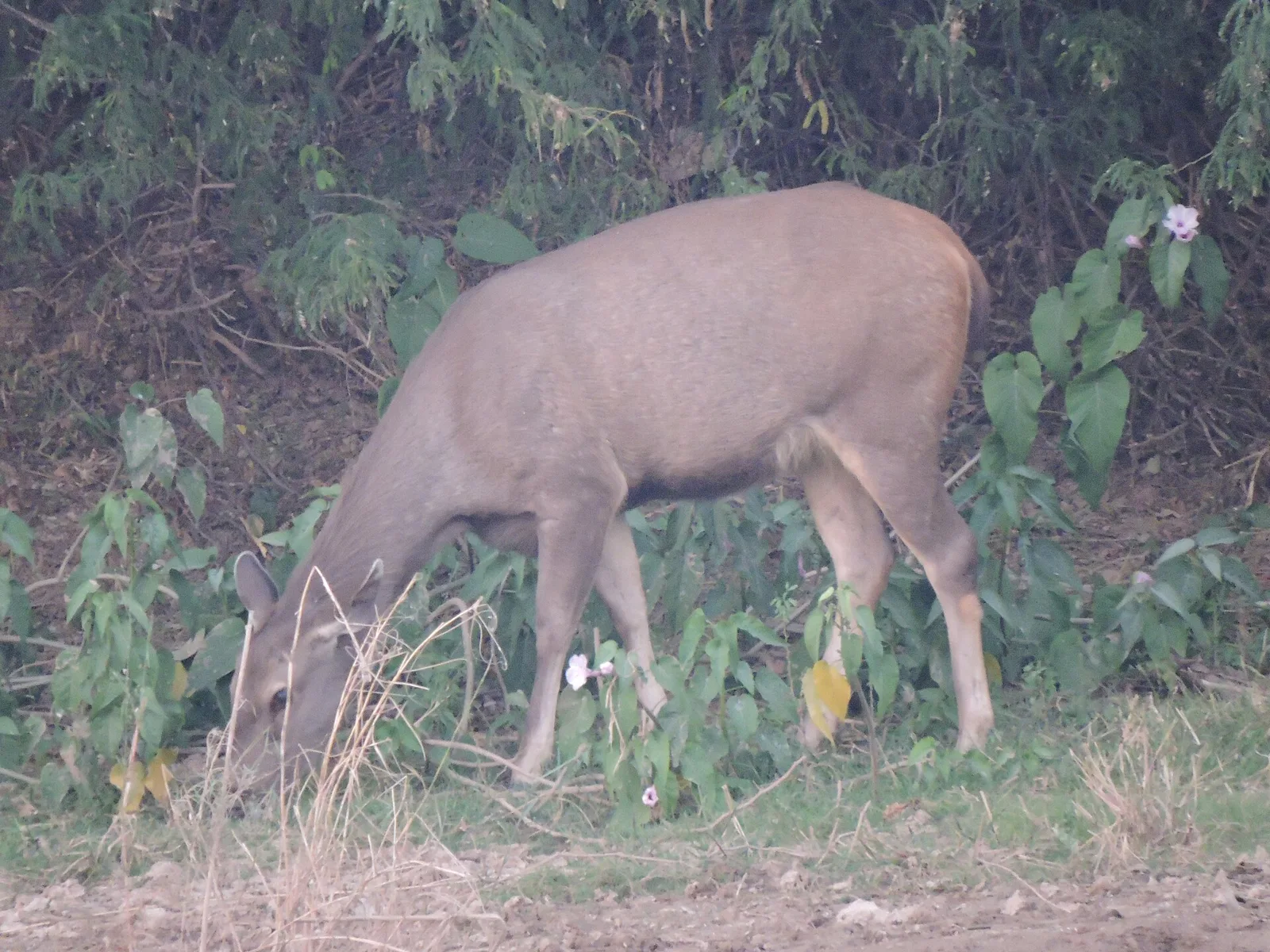
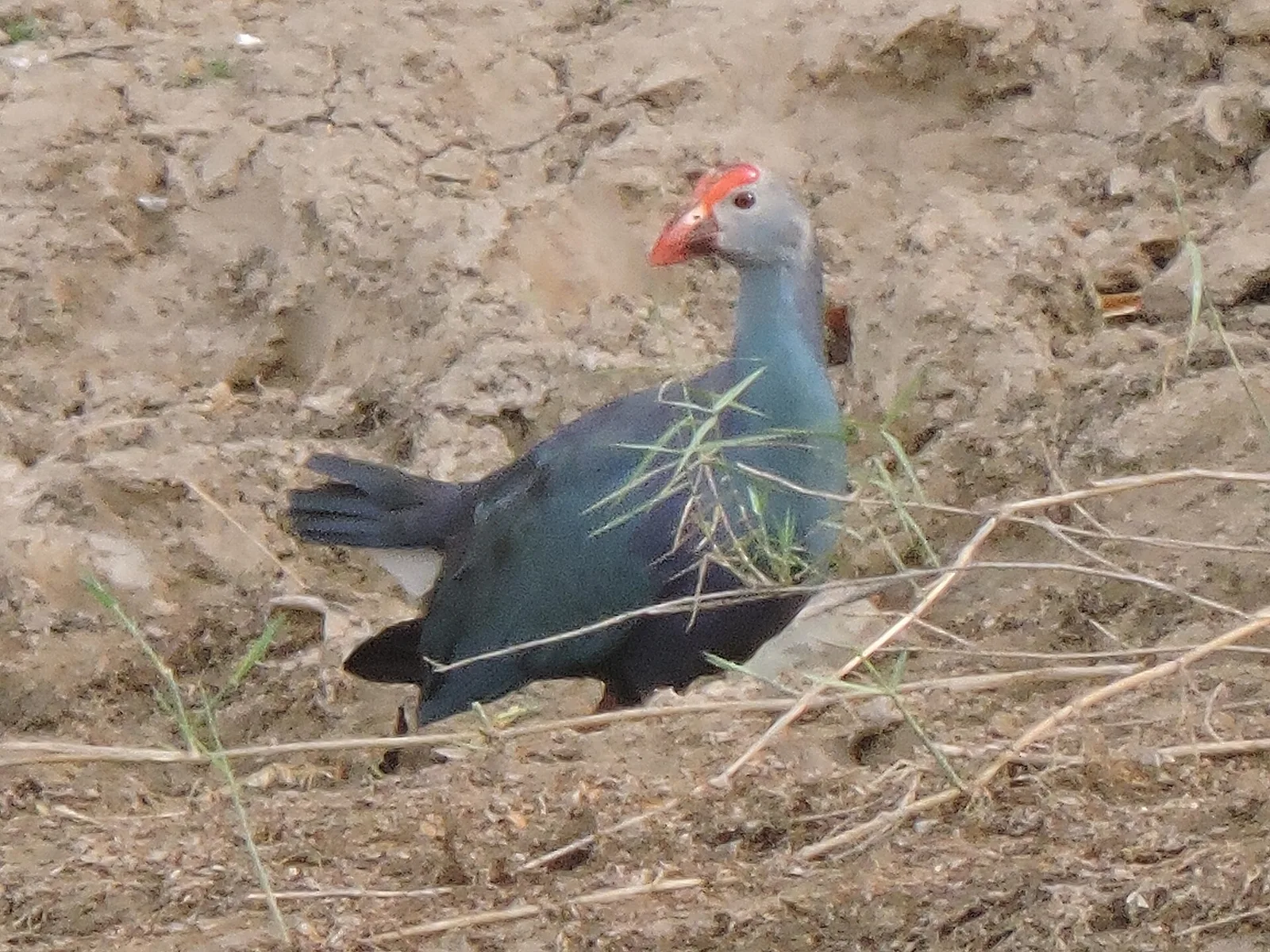
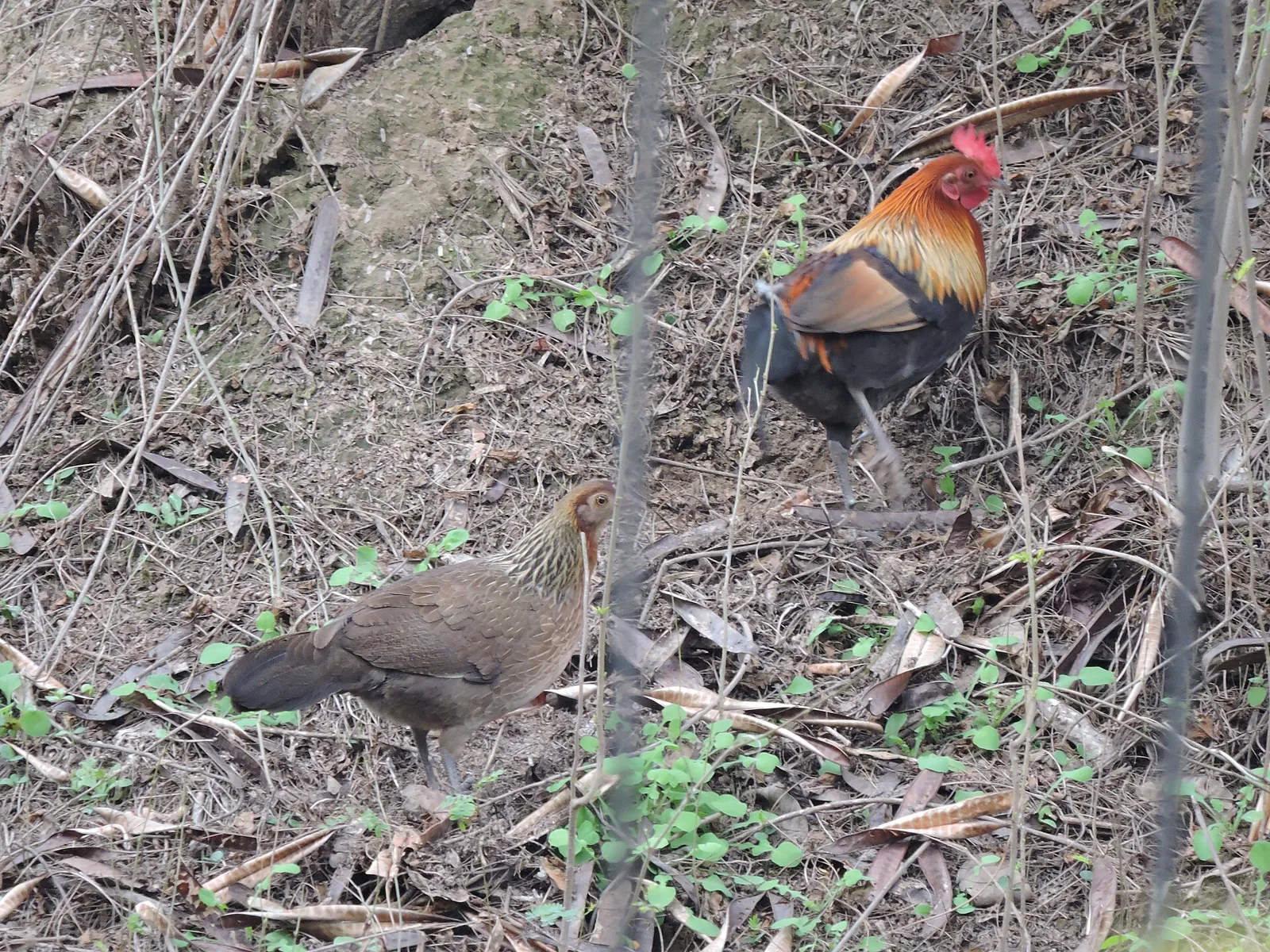
The sanctuary occupies hilly Shivalik terrain and forms part of the landscape around Sukhna Lake’s catchment. Its habitat includes forest, scrub and open patches, with vegetation adapted to the foothills and local seasonal conditions. The area supports wildlife including deer, wild boar and smaller mammals; species presence does not mean sightings are likely. A range of resident and seasonal birds may also use the woodland, scrub and nearby water landscapes. The monsoon changes the character of the slopes and can make access unsuitable, while the drier months offer more comfortable conditions for walking. Stay on permitted routes, keep noise low and observe animals from a distance. Do not feed wildlife or damage plants.
October to March
The nearest principal railway station by straight-line distance is Chandigarh Junction, roughly 5 km away. The nearest operating airport by straight-line distance is Chandigarh International Airport, roughly 9 km away. These figures are calculated from map coordinates — actual road distance is longer. Chandigarh International Airport has flights from most metros, and Chandigarh Junction has fast trains from Delhi such as the Shatabdi and Vande Bharat expresses. Interstate buses run from the Sector 17 and Sector 43 bus stands. For the final leg, CTU city buses, app cabs, autos and rented bicycles on the city's cycle tracks cover the local area. A private taxi gives more flexibility for spread-out sights. When comparing train, bus and flight, count the complete door-to-door time: a flight saves the most time only if the onward transfer is short, while an overnight train can save a hotel night. For Chandigarh, a morning Shatabdi or Vande Bharat train from New Delhi (about three to four hours) is often as quick as flying once airport time is counted, and lands in the city; flights save time from distant cities. Book your return before you leave, because seats fill quickly on weekends, festivals and holidays. Current train numbers, timings, return services, ferry departures and fares are not listed here; check IRCTC and NTES for trains, the airline's own schedule for flights and the official operator for ships and ferries. No permit is needed to visit Chandigarh. Visits to the Capitol Complex (a UNESCO World Heritage Site) are by guided tour only: register at the tourist information point with your original photo ID, and expect security checks and limited days and timings. Traffic rules are strictly enforced, including helmets for all two-wheeler riders and seatbelts.
Confirm onward and return timings on IRCTC / NTES, the state bus operator or your airline before travel. A dash means current timings or fares have not been verified.
Getting around
Chandigarh city buses, autos, app-based cabs and taxis can help reach the northern side of the city; availability and the best drop-off point depend on the authorized sanctuary entrance in use. Confirm the final approach locally, since public access may be restricted or seasonal. Walking is suitable only on routes open to visitors, and the terrain is not equivalent to a paved city promenade. Parking may be available near an authorized access point, but check locally rather than relying on it. Boating at Sukhna Lake, when available, is a separate activity and does not provide access into the sanctuary.
Hours, tickets & permissions
Entry is controlled and the sanctuary is open only to a limited number of visitors. An entry pass or other permission may be required; the Chandigarh Forest Department Office is identified as the source for passes in the existing guide. The reserve is typically not open to the public during the rainy season. Requirements for identification, guides, cameras and any applicable fees can change, so confirm current rules, access conditions and visiting hours directly with the managing authority before setting out. Do not assume that access to Sukhna Lake also grants entry to the sanctuary.
Facilities
Facilities inside the sanctuary may be limited, and toilets, drinking water, food outlets, seating and visitor information should not be assumed to be available along a route. Check locally before entering and carry water and any essential supplies. Food, shops, accommodation and other urban services are available in Chandigarh, but their distance from the permitted entrance can vary. Parking and guide arrangements may depend on the current access system. Ask the Forest Department about passes, guidance and facilities before travelling, especially during wet weather or periods of restricted entry.
Accessibility
The sanctuary is in hilly foothill terrain, so paths may be uneven, sloping, muddy or difficult after rain. Walking distances and surface conditions depend on the route currently permitted. Shade can vary, and visitors should not expect continuous seating or paved paths. Wheelchair and stroller access cannot be assumed; check the exact entrance and route with the Forest Department before planning a visit. Older visitors or anyone with limited mobility may prefer a short authorized viewpoint visit, if available, and should allow time for rests. Sukhna Lake’s public areas may offer an easier alternative, but conditions and access should also be checked.
No permit is needed to visit Chandigarh. Visits to the Capitol Complex (a UNESCO World Heritage Site) are by guided tour only: register at the tourist information point with your original photo ID, and expect security checks and limited days and timings. Traffic rules are strictly enforced, including helmets for all two-wheeler riders and seatbelts. Carry a photo ID at all times and save the emergency number 112 and your accommodation's contact offline. Summer heat and winter fog are the main weather risks — carry water and a hat in summer, and allow extra time for trains and flights in foggy weather. Stay on marked paths, keep away from cliff edges and fast water, and never approach wild animals.
Visitor rules
Follow the Forest Department’s instructions and remain on routes or at viewpoints officially open to visitors. Carry any required pass or identification, and confirm whether a guide is needed. Wear sturdy footwear suited to slopes and changing ground conditions; modest, practical clothing is a sensible choice. Keep voices low, do not feed, chase or approach wildlife, and leave plants and natural features undisturbed. Take rubbish back with you and follow current restrictions on plastic, fires and food. Do not enter closed areas, collect natural objects or bring pets unless the authority explicitly permits them.
Photography
Soft morning light can suit woodland and hillside photography, while clear conditions may offer views across the surrounding landscape. Use only authorized paths and viewpoints, and keep a respectful distance from wildlife; sightings are never guaranteed. Photography may be subject to local restrictions or fees, so confirm the current policy before entry. Do not use flash close to animals, call or bait wildlife, or obstruct other visitors. Drone use should not be assumed to be permitted: obtain official authorization and check applicable aviation and sanctuary rules. Ask permission before photographing people, and respect any private or sensitive spaces.
Choose a stay by the full journey to Sukhna Wildlife Sanctuary, not just the district name. Chandigarh has hotels in every range across the sectors, with the most choice near Sector 17, Sector 35 and the Industrial Area; Panchkula and Mohali next door add more options. In the hot months, check air-conditioning; in the monsoon, check that the property is reachable if roads flood or ferries are cancelled. Book in advance for weekends, festivals and the peak season (October to March). Confirm the exact location, meals included, check-in time and cancellation terms in writing. Avoid sending money to unverified contacts or touts at stations, airports and jetties. Carry some cash, as card and digital payments can be unreliable in remote areas.
Sukhna Lake is the closest well-known companion stop, with a promenade and, when operating, boating as a separate activity. Chandigarh’s Rock Garden, made famous for its sculptures created from discarded materials, is another established attraction. The Capitol Complex, designed as part of the city’s modernist plan, may have visitor-access requirements, so check before going. The Government Museum and Art Gallery and Zakir Hussain Rose Garden are further city options. These places can make a fuller Chandigarh itinerary, but confirm routes and current access rather than assuming every stop can be comfortably combined in one day.
For couples, Sukhna Wildlife Sanctuary rewards a slow pace: arrive early for soft light and fewer crowds, share a local meal and keep the evening free. Sunset boating on Sukhna Lake, an evening in the Rose Garden, the Rock Garden's winding paths or dinner in Sector 26 makes the trip memorable. Public displays of affection can be frowned upon in conservative communities and at religious sites, so be discreet. Keep a buffer in your itinerary, because weather and transport can delay plans.
Q: How much time should I allow for a visit? A: Allow a few hours for an authorized sanctuary visit, including the approach and any required entry arrangements. A nearby city stop can make it a half-day outing. Q: When is the best season to visit? A: October to March is generally the most comfortable period in Chandigarh. The sanctuary is typically closed to public visitors during the rainy season; confirm current conditions. Q: Can I enter without a pass? A: Entry is limited and a pass or permission may be required. Check with the Chandigarh Forest Department before travelling; lake access is separate. Q: Is the sanctuary suitable for children and elderly visitors? A: Families can visit if access is open, but foothill paths may be uneven or steep. Choose a short permitted route, supervise children and consider mobility needs. Q: Where can I stay nearby? A: Chandigarh has hotels and guesthouses across the city. Choose accommodation based on your transport plans and confirm the sanctuary’s access point before booking.
Be the first to share photos, stories, advice or a helpful contact for Sukhna Wildlife Sanctuary.
Loading…