
District · Himachal Pradesh
Solan
Solan district offers a varied introduction to the lower Himalayan hills of Himachal Pradesh, between the plains and the higher mountain country.
Solan district lies in the lower Himalayan hills of Himachal Pradesh, where wooded slopes, cultivated terraces and valleys meet busy market towns and growing industrial centres. Solan city, the district headquarters, provides an everyday urban counterpoint to Kasauli, whose British-era cantonment heritage shapes its quieter hill-station character. The district brings together older hill settlements, religious traditions and the legacy of colonial routes into the mountains. Pine-covered stretches and winding roads offer a gentler introduction to Himachal than the higher Himalayan districts. Its character is varied: visitors encounter holiday retreats and agricultural landscapes alongside the commercially active Baddi–Nalagarh belt, rather than one continuous mountain resort.
Solan district offers a varied introduction to the lower Himalayan hills of Himachal Pradesh, between the plains and the higher mountain country. It is known for Solan city, the district headquarters and a busy regional centre, and for Kasauli, a hill town with British-era cantonment heritage. The district also includes the commercially active Baddi–Nalagarh belt, older hill settlements and agricultural valleys. Visitors can combine town life, wooded slopes and historic hill-station character without treating the district as one continuous resort. It suits travellers seeking a short mountain break, a stop on the route towards Shimla or a closer look at the region’s varied communities and landscapes.
The area now covered by Solan district was historically divided among several hill states, including Baghal, Baghat, Kuthar, Kunihar and Nalagarh, formerly known as Hindur. Arki served as the capital of Baghal, while Solan grew as a centre in the former Baghat state. In the early nineteenth century, Gorkha forces extended their control into parts of the western Himalayan hills. After the Anglo-Gorkha conflict, British authority and the hill states’ positions were reshaped, with the princely states continuing under varying degrees of British oversight. Kasauli developed as a British cantonment in the nineteenth century, its setting making it a cooler station for colonial officials and troops. Following Indian independence, the hill states joined Himachal Pradesh in 1948. Solan district was established in 1972, when Himachal Pradesh reorganised its districts; its territory was drawn from areas previously administered in the Mahasu and Shimla districts. The district’s present character reflects this layered history, as well as later road development, urban growth and industrial expansion around Baddi and Nalagarh.
2 destination guides
Kasauli
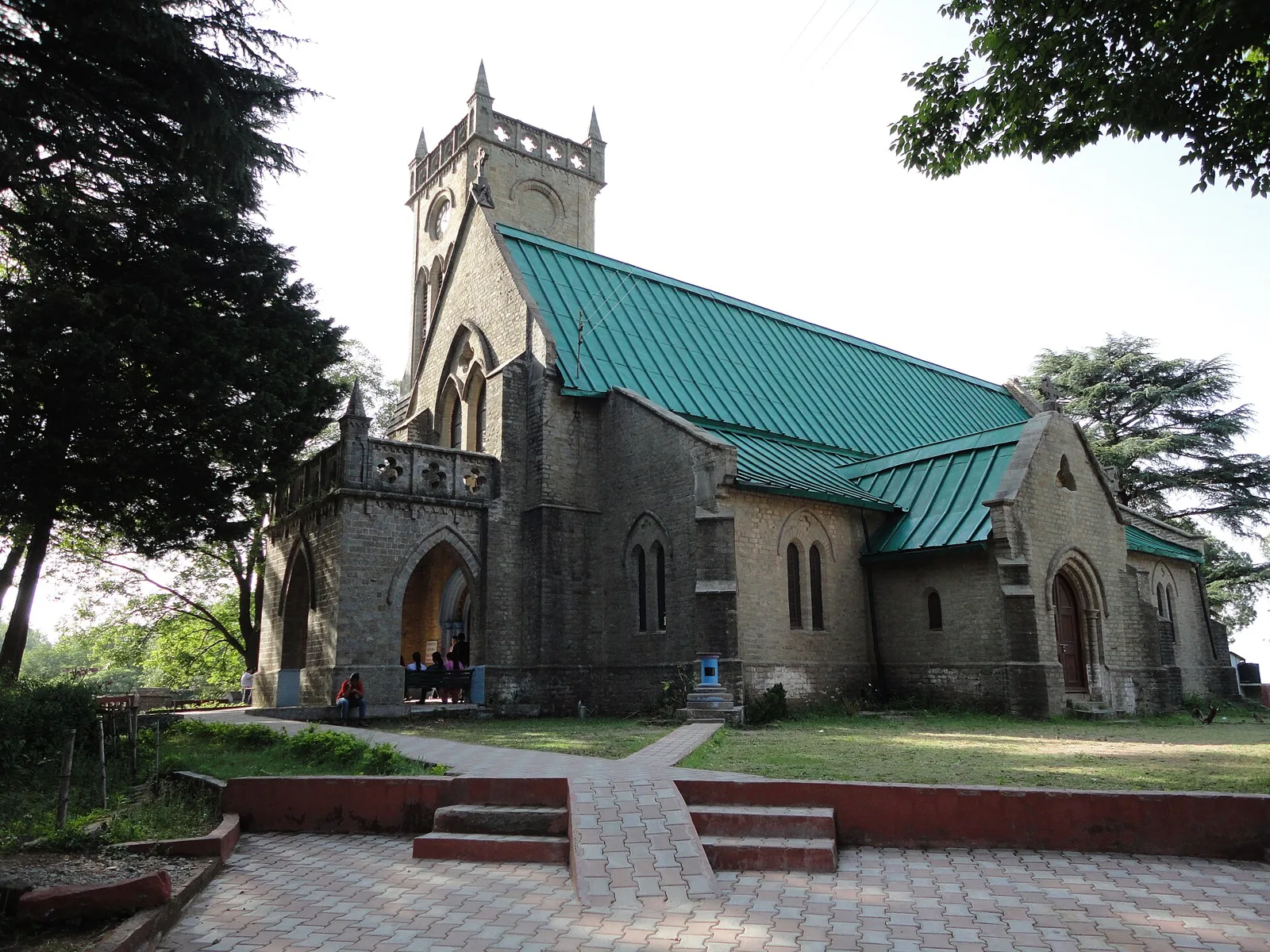
Kasauli is a town and cantonment in Himachal Pradesh’s Solan district. Visitors come for its colonial hill-station history and its setting within reach of nearby cities.
Solan
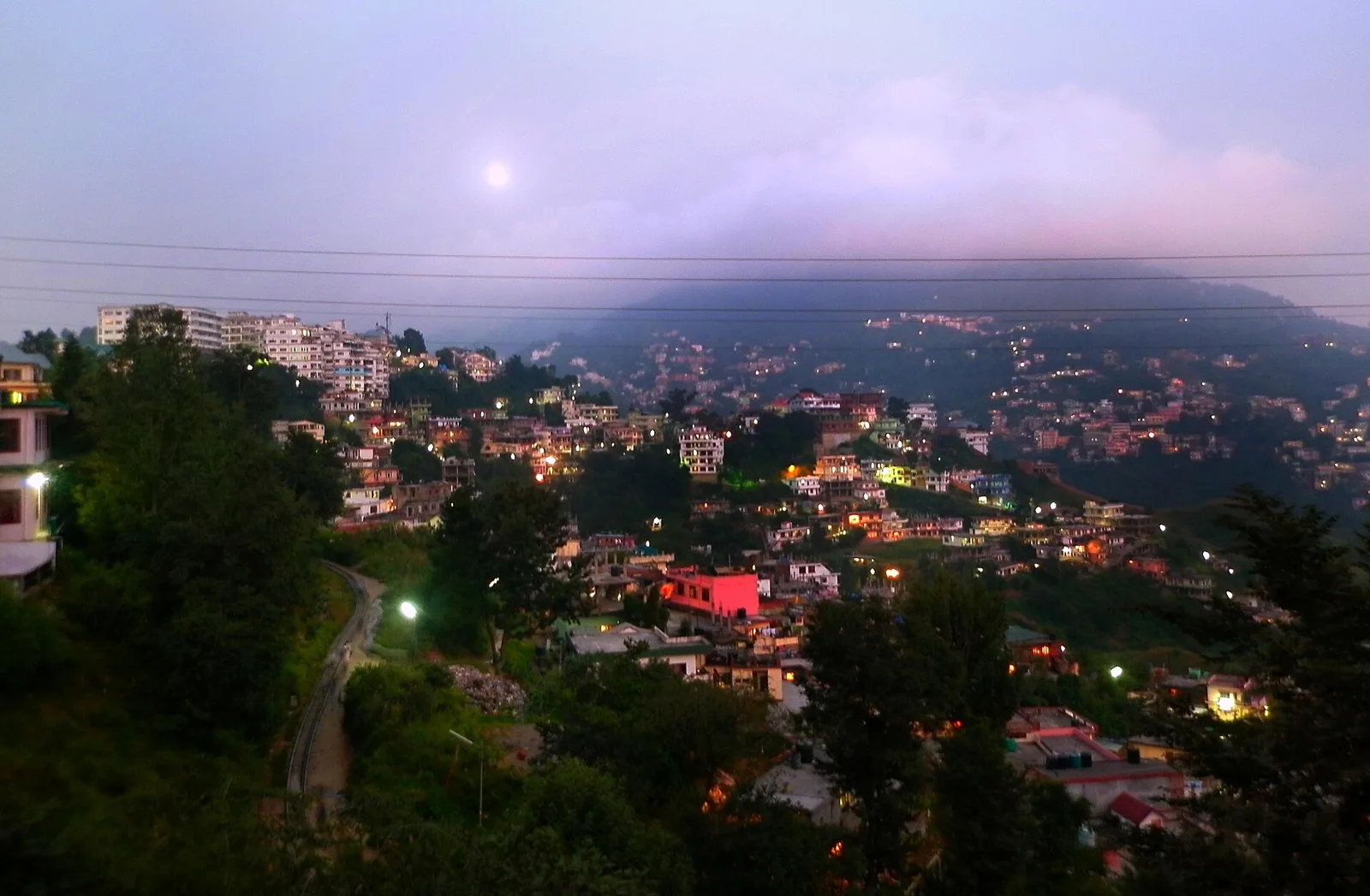
Solan is a Himachal Pradesh city and district centre in the Shivalik Hills between Chandigarh and Shimla. Visitors come for its temples, monastery, annual Shoolini fair and hill setting.
Food in Solan draws on the wider traditions of Himachal Pradesh rather than a single district-specific cuisine. Look for siddu, a steamed stuffed bread, and babru, a stuffed fried bread, where local kitchens prepare them. Madra and dham, the traditional festive meal, reflect the region’s celebratory cooking; dham is more closely associated with communal occasions than an everyday restaurant menu. Chha gosht is another regional dish for meat eaters. Seasonal apples and apricots may also be available. Small eateries often work with a limited daily menu, so ask what is freshly cooked. Carry water and snacks when heading away from the main towns.
Craft shopping in Solan is best approached as an introduction to wider Himachali traditions, not as evidence that every item was made in the district. Woollen weaving, knitted garments, embroidered textiles, wood carving and bamboo or grass basketry are associated with different parts of the state. Shops in visitor centres may stock shawls, caps and other regional goods brought from elsewhere. Ask sellers where an item was produced, what fibres or materials it uses, and whether it is handmade. Locally made everyday objects can be as rewarding as decorative souvenirs.
The Shoolini fair, held in Solan in early summer, honours the local goddess and brings processions, devotional activity and market crowds to the town. Its busy period can make central accommodation more sought after, so booking ahead is sensible. Dussehra and Navratri are observed in towns and villages in autumn, while Lohri is celebrated in winter. Sair, a post-monsoon harvest-related observance in parts of Himachal, is also part of the wider regional calendar. Festival scale and customs vary between communities; visitors should expect local roads and markets to be livelier during major events.
In this district
Elsewhere in Himachal Pradesh
- Kullu DussehraDates to be announced · Seasonal
- Minjar MelaDates to be announced · Seasonal
- International Shivratri Fair, MandiDates to be announced · Seasonal
- Lavi FairDates to be announced · Seasonal
- PhulaichDates to be announced · Seasonal
- Losar & HaldaDates to be announced · Seasonal
- Shri Renuka Ji FairDates to be announced · Seasonal
Solan district occupies the lower Himalayan and Shivalik hill country, with ridges, wooded slopes, cultivated terraces and settled valleys. The terrain rises and falls around Solan and Kasauli, while the Baddi–Nalagarh area opens into a lower valley shaped by the Sirsa river system. Pine is common on many slopes, with other forest types appearing according to elevation and local conditions. Roads follow contours and pass through winding sections, so journeys between towns can take longer than a map suggests. The mix of higher hill roads and lower, busier valley routes gives the district distinct travel conditions.
Summers are generally mild to warm in the hills, with cooler conditions at higher and wooded locations; the lower valleys can feel warmer. The monsoon, usually from summer into early autumn, brings heavier showers, mist and occasional disruption from slippery roads or local landslides. Winters are cool, especially at night, and some higher areas can experience frost. Spring and autumn are often comfortable seasons for walking and road travel. March to June and September to November are commonly useful periods to visit, while conditions can vary by elevation. Pack layers, a light rain jacket in the wet season, sturdy footwear and warm clothing for winter evenings.
Solan district is reached chiefly by road from Chandigarh and Kalka along the route towards Shimla. Chandigarh Airport is a practical air gateway; Shimla Airport at Jubbarhatti is another option, depending on your destination and available flights. Kalka is the main broad-gauge rail gateway, while the Kalka–Shimla railway serves Solan and other hill stations along its route. Kasauli requires an onward road journey. Buses connect major towns, and taxis are useful for accommodation outside town centres or scattered sightseeing stops. Allow extra time for winding roads, traffic and weather, and check current services locally.
Roads connect Solan with Kasauli and the lower Baddi–Nalagarh area, as well as with the wider Chandigarh–Kalka–Shimla corridor. State and private buses serve major towns, though reaching smaller settlements or outlying accommodation may require an onward ride. Shared jeeps and local taxis operate on some routes, and autos are available in town areas, but availability varies. A taxi can be practical for linking scattered stops or travelling with luggage. Hill roads are winding, and traffic or weather can slow journeys; confirm the return options locally rather than relying on a tight schedule.
2 days: Solan, then Kasauli; sleep in Solan on night one and Kasauli on night two. 3 days: Kasauli, then Solan; sleep in Kasauli on night one and Solan on nights two and three.
Solan is a practical base for the district headquarters, rail access and onward road travel; it generally has hotels and guesthouses suited to short stays. Kasauli offers hill-town hotels, homestays and guesthouses, making it a good base for a quieter visit and walks around the cantonment area. Government lodges and dharamshalas may be available in some places, but options and access vary. For Baddi–Nalagarh, staying near the lower valley is more convenient for local business or travel than commuting from the higher hills. In busy festival and holiday periods, reserve accommodation ahead.
Take care on narrow, winding roads and allow for delays during rain, fog or peak holiday traffic. Wear suitable footwear on uneven paths, and avoid walking close to steep edges. Monsoon showers can trigger local road closures or landslides; check conditions before setting out. Drink treated or sealed water if the safety of a source is uncertain, and carry essential medicines, as services are more limited away from towns. Mobile connectivity is generally better in settled areas than on every hill road. Wildlife encounters are uncommon in town centres, but do not feed or approach animals. No special permit is generally required for the listed towns; confirm officially if plans involve a restricted area.
- Panchkula · Haryanaabout 16 km
- Shimlaabout 26 km
- Chandigarh · Chandigarhabout 28 km
- Mohali · Punjababout 41 km
- Rupnagar · Punjababout 62 km
- Ambala · Haryanaabout 63 km
- Sirmaurabout 65 km
- Fatehgarh Sahib · Punjababout 67 km
Straight-line distance between the centres of each district's destinations; road distance is longer.
Q: How many days should I spend in Solan district? A: Two days can cover Solan and Kasauli at a relaxed pace; three days allow more time for walks and unhurried travel. Q: When is the best time to visit? A: Spring and autumn are often comfortable for sightseeing. Summer is popular for the hills, while monsoon travel needs more flexibility. Q: What is the best base for a visit? A: Solan is convenient for transport and town services; Kasauli suits visitors who want a hill-station stay. Q: How do I get to Solan district? A: Travel by road from Chandigarh or Kalka, or use the Kalka–Shimla railway for Solan and towns along its route. Chandigarh is a practical air gateway. Q: Is the district suitable for families or elderly travellers? A: Yes, particularly when plans allow for road breaks and limited walking. Steep paths and uneven streets may not suit everyone, so choose accommodation and outings accordingly.
This page draws on our 2 destination guides for Solan and is updated as our team checks it.
Be the first to share photos, stories, advice or a helpful contact for Solan.
Loading…