Ghumoopedia — Explore, Discover, Experience
Sign in

Religious · Himachal Pradesh

Phulaich

Villages across Kinnaur

Dates

Last verified 17 November 2026. Confirmed: announced by organisers or government. Provisional: from a published almanac, not yet announced. Seasonal: no date announced.

The complete guide

Phulaich: everything to know before you go

Also known as
Fulaich; Ukhyang (in some villages); the festival of flowers
State and district
Himachal Pradesh; Kinnaur district (observed in villages across the district)
When
Late August–September, at the turn of the monsoon into autumn
Duration
A few days, with the length varying by village
Faith and community
Local Himalayan faith blending Hindu and Buddhist traditions; Kinnauri villagers
Type
Seasonal and religious festival
Entry
Free; a village event with no tickets
Best for
Alpine landscapes, village culture, folk songs, photography, slow travel

Overview

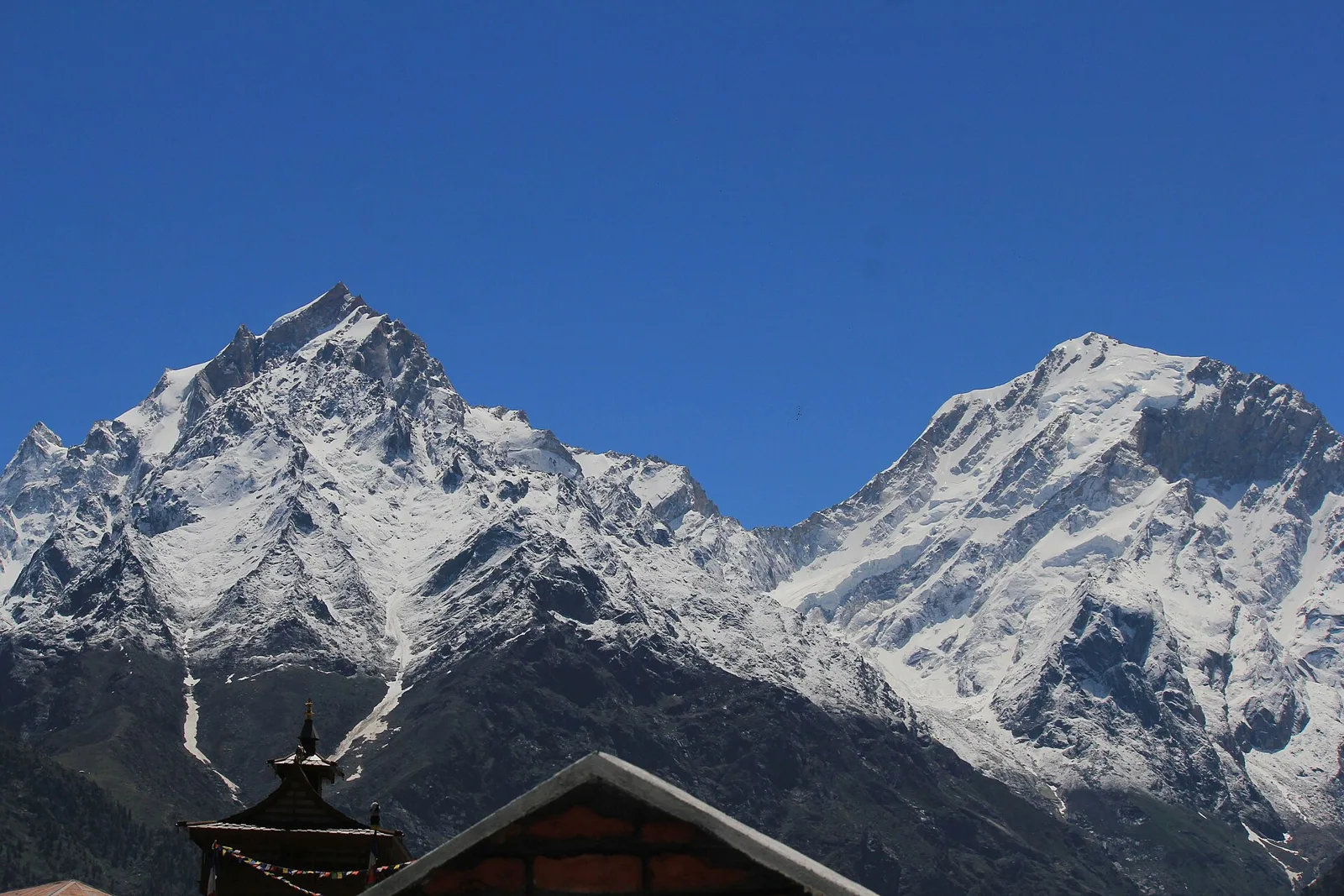
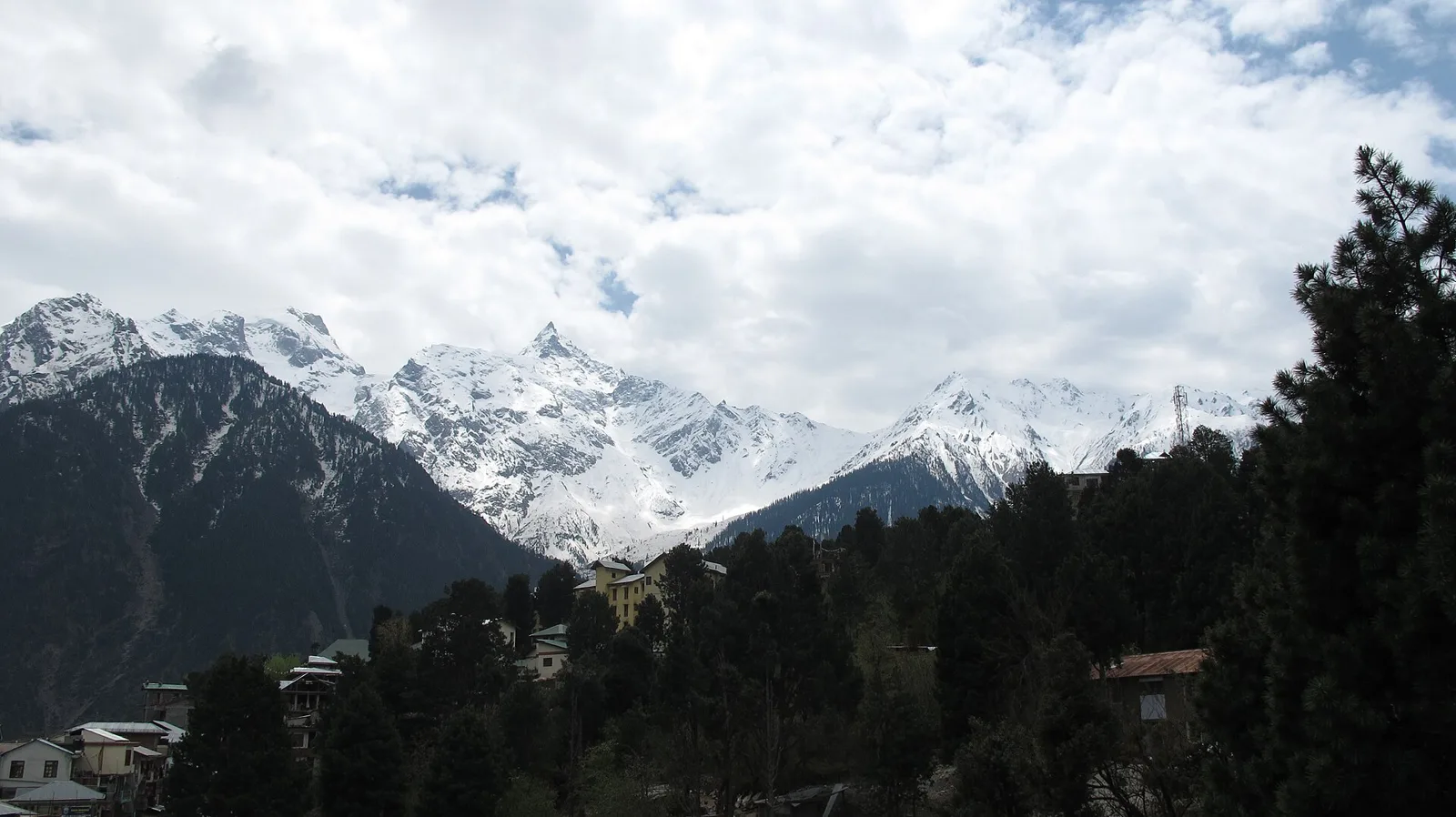
Phulaich is the flower festival of Kinnaur, celebrated when the high meadows above the villages are covered with the last wildflowers of the year. In September, before the first snow, villagers, especially young people, climb to the pastures and ridges above their villages to gather alpine flowers. They bring them down in baskets and garlands and offer them to the village deity in a ritual that thanks the mountains for the summer and prays for a safe winter. Below, the village prepares for the return of the gods' blessings with feasts, songs and dances. The festival is intimate rather than large: there are no grand stages, and the celebration takes place in village courtyards, temples and fields. Kinnaur lies beneath the great massif of Kinner Kailash, which locals regard as the home of Shiva, and the surrounding landscape gives the festival a strong sense of place. For visitors, Phulaich is a chance to see a village festival that is still lived rather than staged.
Origins and legend

Phulaich has few written histories, because Kinnaur's culture has been handed down mainly through oral tradition, and the accounts differ from village to village. What most people agree on is the idea at the heart of the festival: the mountain deities are believed to spend the summer in the high pastures, and the flowers that bloom there are their gift to the villagers. Picking them and bringing them down to the temple is therefore a form of thanksgiving and also a way of bringing the blessing of the high mountains into the village before winter closes the passes.

The festival also reflects Kinnaur's mixed religious inheritance. Kinnauri society has long combined Hindu worship of Shiva, Durga and local gods with Buddhist practice and older beliefs about mountain and nature spirits. Phulaich sits comfortably across these traditions. In some villages it is called Ukhyang, and different stories of its beginnings are told, such as a hero who brought flowers from the mountain for a goddess, or a time when a hard winter was followed by a good harvest. Rather than a single founding event, Phulaich seems to grow out of a way of living with the seasons, and its meaning is renewed each year as people go up to the meadows and return with flowers.

How it is celebrated

On the main day, villagers set out early for the high pastures, often walking for several hours. They collect flowers in baskets and in bundles, taking care to leave some behind, and make garlands to wear on caps and clothing. Returning to the village, they gather at the temple, where the priest receives the flowers and offers them to the village deity, usually with prayers and sometimes with a procession around the temple. Households decorate their homes and prepare special food. In the evening, people gather in the village square for songs and dances, and relatives from other villages join in. In some villages the deity is brought out in a palanquin and carried through the village, and the garlanded procession is the most visible event of the day.

The cultural days

Phulaich's cultural side is a village affair. In the evenings the community gathers to sing and dance, with circle dances in which men and women hold hands or shoulders and move together to the rhythm of drums and pipes. Songs are about the seasons, love, and stories from the mountains, and older villagers pass them to younger ones. Elders may recount local legends or tell stories about the deities. Families share food and local drinks such as chhang, a mild barley or rice beer, and apricot-based drinks, usually in moderation and within the community. Because the festival is not organised for tourists, there is no fixed schedule, and visitors are welcome as guests if they show respect and ask before joining in. The best way to appreciate the cultural days is to listen, watch and help where invited.

The pilgrimage days

For many people, Phulaich is a day of worship as well as celebration. The walk up to the meadows is itself a pilgrimage, with stops at small shrines along the path, and the offering of flowers at the temple is the central act. Villages across Kinnaur have their own temples, such as the Chandika Devi temple at Kothi near Kalpa and the Bering Nag temple in the Sangla valley, and devotees may visit these shrines around the time of the festival. The Kinner Kailash peak, regarded as the abode of Shiva, is the focus of an arduous pilgrimage in August, and its presence gives the season a spiritual character. After the temple rituals, families remember ancestors and offer thanks for the year's crops, and the day ends with community prayers.

Food and flavours

Kinnaur's food is shaped by altitude and by what grows in the short summer. During Phulaich, households prepare traditional dishes using local ingredients. Buckwheat, called ogla, and the grain phaphra are made into breads and pancakes and eaten with ghee or local chutney. Barley and wheat are used for siddu-style steamed breads, and legumes and potatoes are cooked with spices such as black cumin, a regional favourite. Kinnaur is famous for its apples, apricots and walnuts, and dried apricots and chilgoza pine nuts are shared as snacks. Meat dishes, particularly of mutton, may be prepared for feasts. For drinks there is butter tea, in the Tibetan style, and chhang made from fermented barley or rice. Meals are usually cooked at home and shared among extended families, so the best way to taste them is by being invited by a host. Hospitality is generous, but visitors should accept food with thanks and avoid wasting it.

Music, dance, art and dress

The music of Phulaich is simple and communal. Villagers sing folk songs in the Kinnauri language, often in call-and-response style, and accompany them with drums, long horns and flutes. Circle dances, in which participants move in a line or ring, are the main dance form, and the pace slowly builds through the evening. Some villages have dances performed by costumed groups, in which men and women wear their finest clothes.

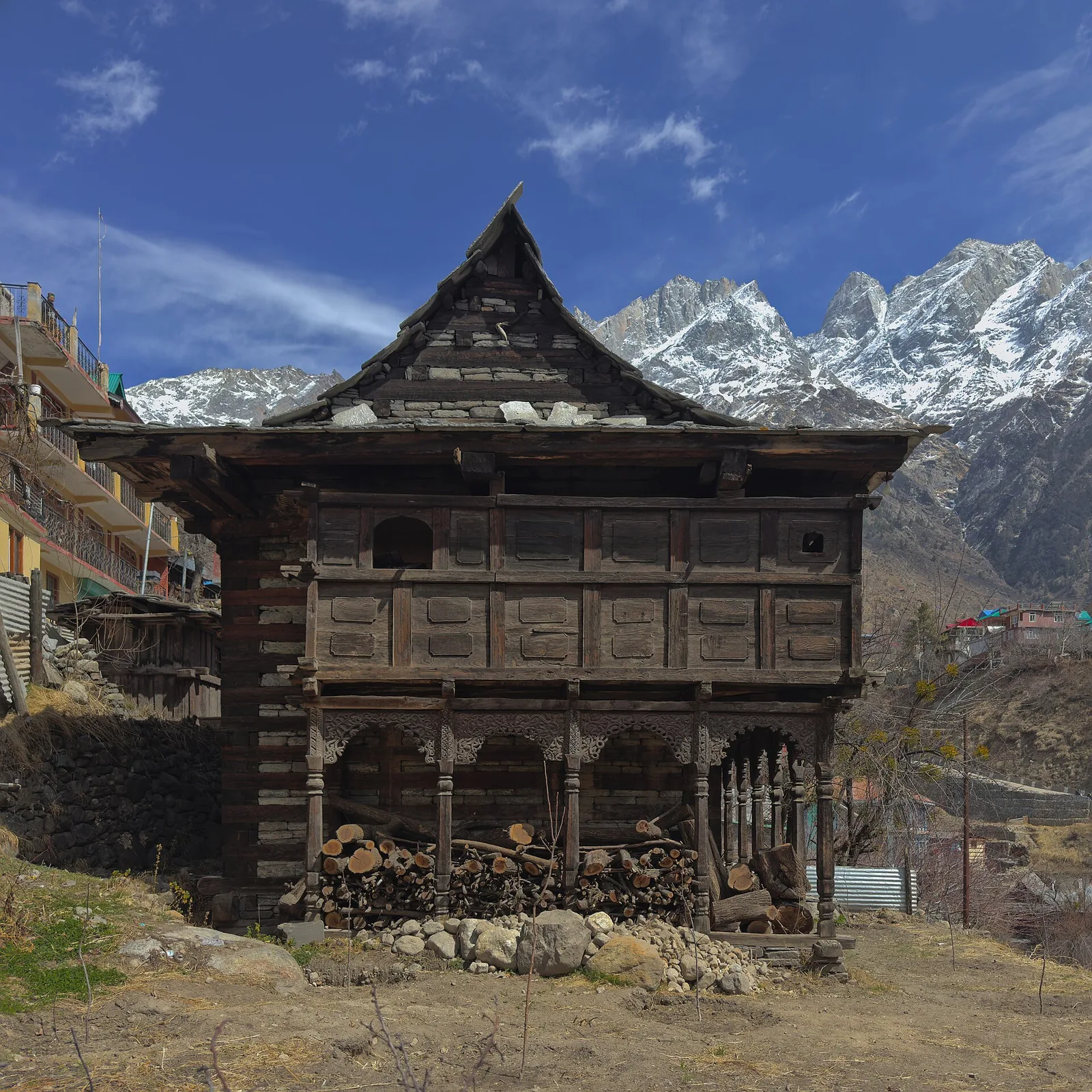
Traditional dress is a point of pride. Men wear the Kinnauri cap, known as thepang, usually with a coloured band, and a woollen coat called a chhuba. Women wear the dohru, a wrap pinned at the shoulder with silver brooches, and silver necklaces, bangles and head ornaments. Flowers are worn on caps and in hair, and garlands decorate the temple and deity. Kinnaur is also known for wood carving on temple doors and houses, and for woollen weaving, which can be seen in village homes during the visit.

Where to experience it

Phulaich is a village festival, so the best places to experience it are the villages of Kinnaur themselves, and the dates and customs vary. Kalpa, at about 2,750 m, is a popular base with views of Kinner Kailash and several temples. The Sangla valley, with its apple orchards and the Bering Nag temple, and Chitkul, one of the last villages before the Tibetan border, are other good bases. Reckong Peo, the district headquarters, is the main town and has information about local events. Visitors are advised to ask the district tourism office or the local hosts in advance about where the festival is being observed, since it is not held in a single place. Walks through apple orchards and along mountain paths are a good complement to the festival.

Visitor guide

  • Getting there. Reckong Peo is about 230 km from Shimla by the Hindustan–Tibet highway, a journey of nine to ten hours. The nearest airport is Shimla (Jubbarhatti), and the nearest main railheads are Kalka and Shimla.
  • Where to stay. Kalpa, Sangla and Reckong Peo have guest houses and homestays. Book early in September, as this is also apple and trekking season.
  • What to wear and pack. Days can be sunny but evenings are cold. Bring layers, a warm jacket, sturdy shoes, a hat, sunscreen and rain protection.
  • Etiquette. Ask before photographing people or temples, and follow local rules about dress and shoes. Do not pick flowers on your own in the meadows, as this is part of the community's ritual.
  • Safety and comfort. Altitude can cause headaches, so take time to acclimatise. Roads can be affected by landslides. Some border areas of Kinnaur require permits for foreign nationals, so check with local authorities.

Today and tomorrow

Phulaich remains a village festival, shaped by the seasons. Roads and tourism have brought change, and younger people increasingly work away from the villages, so the community is making efforts to keep the songs and dances alive. Climate change is a concern too, since the timing and abundance of wildflowers in the high meadows are changing. A respectful kind of tourism, led by local hosts, may help to support the festival without turning it into a show.

Nearby

Places to see around the festival