
District · Himachal Pradesh
Kullu
Kullu occupies a broad stretch of the Beas valley and its adjoining valleys in central Himachal Pradesh, linking lower hill country with high Himalayan routes.
Kullu district stretches across the Beas valley and adjoining mountain valleys in Himachal Pradesh, with forested slopes, orchards, villages and high Himalayan approaches. Kullu town is the district headquarters, while Manali is a major visitor base farther up the valley. Naggar Castle recalls the area's former rulers, and Hidimba Devi Temple, also called Dhungari Temple, reflects the importance of local sacred traditions. Village deities and the celebrated Kullu Dussehra remain central to the district's cultural identity. Beyond the main valley, Tosh offers a different village setting in the Parvati valley region. Solang Valley and the seasonal approach to Rohtang Pass reveal the district's higher mountain landscape, where weather strongly shapes travel.
Kullu occupies a broad stretch of the Beas valley and its adjoining valleys in central Himachal Pradesh, linking lower hill country with high Himalayan routes. Travellers come for the contrast between river towns, orchard villages, forested slopes and mountain settings, as well as for the region’s living traditions of village deities. Kullu Dussehra is a major cultural gathering, while Naggar Castle recalls the area’s former rulers. Manali is a well-known base for visiting Hidimba Devi Temple, Vashisht and Solang Valley; farther afield, the Parvati valley settlements and Great Himalayan National Park offer different landscapes and ways to explore the district.
Kullu’s history is closely tied to a local kingdom whose rulers governed the Beas valley and surrounding areas. Naggar is associated with the kingdom’s earlier political centre, while the seat of power later shifted to Sultanpur, in present-day Kullu town. Local temples, village-deity traditions and Naggar Castle preserve parts of this regional past, though their histories span different periods. In the nineteenth century, the area came under Sikh rule and then British control following the Anglo-Sikh conflicts. Under British administration, Kullu was governed as part of Kangra district. After India became independent, it formed part of Himachal Pradesh, which was established as a Chief Commissioner’s Province in 1948. Kullu became a separate district in 1963, before Himachal Pradesh attained statehood in 1971. The district’s history is also shaped by its mountain communities, whose customary practices and local institutions remain important alongside formal political changes.
13 destination guides · 10 on the map
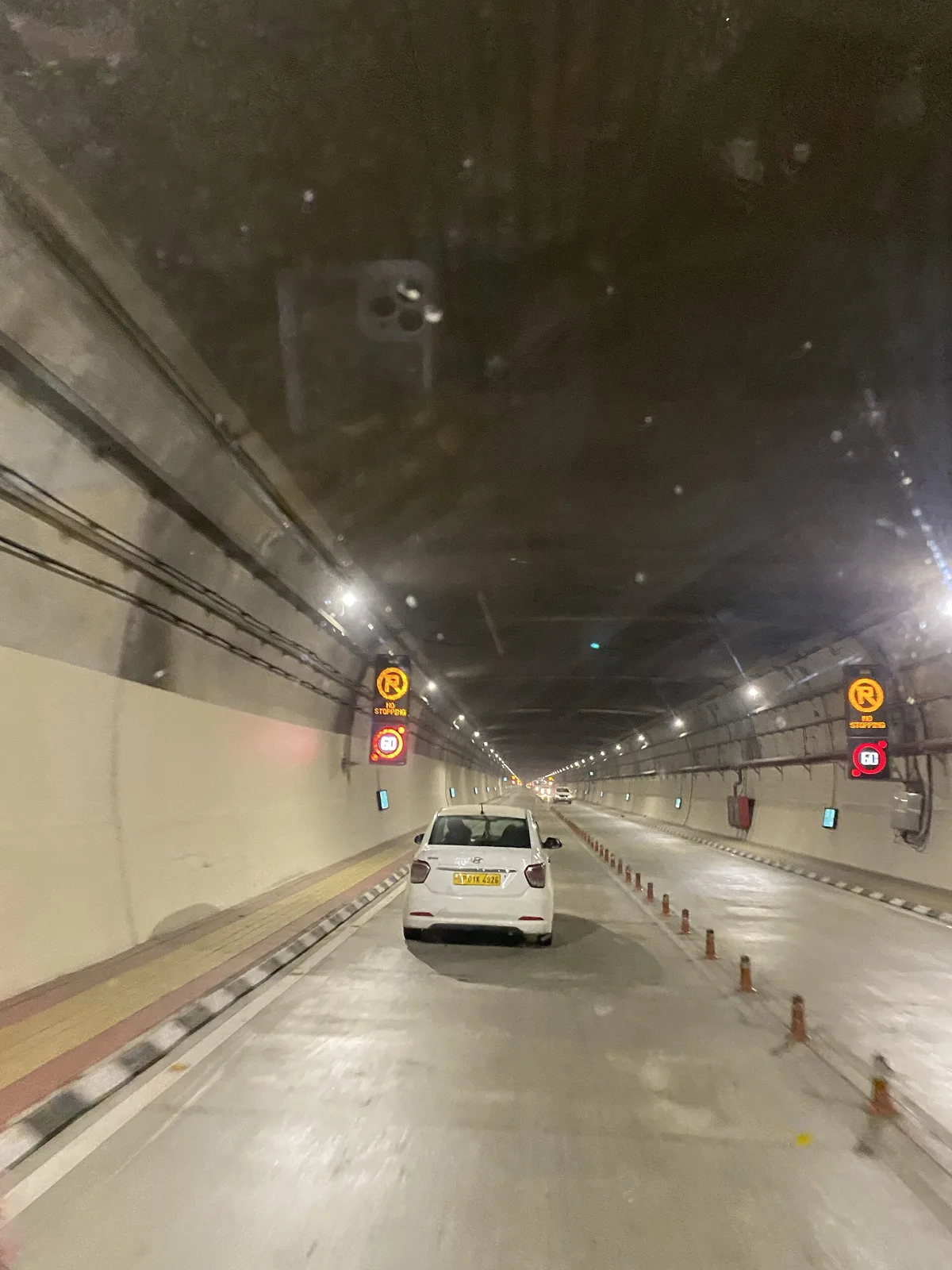
Atal Tunnel
Atal Tunnel is a high-altitude road link between Manali and Keylong in Himachal Pradesh. Travellers use it to avoid Rohtang Pass and shorten the journey towards Leh.
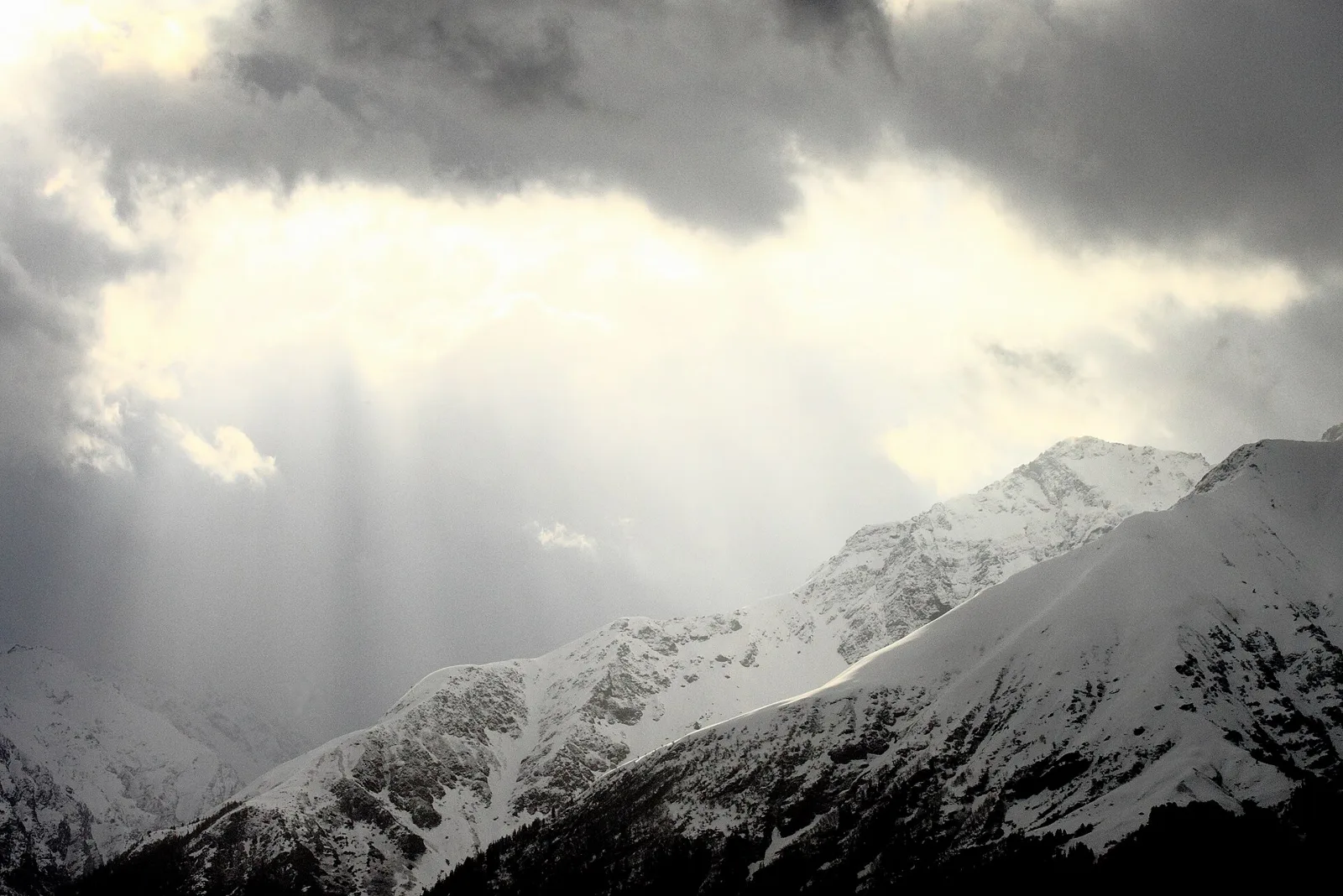
Great Himalayan National Park
This protected area in Kullu district, Himachal Pradesh, is known for its varied plant and animal life and UNESCO World Heritage status, attracting visitors interested in nature and wildlife.
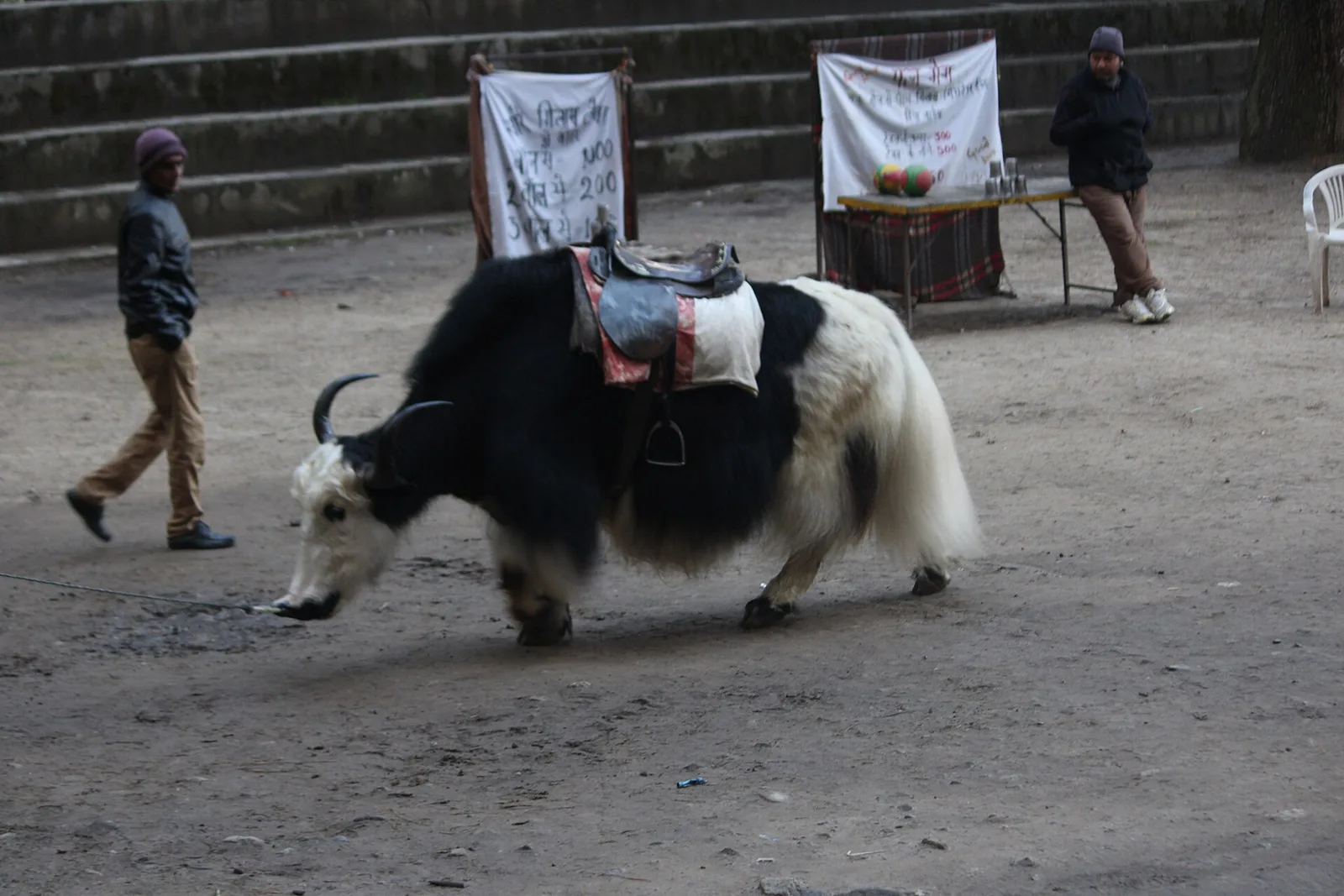
Hidimba Devi Temple
This Hindu shrine in Manali’s Kullu district is associated with Hidimbi, the Mahabharata figure and Bhima’s wife. Visitors come to see the historic temple amid cedar woodland.
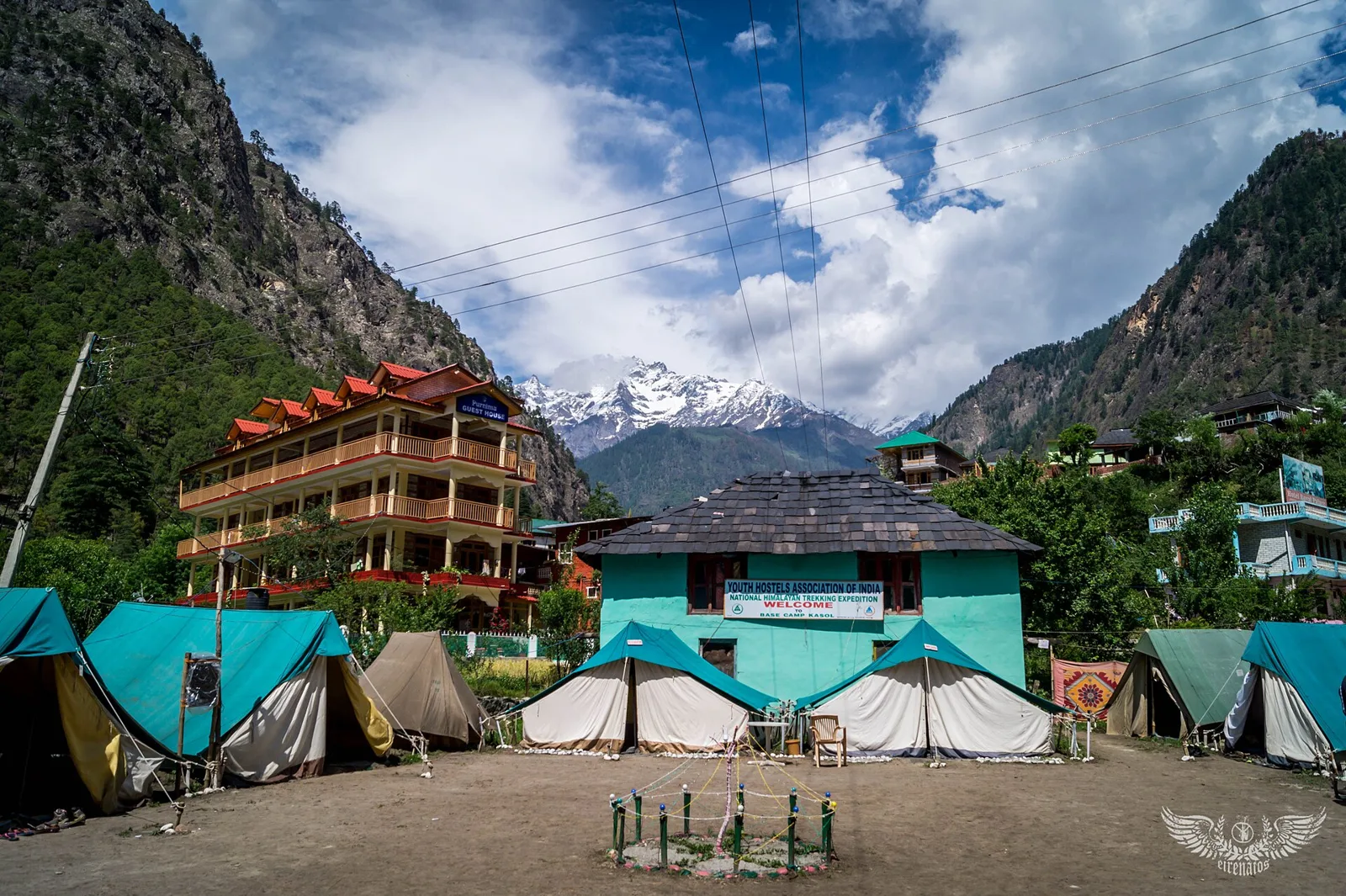
Kasol
Kasol is a hamlet in Himachal Pradesh’s Kullu district, in Parvati Valley. Backpackers visit and use it as a base for treks to Malana and Kheerganga.
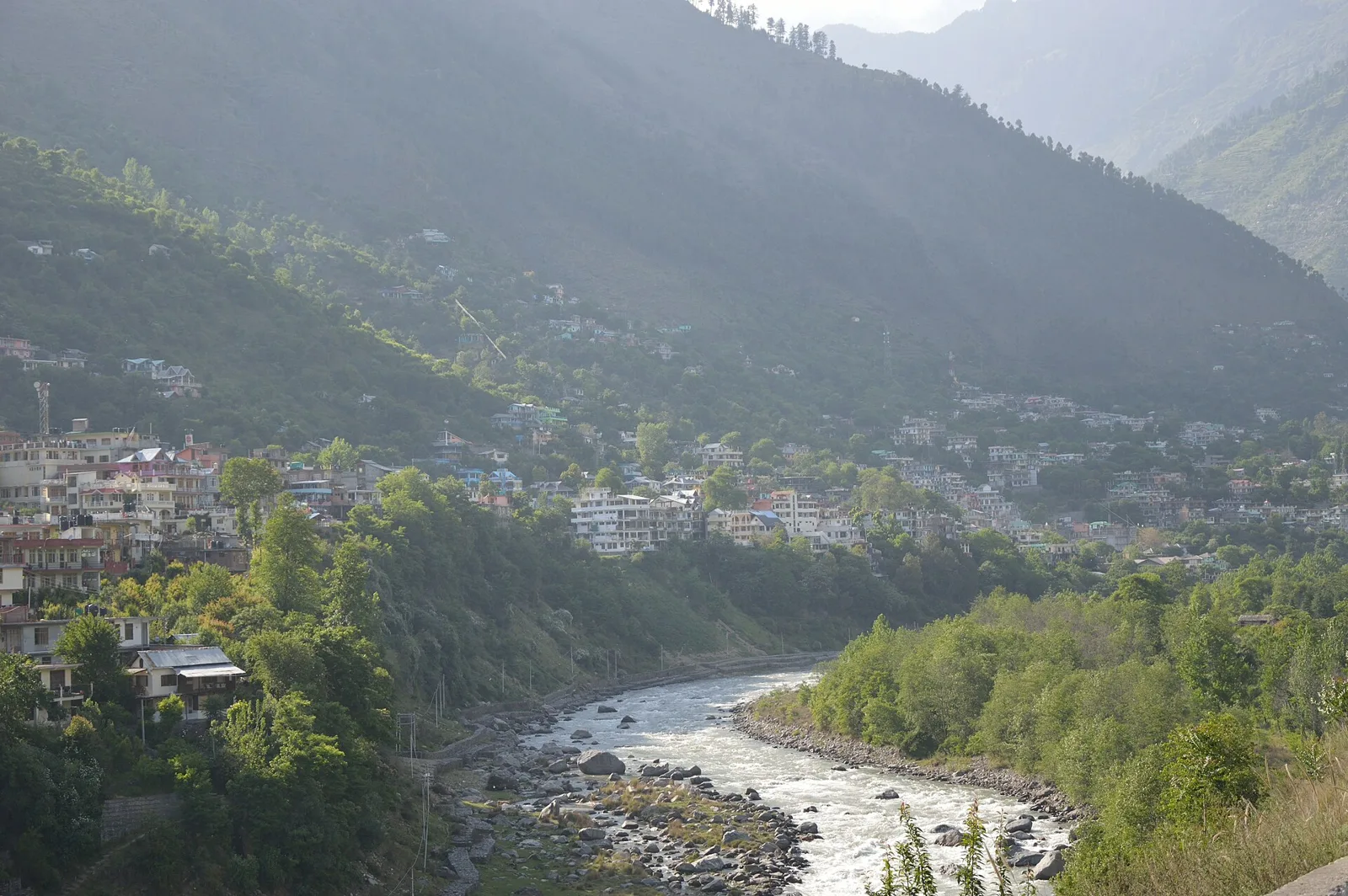
Kullu
Kullu is a town in Himachal Pradesh and the headquarters of its district. Visitors are drawn to its Beas Valley setting, wooded slopes, riverside settlements and surrounding Himalayan ranges.
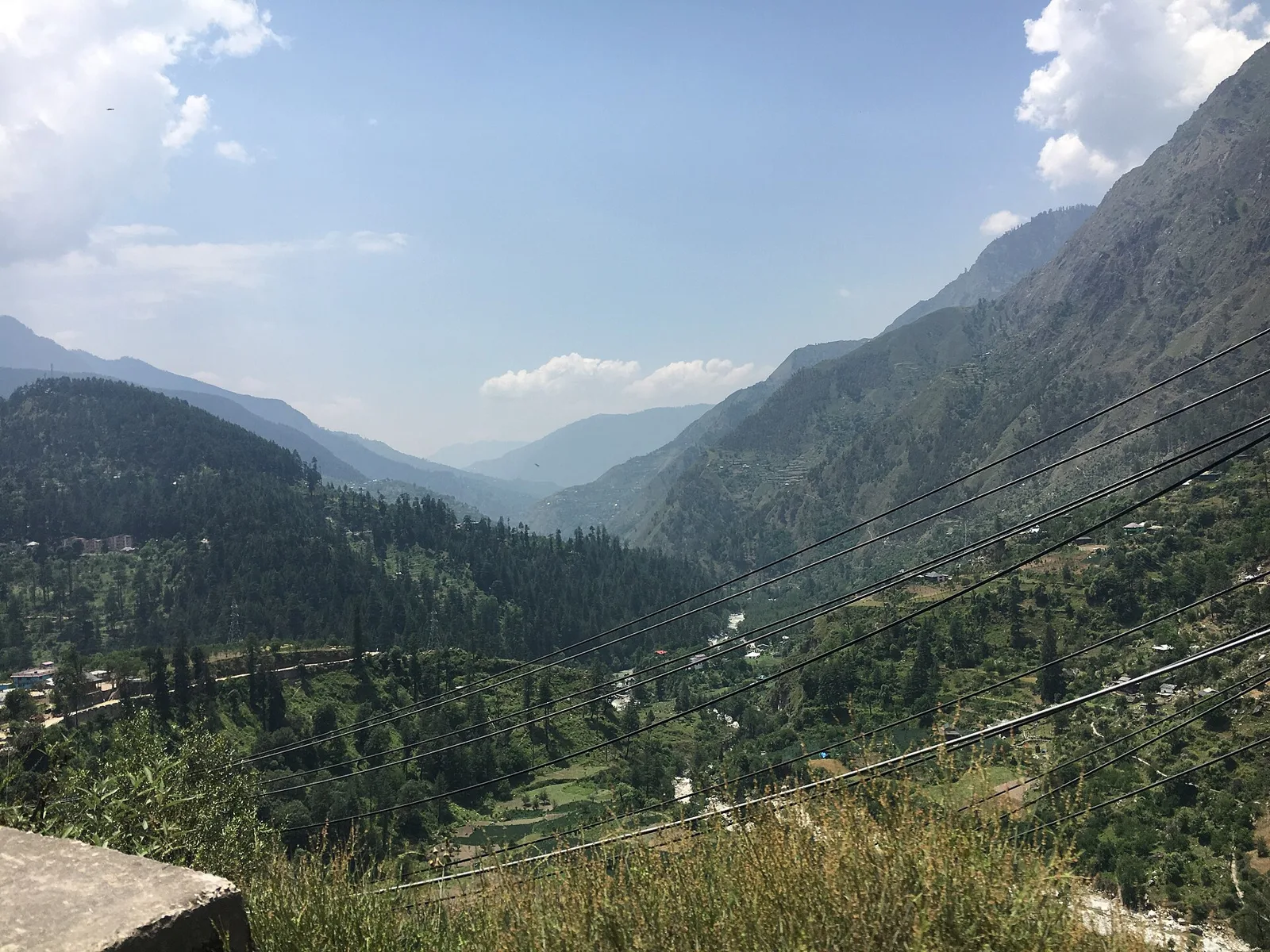
Malana
Malana is a remote village in Kullu district, Himachal Pradesh, where visitors encounter a distinct community, the Kanashi language and closely observed customs in a high mountain setting.
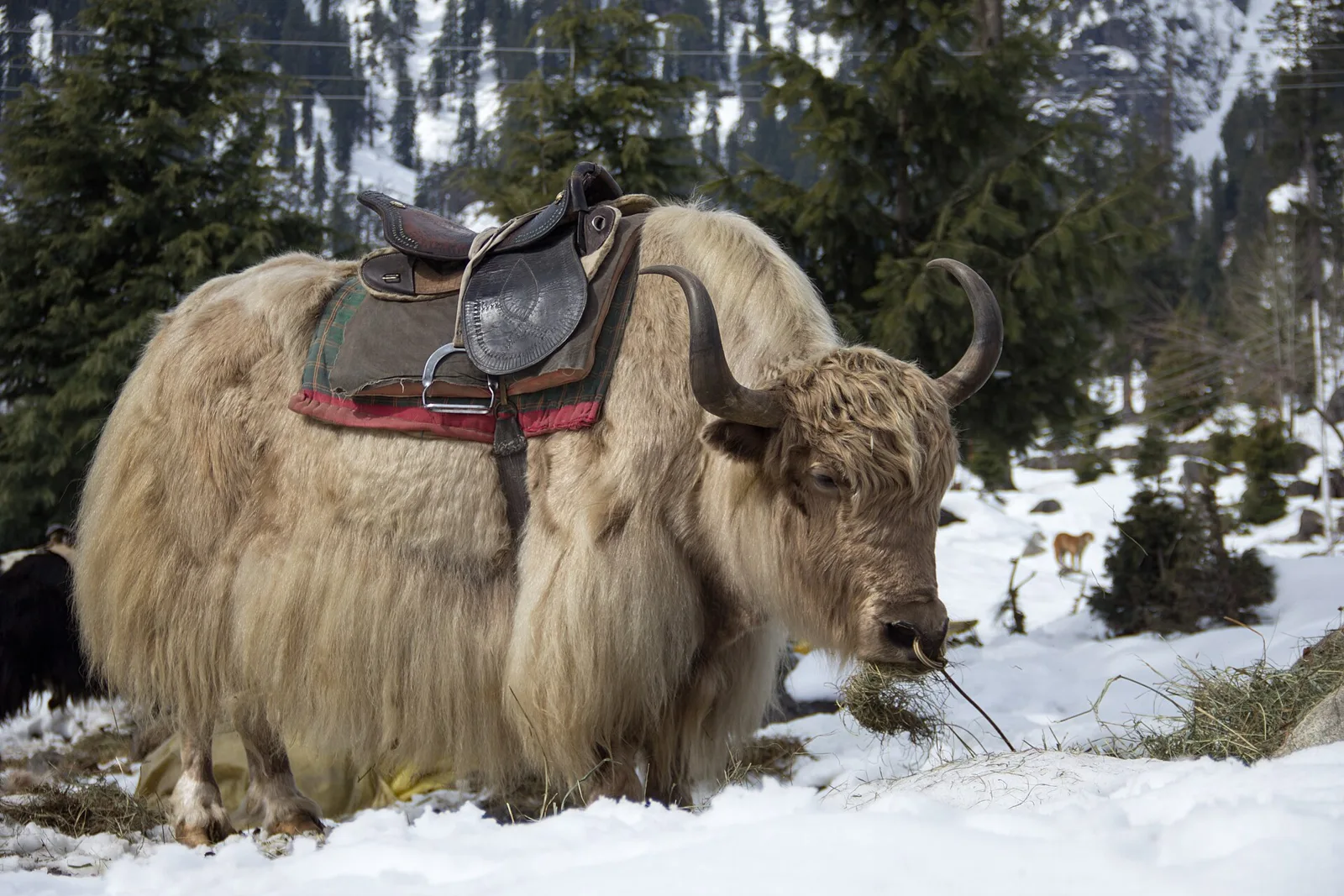
Manali
Manali is a resort town in Himachal Pradesh’s Kullu district, drawing visitors to the Kullu Valley and serving as a starting point for journeys towards Lahaul, Spiti and Leh.
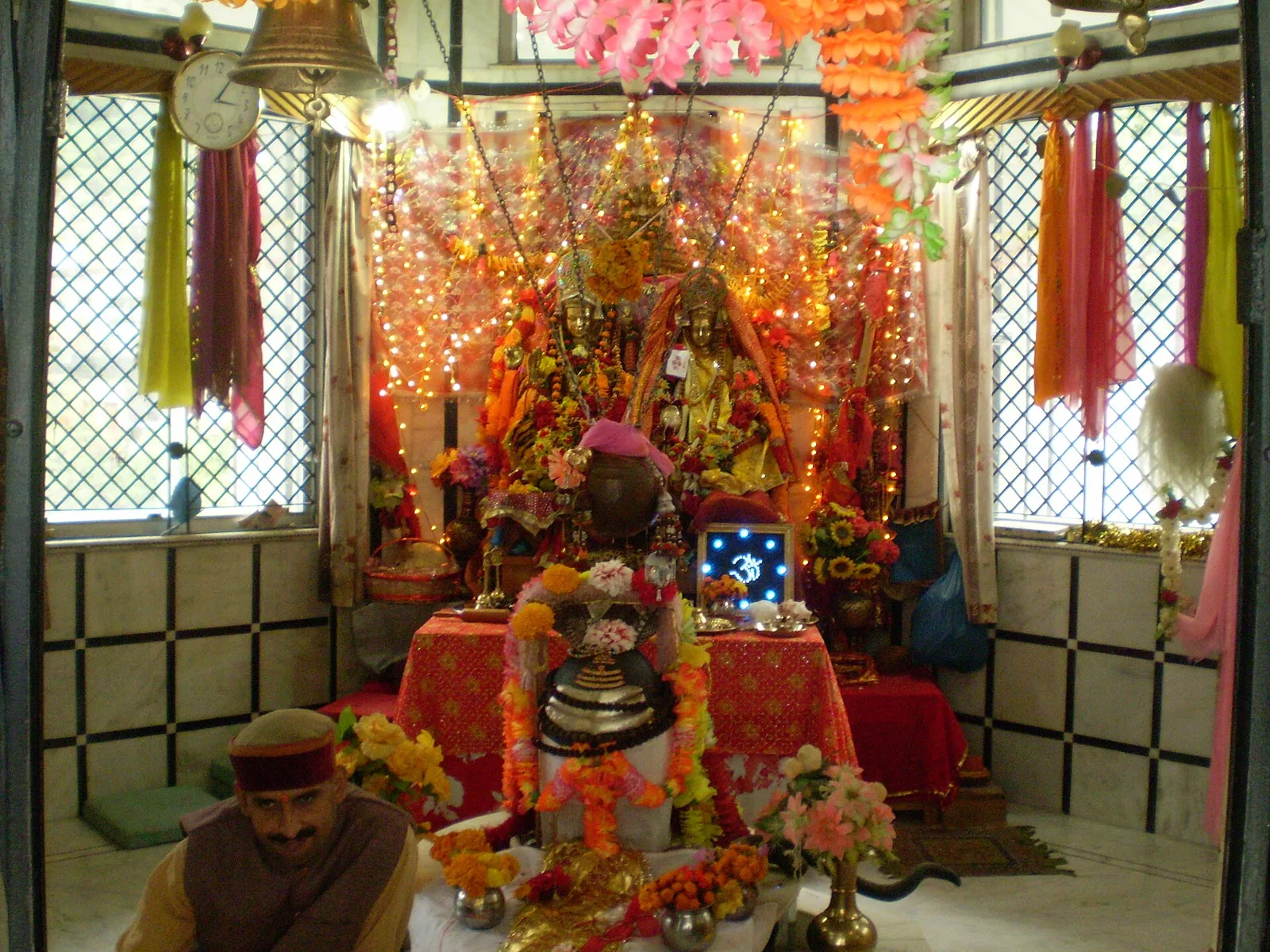
Manikaran
Manikaran is a settlement in Himachal Pradesh’s Kullu district, within the Parvati Valley. Visitors come for its hot springs and pilgrimage centres, and an experimental geothermal energy plant is also located there.
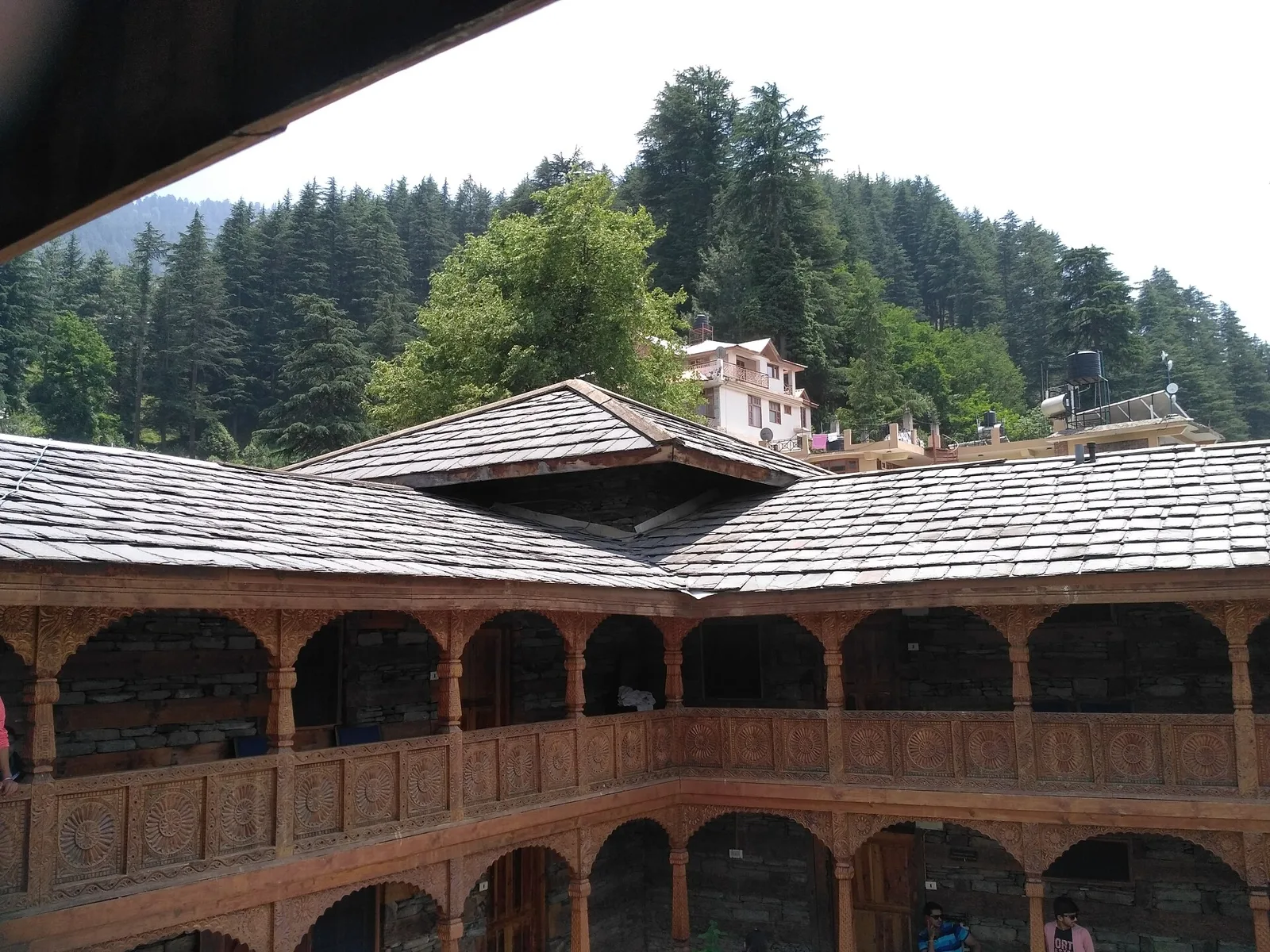
Naggar Castle
A medieval castle in Kullu district, Naggar Castle is visited for its historical origins and its later use as a heritage hotel operated by HPTDC.
Food in Kullu draws on the wider culinary traditions of Himachal Pradesh. Look for siddu, a steamed stuffed bread, and madra, a yoghurt-based preparation often made with pulses. Dham is a traditional festive meal rather than a single dish; its menu varies across the state and with the occasion. Babru and chha gosht are other regional foods worth asking about, while trout appears on menus in the valleys. Apples and apricots are best enjoyed in season. Small eateries may prepare only a limited daily selection, so ask what is fresh. Carry drinking water and snacks when travelling to remote sites.
Kullu is especially associated with woollen shawl weaving, recognised for patterned borders that contrast with plainer woven fields. Shawls, stoles and woollen caps are practical expressions of the region's mountain clothing traditions as well as popular purchases. When shopping, ask whether an item is handwoven and what fibres it contains; products sold locally are not necessarily made locally. Woodcarving and timber building traditions also belong to the wider western Himalayan cultural landscape. Historic temples and buildings such as Naggar Castle offer opportunities to observe regional craftsmanship in its architectural setting.
Kullu Dussehra is celebrated in autumn, usually in October, and draws village deities and visitors to Kullu town for processions and gatherings. The event can make the town especially busy, so arranging a room well ahead is sensible. Smaller deity fairs and seasonal temple festivals take place in villages across the district, with timing varying by local tradition. The spring Dungri fair near Hidimba Devi Temple is another regional celebration. These gatherings can bring short-lived increases in local traffic and accommodation demand, particularly around the main venues.
In this district
Elsewhere in Himachal Pradesh
- Minjar MelaDates to be announced · Seasonal
- International Shivratri Fair, MandiDates to be announced · Seasonal
- Lavi FairDates to be announced · Seasonal
- PhulaichDates to be announced · Seasonal
- Losar & HaldaDates to be announced · Seasonal
- Shri Renuka Ji FairDates to be announced · Seasonal
- Shoolini MelaDates to be announced · Seasonal
The Beas valley runs through the district, with steep forested slopes, terraced settlements and orchards rising toward high mountain terrain. The Parvati valley and the approaches toward the Pir Panjal add narrower valleys, rivers and snow-prone passes to the landscape. The Great Himalayan National Park protects extensive mountain forests and habitats in the district. Roads follow river valleys and cross exposed slopes, so journeys can be slow and vulnerable to landslides, snowfall or road works. Conditions and access change sharply with altitude and season.
Kullu has marked seasonal changes. Summer, from roughly April to June, is generally mild in the main valleys and suits sightseeing, while higher areas can remain cold. The monsoon, usually from July into September, brings rain that can trigger landslides and disrupt roads. Autumn is often clearer, and winter brings cold conditions, with snowfall possible at higher elevations and on mountain routes. April to June and September to November are commonly convenient periods to visit, though conditions vary by altitude. Pack layers, a warm outer layer, rain protection and sturdy footwear; carry sun protection for exposed mountain areas.
Bhuntar Airport, also known as Kullu–Manali Airport, is the district's main air gateway; confirm flight availability before planning around it. Joginder Nagar is a nearby narrow-gauge railhead, but Chandigarh and Kalka are often more practical gateways for onward road travel. Road services connect Kullu and Manali with Chandigarh, Delhi and other Himachal towns, generally approaching through Mandi. HRTC buses, private buses and taxis serve the main valley, with more limited connections to smaller villages. Allow extra time for winding roads, traffic and weather disruptions. Rohtang access is seasonal and may require permissions. Check current services locally.
The main road follows the Beas valley between Kullu and Manali, with routes branching toward Naggar and the Parvati valley. Local buses serve principal towns and some villages, while shared jeeps and taxis can reach places with less frequent bus service. Autos operate in some town areas, but are not a reliable option for longer valley journeys. Manali is a practical starting point for Vashisht, Solang Valley and seasonal high-mountain access. Smaller roads may be narrow, crowded or affected by weather, so leave flexibility in travel plans and confirm local transport conditions before setting out.
2 days: Kullu → Naggar Castle → Manali → Hidimba Devi Temple; sleep: Manali (night 1). 3 days: Manali → Vashisht → Solang Valley → Atal Tunnel; sleep: Manali (nights 1–2). 4 days: Kasol → Manikaran → Tosh; sleep: Kasol (night 1), Tosh (night 2), Kasol (night 3).
Kullu town suits travellers exploring the lower Beas valley, while Manali is the most convenient base for Hidimba Devi Temple, Vashisht and Solang Valley. Naggar and the Parvati valley settlements offer quieter village stays and access to nearby walks. Accommodation ranges from hotels and guesthouses to homestays; government lodges and dharamshalas are available in some places. Options become more limited in smaller villages and during busy festival periods, so booking ahead is useful. Choose a base with road access appropriate to your route and season.
Mountain roads are winding and can be affected by landslides, snow, traffic or sudden weather changes; allow extra time and avoid driving unfamiliar routes in poor conditions. At high elevations, take time to adjust and turn back if you feel unwell. Use caution near rivers and steep trails, and do not approach wildlife or feed it. Choose treated or reliably safe drinking water. Mobile coverage is uneven, especially in remote valleys. Rohtang access and other high-route arrangements can change seasonally; confirm current requirements officially. Trekking access in the Great Himalayan National Park is regulated, so check permit and route rules with park authorities before setting out.
- Mandiabout 64 km
- Lahaul and Spitiabout 78 km
- Kangraabout 83 km
- Chambaabout 93 km
- Bilaspurabout 113 km
- Shimlaabout 127 km
- Kinnaurabout 130 km
- Rupnagar · Punjababout 130 km
Straight-line distance between the centres of each district's destinations; road distance is longer.
Q: How many days should I spend in Kullu district? A: Two or three days can cover the main Kullu–Manali area; allow four days or more to include a separate valley such as Parvati. Q: When is the best time to visit? A: April to June and September to November are often convenient, but check seasonal road and weather conditions. Q: What is the best base for sightseeing? A: Manali is practical for the upper Beas valley sights; Kullu town or Kasol can suit other routes. Q: How do I get to the district? A: Bhuntar Airport is the main air gateway. Road buses and taxis connect the district with other Himachal towns and major cities; confirm current services. Q: Is Kullu suitable for families or elderly travellers? A: Yes, especially in the main towns, but steep terrain, altitude and winding roads may make some outings tiring. Choose accessible stops and allow plenty of rest.
This page draws on our 13 destination guides for Kullu and is updated as our team checks it.
Be the first to share photos, stories, advice or a helpful contact for Kullu.
Loading…