

District · Himachal Pradesh
Mandi
Mandi is a central Himachal Pradesh district where the Beas valley and mountain routes connect the lower hills with the Kullu region.
Mandi district brings together river valleys, wooded slopes, mountain villages and high lakes in central Himachal Pradesh. Its principal city, Mandi, formerly Mandav Nagar, stands beside the Beas and is known for its temples and historic role as the seat of a princely state. Beyond the urban centre, the district offers contrasting landscapes and cultural settings: Rewalsar, also called Tso Pema, is a lake settlement sacred to Buddhists, Hindus and Sikhs, while Prashar Lake lies at about 2,730 metres. Barot reflects another strand of local history, having developed in the 1920s around the Shanan hydropower project. Together, these places reveal a district shaped by pilgrimage, mountain livelihoods and changing transport and infrastructure.
Mandi is a central Himachal Pradesh district where the Beas valley and mountain routes connect the lower hills with the Kullu region. Its principal city is known for historic temples and its former princely-state heritage. Travellers come for a mix of urban history, pilgrimage and mountain scenery: Rewalsar Lake is sacred to Buddhists, Hindus and Sikhs; Prashar Lake sits high in the hills; and Barot reflects the history of the Shanan hydropower project. The district suits visitors interested in varied landscapes and local culture, though journeys between its destinations can take longer than map distances suggest.
The history of present-day Mandi district is closely tied to the former princely states of Mandi and Suket, ruled by branches of the Sen dynasty. Mandi town is traditionally associated with Raja Ajbar Sen, who established it as a capital in the early sixteenth century; it later became an important centre of administration and temple building. The two states retained their rulers under British paramountcy rather than becoming ordinary districts of British India. Their political histories were shaped by relations with neighbouring hill states and, during the colonial period, the wider Punjab Hill States region. After Indian independence, Mandi and Suket joined other hill territories in forming the province of Himachal Pradesh in 1948, and the district took shape from their territories. Himachal Pradesh became a full state in 1971. In the twentieth century, roads and hydroelectric development added new links and livelihoods; Barot grew around the Shanan hydropower project, developed in the 1920s.
4 destination guides
Barot
Barot is a village in Himachal Pradesh’s Mandi district, first developed in connection with the Shanan Hydro Project. Visitors come for river angling, the trout breeding centre, and access to Nargu Wildlife Sanctuary and its trekking route towards Kullu.
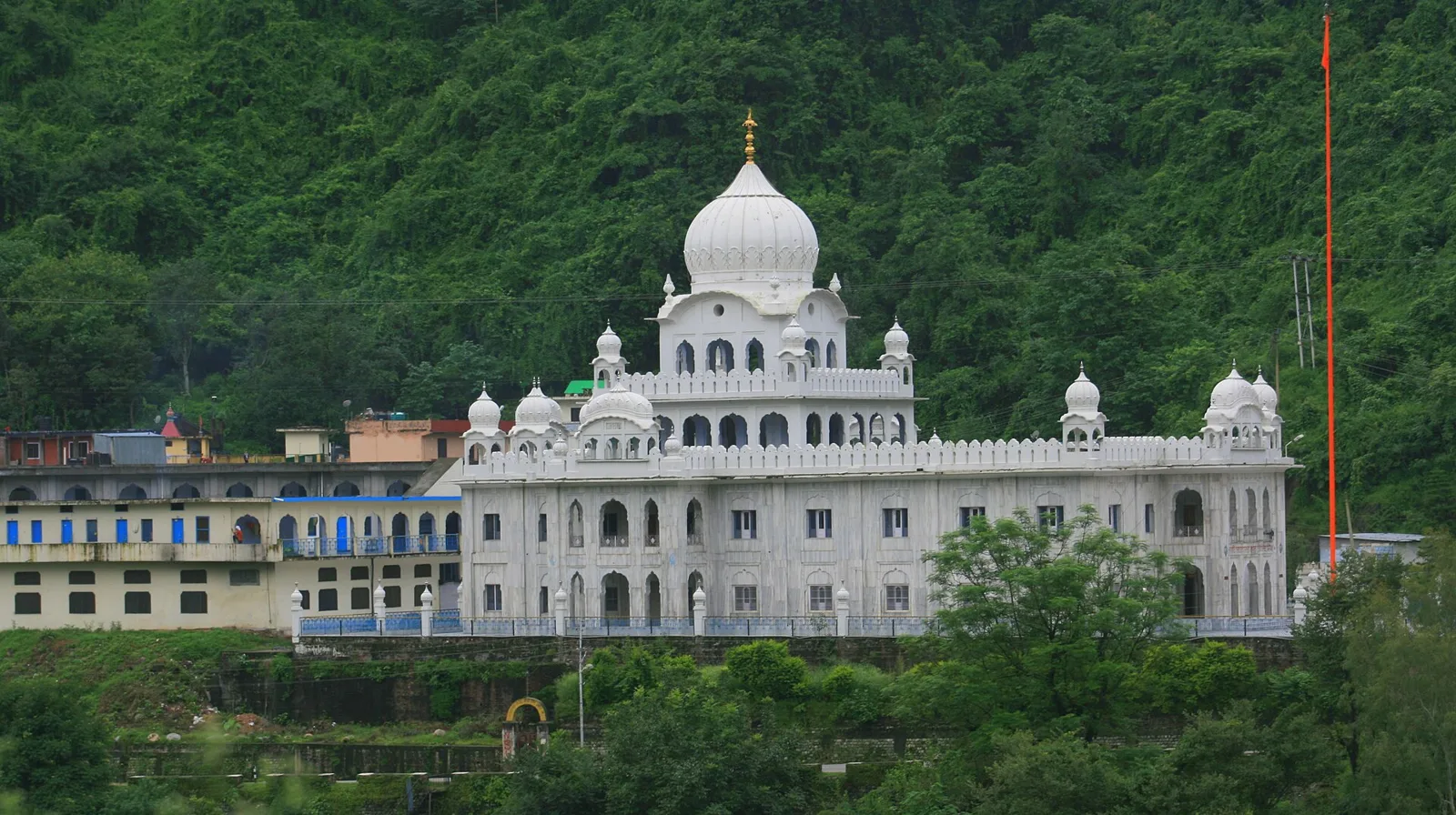
Mandi
Mandi is a city in Himachal Pradesh known for its Shivaratri fair, historic buildings and role as a starting point for the Prashar Lake trek.
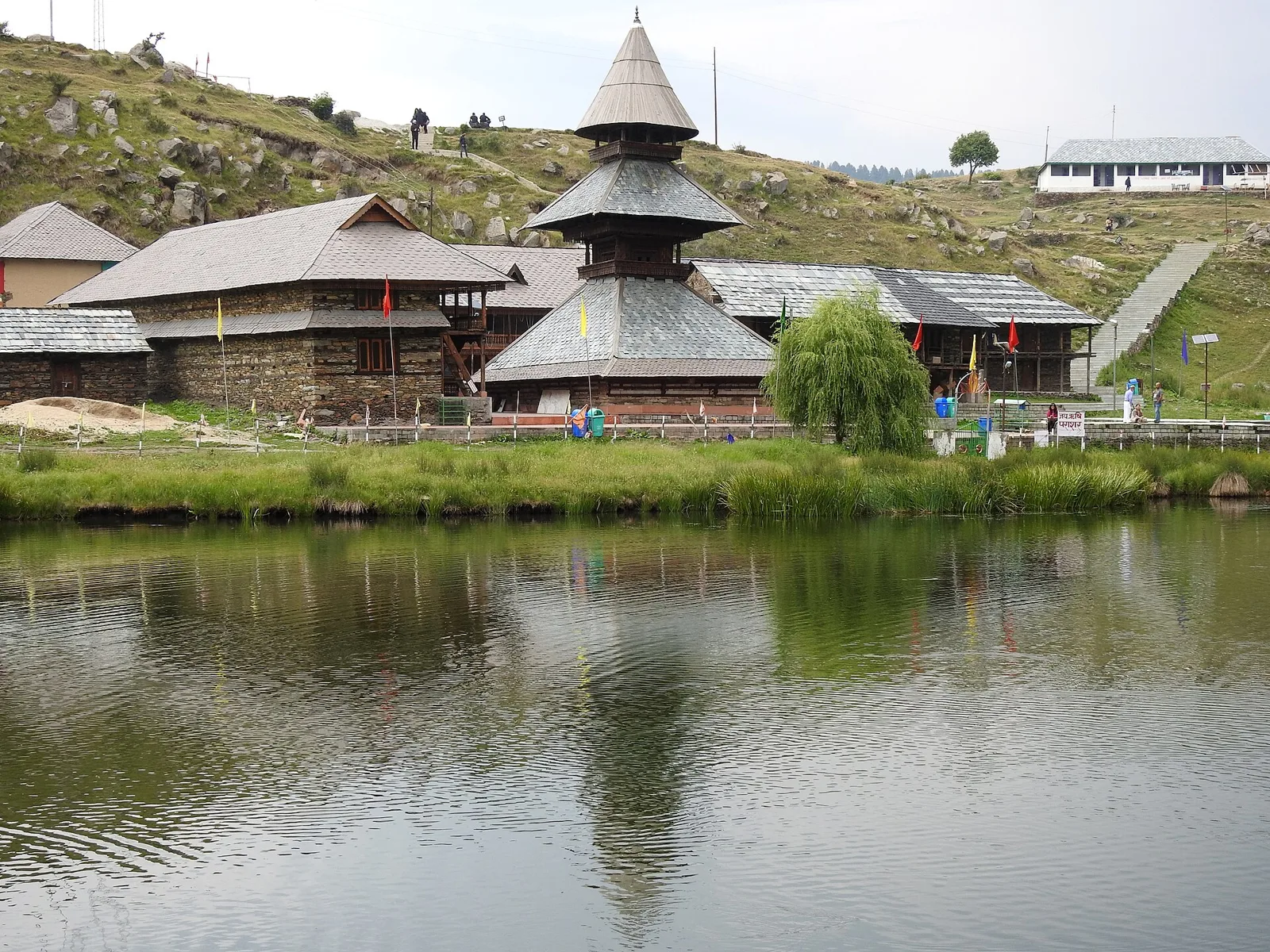
Prashar Lake
Prashar Lake is a freshwater lake in Himachal Pradesh’s Mandi district, high above sea level. Visitors come to see its floating island and the temple beside its shore.
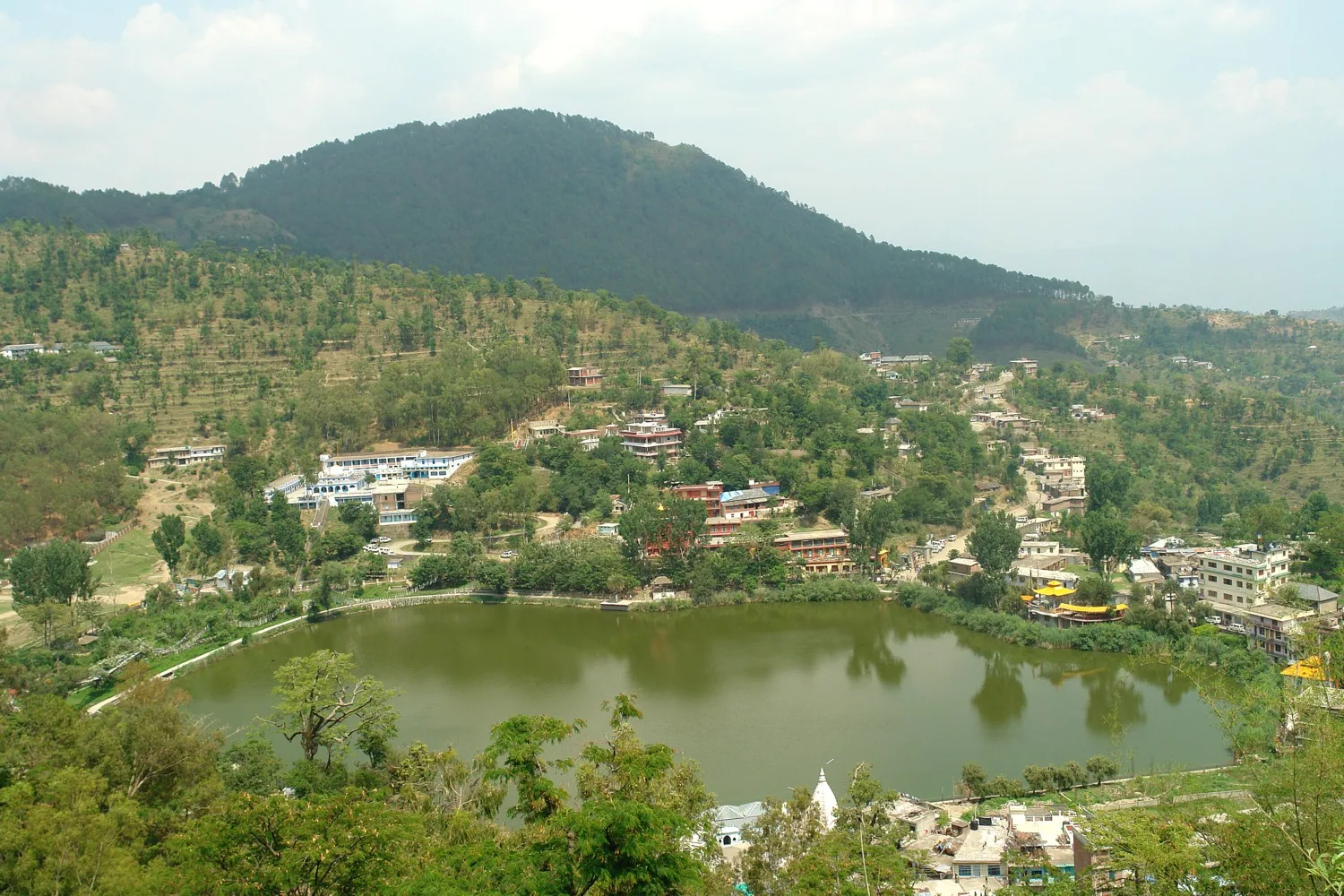
Rewalsar Lake
Rewalsar is a mountain lake in Mandi district, Himachal Pradesh, revered by Hindus, Sikhs and Buddhists. Visitors come for its religious sites and associations with Padmasambhava, Mandarava, Guru Gobind Singh and the Pandavas.
Food in Mandi belongs to the wider Himachali tradition, with substantial breads, pulses, rice and yoghurt-based preparations suited to mountain life. Look for siddu, a steamed stuffed bread, and madra, commonly made with legumes in a yoghurt gravy. Dham is a traditional festive meal rather than a dish necessarily available on every restaurant menu; preparations vary across Himachal. Babru, chha gosht and trout may also appear, depending on the kitchen and locality. Seasonal apples and apricots offer simple snacks. Ask small eateries what is freshly prepared, and carry water and food when visiting remote lakes or travelling long hill routes.
Mandi shares in Himachal Pradesh’s broader traditions of wool weaving, embroidery, woodcarving and metalwork. Woven shawls, blankets and woollen caps are practical expressions of mountain dress, although items sold locally may come from other Himachali districts. Traditional temple architecture provides opportunities to appreciate carved wood and decorative craftsmanship, while metal religious objects reflect the region’s devotional culture. In markets, ask where an item was made and whether it is handwoven or machine-produced. Treat these as regional traditions rather than crafts exclusive to Mandi.
Mandi Shivratri is the district’s best-known annual festival, usually held in February or March. Deities from surrounding areas are brought to Mandi in processions, and the celebrations draw pilgrims, visitors and local traders. The town can be busy and accommodation may be harder to secure, so booking ahead is sensible. Fairs also take place in other parts of the district, including seasonal agricultural and religious gatherings. Rewalsar’s religious communities observe their own occasions through the year; celebrations there may bring additional pilgrims, though the scale varies.
Elsewhere in Himachal Pradesh
- Kullu DussehraDates to be announced · Seasonal
- Minjar MelaDates to be announced · Seasonal
- Lavi FairDates to be announced · Seasonal
- PhulaichDates to be announced · Seasonal
- Losar & HaldaDates to be announced · Seasonal
- Shri Renuka Ji FairDates to be announced · Seasonal
- Shoolini MelaDates to be announced · Seasonal
The district spans the Beas valley, steep wooded slopes, cultivated terraces and higher mountain terrain. The Beas and its tributaries shape settlement and road corridors, while lakes such as Rewalsar and Prashar occupy distinct upland settings. Forests and villages are scattered across ridges and side valleys; Barot lies in a remote valley associated with the Uhl river. Roads follow valley contours and climb winding slopes, so travel between nearby places can be slow. Rain, landslides or snow can affect access, particularly on higher or narrower routes.
Mandi’s climate varies with elevation. Summer is generally a comfortable season for exploring the town and surrounding hills, while higher places can remain cool. The monsoon, usually from around June into September, brings rain that can cause slippery roads, delays and landslides. Winter is colder, especially at higher elevations, where snow or icy conditions may affect access. Spring and autumn are often practical periods for combining valley and mountain visits, though conditions change quickly at altitude. Pack layers, a rain jacket and sturdy footwear; carry warmer clothing for Prashar and other high areas. Check local road and weather conditions before setting out.
Bhuntar Airport, serving the Kullu–Manali area, is a nearby air gateway, with onward travel to Mandi by road. Joginder Nagar is the nearby narrow-gauge railway terminus; Chandigarh and Pathankot are useful broader rail gateways, depending on your route. Mandi lies on the main road corridor linking Chandigarh, Bilaspur and Kullu, with bus connections to major Himachali towns. Local buses and taxis serve district destinations, but reaching Barot, Rewalsar and Prashar Lake involves additional hill travel. Allow generous travel time, especially during rain or snow, and do not confuse map proximity with road access. Check current services locally.
Mandi town is the main road hub, with buses connecting it to other Himachali towns and services towards Kullu. Local buses and shared vehicles serve some settlements, but frequency and coverage vary, especially on side roads. Taxis are useful for Rewalsar, Prashar Lake and Barot, where the final approaches involve winding mountain roads; arrange return plans before travelling. Auto-rickshaws may be available for short journeys within Mandi town. There is no need to assume that a destination close on a map is quick to reach. There are no regular passenger boat services to rely on at the district’s lakes.
2 days: Mandi → Rewalsar Lake; sleep in Mandi on the first night. 3 days: Mandi → Prashar Lake → Mandi; sleep in Mandi on both nights. 4 days: Mandi → Rewalsar Lake → Barot; sleep in Mandi, Rewalsar Lake, then Barot.
Mandi is the most practical base for temple visits, road connections and a short trip to Rewalsar Lake. Rewalsar has simple guesthouses and religious accommodation, while Barot offers small hotels and homestays suited to a quieter valley stay. Around Prashar Lake, lodging is limited and basic, so check availability and conditions in advance; some visitors return to Mandi rather than stay nearby. Across the district, options include hotels, homestays, government lodges and dharamshalas, with standards and seasonal availability varying by place.
Mountain roads are narrow and winding in places; allow extra time and avoid pressing on when rain, snow, poor visibility or landslides make travel unsafe. Check conditions locally before heading to Prashar Lake or Barot, and use a suitable vehicle and experienced driver. Carry drinking water and basic medicines, and treat or otherwise ensure the safety of water from unverified sources. Higher elevations can feel cold and tiring, so take layers and pace walks. Mobile coverage can be unreliable outside towns. Keep food secured and do not approach wildlife. Crowds rise during fairs. Confirm any current access rules or permit requirements with official local authorities before travel.
- Bilaspurabout 51 km
- Kulluabout 64 km
- Kangraabout 67 km
- Rupnagar · Punjababout 67 km
- Shimlaabout 75 km
- Solanabout 93 km
- Chambaabout 104 km
- Panchkula · Haryanaabout 104 km
Straight-line distance between the centres of each district's destinations; road distance is longer.
Q: How many days should I spend in Mandi district? A: Two days can cover Mandi and Rewalsar Lake; allow three or four days to include a high-lake visit or Barot without rushing. Q: When is the best time to visit? A: Spring and autumn are often convenient. Summer can also suit hill travel; monsoon roads may be disrupted, while winter can bring cold or snow at higher elevations. Q: What is the best base for exploring? A: Mandi town is the most useful general base for transport and services. Stay locally in Rewalsar or Barot if you want more time in those areas. Q: How do I get to Mandi district? A: Travel by road from a nearby airport or broader rail gateway, then use buses or taxis. Check current connections and road conditions before setting out. Q: Is Mandi suitable for families or elderly travellers? A: Mandi town and Rewalsar can suit many visitors, but steep paths, stairs, winding roads and limited facilities at higher sites may be difficult. Choose stops to match mobility and health needs.
This page draws on our 4 destination guides for Mandi and is updated as our team checks it.
Be the first to share photos, stories, advice or a helpful contact for Mandi.
Loading…