
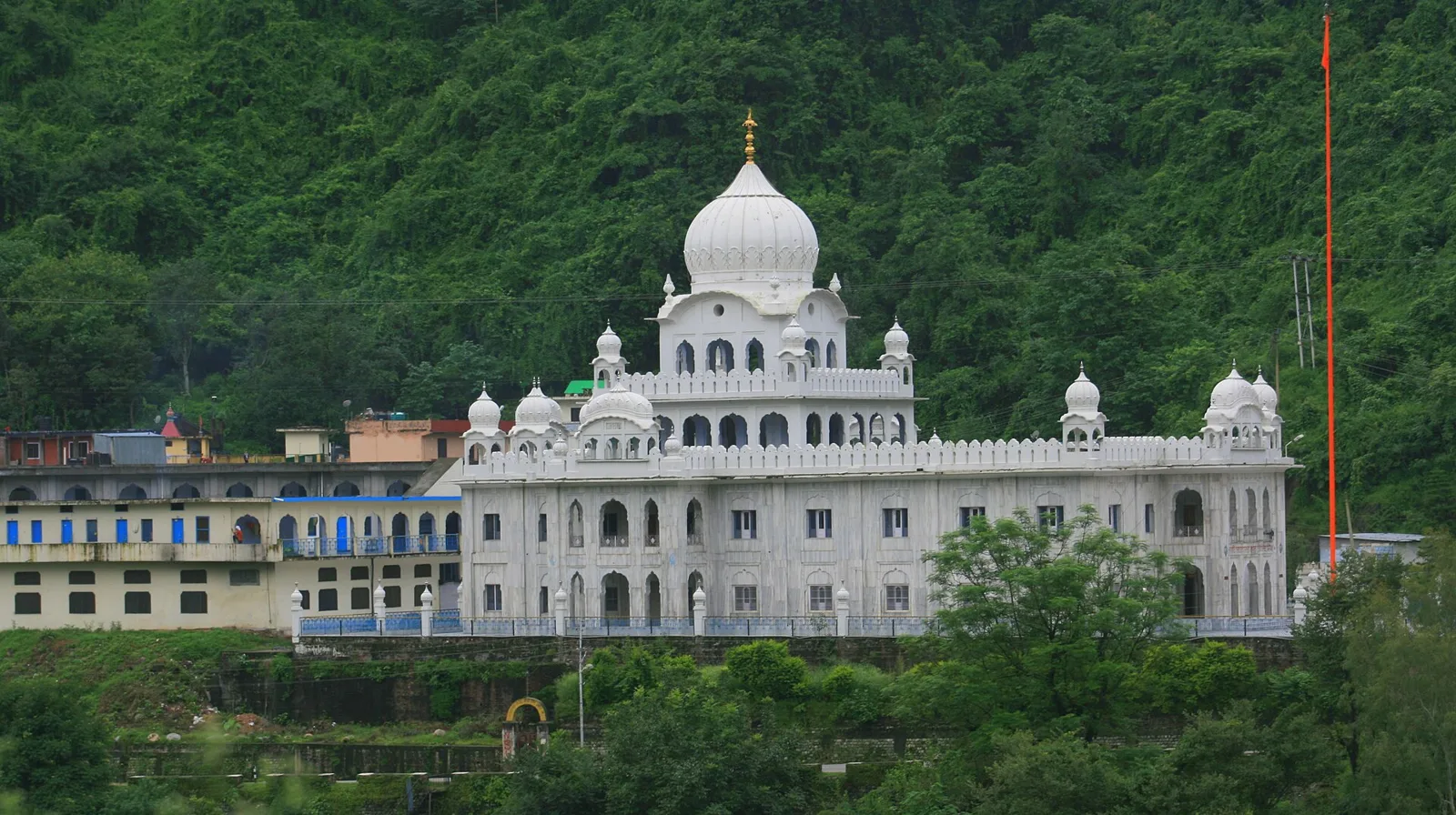
Mandi
Mandi is a city in Himachal Pradesh known for its Shivaratri fair, historic buildings and role as a starting point for the Prashar Lake trek.
Key facts · verified by Ghumoopedia editors
- Type of place
- Destination
- Best time to visit
- March to June and October to November for most hill towns; May to October for Lahaul-Spiti and high passes
- Nearest railway station
- Joginder Nagar (narrow gauge) · about 35 km (straight line)
- Verified
- 21 Nov 2026
Plan a trip from Mandi — a day-by-day route through places nearby.
Set in Mandi district, Himachal Pradesh, Mandi is both a municipal corporation and the district’s administrative centre. It also acts as a zonal headquarters for the central region, serving Kullu, Bilaspur and Hamirpur districts. The 2011 census recorded 26,422 residents. Mandi district ranks fourth in the state economy, while the town has Himachal Pradesh’s second-highest sex ratio, with 1,013 females for every 1,000 males. Ajbar Sen founded Mandi in 1527, and it became the seat of the princely Mandi State, which continued until 1948. The town’s foundation is also linked to the establishment of Himachal Pradesh in early 1948. Its best-known annual event is the International Mandi Shivaratri Fair. Recognised as Himachal Pradesh’s first heritage city, Mandi retains remnants of former palaces and examples of colonial-era architecture. Among its older structures is Victoria Bridge, completed in 1877. The town lies in the north-western Himalayas, at an average height of 880 metres, and is 145 kilometres north of Shimla. National Highway 154 links it with Pathankot, while National Highway 5 connects it with Manali and Chandigarh. Chandigarh, the closest major city, is about 163 kilometres away; New Delhi lies 395 kilometres from Mandi. Mandi is also called Varanasi of Hills, Choti Kashi and Kashi of Himachal. It is a departure point for the Prashar Lake trek: walkers travel from here to Bagi village, the route’s base village. The Indian Institute of Technology Mandi, a premier institute, is located 15 kilometres from the town. Himachal's hill towns blend Hindu temple traditions, Tibetan Buddhist monasteries and village devta (local deity) customs, with fairs and festivals tied to the farming calendar. Altitude decides the weather: the Shivalik foothills are mild, Shimla and Manali are cool with winter snow, and Lahaul-Spiti is a cold desert closed by snow for months. The July–September monsoon brings landslides and road closures in the hills. The usual best time to visit is March to June and October to November for most hill towns; May to October for Lahaul-Spiti and high passes. Timings, fees and access arrangements must be confirmed locally. For official information, see Himachal Pradesh Tourism at https://himachaltourism.gov.in.
Why it matters
Mandi is a municipal corporation and the headquarters of Mandi district, serving as an administrative and transport hub for the surrounding region. Its temples, old palaces and colonial-era buildings give the town a distinctive historic character, while the Beas River runs through its urban setting. Mandi is widely associated with the International Mandi Shivaratri Fair, which brings local deity traditions into public view. The guide describes Mandi as Himachal Pradesh’s first heritage city; visitors should not interpret that description as UNESCO World Heritage or confirmed ASI protection. IIT Mandi, a major educational institution, is located outside the town.
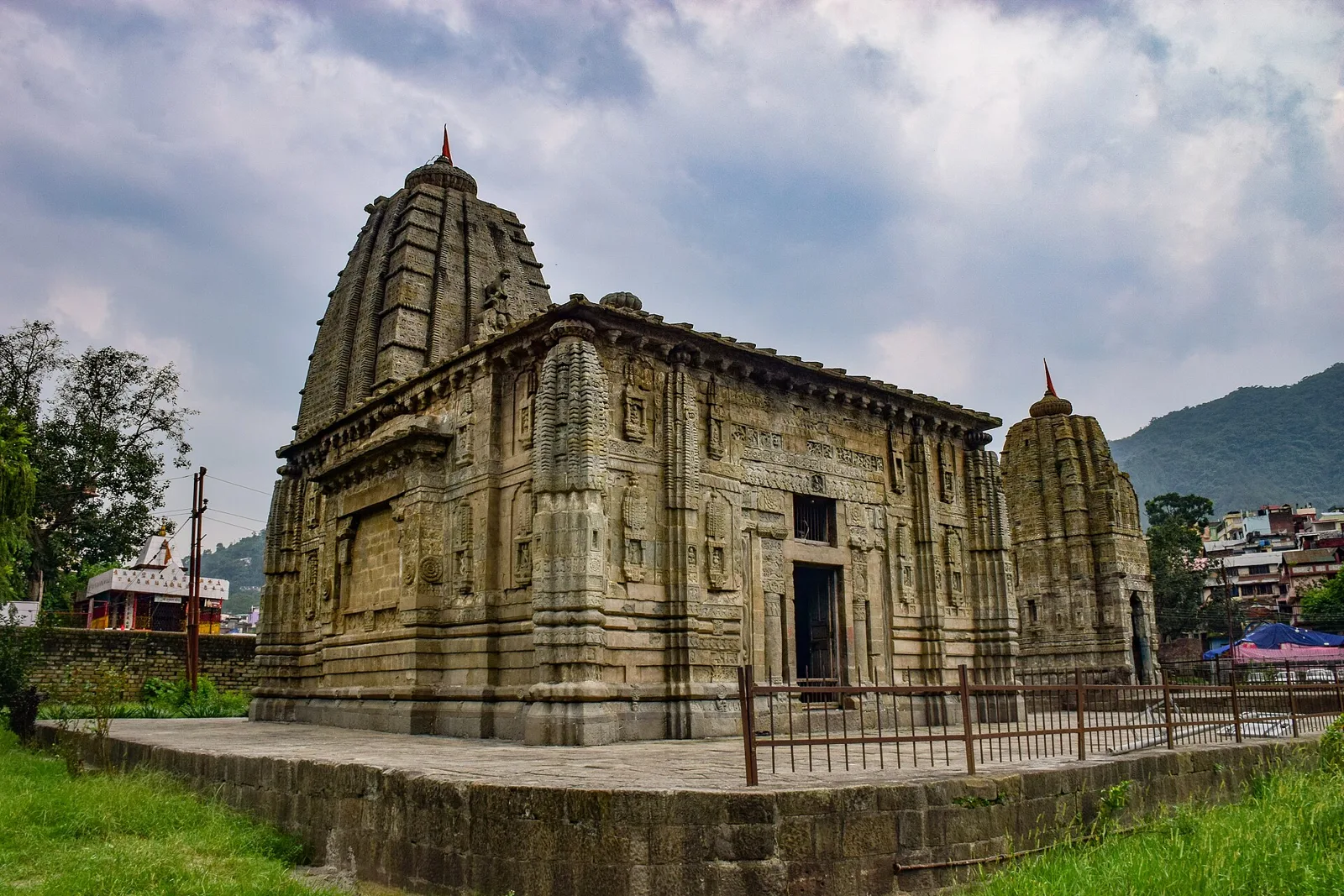
Mandi is traditionally associated with the name Mandav Nagar. Historical accounts date its establishment as a town and the seat of Mandi State to 1527, under Raja Ajbar Sen. The princely state was ruled by successive local dynasties before it became part of independent India’s changing administrative structure. Mandi State merged into Himachal Pradesh in 1948, and the town developed as the district headquarters and a regional centre. Its historic identity is reflected in old temples, palace remains and buildings from the colonial period. Bhutnath, Triloknath and Panchvaktra are among the temples associated with the town’s religious landscape. Victoria Bridge, built in 1877, is a notable surviving historic structure. Mandi’s annual Shivaratri gathering has also helped sustain links between the town and village deity communities across the district. The historic centre remains part of a working town rather than a single enclosed monument; individual buildings and religious sites may have separate caretakers and conservation arrangements. Check locally for current access and any restoration work.
Use Mandi as a base to understand local life: walk through the market area, visit community-run attractions and ask your host about nearby viewpoints and short excursions. Always ask before photographing people, homes or ceremonies. A comfortable itinerary is one main visit in the morning, a local meal at midday and a short nearby stop before an afternoon return. Use the district list on this site to find other places in Mandi, but check the actual road route and its condition before combining stops. If a festival or fair is on, local roads and stays can be busy — and the experience can be unforgettable. Leave no litter: many sites are protected by the communities around them.
Suggested itineraries
Half day: Bhutnath Temple and nearby old-town lanes (about 1–1.5 hours); market walk and local meal (1–2 hours); finish with a short visit near Victoria Bridge or the Beas (about 30–45 minutes). Full day: Bhutnath and nearby historic temples (2 hours); market and lunch (1–2 hours); visit Tarna Temple if comfortable with the uphill approach (1–2 hours); leave time for a relaxed riverside stop and return (about 1 hour). Gentler option: Keep to a short, vehicle-supported town loop with brief stops near the market and river; confirm step-free access and drop-off conditions in advance.
Mandi’s cultural life combines temple worship, village-deity traditions and the everyday rhythms of a district town. During important gatherings, communities bring decorated palanquins and images of their local devtas to participate in processions and ceremonies. Mandeali and other regional Pahari varieties are spoken alongside Hindi; language use varies by family and setting. Folk music and dance are part of local celebrations, though performances are usually tied to particular events rather than staged daily for visitors. Traditional clothing is commonly seen at fairs and ceremonies, while ordinary town life is contemporary. Remove footwear where requested at temples, follow posted instructions, and ask before photographing worshippers, homes or rituals.
Festivals & events
The International Mandi Shivaratri Fair is the town’s best-known festival, generally held around February or March according to the Hindu lunar calendar. It centres on worship at local temples and the gathering of village deities, with processions, cultural events and market activity. Other religious observances, including Navratri, are marked at temples during their customary seasons. Nearby Rewalsar has its own religious gatherings reflecting Hindu, Buddhist and Sikh traditions. Festival periods can bring crowded streets, traffic diversions and high demand for accommodation, so visitors should allow extra time and confirm local arrangements before travelling.
Local food in Himachal Pradesh includes siddu (steamed stuffed bread), madra, dham (the traditional festive meal), chha gosht, trout from mountain streams, babru and fresh apples and apricots in season. Ask what is fresh that day; many small eateries cook a limited daily menu. Vegetarian travellers eat very well across this region, and most towns also have simple non-vegetarian dhabas. Remote sites may have no restaurant at all. Carry water and snacks, eat a proper breakfast before long drives, and ask your accommodation for a packed lunch if you are heading out early. Try a home-cooked or dhaba meal when you can — it is often the best food on the route. Choose busy, clean places and carry your packaging back to town.
Shopping & local experiences
The central market is a practical place to browse for everyday goods, seasonal produce, woollens, devotional items and locally made foods. Availability varies by season and shop, so ask about the origin of items marketed as local crafts. Visitors can look for regional snacks and ingredients, or try Himachali dishes such as siddu at local eateries when available. Buying directly from small businesses supports the town’s economy; avoid purchasing objects presented as old temple or heritage artefacts. Festival markets offer more stalls but are busier than usual.
March to June and October to November for most hill towns; May to October for Lahaul-Spiti and high passes
The nearest principal railway station by straight-line distance is Joginder Nagar (narrow gauge), roughly 35 km away. The nearest operating airport by straight-line distance is Bhuntar Airport, Kullu–Manali, roughly 30 km away. These figures are calculated from map coordinates — hill roads wind a lot, so actual road distance and travel time are usually much longer. Chandigarh, Kalka and Pathankot are the main rail gateways for the hills, and the Kalka–Shimla toy train is itself a heritage journey. For the final leg, Himachal Road Transport Corporation (HRTC) buses and shared taxis link district towns; shared taxis usually leave early in the morning. A private taxi gives more flexibility for remote sites. When comparing train, bus and flight, count the complete door-to-door time: a flight saves the most time only if the onward road transfer is short, while an overnight train plus a road journey can save a hotel night. Book your return before you leave, because seats fill quickly on weekends and holidays. Current train numbers, timings, return services and fares are not listed here; check IRCTC and NTES for trains and the airline's own schedule for flights. No permit is needed for Indian visitors to most of Himachal Pradesh. Some stretches near the international border in Kinnaur and Lahaul-Spiti may have check posts, and foreign nationals should check current registration rules for border areas before travel.
Confirm onward and return timings on IRCTC / NTES, the state bus operator or your airline before travel. A dash means current timings or fares have not been verified.
Getting around
HRTC buses and other local services connect Mandi with district towns, while taxis and shared vehicles are commonly used for onward journeys. Auto-rickshaws may be available for some local trips; check locally for service and drop-off points. The central market and nearby temples can be explored on foot, but steep streets, uneven paving and traffic make walking slower than distances suggest. Ask your accommodation about taxi access and current road conditions before visiting outlying places. Parking in the central area can be limited, particularly during the Shivaratri Fair; use locally directed parking rather than blocking narrow streets.
Hours, tickets & permissions
Mandi is a living town, but individual temples, museums or heritage buildings may have their own visiting rules or may not be open for general entry. Some religious areas require visitors to remove footwear, dress respectfully or avoid restricted spaces. Tickets, permits and camera rules, if applicable, depend on the specific site; do not assume that every historic building is open to the public. Confirm current hours and fees with the managing authority or site caretaker before setting out, especially during festivals or renovation work.
Facilities
Mandi has the everyday services of a district headquarters, including shops, eateries, accommodation, banks and ATMs in town. Food and drinking water are generally easier to find around the central market than at outlying viewpoints or trailheads. Public toilets may be limited or unevenly maintained, so check locally or ask at a restaurant. Parking is available in parts of town but can be congested. Guides are not guaranteed at individual temples; for a guided visit, arrange one through a trusted local contact or accommodation. Carry essentials when travelling outside the town centre.
Accessibility
Mandi’s central streets include slopes, uneven surfaces, steps and busy road crossings. Temple approaches can involve stairs or uneven courtyards, and Tarna Temple’s uphill setting may be tiring. Shade and seating vary, so carry water and plan rests, especially in warm weather. Wheelchair and stroller access cannot be assumed at older buildings or along market lanes; check each stop before visiting. Older visitors or anyone with limited mobility may prefer a vehicle-supported itinerary with short walks and fewer temple interiors. During fairs, crowds can make movement and drop-off more difficult.
No permit is needed for Indian visitors to most of Himachal Pradesh. Some stretches near the international border in Kinnaur and Lahaul-Spiti may have check posts, and foreign nationals should check current registration rules for border areas before travel. Carry a photo ID at all times and save the emergency number 112 and your accommodation's contact offline. Heat in summer and dense fog in winter are the main weather risks; carry water and allow extra travel time on foggy December–January mornings. Respect community rules, private property and posted instructions. Check official advisories for the region before travel, and follow local guidance if access changes.
Photography
Morning or late-afternoon light can suit views of the old town, temples and Beas-side setting, though building access and sightlines vary. Photography is often possible in public streets, but temple rules differ and some interiors or ceremonies may restrict cameras. Ask permission before photographing people, homes, religious offerings or processions, and never interrupt worship for a picture. Drone use is subject to aviation rules and local restrictions; do not fly near crowds, temples or sensitive sites without checking permissions. Follow any signs or directions from caretakers.
Choose a stay by the full journey to Mandi, not just the district name. Main towns in Mandi usually offer hotels, state tourism lodges and guesthouses with better transport, meals and medical access, while village homestays offer a closer connection to local life. In the plains, check fans or air-conditioning in summer and heating in the December–January cold wave. Book in advance for weekends, festival dates and the peak season (March to June and October to November for most hill towns; May to October for Lahaul-Spiti and high passes). Confirm the exact location, meals included, check-in time and cancellation terms in writing. Many homestays accept payment on arrival; avoid sending money to unverified contacts. Mobile network and digital payments can be unreliable in remote areas, so carry some cash.
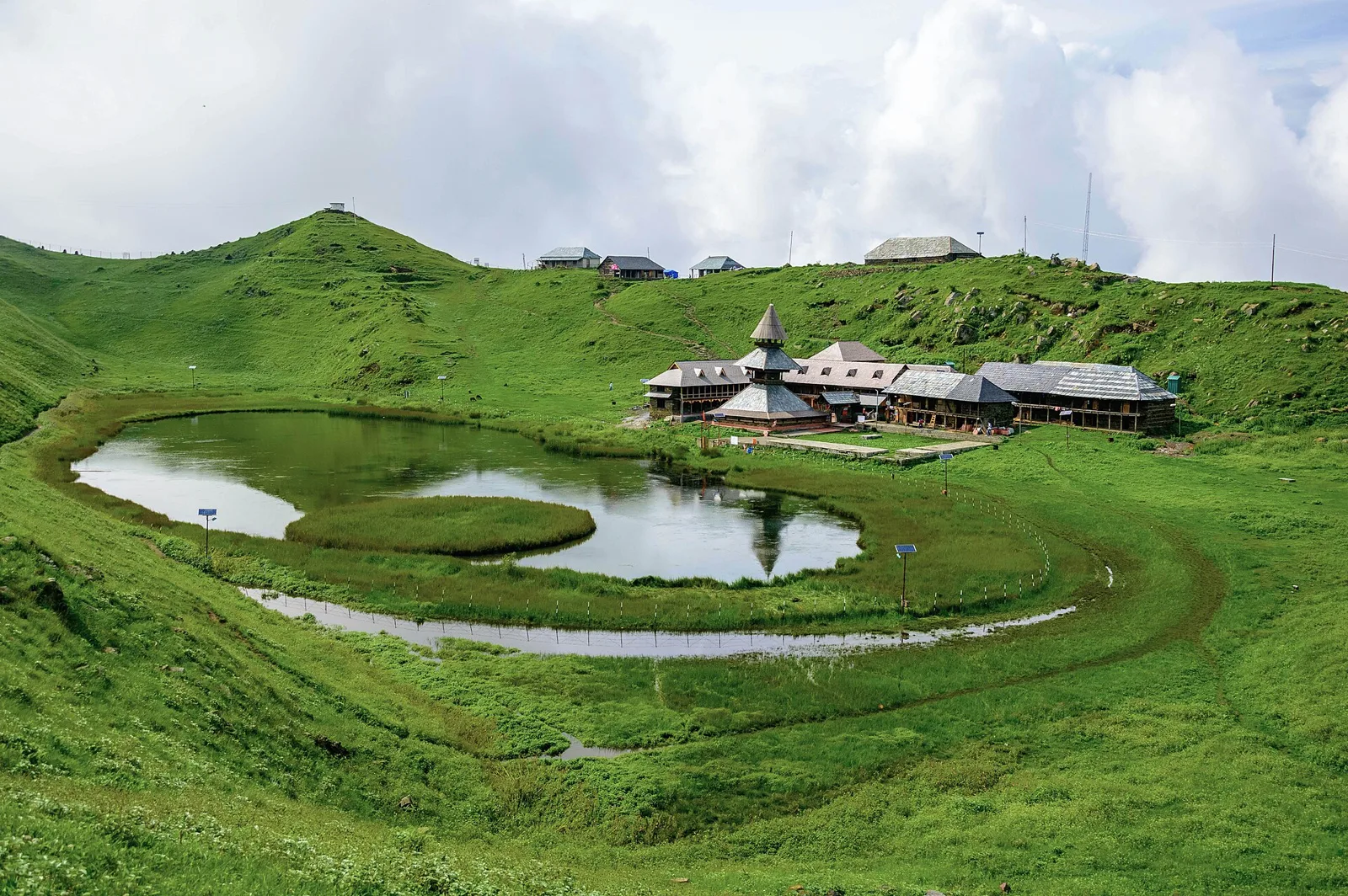
Prashar Lake is a well-known excursion and trekking destination in Mandi district; the village of Bagi is a base for the trek. Rewalsar is known for its lake and nearby Hindu temples, Buddhist monasteries and Sikh gurdwara. Barot Valley offers a different mountain setting, while Janjehli is another district destination for visitors interested in rural landscapes and walking. These trips involve hill roads and can take longer than map distances imply. Check weather, road conditions and local transport before combining them with a town visit.
For couples, Mandi rewards a slow pace: arrive early for soft light and fewer crowds, share a local meal and keep the evening free. Public displays of affection can be frowned upon in conservative communities and at religious sites, so be discreet. A homestay or a small heritage hotel can make the trip memorable — confirm privacy, hot water and transport back. Keep a buffer in your itinerary, because weather and traffic can delay plans in Himachal Pradesh.
Q: How much time should I allow for Mandi? A: A half day covers a few central sights and the market; allow a full day for a slower visit and Tarna Temple. Q: When is a good season to visit? A: March to June and October to November are generally suitable for many Himachal hill towns. Monsoon travel can be disrupted by landslides and road closures. Q: Is there an entry ticket for Mandi’s temples or heritage sites? A: Mandi is a town, not a single ticketed attraction. Rules and any fees vary by individual site, so confirm with its caretaker or managing authority. Q: Is Mandi suitable for children and older visitors? A: Yes, with planning; slopes, steps, uneven lanes and festival crowds may make some visits tiring. Choose short walks and vehicle-supported stops as needed. Q: Can I stay in Mandi and visit nearby places? A: Yes. The town has accommodation and can serve as a base, but check road conditions and travel time before planning trips to places such as Rewalsar or Prashar Lake.
Be the first to share photos, stories, advice or a helpful contact for Mandi.
Loading…