Ghumoopedia — Explore, Discover, Experience
Sign in
Kasauli, near Baddi

City guide · Himachal Pradesh

Baddi

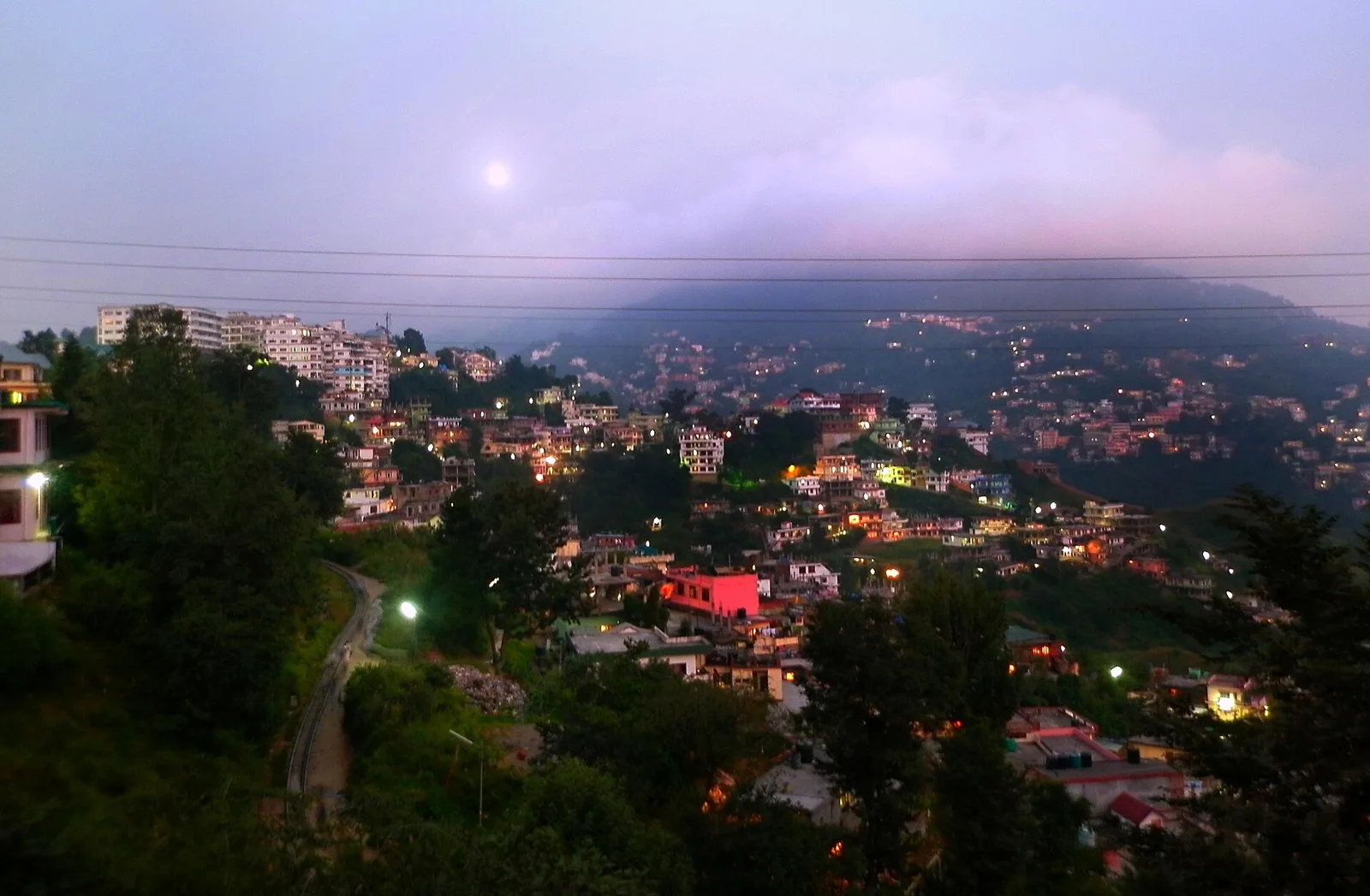
Baddi is an industrial town and Municipal Council in southwestern Solan district, Himachal Pradesh. Set in the Shivalik foothills near the borders of Punjab and Haryana, it forms part of the Baddi-Barotiwala-Nalagarh (BBN) industrial area.

Famous for

  • Pharmaceutical manufacturing
  • BBN industrial corridor
  • Truck transport and logistics
  • Shivalik foothill setting
  • Proximity to Chandigarh

Why Baddi matters

Baddi is an industrial town and Municipal Council in southwestern Solan district, Himachal Pradesh. Set in the Shivalik foothills near the borders of Punjab and Haryana, it forms part of the Baddi-Barotiwala-Nalagarh (BBN) industrial area. Its location connects Himachal’s manufacturing belt with markets and transport routes in the neighbouring states, while Chandigarh is within reach for business and onward travel.

The town is best known for pharmaceutical production and a wider mix of industrial activity, supported by a substantial trucking and logistics sector. These industries make Baddi an important employment and commercial centre in the region. Visitors are more likely to come for work, trade or to explore the nearby foothills and towns than for a conventional sightseeing circuit. Barotiwala and Nalagarh are close by, and the surrounding countryside offers a change of pace from the industrial estates. Baddi’s significance today lies in this combination of manufacturing, regional connectivity and a position between the plains and the hills.
Famous for: crafts, trade & products

Baddi is particularly associated with pharmaceutical manufacturing. Its factories and industrial estates are part of the wider BBN cluster, which also includes Barotiwala and Nalagarh. Other businesses and suppliers serve manufacturing, packaging, transport and logistics. The town’s truck transport network is a prominent part of its commercial life, moving goods between the industrial belt and markets beyond Himachal Pradesh.

Baddi is not especially known as a centre for traditional textiles, a signature handicraft or a GI-tagged product. Visitors looking for local goods can explore shops and everyday markets in town, while the industrial estates are primarily workplaces rather than visitor shopping destinations. Products made in the area are generally sold through company, distributor and wholesale channels, not as a single local market speciality. For a more traditional craft and food-shopping experience, travellers can look to larger towns elsewhere in Himachal Pradesh. Baddi’s strongest identity is therefore as a manufacturing and trade centre, rather than as a destination for heritage crafts or a distinctive retail quarter.

History

Baddi’s growth reflects the changing economic role of southwestern Himachal Pradesh. The area was part of a borderland landscape of foothill settlements and routes connecting the hills with the plains. Nalagarh, nearby, has a longer history as a regional centre, but Baddi itself became much more prominent through modern industrial development.

After independence and the formation of Himachal Pradesh as a state, improved road links and the expansion of industry helped reshape the local economy. Baddi’s rapid growth came with the development of the Baddi-Barotiwala-Nalagarh industrial belt, drawing factories, workers, transport operators and supporting businesses. Pharmaceutical manufacturing became one of its defining sectors, alongside other forms of production and logistics. This expansion transformed Baddi from a smaller settlement into an important commercial town. Its present-day character is closely tied to industrial estates and the movement of goods, while older regional connections remain visible in its links with Nalagarh and neighbouring states.

Food, festivals & culture

Baddi’s everyday culture reflects its location at the meeting point of Himachal Pradesh, Punjab and Haryana, as well as the movement of workers from many parts of India. Hindi and Punjabi are commonly heard; local Pahari varieties are also part of the wider regional speech landscape. The town’s food options tend to be practical and varied, with North Indian meals alongside Himachali and Punjabi dishes. Regional foods such as siddu or madra may be found in the broader area, though Baddi is not known for one signature dish or sweet.

Diwali, Holi and Dussehra are observed, while Lohri and Baisakhi reflect Punjabi seasonal traditions. Local and regional celebrations may also include folk music and dance, with forms such as nati associated with Himachal Pradesh. Temples and other places of worship serve residents from varied communities; visitors can encounter these in town and nearby settlements. Baddi’s culture is shaped less by a single tourist-facing tradition than by its mixed population, regional customs and working-town rhythm.

Visiting the city

The cooler months, broadly from October to March, are generally the most comfortable for visiting. Summers can be hot, while the monsoon brings rain to the foothills. Chandigarh International Airport is the main nearby airport. Kalka Railway Station is a useful railhead for onward road travel; check current connections before setting out, as Baddi does not have a major passenger railway station.

Taxis and buses connect Baddi with Chandigarh, Solan, Nalagarh and nearby towns. Within the area, local taxis and auto-rickshaws can help with short trips, while industrial estates are spread out and easier to reach by road. Explore the town centre and its everyday markets for a sense of local life, or travel toward Barotiwala and Nalagarh for a broader look at the BBN belt and its surroundings. Baddi is primarily a business destination, so plan sightseeing around nearby places rather than expecting a concentrated heritage quarter.

Trips from the city

Nearest places to visit from Baddi

Our closest destination guides, by straight-line distance.

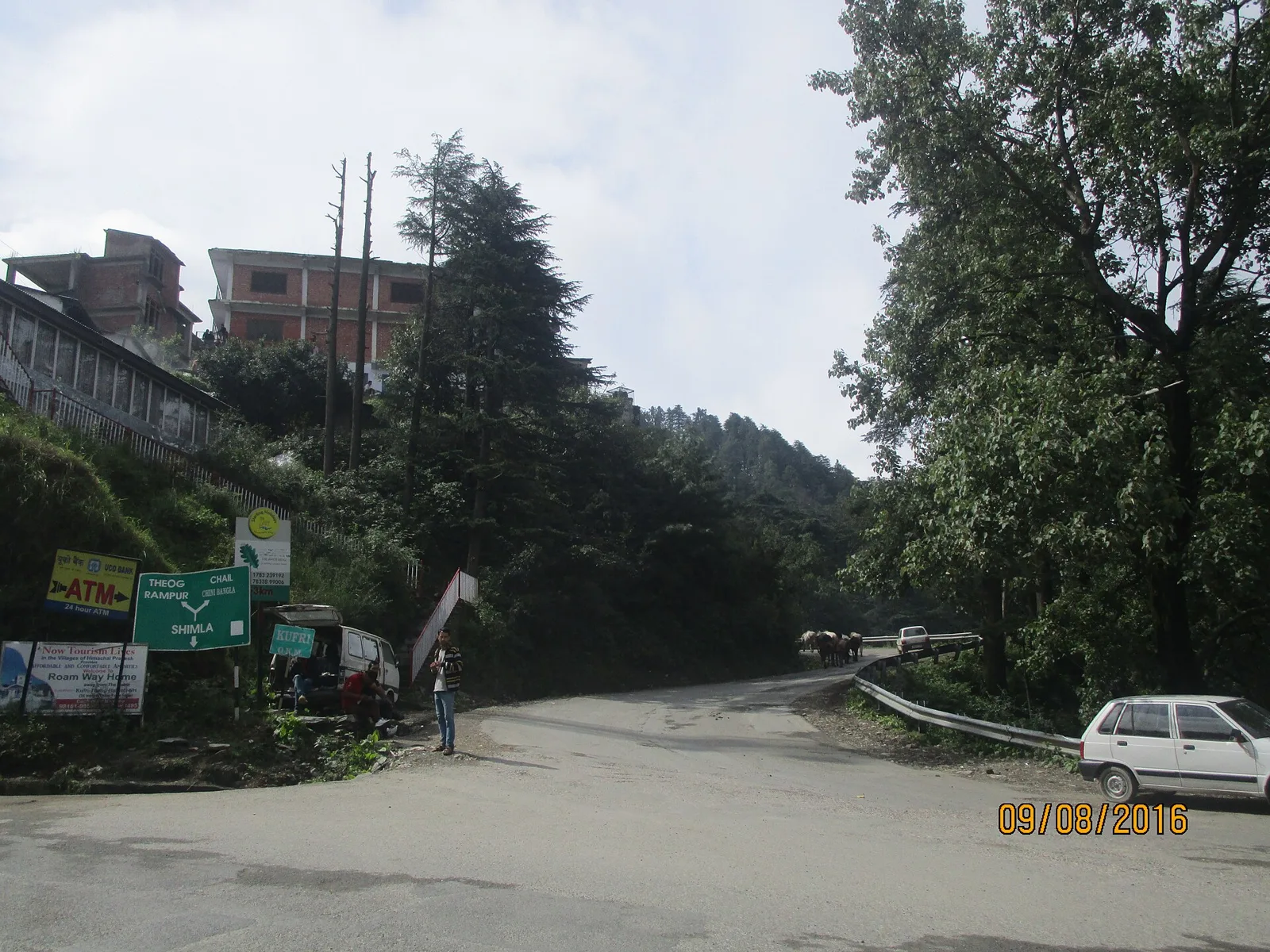
Kasauli

17 km away · Solan district

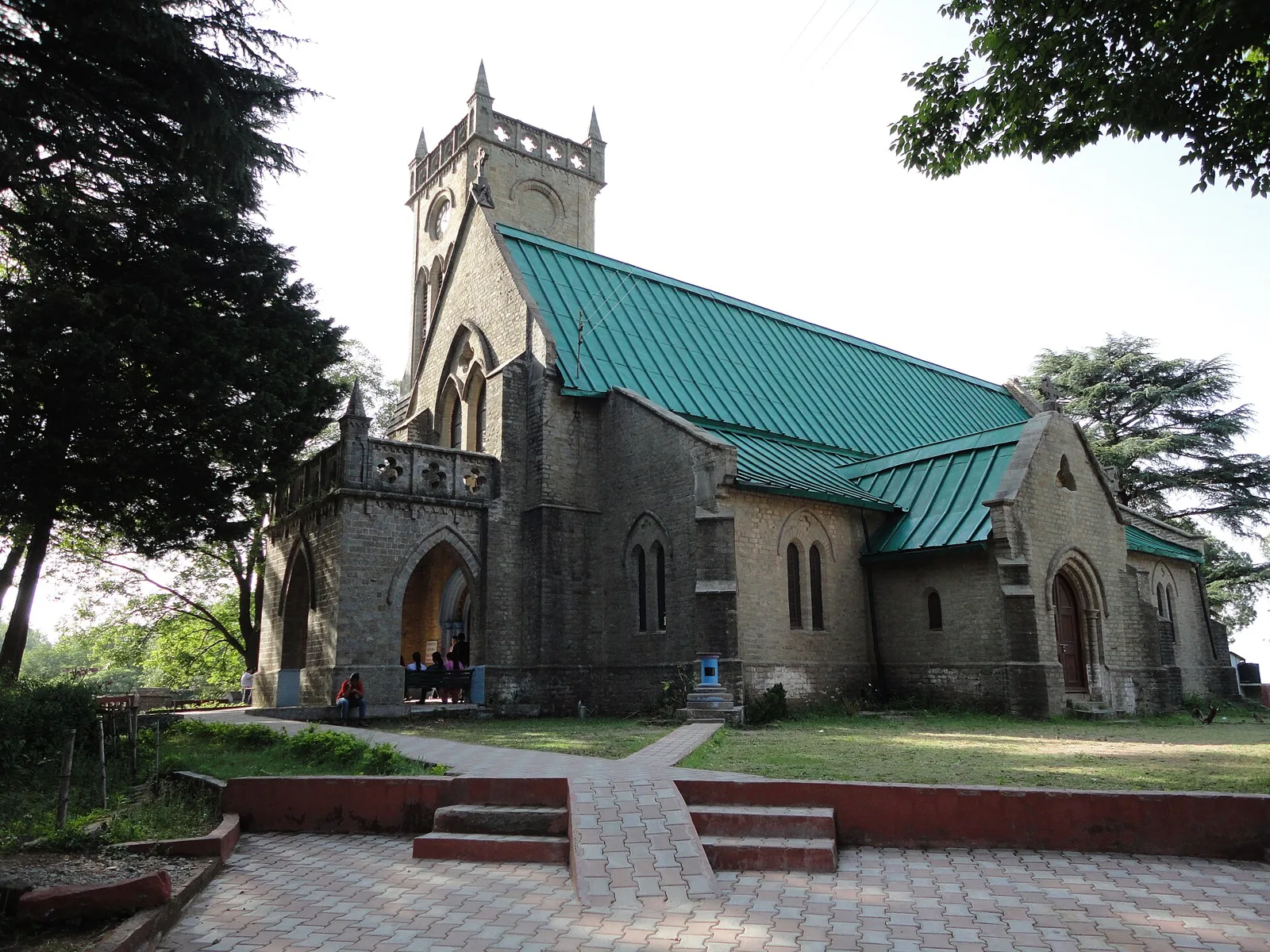
Kasauli

Kasauli is a town and cantonment in Himachal Pradesh’s Solan district. Visitors come for its colonial hill-station history and its setting within reach of nearby cities.

Kalka–Shimla Railway

18 km away · Shimla district

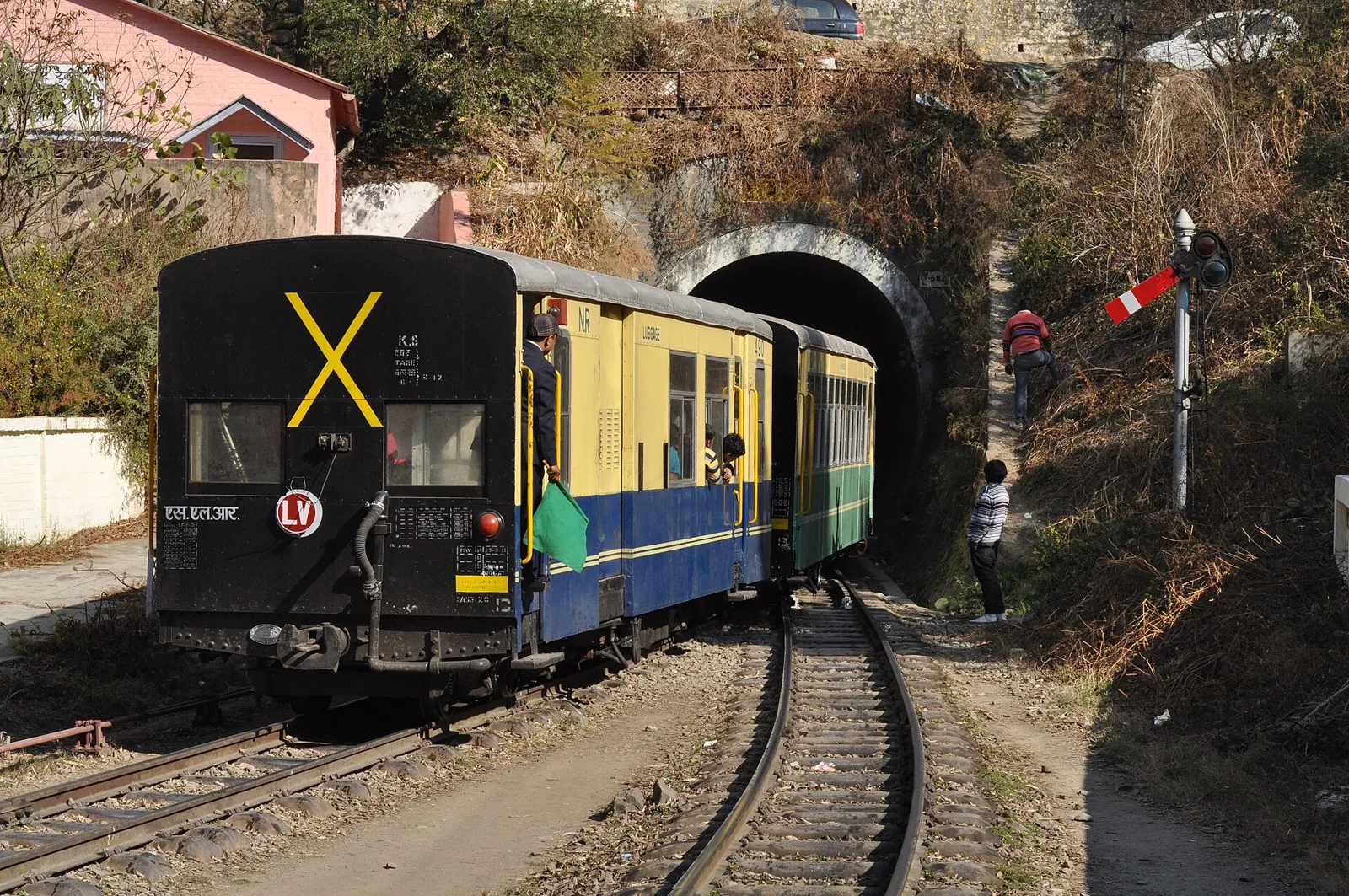
Kalka–Shimla Railway

This narrow-gauge railway connects Kalka and Shimla across the hills of northern India. Visitors travel the route for views of the mountainous landscape and nearby villages.

Solan

30 km away · Solan district

Solan

Solan is a Himachal Pradesh city and district centre in the Shivalik Hills between Chandigarh and Shimla. Visitors come for its temples, monastery, annual Shoolini fair and hill setting.

Chail

39 km away · Shimla district

Chail

Chail, a Himachal Pradesh hill station associated with both Shimla and Solan districts, attracts visitors for its cedar woodland, Himalayan views, historic palace, trekking routes and camping.

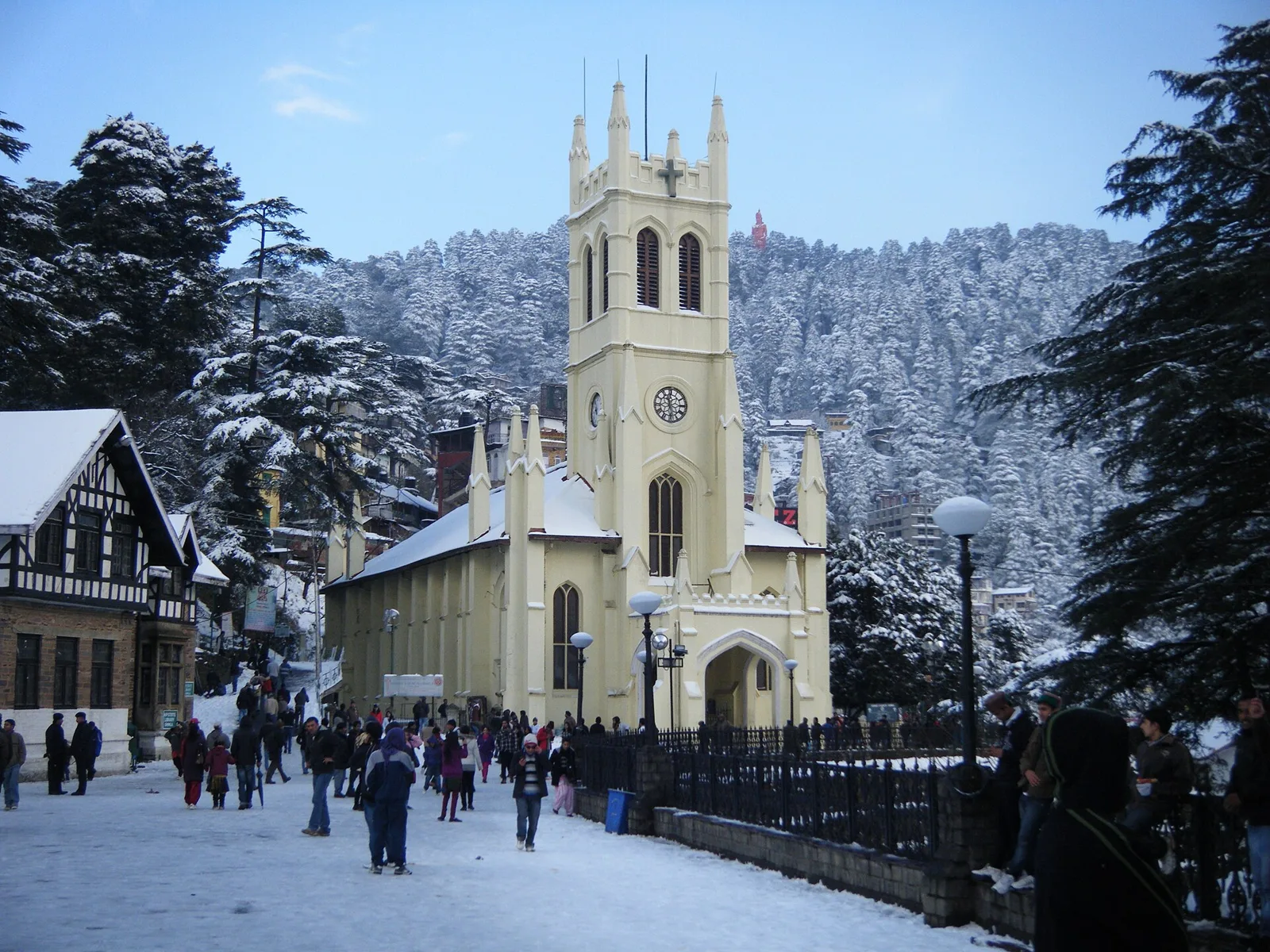
Christ Church

40 km away · Shimla district

Christ Church

Visitors come to Christ Church in Shimla to worship and see a church ranked second in age across North India.

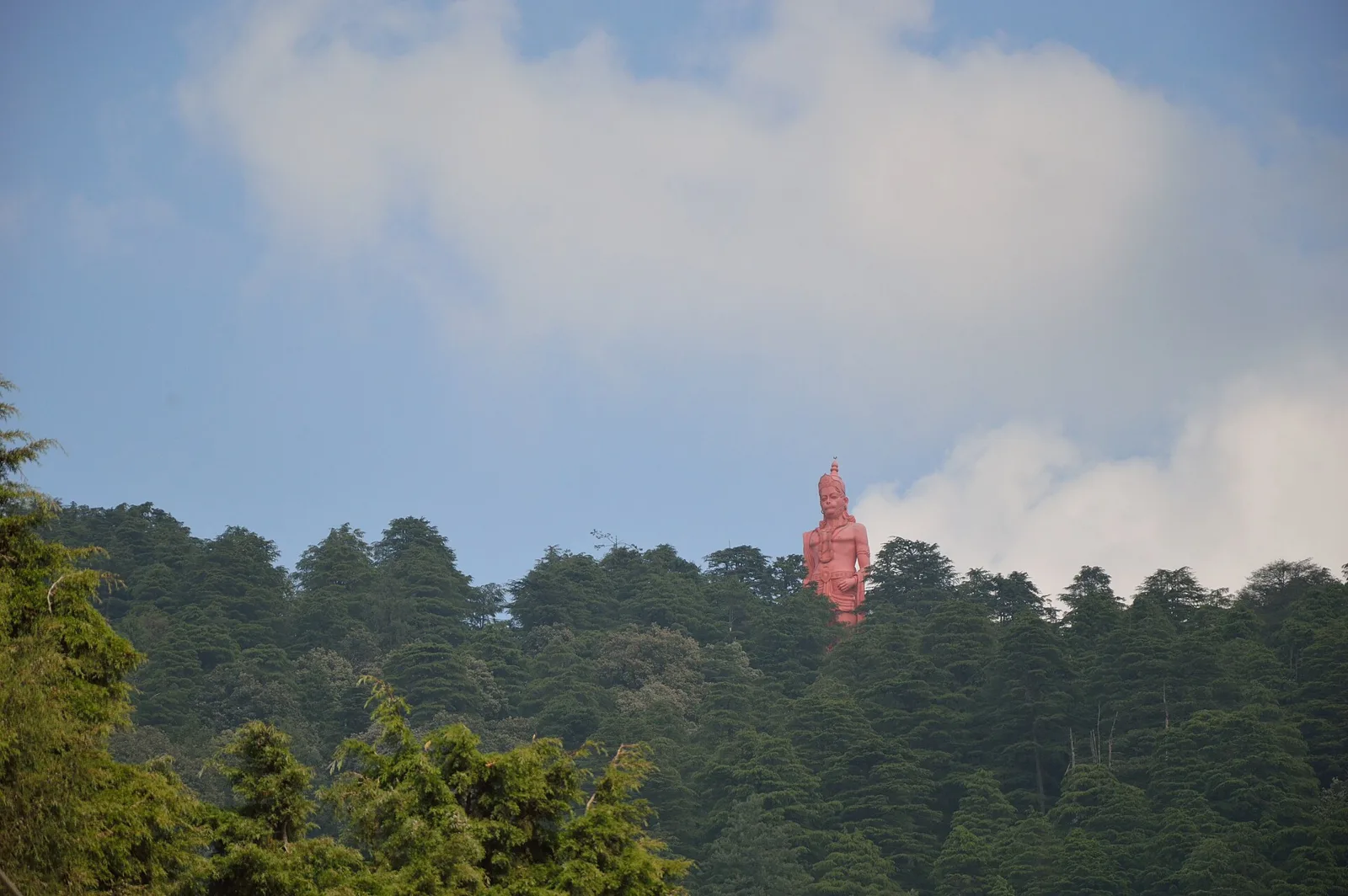
Jakhu Temple

40 km away · Shimla district

Jakhu Temple

Jakhu Temple is a Hindu shrine dedicated to Hanuman on Shimla’s Jakhu Hill. Visitors come to worship, attend its Dussehra festival and see the large Hanuman statue.

Shimla

40 km away · Shimla district

Shimla

Shimla, Himachal Pradesh’s largest city, is known for its colonial-era buildings, religious sites and mountain setting. Visitors also come for the Kalka–Shimla Railway and the city’s historic landmarks.

40 km away · Shimla district

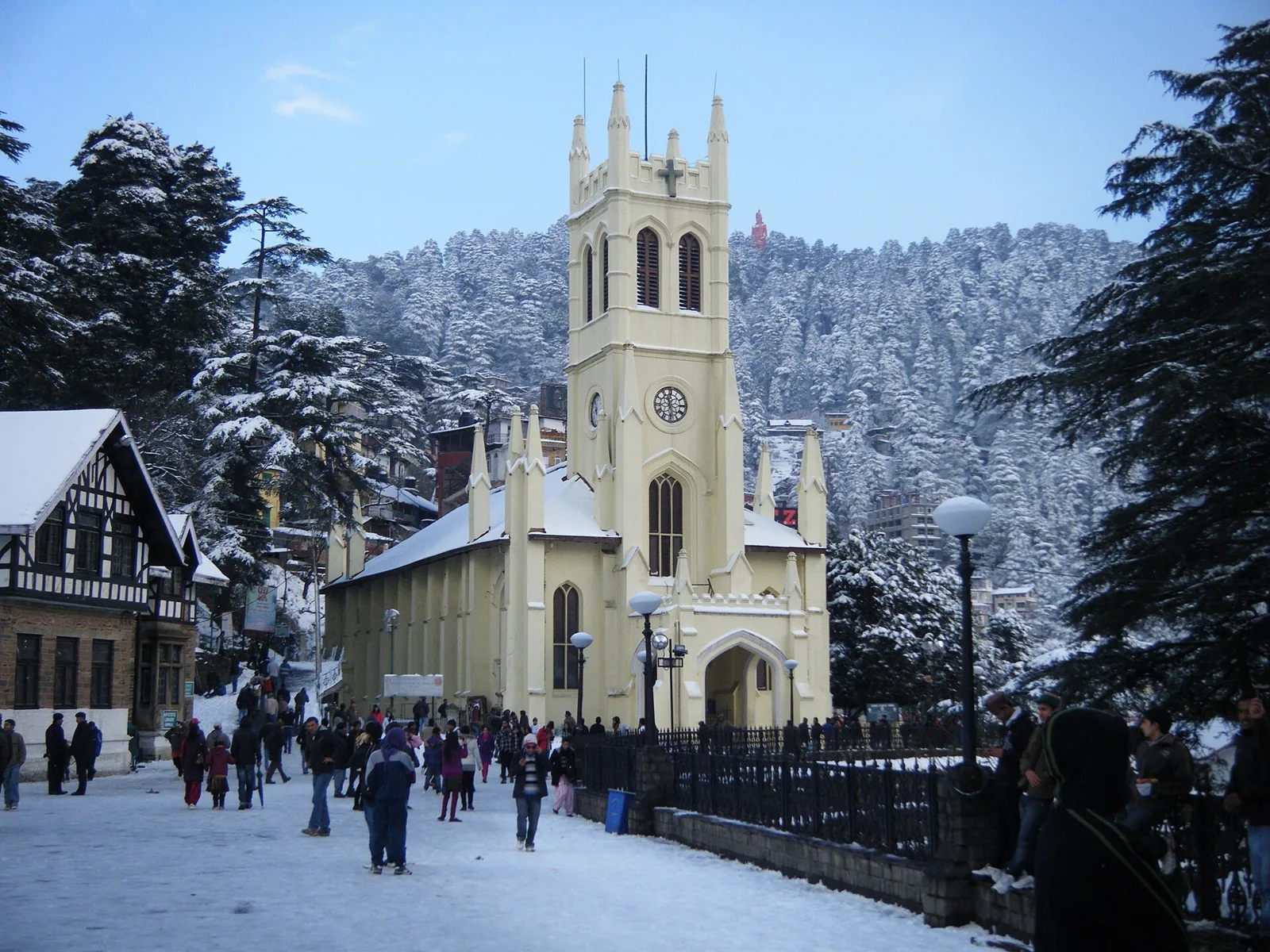
The Ridge

A central open space in Shimla, The Ridge is a cultural gathering point beside the Mall Road. Visitors come to see its historic church and library, statues, and links to nearby parts of the town.

Map

Baddi on the map

  1. 1Kasauli
  2. 2Kalka–Shimla Railway
  3. 3Solan
  4. 4Chail
  5. 5Christ Church
  6. 6Jakhu Temple
  7. 7Shimla
  8. 8The Ridge

Himachal Pradesh

Other cities to explore