Ghumoopedia — Explore, Discover, Experience
Sign in
Manali, near Manali

City guide · Himachal Pradesh

Manali

Manali is a resort town in Himachal Pradesh’s Kullu district, drawing visitors to the Kullu Valley and serving as a starting point for journeys towards Lahaul, Spiti and Leh.

Famous for

  • Hadimba Devi Temple
  • Kullu shawls
  • Beas River scenery
  • Apple orchards
  • Himalayan adventure tourism
In the city
6
District
Kullu

Why Manali matters

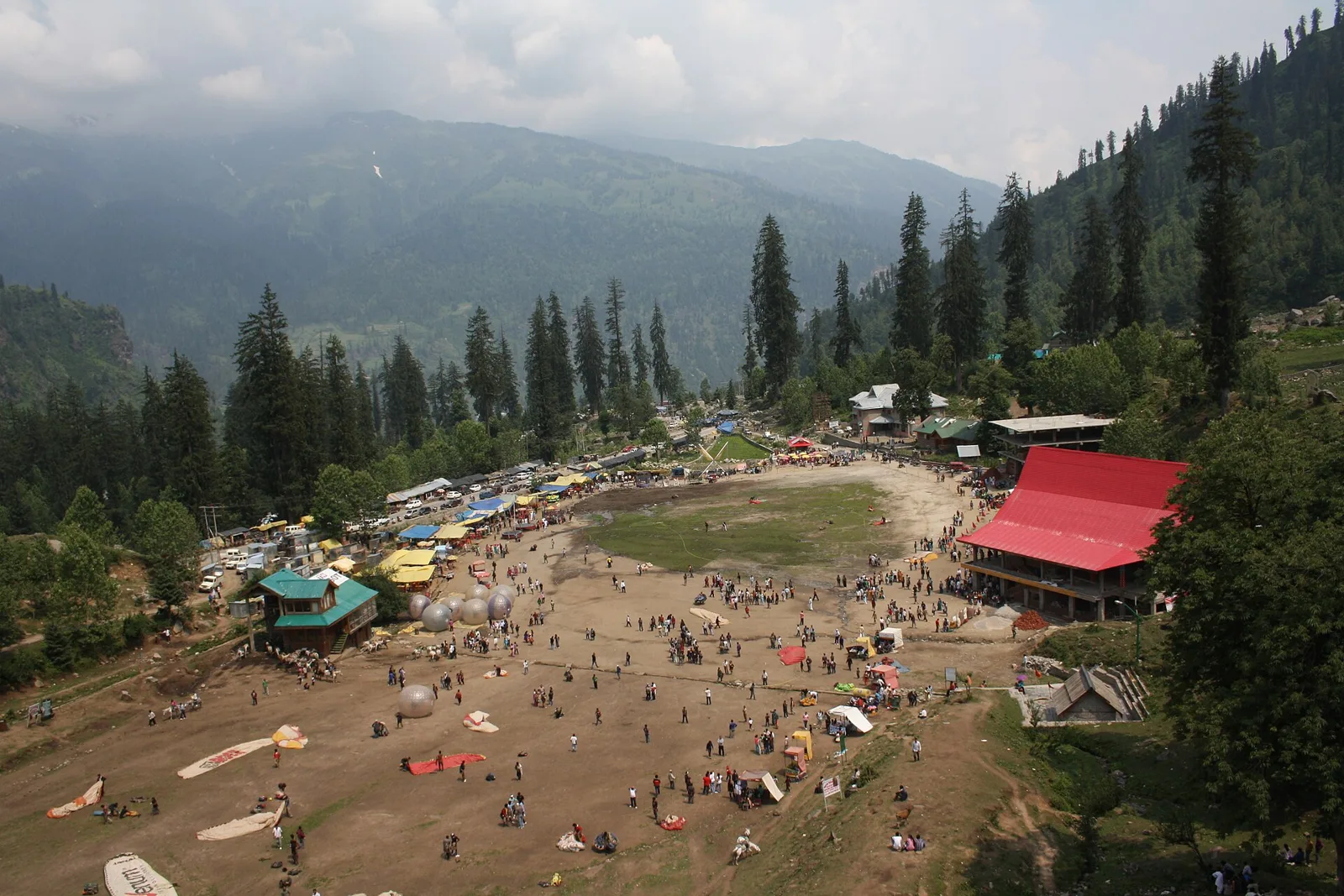
Manali is a Himalayan resort town at the northern end of the Kullu Valley, where the Beas River runs between forested slopes and high mountain terrain. It is one of Himachal Pradesh’s best-known visitor centres and an important base for exploring the upper valley, including the route towards Lahaul and, farther on, Ladakh. The surrounding landscape draws visitors for hiking, skiing in suitable conditions, river activities and views of the Pir Panjal and Dhauladhar ranges.

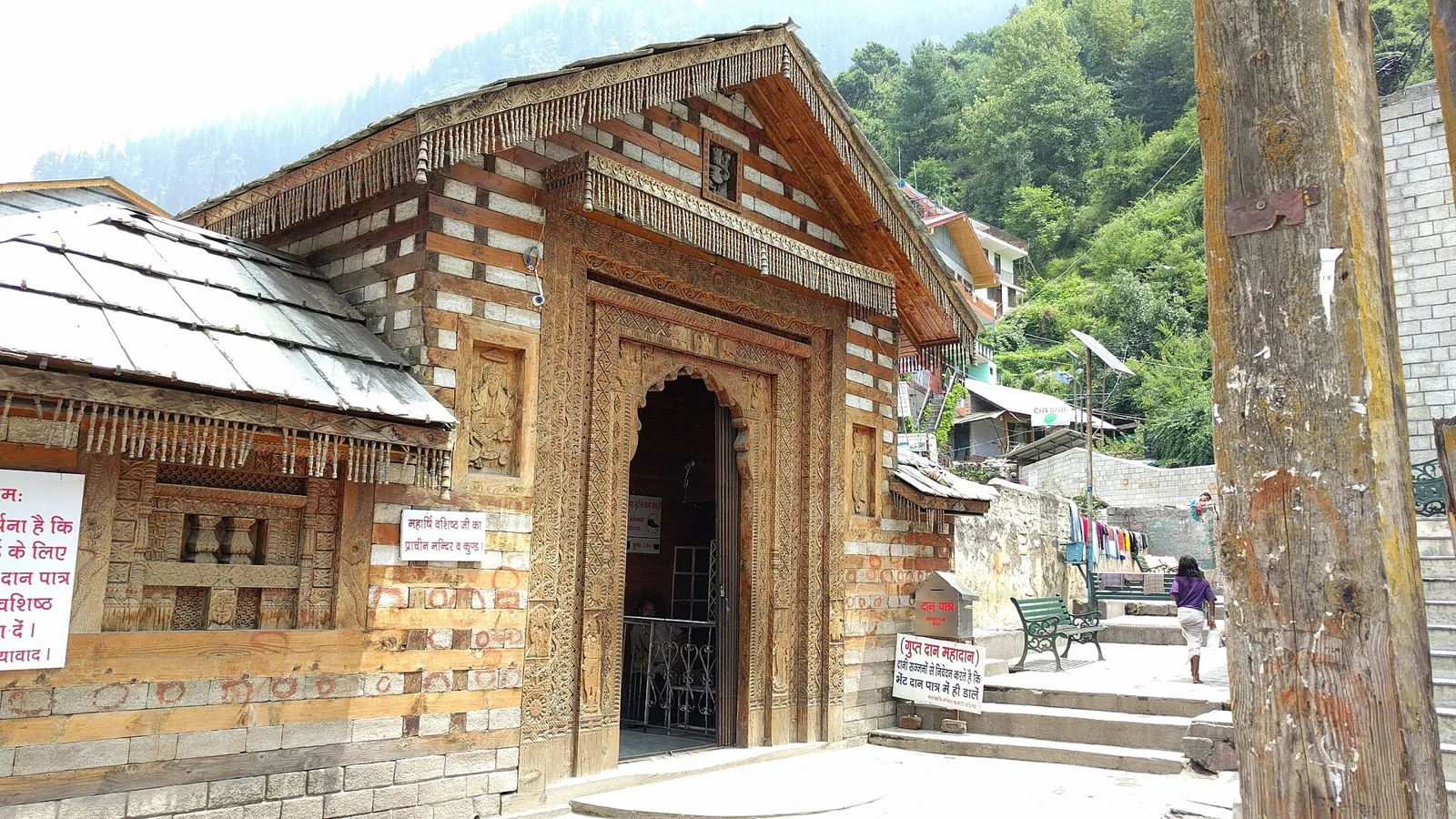
Within town, temples, old village lanes and busy shopping streets sit alongside hotels, cafés and tour services. Hadimba Devi Temple, Manu Temple and the hot springs at Vashisht are among its notable cultural attractions. Manali is also known for nearby apple-growing areas and for Kullu Valley woollens, especially shawls. Its mix of mountain scenery, religious heritage and visitor facilities makes it a year-round destination, though weather and road conditions shape what travellers can do.
Famous for: crafts, trade & products

Manali’s best-known regional craft is the Kullu shawl, a woollen wrap associated with the wider Kullu Valley and recognised with a Geographical Indication. Designs range from restrained borders to bright geometric patterns. Woollen caps, socks and other knitwear are also common purchases. These goods are sold in shops around Mall Road and the Old Manali area; shoppers can also look for Himachal government emporia and ask about the maker and material. The town is not especially known for a saree tradition.

Wooden souvenirs, small handicrafts and Tibetan-style goods appear in local markets, though selection and provenance vary. The valley’s orchards make apples an important local product, with fruit and preserved produce more readily found in season. Tourism is the town’s principal modern business, supporting accommodation, restaurants, transport and outdoor recreation rather than large-scale manufacturing. Mall Road is the main shopping strip, while smaller shops in Old Manali offer a more informal mix of clothing, crafts and food. For locally made woollens, buyers should compare workmanship and ask whether an item is genuinely from the Kullu region.

History

Manali’s name is linked to Manu, a sage in Hindu tradition; local belief holds that he began the renewal of human life here after a great flood. The old village preserves a temple dedicated to him. Historically, the town lay within the Kullu region, whose rulers shaped the valley’s political and religious life. The Hidimba Devi Temple, built in the sixteenth century, is a prominent surviving example of the area’s temple heritage.

Manali also stood at the beginning of a historic trading route that crossed Lahaul and Ladakh and continued towards Central Asia. Under British rule, visitors began to treat the valley as a hill retreat, and orchard cultivation developed, with early apple growers including Captain A. Banon and J. S. Mackay. After independence, improved road connections and growing interest in Himalayan travel accelerated tourism. Urban administration expanded with the town, which became a Nagar Panchayat in 1994 and a Municipal Council in 2009. Today, tourism and the movement of travellers towards the upper Himalaya strongly influence its growth.

Food, festivals & culture

Food in Manali reflects the wider Kullu and Himachali tradition. Siddu, a steamed bread usually served with ghee or chutney, is a familiar local speciality; dham is a festive meal with rice, lentils and richly seasoned dishes. Trout is served in many restaurants, while madra, babru and the sweet rice dish mittha are found in regional menus. Cafés and restaurants also cater to the town’s diverse visitors.

Kullu Dussehra, celebrated in autumn in nearby Kullu, is the valley’s best-known festival, bringing village deities, processions and performances to Dhalpur. The Hadimba Devi fair in spring is another important local gathering. Kullui and Hindi are widely heard, alongside English and languages spoken by visitors and residents from elsewhere. Folk music and Kullu Nati, a group dance performed at celebrations, are part of regional cultural life. Places of worship include Hadimba Devi Temple, Manu Temple, Vashisht’s temples and hot springs, and Buddhist monasteries in the town.

Visiting the city

Spring and early summer bring milder weather and good conditions for exploring; autumn is also popular for clearer mountain views. Winter suits visitors seeking snow, but temperatures are low, and monsoon rain can disrupt roads and outdoor plans. Check current road and weather conditions before travelling to high-altitude areas.

The nearest airport is Kullu-Manali Airport at Bhuntar. Joginder Nagar is the nearest railway station, on a narrow-gauge line; Chandigarh is a commonly used broad-gauge railhead for onward road travel. Buses, taxis and local vehicles connect Manali with nearby destinations, while walking is practical around the central market. Explore Mall Road for shops and services, Old Manali for village lanes and cafés, and Vashisht for temples and hot springs. Hadimba Devi Temple and the forest paths nearby make a rewarding outing.

Attractions

Places to visit in Manali

Sights within about 12 km of each other, even when they fall in different districts.

Map

Manali on the map

  1. 1Manali
  2. 2Atal Tunnel
  3. 3Hidimba Devi Temple
  4. 4Rohtang Pass
  5. 5Solang Valley
  6. 6Vashisht

Himachal Pradesh

Other cities to explore