
Vashisht
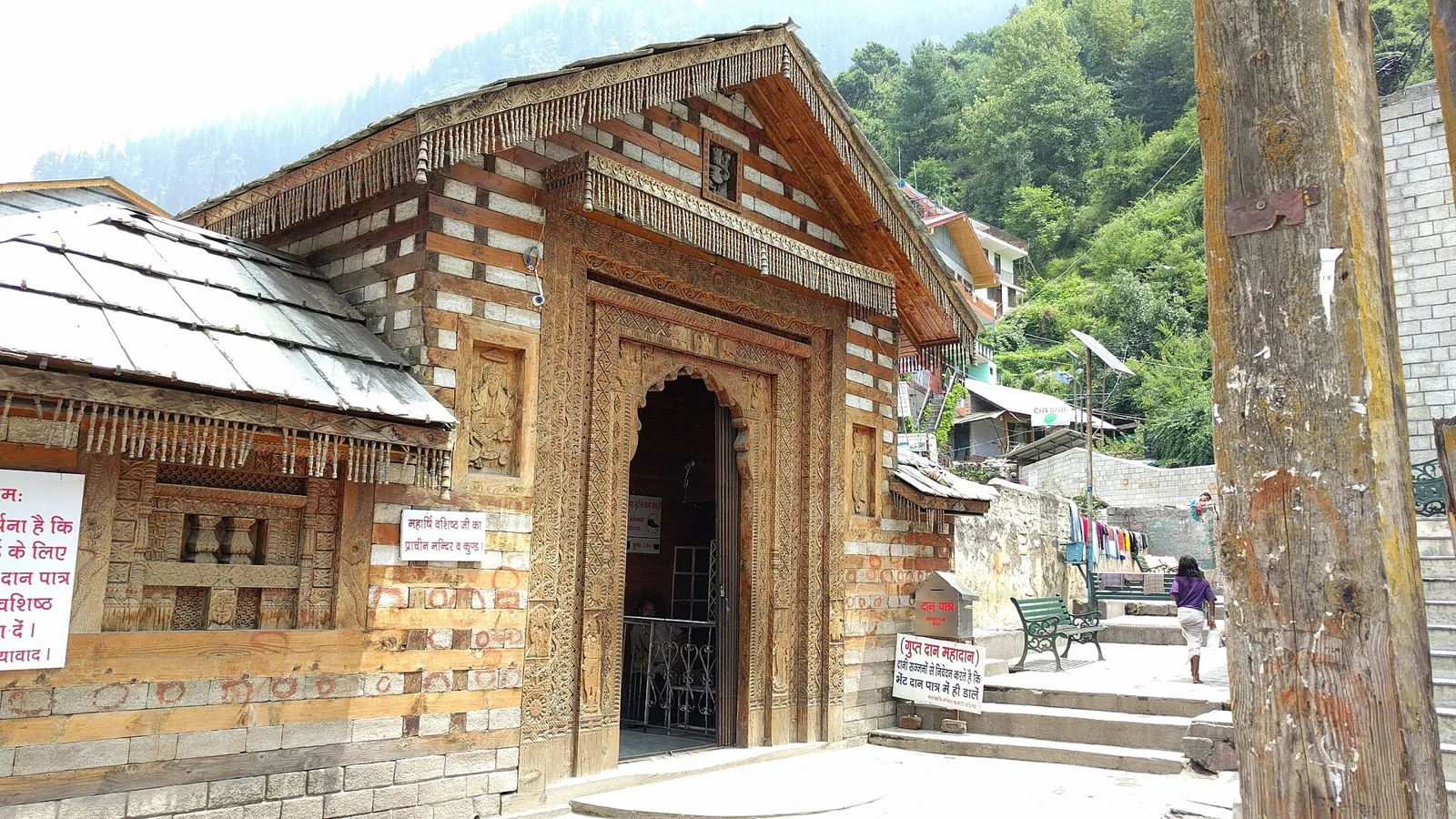
The settlement of Vashisht lies in Kullu district, Himachal Pradesh, near Manali. Visitors come for its sulphurous springs and temples dedicated to Vashisht, Shiva and Rama.
Key facts · verified by Ghumoopedia editors
- Type of place
- Community & living culture
- Best time to visit
- March to June and October to November for most hill towns; May to October for Lahaul-Spiti and high passes
- Nearest railway station
- Joginder Nagar (narrow gauge) · about 50 km (straight line)
- Nearest airport
- Kullu–Manali area heliports (seasonal) · about 20 km (straight line)
- Verified
- 21 Nov 2026
Plan a trip from Vashisht — a day-by-day route through places nearby.
Set about three kilometres from Manali, on the far side of the Beas, Vashisht is a settlement in Kullu district, Himachal Pradesh. Its sulphur-rich hot springs are the village’s best-known feature. Three temples, honouring Lord Vashisht, Lord Shiva and Lord Rama, stand beside the bathing waters. Local belief credits the spring water with therapeutic qualities, including relief from skin complaints, infections and aches. Bathing areas are provided separately for men and women. The setting brings together ritual bathing and worship, with visitors able to bathe and seek the favour of the village’s presiding deity. The route from Manali into the settlement runs past shops and eateries offering meals, clothes and goods for tourists. Past the spring area, the built-up village includes homes and a school. Farther uphill, houses are scattered among apple orchards, extending beyond the busier central stretch. Together, these features mark a transition from visitor facilities to residential surroundings. Himachal's hill towns blend Hindu temple traditions, Tibetan Buddhist monasteries and village devta (local deity) customs, with fairs and festivals tied to the farming calendar. Altitude decides the weather: the Shivalik foothills are mild, Shimla and Manali are cool with winter snow, and Lahaul-Spiti is a cold desert closed by snow for months. The July–September monsoon brings landslides and road closures in the hills. The usual best time to visit is March to June and October to November for most hill towns; May to October for Lahaul-Spiti and high passes. Timings, fees and access arrangements must be confirmed locally. For official information, see Himachal Pradesh Tourism at https://himachaltourism.gov.in.
Why it matters
Vashisht is a village in Kullu district, best known for its sulphurous hot-water springs and the temples beside them. Its setting, about 3 km from Manali across the River Beas, makes it a familiar stop for visitors, while the springs and shrines remain part of local religious life. The temple complex is associated with Lord Vashisht, Lord Shiva and Lord Rama; visitors should follow the customs and instructions posted at each shrine and bathing area. The village also offers a glimpse of life beyond Manali’s busier centre, with homes, a school and apple orchards above the main market.
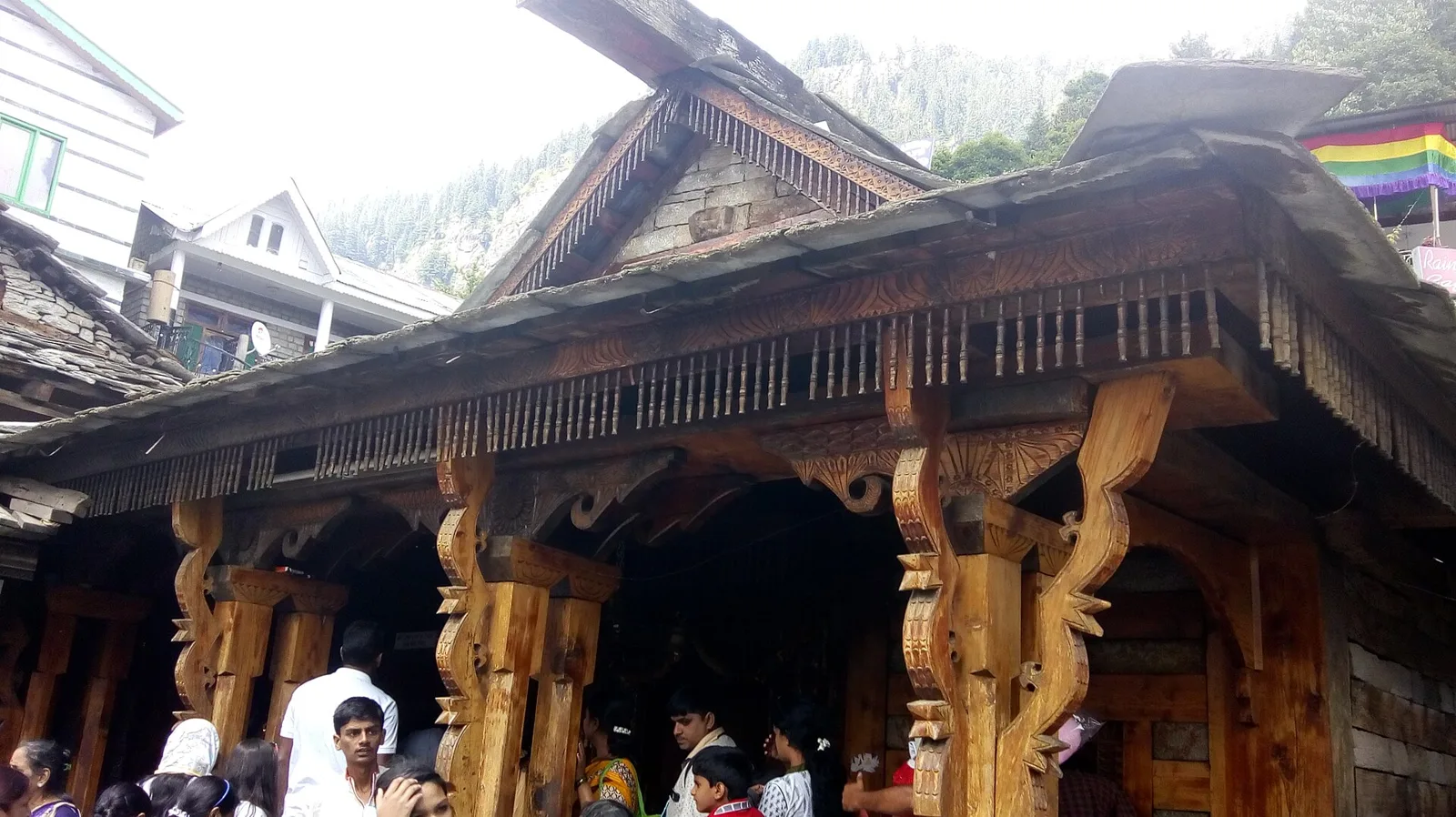
The name links the place to the sage Vashishta in Hindu tradition; this association is a religious tradition rather than a securely dated account of the village’s founding. The local temple complex includes shrines dedicated to Vashisht, Shiva and Rama, standing beside the hot springs. Their presence reflects the long-standing relationship between sacred places, water and settlement in the Himalayan region. Specific builders, patronage records and documented restoration phases should not be assumed without local or archival confirmation. Vashisht has changed as access to Manali and tourism have grown. The road approach now has shops and restaurants serving visitors, while local homes, a school and orchards remain part of the settlement above and beyond the spring area. Bathing facilities are arranged separately for men and women, though their current management and access arrangements should be checked on arrival.
Origin stories & folklore
According to local Hindu tradition, Vashisht is associated with the sage Vashishta, and the village’s temples honour him alongside Shiva and Rama. A popular account connects the nearby hot spring with Lakshmana, who is said to have brought hot water for the sage by striking the ground with an arrow. Versions of this story may differ, and it should be understood as religious folklore rather than a documented geological or historical explanation. The springs are also widely regarded by visitors and devotees as having healing properties. Such beliefs are part of the place’s devotional meaning, but they are not medical advice; people with health concerns should seek qualified care.
Use Vashisht as a base to understand local life: walk through the market area, visit community-run attractions and ask your host about nearby viewpoints and short excursions. Always ask before photographing people, homes or ceremonies. A comfortable itinerary is one main visit in the morning, a local meal at midday and a short nearby stop before an afternoon return. Use the district list on this site to find other places in Kullu, but check the actual road route and its condition before combining stops. If a festival or fair is on, local roads and stays can be busy — and the experience can be unforgettable. Leave no litter: many sites are protected by the communities around them.
Suggested itineraries
Half day: Walk through the market (30–45 minutes), visit the temples and springs while observing local rules (45–90 minutes), then have a meal nearby (about 1 hour). Full day: Explore the village and temple area in the morning (1.5–2.5 hours), take a relaxed local lunch (about 1 hour), then ask your host about a suitable nearby viewpoint or short excursion (2–3 hours) before returning. Gentler option: Arrange a vehicle drop-off near the main area, take a short, unhurried visit to the market or one accessible temple space, and rest at a nearby café; check steps and bathing access before setting out.
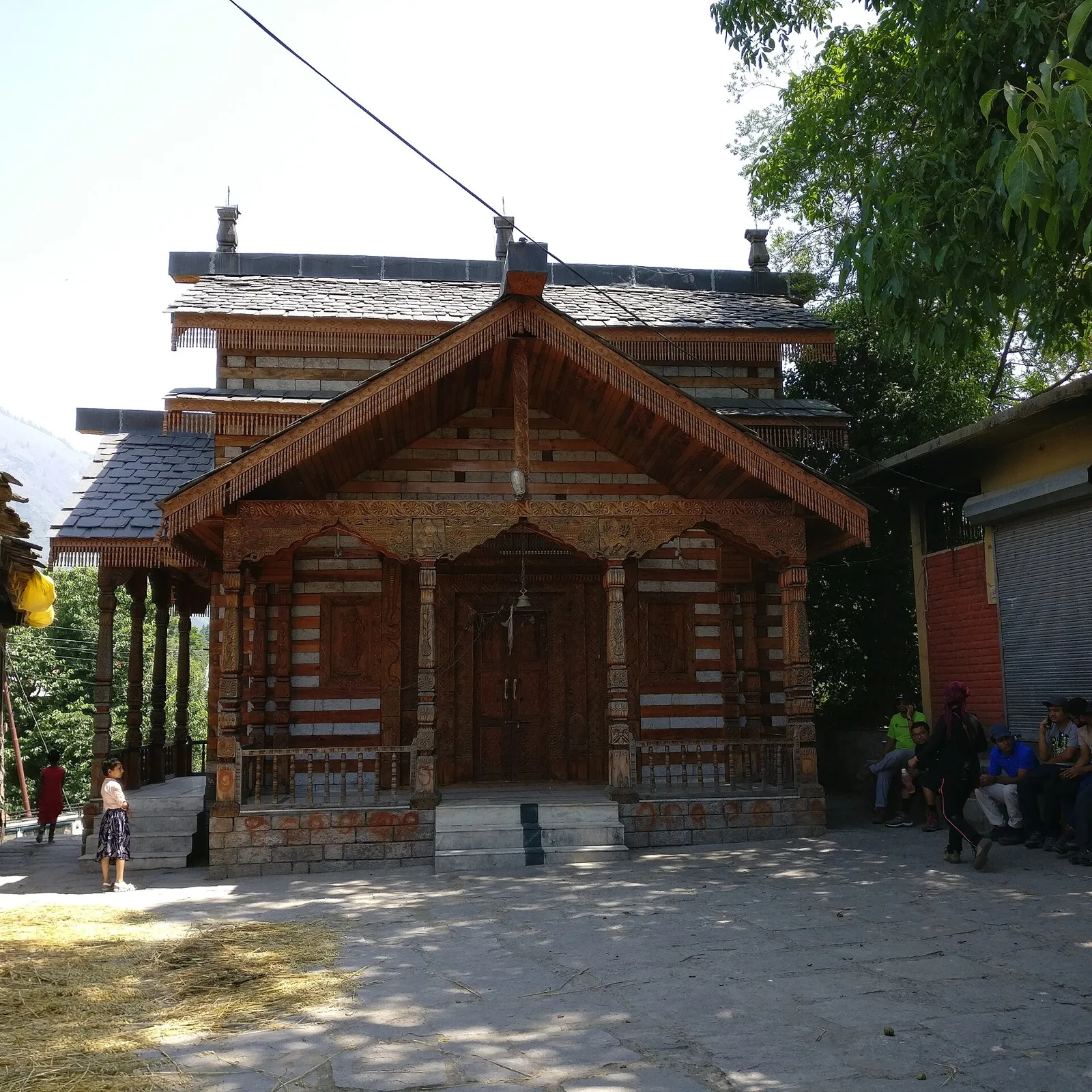
Religious visits and bathing at the springs are part of Vashisht’s living character. The temples and bathing areas have distinct customs, so visitors should observe posted guidance and follow the lead of local worshippers. Hindi and local Kullui or other Pahari speech may be heard, alongside languages used by visitors and tourism workers. The village’s public life also reflects its position near Manali: market shops, eateries and guest accommodation serve travellers as well as residents. Everyday routines continue around homes, the school and orchards above the main tourist area. Dress is generally practical for a mountain village, but modest clothing is considerate around shrines and shared bathing spaces.
Local communities
Vashisht is home to local families whose lives are connected with the village’s homes, orchards, school and religious sites. Apple growing and other horticultural work form part of the wider Kullu valley economy. Tourism also supports livelihoods through shops, restaurants, accommodation and visitor services, with some seasonal variation. The village’s temples and springs are important to devotees and residents as well as visitors; they should not be treated simply as attractions. Ask before photographing residents, homes or ceremonies, and respect areas that are private or reserved for worship and bathing.
Festivals & events
Religious observances at the Vashisht temples may bring local worshippers and visitors, but specific public festival dates and programmes can vary. Across Kullu district, Kullu Dussehra is a major autumn festival, with processions and gatherings centred on Kullu town; it can make accommodation and roads busier. Other village fairs and seasonal observances in the region may follow local religious and agricultural calendars. Confirm whether an event is actually taking place in Vashisht before planning around it. During festivals, keep pathways clear, follow organisers’ directions and ask before photographing ceremonies or participants.
Local food in Himachal Pradesh includes siddu (steamed stuffed bread), madra, dham (the traditional festive meal), chha gosht, trout from mountain streams, babru and fresh apples and apricots in season. Ask what is fresh that day; many small eateries cook a limited daily menu. Vegetarian travellers eat very well across this region, and most towns also have simple non-vegetarian dhabas. Remote sites may have no restaurant at all. Carry water and snacks, eat a proper breakfast before long drives, and ask your accommodation for a packed lunch if you are heading out early. Try a home-cooked or dhaba meal when you can — it is often the best food on the route. Choose busy, clean places and carry your packaging back to town.
Shopping & local experiences
The approach to Vashisht has shops selling food, clothing and tourist goods. Visitors may find locally made items and souvenirs, but ask about their origin rather than assuming they are produced in the village. Look for seasonal produce from the wider Kullu area, including apples when available, and try food at local eateries. Buying from small local businesses can support the village economy. Avoid purchasing items made from protected wildlife or plants, and carry reusable bags to reduce packaging and litter.
Vashisht sits on a mountain slope above the River Beas, across the river from Manali, with steep Himalayan terrain rising around the settlement. The sulphurous hot-water springs are its best-known natural feature, though their temperature, access and water quality should not be assumed to be constant. Homes and apple orchards extend above the main village area, while the surrounding Kullu landscape includes forested slopes and cultivated land. The Beas valley and nearby hills provide opportunities to notice changing mountain vegetation and common regional birdlife, but sightings vary by season and conditions. Monsoon rain can bring landslides and road disruption in Himachal’s hills. Do not drink spring water unless local authorities confirm it is safe, and avoid leaving litter near the water or on trails.
March to June and October to November for most hill towns; May to October for Lahaul-Spiti and high passes
The nearest principal railway station by straight-line distance is Joginder Nagar (narrow gauge), roughly 50 km away. The nearest operating airport by straight-line distance is Kullu–Manali area heliports (seasonal), roughly 20 km away. These figures are calculated from map coordinates — hill roads wind a lot, so actual road distance and travel time are usually much longer. Chandigarh, Kalka and Pathankot are the main rail gateways for the hills, and the Kalka–Shimla toy train is itself a heritage journey. For the final leg, Himachal Road Transport Corporation (HRTC) buses and shared taxis link district towns; shared taxis usually leave early in the morning. A private taxi gives more flexibility for remote sites. When comparing train, bus and flight, count the complete door-to-door time: a flight saves the most time only if the onward road transfer is short, while an overnight train plus a road journey can save a hotel night. Book your return before you leave, because seats fill quickly on weekends and holidays. Current train numbers, timings, return services and fares are not listed here; check IRCTC and NTES for trains and the airline's own schedule for flights. No permit is needed for Indian visitors to most of Himachal Pradesh. Some stretches near the international border in Kinnaur and Lahaul-Spiti may have check posts, and foreign nationals should check current registration rules for border areas before travel.
Confirm onward and return timings on IRCTC / NTES, the state bus operator or your airline before travel. A dash means current timings or fares have not been verified.
Getting around
Vashisht is commonly reached from Manali by road, and the village’s main approach has shops and restaurants. Local taxis can take visitors to the area; confirm a suitable drop-off and pick-up point with the driver, as roads and stopping space may be limited. Walking is practical for exploring the market and temple area, but slopes and uneven surfaces are common. Local buses and shared vehicles may serve routes in the wider area, though routes and availability should be checked locally. Parking can be constrained near the busy centre, so avoid blocking homes, shops or access roads.
Hours, tickets & permissions
Entry arrangements can differ between the temples, spring bathing areas and surrounding businesses. Some spaces may have separate access rules for worshippers and bathers, and bathing facilities may be managed independently. Tickets, donations, camera restrictions, dress expectations or identity checks can change, so do not assume that one rule applies across the village. Confirm current opening arrangements, access conditions and any fees with the temple or bathing-area management on arrival. Respect any signs or instructions from staff and local worshippers.
Facilities
The approach road has shops and restaurants, and the village has visitor-oriented services alongside local homes and a school. Toilets, drinking water, seating and parking may be available in or near commercial premises, but provision and access vary; check locally rather than relying on a particular facility. Food options are generally easiest to find along the approach and market area. ATMs, medical care and formal guides are more likely to be found in Manali than within the village itself. Ask before using facilities at a temple or bathing area, as some may be reserved for worshippers or bathers.
Accessibility
Vashisht is on a hillside, and walking routes can include slopes, uneven paving, steps and crowded sections around the market, temples and springs. The distance between a vehicle drop-off, a particular shrine and a bathing area can vary, so check the route before visiting. Wheelchair and stroller access may be difficult, and ramps or step-free access should not be assumed. Older visitors or anyone with limited mobility may prefer a short visit, a companion and a vehicle drop-off as close as local access allows. Resting places and shade are not guaranteed at every point. Spring bathing involves additional surfaces and access arrangements; ask the site manager before attempting it.
No permit is needed for Indian visitors to most of Himachal Pradesh. Some stretches near the international border in Kinnaur and Lahaul-Spiti may have check posts, and foreign nationals should check current registration rules for border areas before travel. Carry a photo ID at all times and save the emergency number 112 and your accommodation's contact offline. Altitude sickness is possible above about 2,500 m: ascend gradually, rest on arrival, drink water and turn back if you develop a severe headache, breathlessness or confusion. Hill roads are prone to landslides in the monsoon — avoid night driving and heavy-rain travel. Respect community rules, private property and posted instructions. Check official advisories for the region before travel, and follow local guidance if access changes.
Visitor rules
Follow signs and instructions at the temples and bathing facilities, including any separate rules for men’s and women’s bathing areas. Wear modest, practical clothing around shrines and shared spaces, and use footwear suitable for wet or uneven ground. Do not enter private homes, orchards, school grounds or restricted temple areas without permission. Keep voices low during worship, avoid littering and reduce single-use plastic. Do not touch, disturb or enter spring facilities in ways that interfere with other users. Ask before photographing people or ceremonies, and check locally for any photography restrictions.
Photography
Morning or late-afternoon light can show the village, temple details and surrounding mountain setting with softer contrast, though weather and shade vary. The market and public lanes offer everyday scenes, but ask permission before photographing residents, homes, children, worshippers or ceremonies. Photography may be restricted inside temples or around bathing areas; check signs and ask the people responsible before taking pictures. Keep cameras and phones discreet during worship. Do not fly a drone without confirming current aviation rules, local permissions and any site-specific restrictions.
Choose a stay by the full journey to Vashisht, not just the district name. Main towns in Kullu usually offer hotels, state tourism lodges and guesthouses with better transport, meals and medical access, while village homestays offer a closer connection to local life. At altitude, check heating, hot water and power backup, and expect cold nights for much of the year. Book in advance for weekends, festival dates and the peak season (March to June and October to November for most hill towns; May to October for Lahaul-Spiti and high passes). Confirm the exact location, meals included, check-in time and cancellation terms in writing. Many homestays accept payment on arrival; avoid sending money to unverified contacts. Mobile network and digital payments can be unreliable in remote areas, so carry some cash.
Manali is the main nearby town for accommodation, services and additional sightseeing. In and around Manali, visitors may consider Hadimba Devi Temple and the old Manali area, checking local access and conditions before combining visits. Solang Valley is another established destination in the wider Manali area, though weather and road conditions can affect plans. Naggar, also in Kullu district, is known for Naggar Castle and the Nicholas Roerich Art Gallery and Estate. These stops are not all on the same route; check actual road routes and conditions rather than relying on map distance, especially during the monsoon or winter.
For couples, Vashisht rewards a slow pace: arrive early for soft light and fewer crowds, share a local meal and keep the evening free. Public displays of affection can be frowned upon in conservative communities and at religious sites, so be discreet. A homestay or a small heritage hotel can make the trip memorable — confirm privacy, hot water and transport back. Keep a buffer in your itinerary, because weather and traffic can delay plans in Himachal Pradesh.
Q: How much time should I allow for Vashisht? A: A half-day is enough for a relaxed visit to the market, temples and spring area; allow longer if you plan a nearby excursion. Q: When is a good season to visit? A: March to June and October to November are commonly comfortable periods for many Himachal hill destinations. Check current weather and road conditions; monsoon travel can be disrupted. Q: Is there an entry fee? A: Rules and any charges can differ between temples and bathing facilities. Confirm current arrangements with the relevant local management. Q: Is Vashisht suitable for children and older visitors? A: Families can visit, but slopes, steps, wet surfaces and crowds need care. People with limited mobility should check access before setting out. Q: Can I stay nearby? A: Manali and the surrounding area offer visitor accommodation. Check the location, road access and current availability when booking.
Be the first to share photos, stories, advice or a helpful contact for Vashisht.
Loading…