Ghumoopedia — Explore, Discover, Experience
Sign in
Solan, near Solan

City guide · Himachal Pradesh

Solan

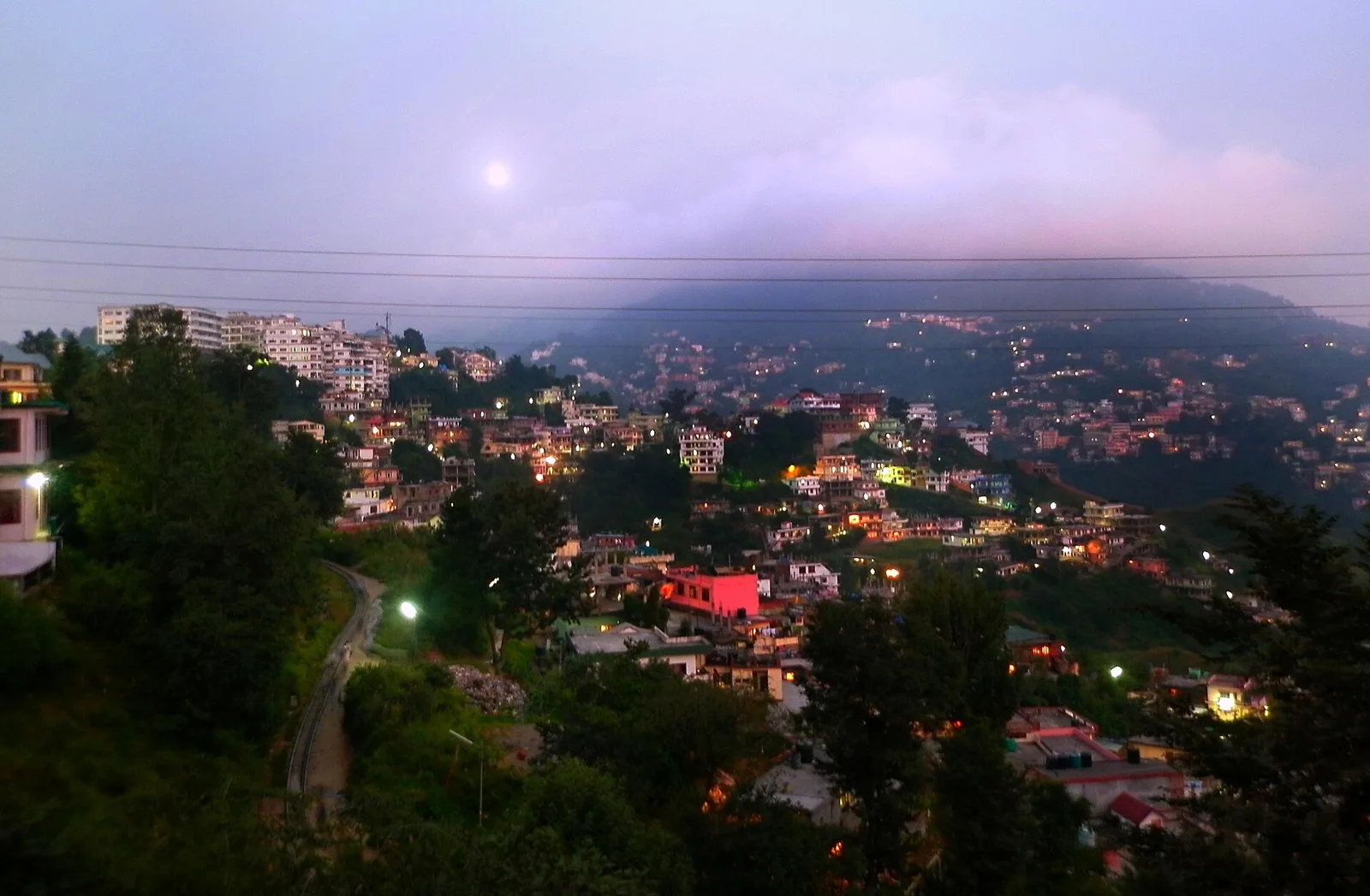
Solan is a hill city in Himachal Pradesh and the administrative headquarters of Solan district. Set in the Shivalik hills between Chandigarh and Shimla, it is an important stop on the Kalka–Shimla road and narrow-gauge railway.

Famous for

  • Shoolini Mata Temple
  • Mushroom cultivation
  • Tomato production
  • Shoolini fair
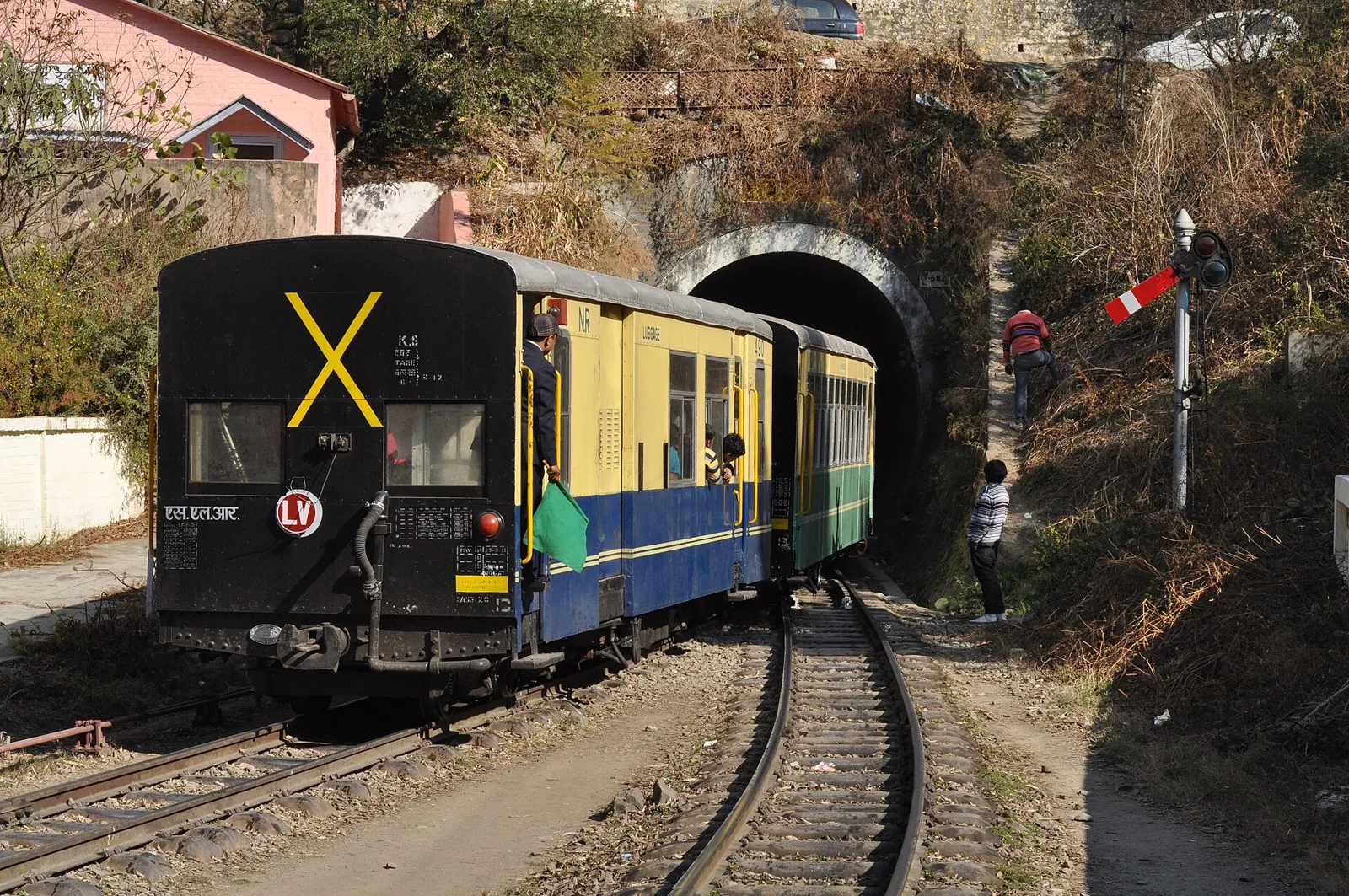
  • Kalka–Shimla railway

Why Solan matters

Solan is a hill city in Himachal Pradesh and the administrative headquarters of Solan district. Set in the Shivalik hills between Chandigarh and Shimla, it is an important stop on the Kalka–Shimla road and narrow-gauge railway. Its position makes it a useful base for exploring nearby hill towns, while its cooler climate and mountain setting also draw weekend visitors from the plains.

Solan is best known for mushroom cultivation and tomato production, earning it the popular names “Mushroom City of India” and “City of Red Gold”. The Directorate of Mushroom Research at Chambaghat reflects the importance of the crop to the area. Visitors come for the Shoolini Mata Temple, Jatoli Shiv Temple, historic cantonment and railway heritage, as well as nearby monasteries and mountain walks. The annual Shoolini fair brings worshippers and visitors into the town. Solan’s mix of working district centre, agricultural activity and religious landmarks gives it a character distinct from a resort-only hill station.
Famous for: crafts, trade & products

Solan’s best-known products are mushrooms and tomatoes. Mushroom growing has a long association with the area, supported by the Directorate of Mushroom Research at Chambaghat. Tomatoes are widely cultivated in the surrounding region and are sold through local produce markets. Visitors may find seasonal vegetables and locally grown fruit in shops and market stalls, though availability varies through the year.

The town is not especially known for a signature textile, saree tradition or widely recognised GI-tagged craft. Its commercial identity is more closely tied to horticulture, food production and brewing. Mohan Meakin, whose brewery was established in Solan in the nineteenth century, is a notable part of the city’s industrial history; visitors should check directly before planning any brewery visit, as public access is not assured. For a sense of the region’s agricultural and institutional work, Chambaghat is associated with mushroom research, while Dr Yashwant Singh Parmar University of Horticulture and Forestry is located at Nauni, outside the city. Solan’s central market is the practical place to browse everyday goods and seasonal produce rather than a specialised craft bazaar.

History

Solan’s past is closely linked to the princely state of Baghat, of which it became the capital. Local tradition also associates the surrounding hills with the Pandavas, though this belongs to folklore rather than documented urban history. The town takes its name from Shoolini Devi, a form of the goddess Durga, whose temple remains an important place of worship.

British control followed the Gurkha period in the early nineteenth century. A cantonment was established, and a brewery began operating in 1855, encouraged by the area’s water supply. The railway reached Solan as part of the Kalka–Shimla line in 1902, strengthening the town’s links with the plains and Shimla. The Baghat state headquarters shifted to Solan as the settlement grew around the cantonment, road and rail connections. Solan’s municipal council was formed in 1950. In 1972, the town became the headquarters of the newly established Solan district, consolidating its role as a regional administrative and commercial centre.

Food, festivals & culture

The Shoolini fair is Solan’s most prominent annual celebration. Held in June, it honours Shoolini Devi and includes a three-day mela at Thodo Ground, drawing worshippers and visitors from the surrounding region. Hindu festivals such as Dussehra, Diwali and Navratri are also observed. Temples shape the town’s devotional life: Shoolini Mata Temple, Jatoli Shiv Temple and Hari Mandir are among its notable places of worship. Dolanji, near Solan, is associated with a Bon Buddhist monastery.

Hindi is widely used, alongside local Pahari speech and Punjabi, which is familiar to many residents because of the region’s links with the neighbouring plains. Folk music and dance traditions of Himachal, including Nati, are part of community celebrations. Food reflects the wider state rather than a single Solan speciality. Visitors may encounter dishes such as madra, siddu and babru at Himachali restaurants or during local events; menus vary, and these are regional foods rather than products unique to the city. Seasonal produce, particularly mushrooms and tomatoes, also features in the area’s food culture.

Visiting the city

Spring and autumn are comfortable seasons for exploring Solan, while summer offers a cooler break from the plains. The June Shoolini fair is a lively time to visit. Winters are cold and may bring occasional light snowfall; monsoon travel can be affected by wet, hilly roads.

Shimla Airport at Jubbarhatti is the closest airport serving the area, while Chandigarh International Airport is a larger alternative with wider connections. Solan railway station lies on the narrow-gauge Kalka–Shimla line; travellers coming by broad-gauge train can connect at Kalka. The town is linked by road to Chandigarh and Shimla, and local buses and taxis are useful for getting around. Explore the central market, Shoolini temple and cantonment area, then consider Chambaghat, Jatoli or Barog for nearby outings. The road and rail routes are winding, so allow extra time for local journeys.

Trips from the city

Nearest places to visit from Solan

Our closest destination guides, by straight-line distance.

Solan

1 km away · Solan district

Solan

Solan is a Himachal Pradesh city and district centre in the Shivalik Hills between Chandigarh and Shimla. Visitors come for its temples, monastery, annual Shoolini fair and hill setting.

Chail

11 km away · Shimla district

Chail

Chail, a Himachal Pradesh hill station associated with both Shimla and Solan districts, attracts visitors for its cedar woodland, Himalayan views, historic palace, trekking routes and camping.

Kasauli

14 km away · Solan district

Kasauli

Kasauli is a town and cantonment in Himachal Pradesh’s Solan district. Visitors come for its colonial hill-station history and its setting within reach of nearby cities.

Kalka–Shimla Railway

18 km away · Shimla district

Kalka–Shimla Railway

This narrow-gauge railway connects Kalka and Shimla across the hills of northern India. Visitors travel the route for views of the mountainous landscape and nearby villages.

Jakhu Temple

22 km away · Shimla district

Jakhu Temple

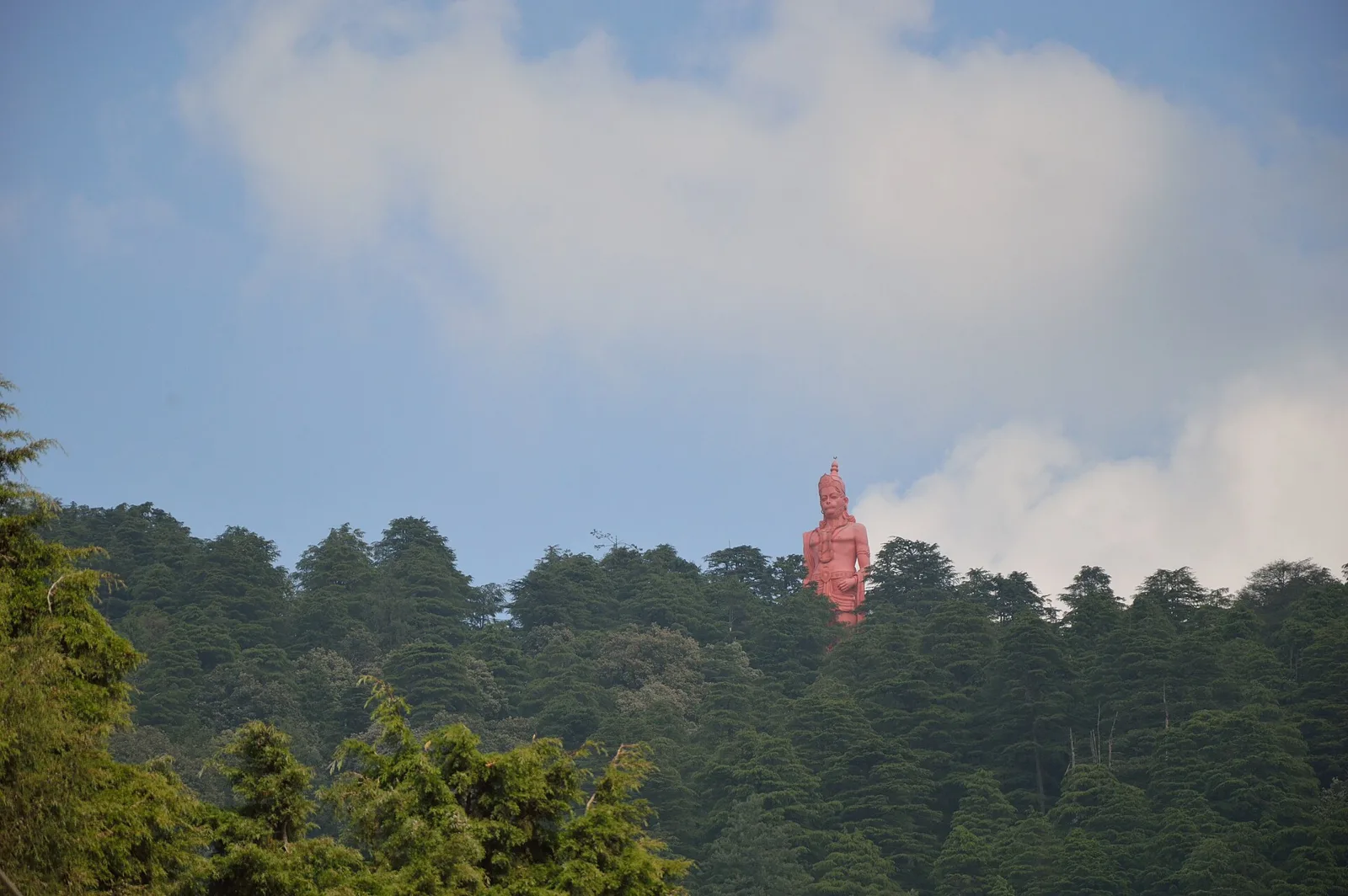
Jakhu Temple is a Hindu shrine dedicated to Hanuman on Shimla’s Jakhu Hill. Visitors come to worship, attend its Dussehra festival and see the large Hanuman statue.

Shimla

22 km away · Shimla district

Shimla

Shimla, Himachal Pradesh’s largest city, is known for its colonial-era buildings, religious sites and mountain setting. Visitors also come for the Kalka–Shimla Railway and the city’s historic landmarks.

Christ Church

23 km away · Shimla district

Christ Church

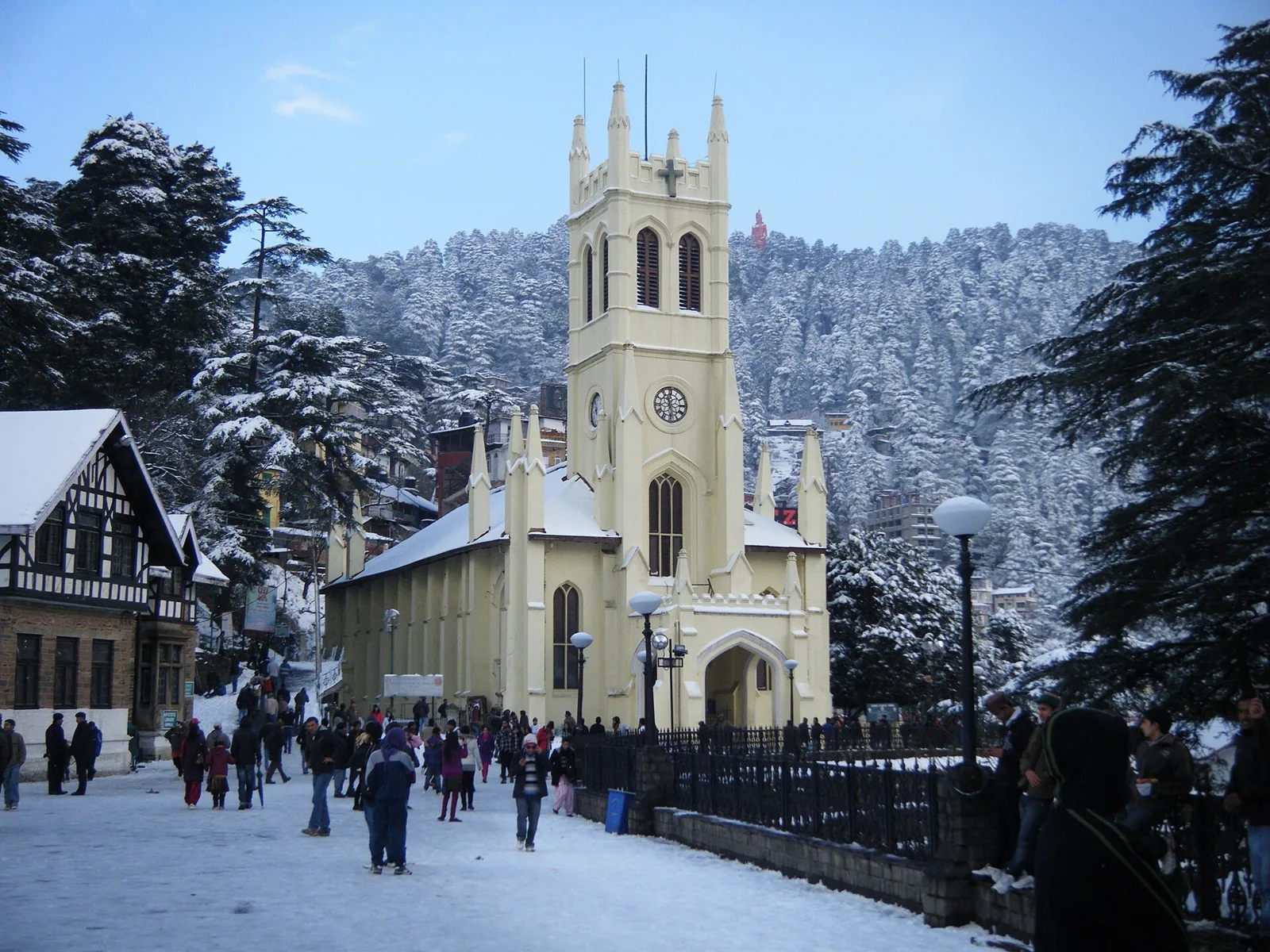
Visitors come to Christ Church in Shimla to worship and see a church ranked second in age across North India.

23 km away · Shimla district

The Ridge

A central open space in Shimla, The Ridge is a cultural gathering point beside the Mall Road. Visitors come to see its historic church and library, statues, and links to nearby parts of the town.

Map

Solan on the map

  1. 1Solan
  2. 2Chail
  3. 3Kasauli
  4. 4Kalka–Shimla Railway
  5. 5Jakhu Temple
  6. 6Shimla
  7. 7Christ Church
  8. 8The Ridge

Himachal Pradesh

Other cities to explore