Ghumoopedia — Explore, Discover, Experience
Sign in
Kalpa, near Kalpa

City guide · Himachal Pradesh

Kalpa

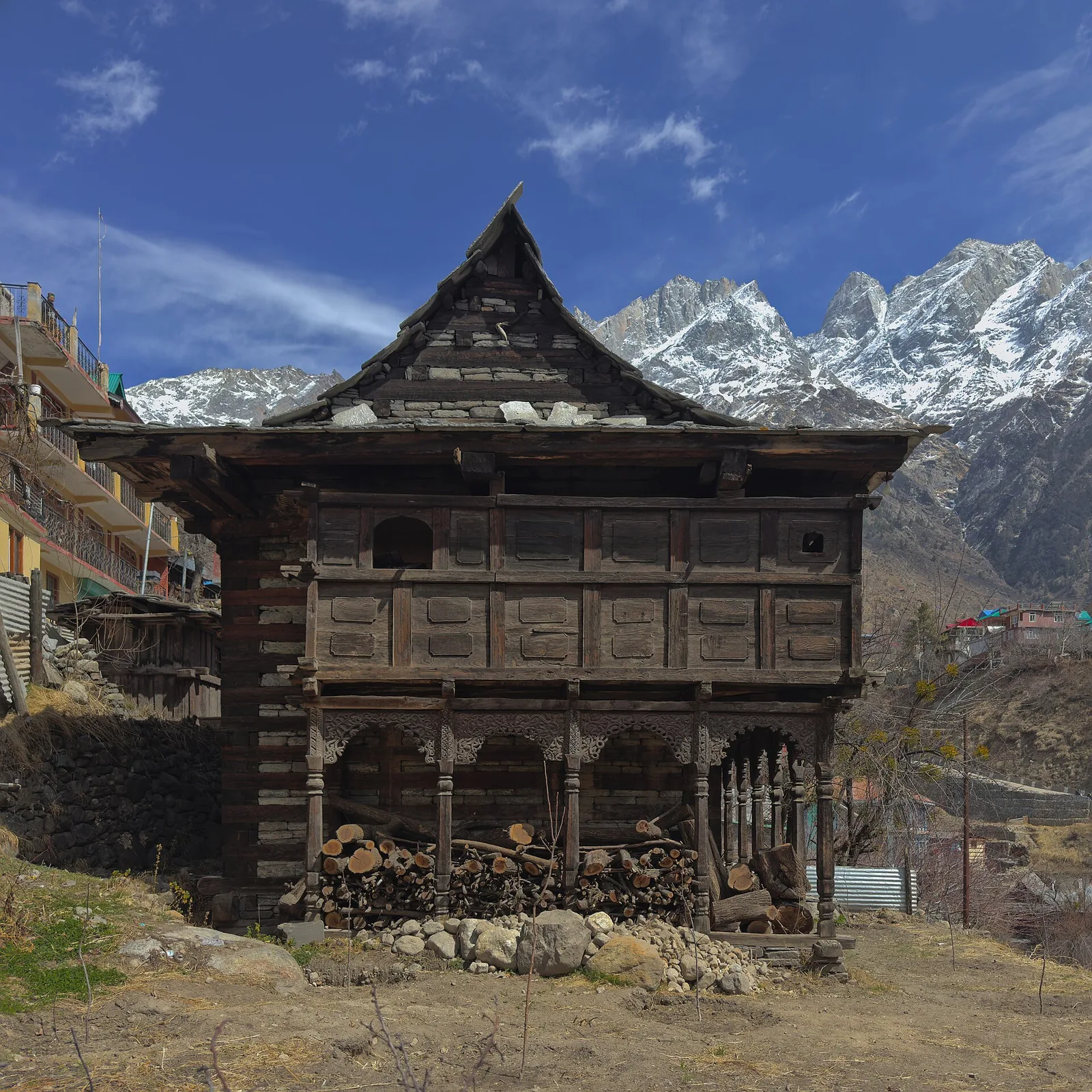
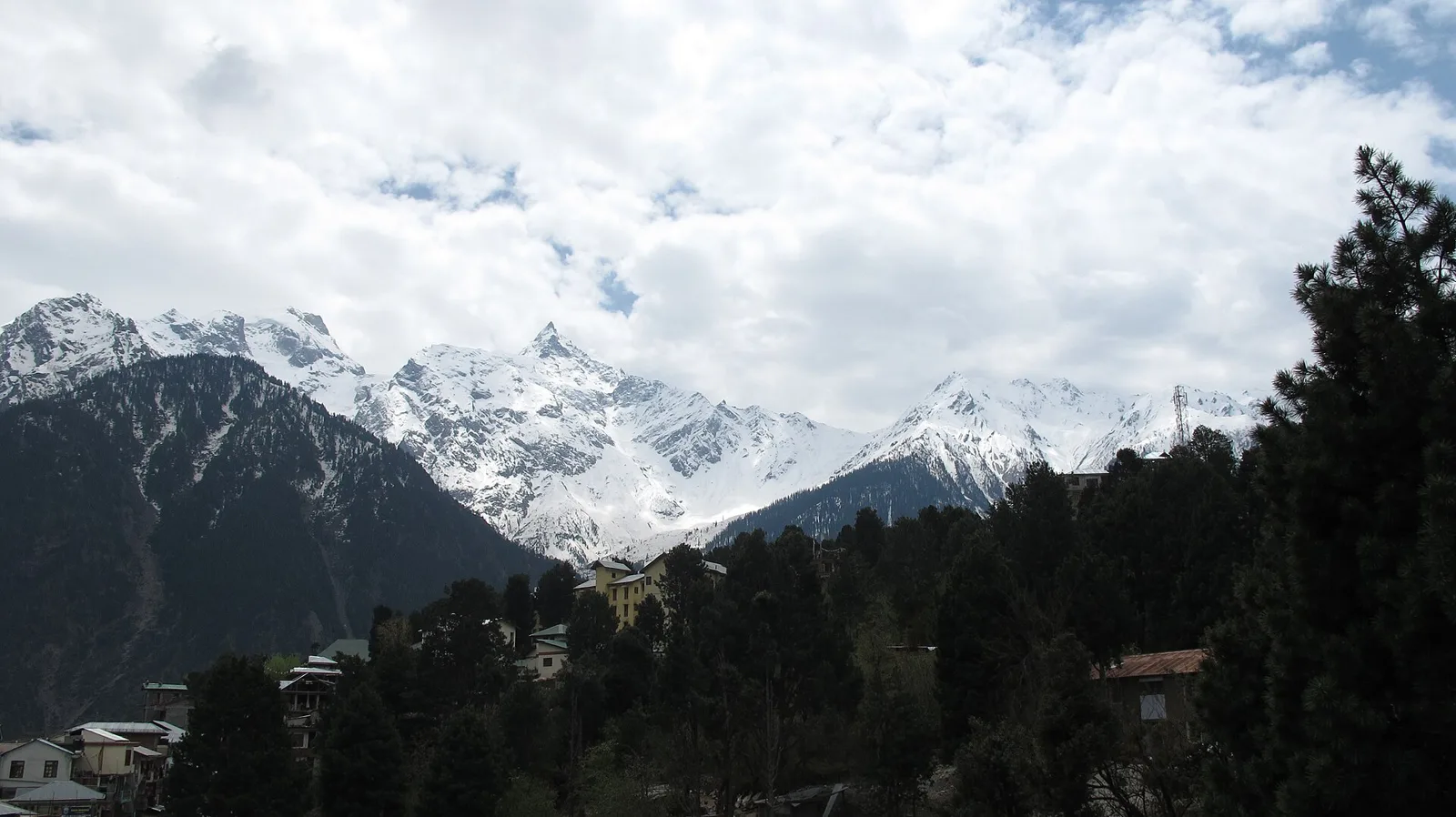
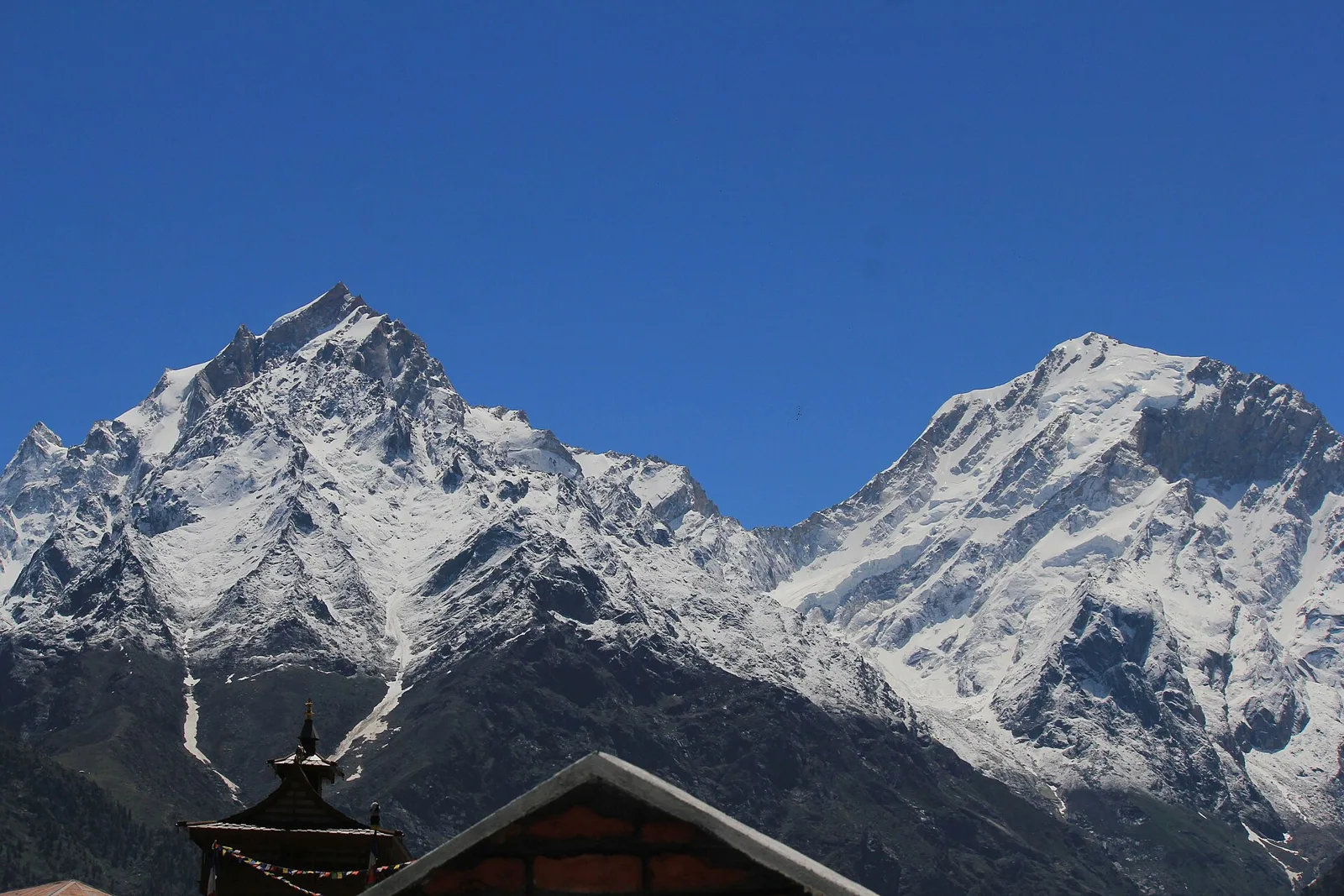
Kalpa is a high-altitude village in Kinnaur district, set above Reckong Peo in the Sutlej valley. At about 2,960 metres, it is known for broad views of the snow-covered Kinnaur Kailash range, including the striking Shivling peak.

Famous for

  • Kinnaur Kailash views
  • Apple orchards
  • Chilgoza pine nuts
  • Kinnauri Hindu-Buddhist traditions
  • Shyam Saran Negi

Why Kalpa matters

Kalpa is a high-altitude village in Kinnaur district, set above Reckong Peo in the Sutlej valley. At about 2,960 metres, it is known for broad views of the snow-covered Kinnaur Kailash range, including the striking Shivling peak. Orchards and stands of deodar and chilgoza pine surround the settlement, while the Sutlej cuts through deep gorges below.

Kalpa remains an important stop for exploring upper Kinnaur: Reckong Peo, the district headquarters, is nearby and is a practical centre for onward travel. Visitors come for mountain scenery, village walks, local temples and the quiet pace of life, as well as the region’s apples and chilgoza nuts. The area’s Kinnauri communities maintain religious traditions that bring Hindu and Buddhist practices together. Kalpa is also associated with Shyam Saran Negi, remembered as independent India’s first voter. Its combination of cultural heritage, orchards and dramatic Himalayan views gives the village significance beyond its modest size.
Famous for: crafts, trade & products

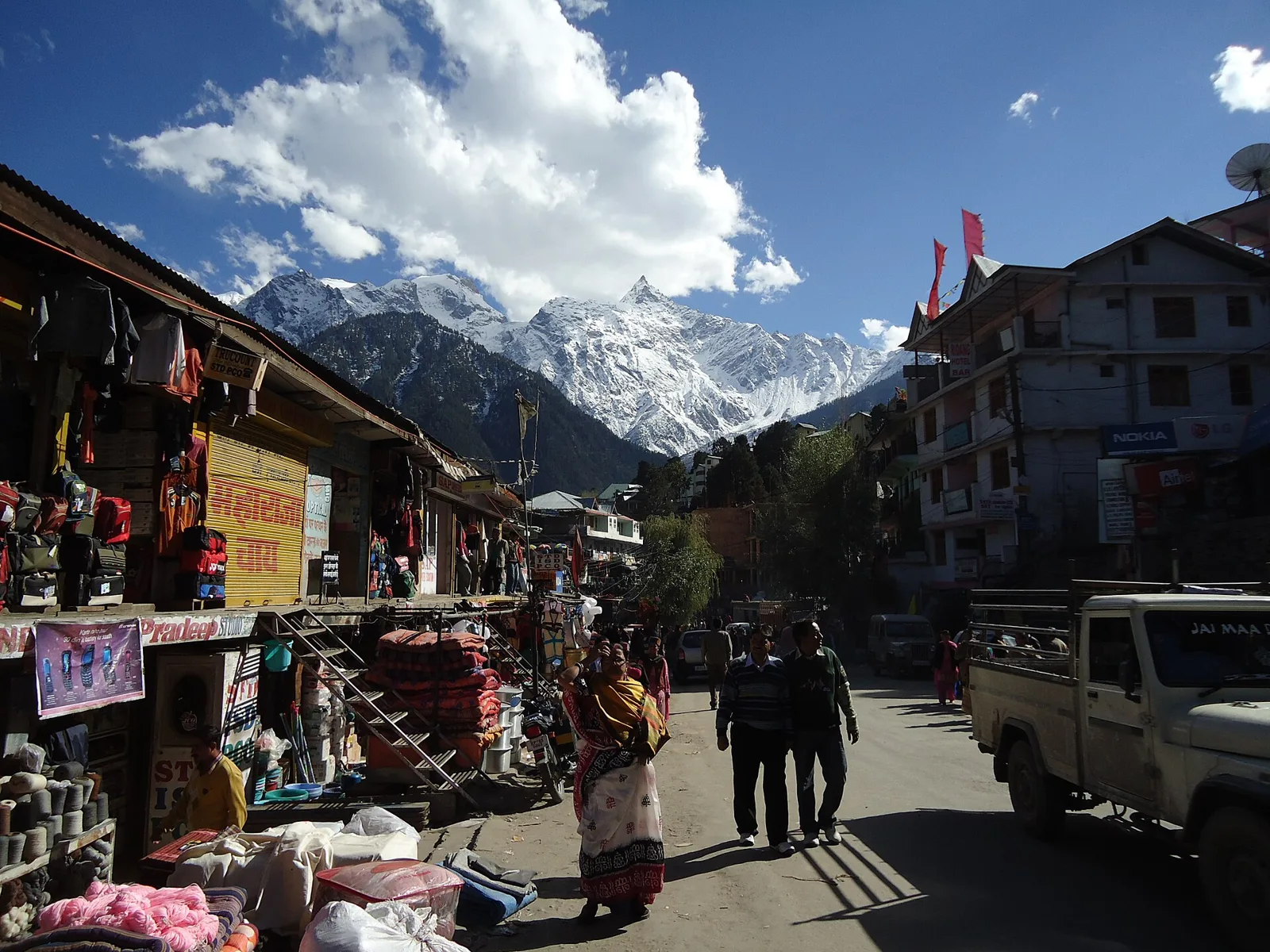
Kalpa and the surrounding tehsil are best known for apples, a major local crop, and chilgoza, the edible seed of the chilgoza pine. Orchards shape the landscape and local livelihoods; visitors may find seasonal fruit and regional produce through small shops and vendors in Kalpa and nearby Reckong Peo. Availability varies with the harvest season.

Kalpa is not a large manufacturing or textile centre, and it has no widely established city-specific GI-tagged product. Kinnaur is known more broadly for handwoven woollen shawls, caps and other traditional woollens. Small shops in Kalpa and Reckong Peo are the most practical places to look for regional clothing, crafts and packaged produce, though selection can be limited. Ask about the origin of handmade items, since products may come from elsewhere in the district. For a wider choice of everyday supplies and local services, Reckong Peo is the nearby market centre. The village’s strongest identity in trade remains its orchard produce rather than a large bazaar or factory industry.

History

Kalpa was formerly known as Chini. During the colonial period it served as a tehsil headquarters; it later became the headquarters of Kinnaur district before that administrative role moved to nearby Reckong Peo. Its position above the Sutlej valley made it a significant settlement in a mountain region linked by difficult roads and shaped by local agriculture and trade.

The first primary school in Kinnaur opened at Kalpa in the late nineteenth century, when the area was known administratively as Chini tehsil. In modern times, road access and the growth of Reckong Peo have changed the village’s role, but Kalpa remains a cultural and visitor centre for the district. Its history is also associated with Shyam Saran Negi, a Kalpa resident remembered as the first voter of independent India. Apple cultivation became central to the local economy, alongside traditional village life and religious institutions.

Food, festivals & culture

Kinnauri life in Kalpa reflects a close relationship between Hindu and Buddhist traditions, alongside older local beliefs. Temples and shrines may honour deities associated with both faiths. Kinnauri is spoken locally, while Hindi is widely useful. Regional meals draw on grains, lentils and seasonal produce; apples and chilgoza are among the area’s best-known foods. Menus and ingredients vary, so visitors should ask locally about dishes and seasonal specialties.

Kinnaur’s village festivals often follow the agricultural and religious calendar. Phulaich, generally held in autumn, is associated with flowers, community gatherings and remembrance of ancestors; celebrations differ between villages. Losar, the Tibetan New Year, is observed in parts of the wider region, with timing in winter varying by calendar. Local music, dance and ceremonial dress are particularly visible during festivals and community occasions. Visitors should treat places of worship respectfully, follow local guidance on photography and remember that customs may differ from one village to another.

Visiting the city

Late spring to early autumn is generally the most comfortable period for visiting, though monsoon weather can affect mountain roads. Winters are long, cold and snowy; warm layers are advisable even outside winter. Shimla Airport at Jubbarhatti is the nearest airport commonly used, while Shimla is the nearest main railway station on the narrow-gauge line. Kalka is a major broad-gauge railhead for onward travel by road.

Kalpa is reached by road via Shimla and Reckong Peo on the NH-5. Local taxis and private vehicles are useful for moving between villages; Kalpa’s lanes and orchard paths are best explored on foot where conditions allow. Spend time in the village and at viewpoints facing Kinnaur Kailash, and visit nearby Reckong Peo for services and its market. Kothi, with its Chandika Devi temple, is another nearby excursion. Check current road and permit requirements before travelling farther into the border region.

Trips from the city

Nearest places to visit from Kalpa

Our closest destination guides, by straight-line distance.

Kalpa

0 km away · Kinnaur district

Kalpa

Kalpa is a village in Himachal Pradesh’s Kinnaur district, set in the Sutlej valley. Visitors are drawn by its apple-growing landscape and temples reflecting the area’s Hindu and Buddhist traditions.

Reckong Peo

2 km away · Kinnaur district

Reckong Peo

Reckong Peo is Kinnaur’s administrative and commercial centre in Himachal Pradesh, and a base for pilgrims visiting a sacred rock pillar and travellers moving around the district.

Kinnaur Kailash

11 km away · Kinnaur district

Kinnaur Kailash

Kinnaur Kailash is a sacred mountain in Himachal Pradesh’s Kinnaur district, visited for its association with Shiva and Parvati and the revered Shivling on its slopes.

Sangla

12 km away · Kinnaur district

Sangla

Sangla is Kinnaur’s principal town in Himachal Pradesh’s Baspa Valley. Visitors may use its position near the Tibetan border and its role as the valley’s main settlement as a focus for exploring the area.

Chitkul

27 km away · Kinnaur district

Chitkul

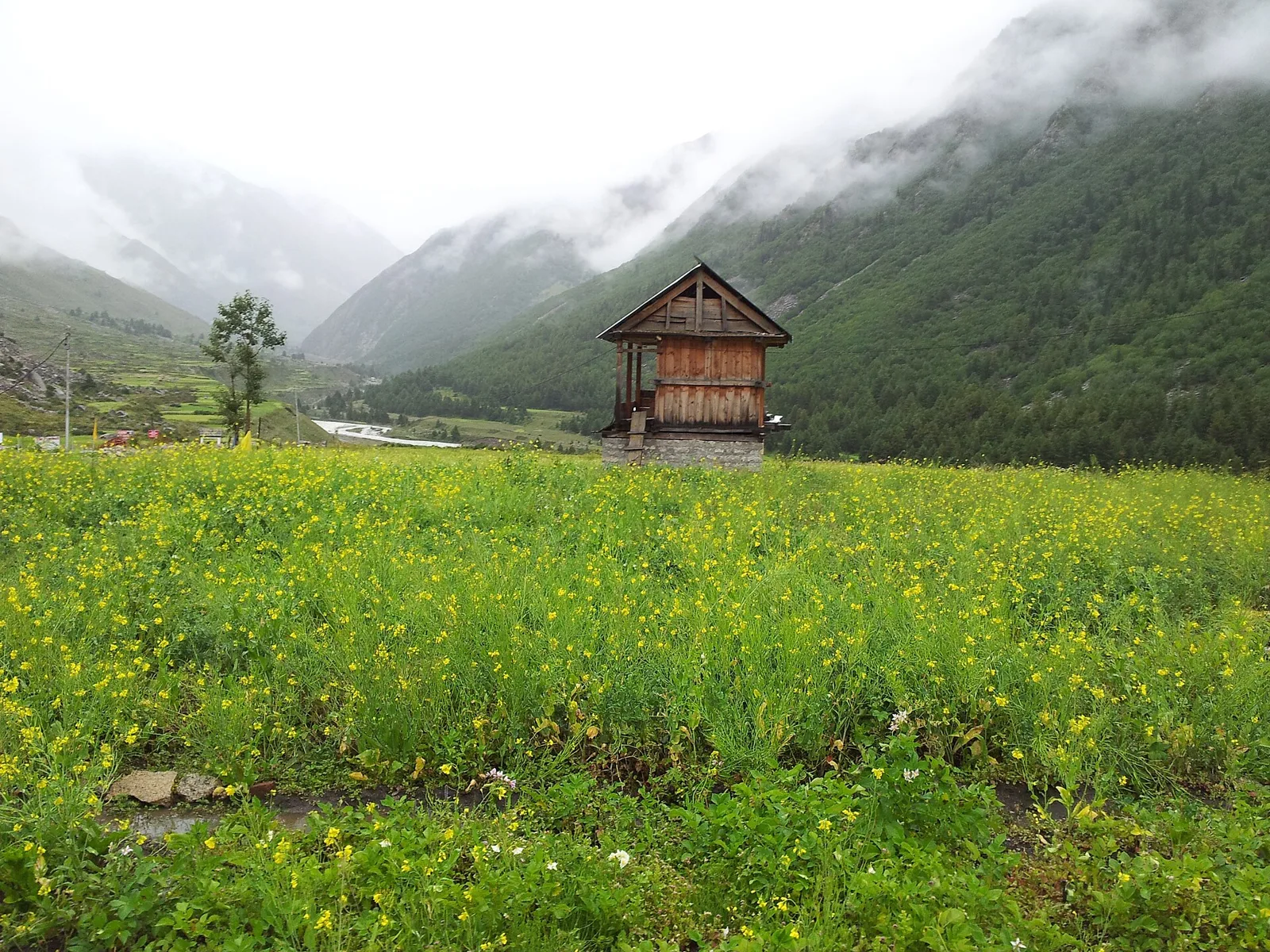
Chitkul is a village in Himachal Pradesh’s Kinnaur district, known for heavy winter snowfall and exceptionally clean air. These features make it a point of interest for visitors.

Sarahan

43 km away · Kinnaur district

Sarahan

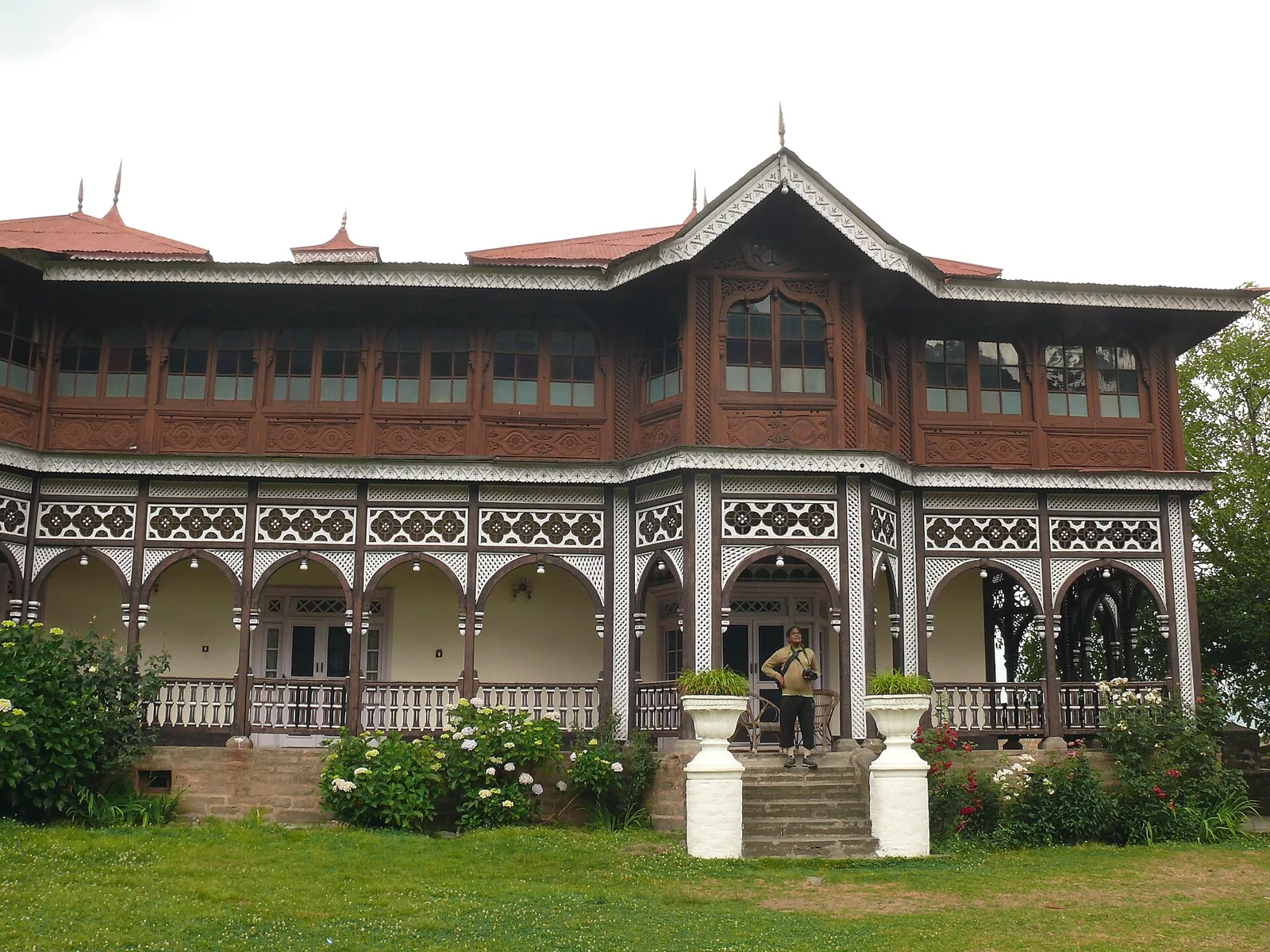
Sarahan, in Kinnaur district, Himachal Pradesh, draws visitors to the Bhimakali Temple and its links to the former Bushahr kingdom, for which it served as the summer capital.

Nako

53 km away · Kinnaur district

Nako

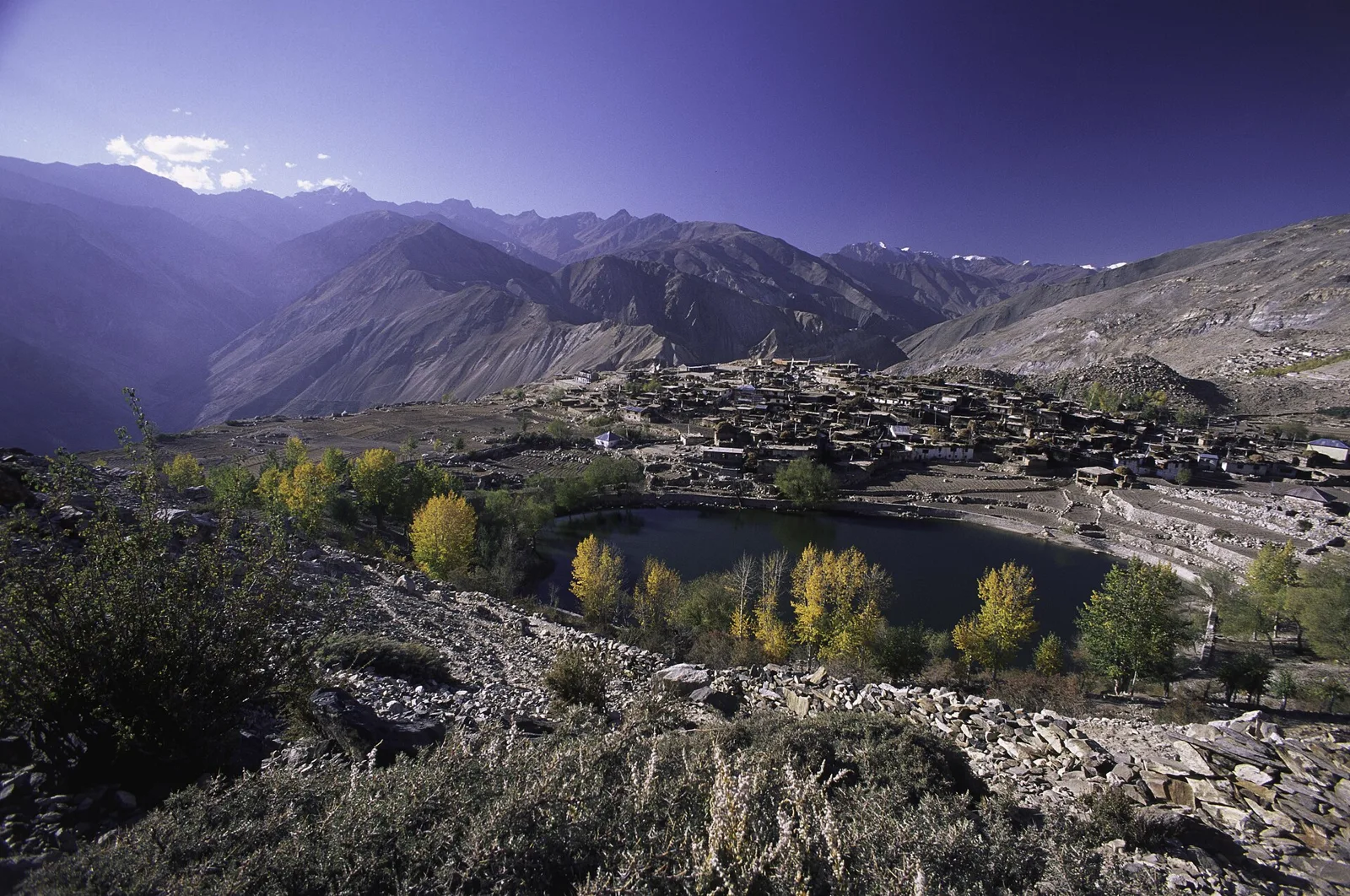
Nako is a Himalayan settlement in Kinnaur district, Himachal Pradesh, near the India-China border. Visitors are drawn to its lake, Buddhist monastery and chortens.

Rampur Bushahr

59 km away · Shimla district

Rampur Bushahr

Rampur Bushahr is a town and municipal council in Himachal Pradesh’s Shimla district, beside the Satluj. Travellers can reach it via National Highway 5, which connects it with nearby towns.

Map

Kalpa on the map

  1. 1Kalpa
  2. 2Reckong Peo
  3. 3Kinnaur Kailash
  4. 4Sangla
  5. 5Chitkul
  6. 6Sarahan
  7. 7Nako
  8. 8Rampur Bushahr

Himachal Pradesh

Other cities to explore