
Ghumoopedia — Explore, Discover, Experience
Sign in
Mandi, near Mandi

City guide · Himachal Pradesh

Mandi

Mandi is a city in Himachal Pradesh known for its Shivaratri fair, historic buildings and role as a starting point for the Prashar Lake trek.

Famous for

  • International Mandi Shivaratri Fair
  • Ancient stone temples
  • Bhootnath Temple
  • Victoria Bridge
  • Beas River setting
In the city
1
Nearby
2
District
Mandi

Why Mandi matters

Mandi is a historic town on the Beas River and the administrative headquarters of Mandi district in central Himachal Pradesh. It is a regional centre for services, education and travel, with road connections linking the hill districts and routes towards Manali and Chandigarh. The Indian Institute of Technology Mandi, about 15 kilometres from town, is a prominent part of its modern profile.

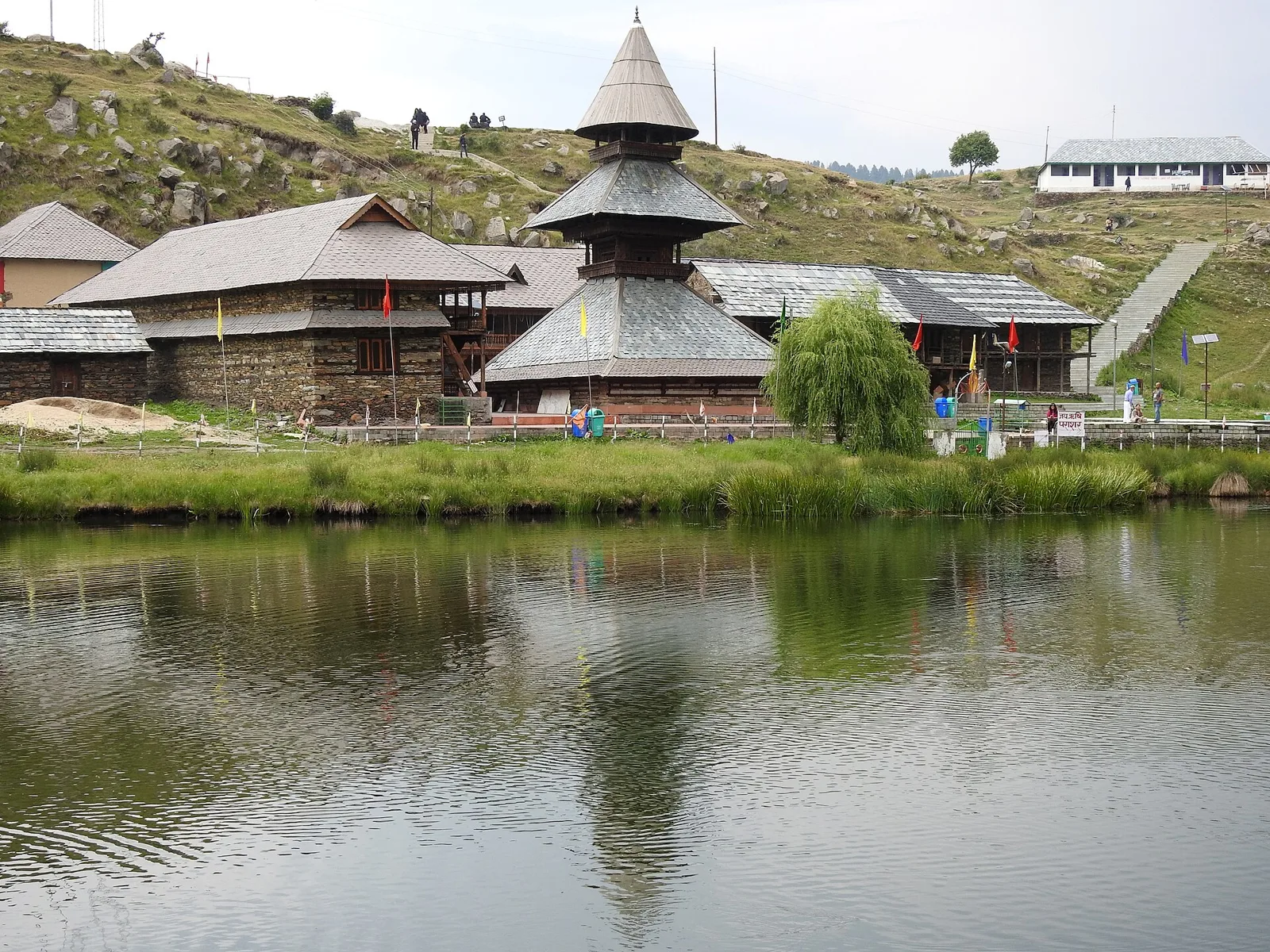
Visitors come for Mandi’s old temples, riverside setting and the International Mandi Shivaratri Fair. Its cluster of stone temples, many dedicated to Shiva, has earned it the name “Varanasi of the Hills.” Bhootnath Temple and the old-town shrines are central to the town’s religious character, while Victoria Bridge and surviving palace-era buildings offer glimpses of its past. Mandi is also a starting point for journeys towards Prashar Lake: trekkers typically travel onward to Bagi village before beginning the walk. The town makes a useful stop for exploring the wider district as well as a destination in its own right.
Famous for: crafts, trade & products

Mandi is best known for its temples, historic townscape and religious fair rather than for a major textile, craft or manufacturing industry. It is not widely identified with a city-specific GI-tagged product or a signature saree tradition. Visitors looking for everyday goods, clothing, local produce and household items can browse the town’s central bazaar and Indira Market; these are practical shopping areas rather than specialist craft districts.

The town’s distinctive heritage is more visible in its architecture than in a particular product. Stone carving can be seen on older temples, including Bhootnath and the shrines around the old town. The Victoria Bridge, built in 1877, is another notable historic landmark. Small shops near the temple areas cater to worshippers and visitors, with religious offerings and souvenirs, though selection varies. For regional handloom and craft shopping, travellers may find a wider range elsewhere in Himachal Pradesh; Mandi is more often used as a service and shopping centre for its surrounding district. IIT Mandi, located near Kamand, is a major educational institution associated with the area.

History

Mandi developed as the capital of a princely state in the western Himalaya. The town is generally credited to Raja Ajbar Sen, who established the present settlement in the early 16th century and shifted the capital here from Purani Mandi. Bhootnath Temple became an important focal point, and later rulers added temples, forts, palaces and public facilities. The rulers belonged to the Sen dynasty, whose traditions link them to the hill states.

During the 19th century, Mandi was part of a regional trade route connecting the hills with the plains. British influence grew after the Sikh power in the region weakened; the Victoria Bridge, completed in 1877 during Raja Vijay Sen’s reign, reflects this period of expanding roads and infrastructure. An earthquake in 1905 damaged the town. On 15 April 1948, Mandi State and Suket State merged as Himachal Pradesh was formed, and Mandi became the district headquarters. Today it combines its historic core with civic services, commerce and higher education.

Food, festivals & culture

Mandi’s cultural calendar centres on the International Mandi Shivaratri Fair, held in late winter around Shivaratri. Deities from surrounding areas are brought into town in processions, and worship, music, performances and stalls animate the celebration. Bhootnath Temple and the Madho Rai tradition are closely associated with the town’s religious life. Temples across the old town draw worshippers throughout the year, with additional activity during Hindu festivals such as Navratri.

Mandeali is widely spoken locally, alongside Hindi. Folk music and dance traditions of the region, including forms of Nati, are heard at festivals and community gatherings. Food is rooted in Himachali home cooking: dham, a festive meal served at celebrations, and dishes such as siddu and babru are found in the wider region. Local menus vary, and these foods are shared across parts of Himachal rather than being exclusive to Mandi. Tea shops and simple eateries around the bazaar offer convenient places to sample everyday meals, while festival days provide a chance to experience the town’s strongest mix of devotion, music and social life.

Visiting the city

Spring and autumn are comfortable seasons for exploring Mandi and travelling onward into the hills. Summer is also suitable, while monsoon rain can disrupt road journeys and winter nights are cold. Bhuntar Airport, serving the Kullu-Manali area, is the nearest airport commonly used for Mandi; onward travel is by road. The nearest railway station is Joginder Nagar on the narrow-gauge line, though many visitors use road connections from larger rail hubs.

Buses and taxis connect Mandi with nearby towns and regional destinations; within town, taxis and local vehicles are useful, while the old centre is best explored on foot. Allow time for the temple quarter, Bhootnath Temple, the central bazaar and Indira Market, then walk near Victoria Bridge and the Beas. Mandi is also a convenient place to arrange onward travel towards Prashar Lake and Bagi.

Attractions

Places to visit in Mandi

Sights within about 12 km of each other, even when they fall in different districts.

Short trips

Around Mandi

Within about 40 km — easy half-day or day trips from the city.

Map

Mandi on the map

  1. 1Mandi
  2. 2Prashar Lake
  3. 3Rewalsar Lake

Himachal Pradesh

Other cities to explore