
Ghumoopedia — Explore, Discover, Experience
Sign in
Dalhousie, near Dalhousie

City guide · Himachal Pradesh

Dalhousie

Dalhousie is a hill station in Himachal Pradesh’s Chamba district. Visitors come for its five-hill setting and its proximity to Khajjiar and Chamba town.

Famous for

  • Colonial hill-station heritage
  • Dainkund Peak views
  • Pine and deodar forests
  • Chamba Rumal embroidery
  • Chamba Chukh chilli relish
In the city
2
District
Chamba

Why Dalhousie matters

Dalhousie is a hill station in Chamba district, set across five hills in the western Himalaya at about 1,970 metres. Its cool mountain setting, wooded slopes and colonial-era buildings make it one of Himachal Pradesh’s best-known places for a relaxed hill escape. Visitors come for walks, viewpoints and day trips, as well as for the area’s churches and old bungalows.

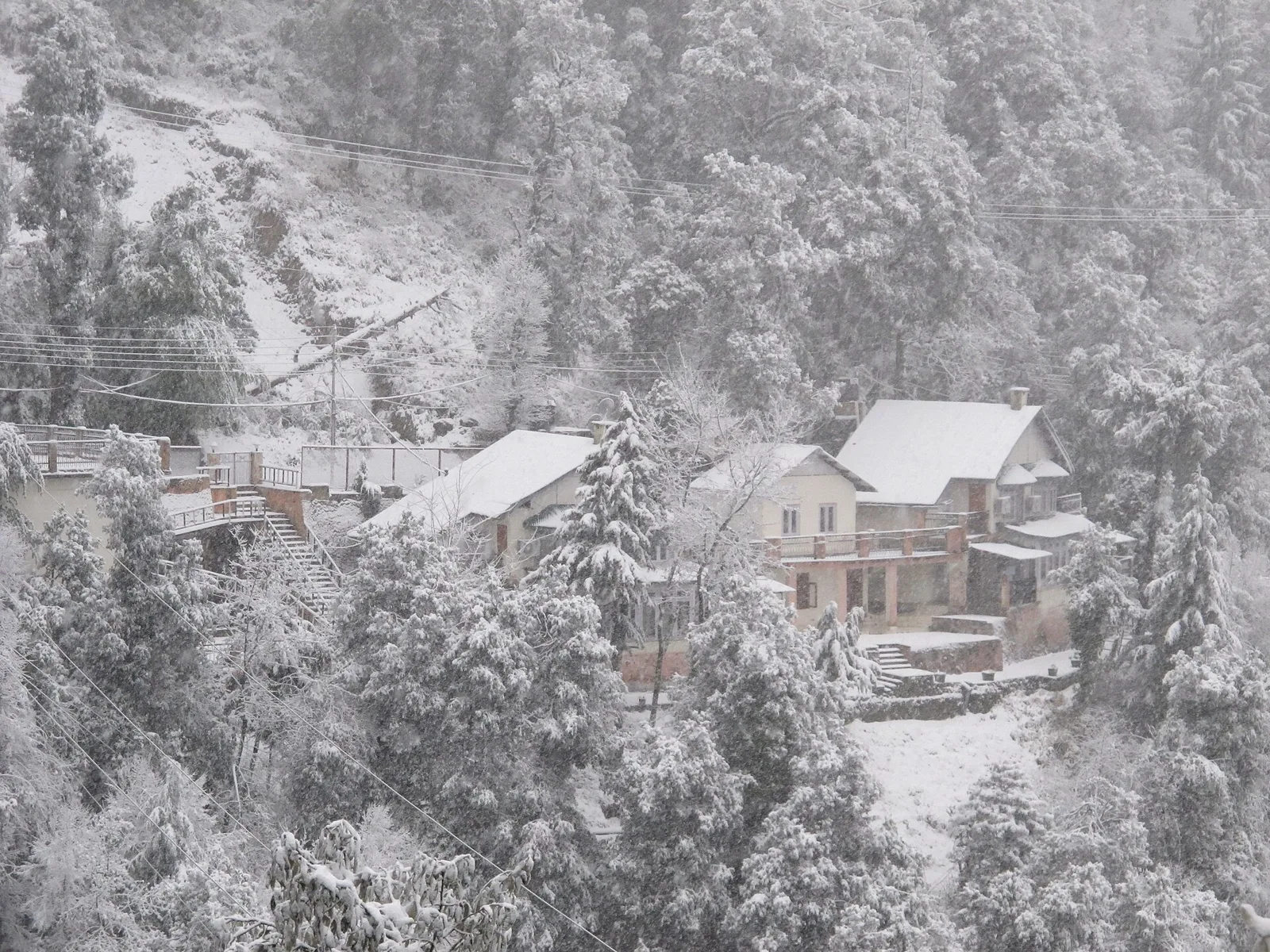
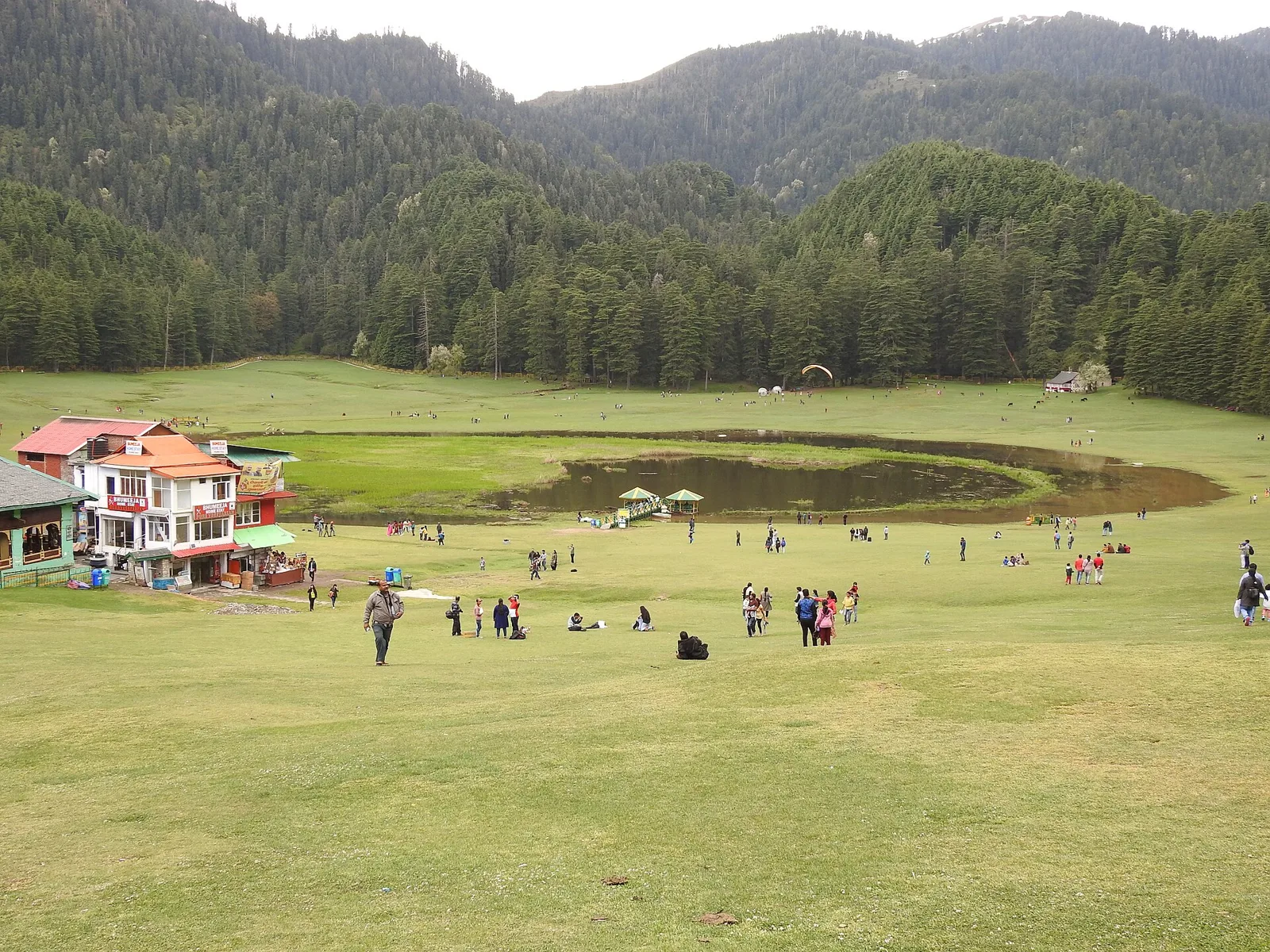
The town is also a convenient base for exploring the wider Chamba region. Dainkund Peak, Panchpula and the forested Bakrota hills are among its local outings; Khajjiar lies about 17 kilometres away, while Chamba town is roughly 35 kilometres distant. These connections give Dalhousie a role beyond a resort: it links visitors with the district’s landscapes, temples and craft traditions. Its appeal is strongest for travellers seeking scenery and quieter outdoor experiences rather than a large urban centre. Rain can be heavy in the warmer months, and winter brings frost and occasional snow, lending the town markedly different seasonal character.
Famous for: crafts, trade & products

Dalhousie is not a major textile, saree or industrial centre. Its best-known craft connection is with the wider Chamba region, especially Chamba Rumal, a finely embroidered cloth recognised with a Geographical Indication. The embroidery is associated with Chamba’s artistic heritage rather than mass production in Dalhousie itself. Chamba Chukh, a piquant chilli preparation from the district, is another familiar local speciality and a popular edible souvenir.

Small shops around Gandhi Chowk and Subhash Chowk sell souvenirs, woollens and regional food products, though stock and provenance vary. Visitors looking specifically for Chamba embroidery or a broader selection of district crafts may find more choice in Chamba town. The Bhuri Singh Museum there provides context on the region’s art and history; it is a place to learn about local traditions, not a market. Dalhousie’s economy is centred largely on tourism and visitor services, with shops, cafés and accommodation serving travellers. It has no signature large-scale manufacturing sector, and buyers should distinguish locally made goods from general hill-station merchandise.

History

Dalhousie developed as a British summer retreat in the mid-19th century, on land obtained from the rulers of the princely state of Chamba. The settlement was named for Lord Dalhousie, then Governor-General of India. Its position on several cool, elevated ridges suited the colonial preference for a seasonal escape from the plains. Churches, bungalows and public buildings from that period remain part of its architectural character, alongside later construction.

After Indian independence, Dalhousie continued as a hill resort and gradually became more accessible to domestic travellers. Road links connected it with Pathankot, Chamba and other parts of the region, supporting tourism and local commerce. The surrounding area remained closely tied to Chamba’s princely and cultural history, while Dalhousie itself grew primarily as a service town rather than an industrial centre. It is now part of Chamba district in Himachal Pradesh, a state formed in 1971. Tourism, seasonal visitors and the town’s role as a gateway to nearby natural and cultural sites shape its modern development.

Food, festivals & culture

The town’s food reflects Himachali and Chamba-region cooking. Visitors may encounter madra, a yoghurt-based curry often served at ceremonial meals, along with siddu, babru and local versions of dham, the traditional festive feast. Chamba Chukh, a hot chilli relish, is a distinctive regional taste; mittha, a sweet rice preparation, is another familiar festive dish. Menus vary between homes, eateries and seasons.

Hindi is widely used, alongside local Pahari speech, including Chambeali in the surrounding region. Folk songs and Nati-style dancing are part of Himachal’s cultural life, while Chamba has its own musical and artistic traditions. Dalhousie’s religious landscape includes Hindu temples and historic Christian churches. Regional celebrations are most visible during the monsoon-season Minjar festival in Chamba and the spring Suhi Mata fair; Dussehra, Diwali and Holi are also observed. These nearby events offer a stronger glimpse of local customs than the town’s visitor-focused main streets.

Visiting the city

Spring and early summer are popular for comfortable walks and clear mountain outings; autumn can also bring pleasant conditions. Monsoon travel may involve heavy rain, while winter is cold, frosty and sometimes snowy. Check local road conditions before setting out in winter or during intense rain.

The nearest airport is Pathankot Airport, though flight availability can be limited; Gaggal Airport near Dharamshala is another option farther away. Pathankot is the main railway gateway, with onward travel by road. Buses and taxis connect Dalhousie with nearby towns, and local taxis are useful for reaching viewpoints and surrounding attractions. Gandhi Chowk and Subhash Chowk form central areas for shops and services. Bakrota is known for its wooded walking routes, while Panchpula and Dainkund are popular excursions; Khajjiar makes a straightforward day trip.

Attractions

Places to visit in Dalhousie

Sights within about 12 km of each other, even when they fall in different districts.

Map

Dalhousie on the map

  1. 1Dalhousie
  2. 2Khajjiar

Himachal Pradesh

Other cities to explore