
Ghumoopedia — Explore, Discover, Experience
Sign in
Paonta Sahib, near Paonta Sahib

City guide · Himachal Pradesh

Paonta Sahib

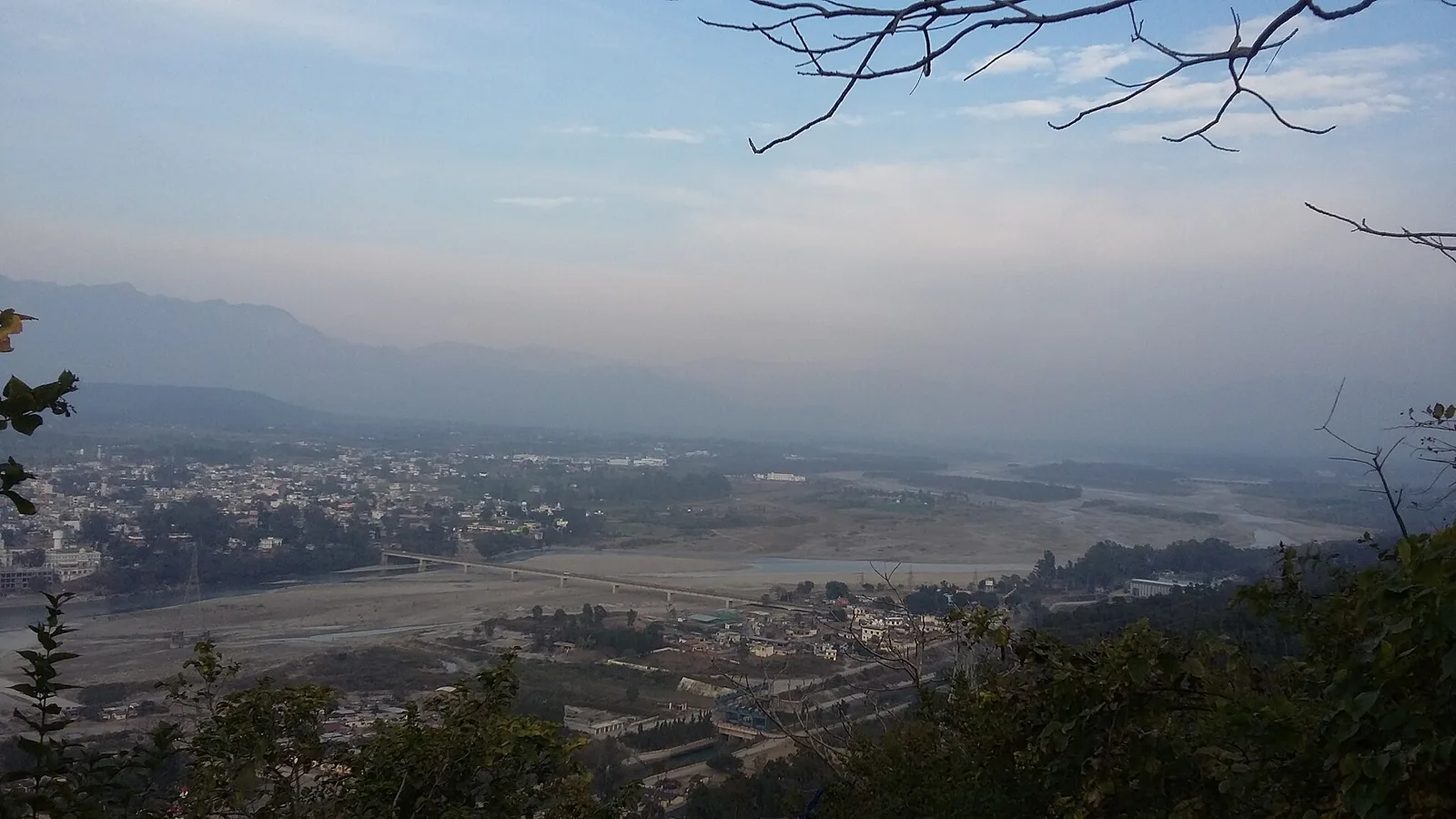
Paonta Sahib is a town in southern Sirmaur district, set in the Kyarda Doon valley beside the Yamuna. The river forms the boundary between Himachal Pradesh and Uttarakhand, giving the town a distinctive position at the meeting point of several regional routes.

Famous for

  • Gurudwara Paonta Sahib
  • Guru Gobind Singh’s legacy
  • Yamuna riverfront
  • Sirmaur industrial hub
  • Kyarda Doon valley
In the city
1
District
Sirmaur

Why Paonta Sahib matters

Paonta Sahib is a town in southern Sirmaur district, set in the Kyarda Doon valley beside the Yamuna. The river forms the boundary between Himachal Pradesh and Uttarakhand, giving the town a distinctive position at the meeting point of several regional routes. It is an important commercial and industrial centre for this part of Himachal Pradesh, as well as a place of pilgrimage for Sikhs.

The main draw is Gurudwara Paonta Sahib, associated with Guru Gobind Singh, who founded the town in 1685 and lived here for several years. Visitors come to pay their respects, learn about the town’s Sikh history and spend time beside the river. The gurdwara’s museum displays historical objects and weapons associated with the Guru. Paonta Sahib also makes a useful base for exploring nearby natural areas, including Kalesar National Park and Colonel Sher Jung National Park. Its mix of religious heritage, river scenery and industry makes it more than a stop on the regional highway.

Famous for: crafts, trade & products

Paonta Sahib is better known for industry and pilgrimage than for a distinctive textile, craft or GI-tagged product. Manufacturing is an important part of the local economy, including pharmaceutical production and other industrial activity. The town also serves the surrounding Sirmaur communities with everyday retail, transport and trade. Visitors looking for locally made souvenirs should not expect a dedicated craft quarter or a widely recognised Paonta-specific handicraft tradition.

For practical shopping, browse the town’s main bazaar and central market streets, where small shops sell clothing, household goods, snacks and daily necessities. Shops around the town centre are convenient for provisions before visiting the gurdwara or travelling to nearby parks. The gurdwara complex is the place to explore the town’s most significant heritage displays: its museum holds antiques and weapons associated with Guru Gobind Singh. Local industrial products are generally part of wider commercial supply chains rather than tourist-facing market goods. No particular saree, textile or GI-tagged specialty is firmly associated with Paonta Sahib, so visitors seeking Himachali crafts may find a broader selection in larger regional centres.

History

Paonta Sahib was founded in 1685 by the Sikh Guru Gobind Singh. Tradition connects its original name, Paontika, with the idea of a place where the Guru’s feet became settled: the account says that he stopped here with his horse and chose to stay. He spent about four and a half years in the town, a notably long residence, and is associated with writing religious works here before moving to Anandpur Sahib. The town is also remembered as the birthplace of Sahibzada Ajit Singh, his eldest son. Gurudwara Paonta Sahib preserves this heritage, with a museum displaying historical objects and weapons associated with the Guru; Banda Singh Bahadur is also linked to its history.

In the colonial period, Paonta formed part of the wider Sirmaur political landscape. In modern times it has grown as a regional market and industrial town, helped by its position on a major highway and near the boundaries with Uttarakhand, Haryana and Uttar Pradesh. Its religious importance remains central to its identity.

Food, festivals & culture

Sikh heritage is at the heart of Paonta Sahib’s public culture. Gurudwara Paonta Sahib is the town’s principal place of worship and a focus for prayer, community service and devotional singing, including shabad kirtan. Sikh observances and Gurpurabs draw worshippers through the year; Baisakhi, in spring, is a particularly important season for gatherings. Hindu temples and other local places of worship also serve residents of the town and surrounding communities.

Hindi is widely used, alongside Punjabi and regional Pahari speech. The town’s food reflects its position in the lower hills and its close links with neighbouring states: visitors will find North Indian and Punjabi staples, while some eateries serve dishes associated with Himachali home cooking. There is no single sweet or dish that is uniquely identified with Paonta Sahib. During religious visits, the gurdwara’s langar offers a communal meal, reflecting the Sikh practice of serving people together. Local music and celebration are often tied to religious occasions and community gatherings rather than to a distinct performance tradition promoted specifically for visitors.

Visiting the city

The most comfortable time to visit is generally October to March, when days are milder than in the hot summer months. Summer can be very warm, while monsoon rain may affect road journeys. Jolly Grant Airport near Dehradun is the nearest major airport. Paonta Sahib has no railway station; Dehradun Railway Station is a principal rail gateway, with Yamunanagar-Jagadhri another option for some routes.

Buses, taxis and local auto-rickshaws are useful for getting around, while the central town is manageable on foot in places. Start around Gurudwara Paonta Sahib and the nearby town centre, then visit the Yamuna riverfront. The main bazaar is convenient for food and everyday shopping. Kalesar National Park and Colonel Sher Jung National Park are nearby outings; arrange onward transport locally, as facilities may be limited outside town.

Attractions

Places to visit in Paonta Sahib

Sights within about 12 km of each other, even when they fall in different districts.

Map

Paonta Sahib on the map

  1. 1Paonta Sahib

Himachal Pradesh

Other cities to explore