
Paonta Sahib
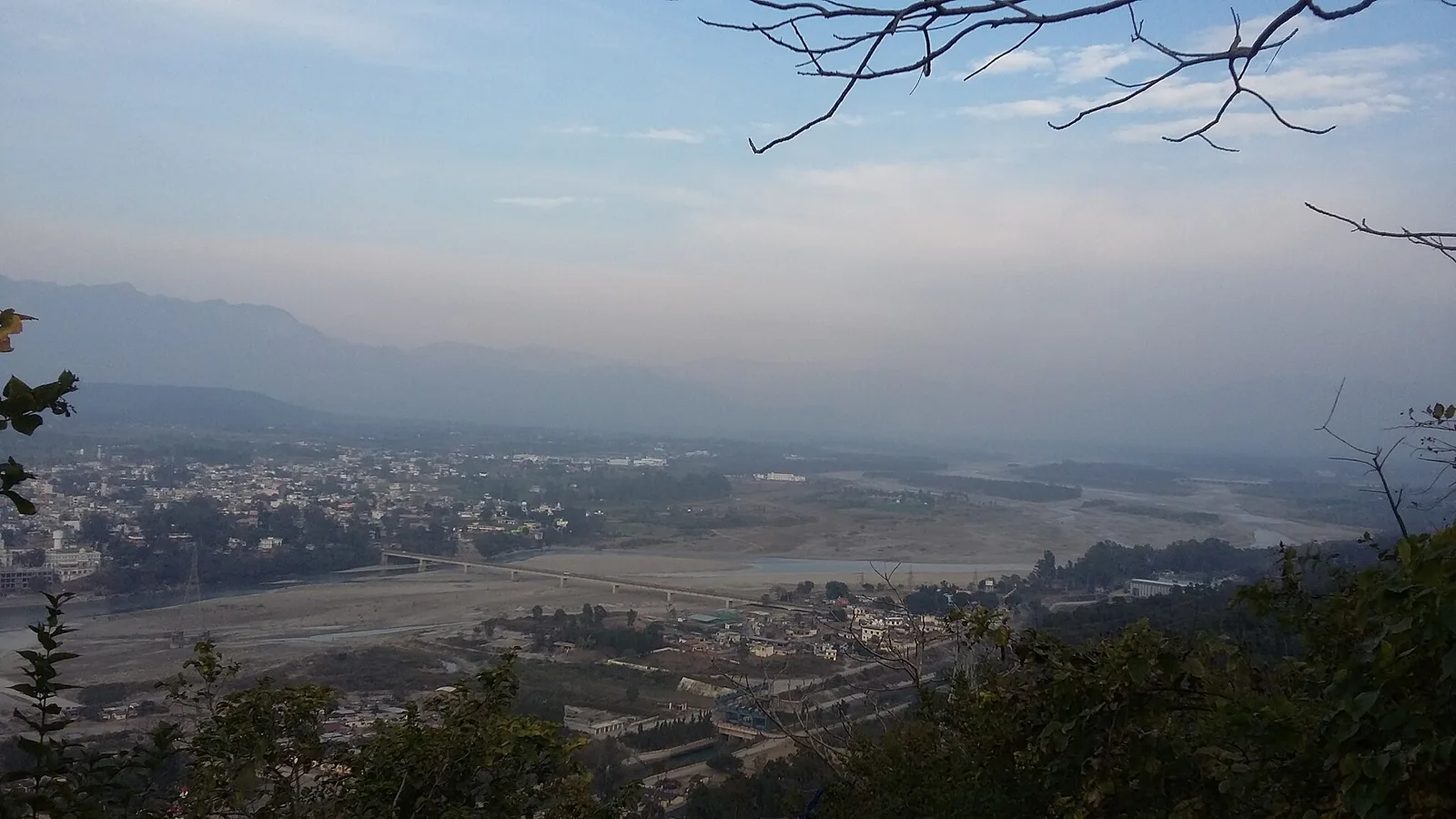
Paonta Sahib is an industrial city in Himachal Pradesh’s Sirmaur district. People visit for the large Gurudwara Paonta Sahib, an important place of worship for Sikhs beside the Yamuna.
Key facts · verified by Ghumoopedia editors
- Type of place
- Temple / pilgrimage site
- Best time to visit
- March to June and October to November for most hill towns; May to October for Lahaul-Spiti and high passes
- Nearest railway station
- Yamunanagar Jagadhri · about 50 km (straight line)
- Verified
- 21 Nov 2026
Plan a trip from Paonta Sahib — a day-by-day route through places nearby.
Paonta Sahib lies in the southern part of Sirmaur district, in Himachal Pradesh. The city occupies Kyarda Doon valley and is situated on National Highway 72, also identified as NH 7. Sikh worship is a central reason people come here. The large Gurudwara Paonta Sahib is an important religious site for Sikhs and stands beside the Yamuna. The river forms the boundary between Himachal Pradesh and Uttarakhand. The city’s industrial character, its Sikh place of worship and its position beside the state boundary are defining aspects of Paonta Sahib. Himachal's hill towns blend Hindu temple traditions, Tibetan Buddhist monasteries and village devta (local deity) customs, with fairs and festivals tied to the farming calendar. Altitude decides the weather: the Shivalik foothills are mild, Shimla and Manali are cool with winter snow, and Lahaul-Spiti is a cold desert closed by snow for months. The July–September monsoon brings landslides and road closures in the hills. The usual best time to visit is March to June and October to November for most hill towns; May to October for Lahaul-Spiti and high passes. Timings, fees and access arrangements must be confirmed locally. For official information, see Himachal Pradesh Tourism at https://himachaltourism.gov.in.
Why it matters
Paonta Sahib is an important Sikh pilgrimage centre in Sirmaur district, in the southern part of Himachal Pradesh. Its principal shrine, Gurudwara Paonta Sahib, stands beside the Yamuna, which forms the state boundary with Uttarakhand. Sikh tradition associates the town with Guru Gobind Singh, who lived and taught here before the Battle of Bhangani. The gurdwara draws worshippers from Himachal Pradesh and neighbouring states, as well as visitors travelling through the Shivalik foothills. Paonta Sahib is also an industrial town, so pilgrimage takes place within an active urban setting. Its importance is religious and historical; this account does not rely on a UNESCO or Archaeological Survey of India designation.
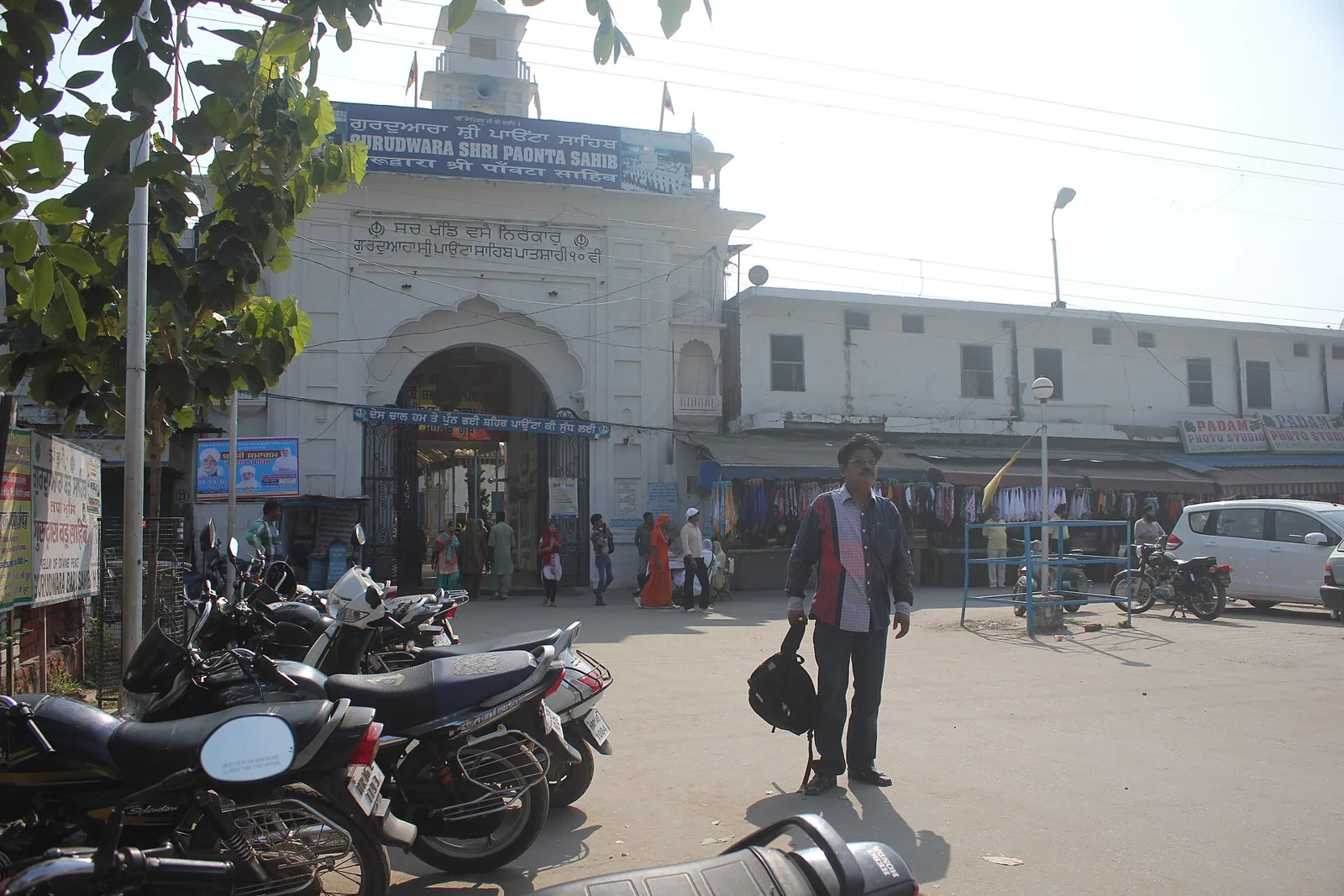
Paonta Sahib is closely associated with Guru Gobind Singh, the tenth Sikh Guru. Sikh historical tradition records that he came to the Sirmaur region at the invitation of Raja Medini Prakash and established a residence at Paonta in the late seventeenth century. The town became a place for teaching, writing and gathering followers. Accounts associate the Guru’s stay with the period before the Battle of Bhangani, fought nearby against a group of hill rulers. The battle is an important episode in Sikh historical memory, though details can differ among historical accounts. The gurdwara marks the site associated with the Guru’s residence and presence. The original buildings have not remained unchanged: the present complex reflects later construction, upkeep and expansion to serve worshippers. As the town grew into an industrial centre, the shrine continued to function as a place of prayer and community service. The Yamuna-side setting remains central to its identity. For precise details about building phases, relics or restoration work, visitors should consult the gurdwara’s management or a reliable Sikh historical source rather than assume that every feature belongs to the Guru’s time.
Origin stories & folklore
According to local tradition, the name Paonta is connected with the word paon, meaning foot, and with Guru Gobind Singh’s arrival at the site. Stories explaining the name vary, and they are best understood as devotional tradition rather than a settled account of the town’s naming. Sikh belief also holds this place dear because of the Guru’s residence, spiritual leadership and association with the events leading to the Battle of Bhangani. Such traditions are shared through religious teaching and local storytelling. Visitors can listen respectfully, while distinguishing oral accounts and sacred memory from claims established by documentary history.
Architecture & design
Gurudwara Paonta Sahib is a functioning religious complex on the Yamuna’s bank, rather than a preserved archaeological ruin. The present buildings have developed over time to accommodate worship, community gathering and visitor services. The complex is characterised by light-coloured surfaces, prominent domed or dome-like roof forms, and a central prayer space. Courtyard areas connect the main worship areas with facilities used by the congregation. The Nishan Sahib, the Sikh flag, marks the site. Inside, the arrangement centres on the Guru Granth Sahib and the congregation’s focus on prayer and kirtan. The river-facing setting gives the complex a distinctive landscape context, though access to the river edge may depend on local conditions. As with many active gurdwaras, surfaces and circulation routes may have been altered for practical use. Visitors should follow signs and ask staff which areas are open, rather than entering service or restricted spaces.
Important objects & sculptures
The central sacred object is the Guru Granth Sahib, installed in the prayer hall and treated with the reverence accorded to Sikh scripture. During worship, visitors may see the chaur sahib, a ceremonial whisk waved over the scripture, and decorated rumalas covering it. The Nishan Sahib outside is another important visible symbol of Sikh identity and hospitality. The gurdwara is associated with Guru Gobind Singh, but visitors should not assume that objects on display are personal relics of the Guru. Displays, if open, may change; ask the gurdwara staff about their interpretation and any restrictions before viewing or photographing them.
Religious significance
Paonta Sahib is a Sikh place of worship associated with Guru Gobind Singh and his time in the Sirmaur region. Worshippers come to listen to readings from the Guru Granth Sahib, join prayer and kirtan, and pay their respects in the darbar hall. The gurdwara also expresses the Sikh principles of seva, or selfless service, and langar, the community meal offered without distinction. Visitors of other faiths are generally welcome when they follow the gurdwara’s conduct rules. The site’s meaning for worshippers is not limited to its architecture: it is a living community space where scripture, remembrance, service and shared participation are central.
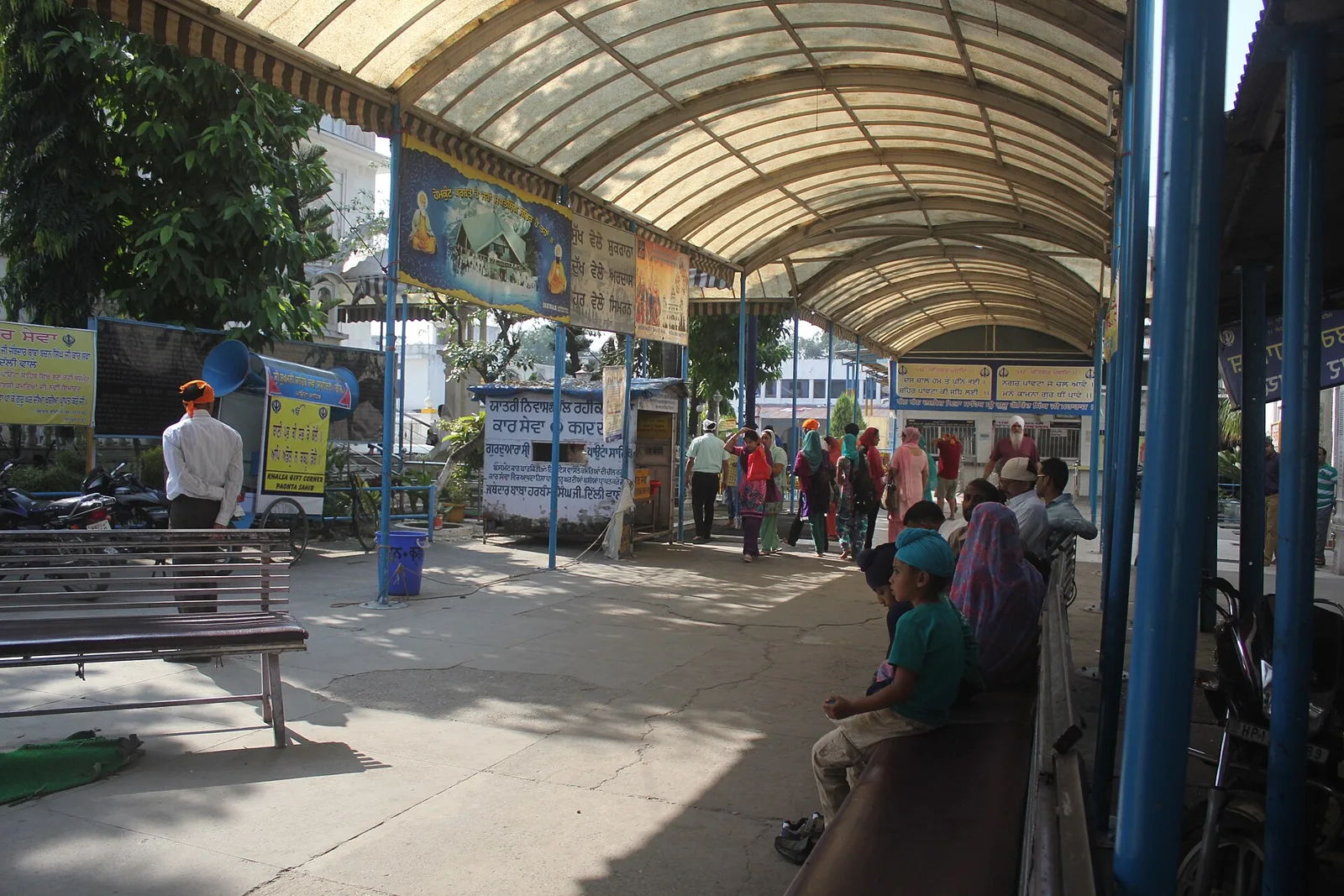
Visit Paonta Sahib with time to observe daily rituals respectfully. Follow the posted rules on footwear, photography, head covering and dress, walk clockwise around shrines, and avoid interrupting worshippers. Ask caretakers which areas are open to visitors. A comfortable itinerary is one main visit in the morning, a local meal at midday and a short nearby stop before an afternoon return. Use the district list on this site to find other places in Sirmaur, but check the actual road route and its condition before combining stops. If a festival or fair is on, local roads and stays can be busy — and the experience can be unforgettable. Leave no litter: many sites are protected by the communities around them.
Suggested itineraries
Half day: Spend 1–2 hours at the gurdwara for prayer, quiet observation and, if available, langar; take a short walk through the nearby town before departing. Full day: Allow 2–3 hours at the gurdwara; have a local meal; visit Suketi Fossil Park or another nearby stop after checking road conditions and opening arrangements. Gentler option: Arrange a drop-off close to the gurdwara, spend time in the main accessible prayer area, and rest in the complex or nearby rather than adding a longer excursion.
The gurdwara is a living centre of Sikh practice, with devotional singing, prayer and community service forming part of its daily life. Langar brings visitors and local residents together around a shared meal. Punjabi is widely used in Sikh worship and community settings; Hindi is also common in the town, alongside regional languages. Visitors may encounter customary head coverings and modest dress, but should avoid treating worshippers’ clothing as a spectacle. Paonta Sahib’s urban surroundings include both pilgrimage activity and everyday commercial life. Be considerate in the prayer hall, keep conversations quiet and allow worshippers space to take part in rituals.
Festivals & events
Sikh observances such as Gurpurabs, including celebrations associated with Guru Gobind Singh, draw worshippers to Paonta Sahib. Baisakhi, usually in spring, is also an important season for Sikh gatherings. Religious programmes may include prayer, kirtan, processions or community service; arrangements vary from year to year. During major observances, the shrine and nearby streets can be busier than usual, and local accommodation and transport may be more in demand. Check with the gurdwara or local authorities for current programme details, and allow extra time if visiting during a festival.
Local food in Himachal Pradesh includes siddu (steamed stuffed bread), madra, dham (the traditional festive meal), chha gosht, trout from mountain streams, babru and fresh apples and apricots in season. Ask what is fresh that day; many small eateries cook a limited daily menu. Vegetarian travellers eat very well across this region, and most towns also have simple non-vegetarian dhabas. Remote sites may have no restaurant at all. Carry water and snacks, eat a proper breakfast before long drives, and ask your accommodation for a packed lunch if you are heading out early. If langar or prasad is offered at the shrine, accept it according to local custom — gurdwara langar is free and open to everyone. Choose busy, clean places and carry your packaging back to town.
Shopping & local experiences
Paonta Sahib’s town markets serve local residents as well as pilgrims. Visitors can look for everyday religious items, head coverings, books or devotional recordings, but stock and sellers vary. Choose modest, useful souvenirs and ask permission before photographing shopkeepers or displays. The town also offers Punjabi and North Indian meals, snacks and sweets; langar at the gurdwara is a community meal rather than a commercial attraction. Avoid buying items described as historic relics unless their provenance is clear, and carry reusable bags to reduce plastic waste.
March to June and October to November for most hill towns; May to October for Lahaul-Spiti and high passes
The nearest principal railway station by straight-line distance is Yamunanagar Jagadhri, roughly 50 km away. The nearest operating airport by straight-line distance is Shaheed Bhagat Singh International Airport, Chandigarh, roughly 85 km away. These figures are calculated from map coordinates — hill roads wind a lot, so actual road distance and travel time are usually much longer. Chandigarh, Kalka and Pathankot are the main rail gateways for the hills, and the Kalka–Shimla toy train is itself a heritage journey. For the final leg, Himachal Road Transport Corporation (HRTC) buses and shared taxis link district towns; shared taxis usually leave early in the morning. A private taxi gives more flexibility for remote sites. When comparing train, bus and flight, count the complete door-to-door time: a flight saves the most time only if the onward road transfer is short, while an overnight train plus a road journey can save a hotel night. Book your return before you leave, because seats fill quickly on weekends and holidays. Current train numbers, timings, return services and fares are not listed here; check IRCTC and NTES for trains and the airline's own schedule for flights. No permit is needed for Indian visitors to most of Himachal Pradesh. Some stretches near the international border in Kinnaur and Lahaul-Spiti may have check posts, and foreign nationals should check current registration rules for border areas before travel.
Confirm onward and return timings on IRCTC / NTES, the state bus operator or your airline before travel. A dash means current timings or fares have not been verified.
Getting around
Paonta Sahib is an urban centre, and local movement is generally possible by walking, auto-rickshaw or taxi. Local buses and shared vehicles serve routes in the wider area, but routes and availability should be checked on arrival. The gurdwara is in town beside the Yamuna; ask locally for the best drop-off point, especially during busy religious gatherings. Parking may be available nearby, but spaces can be limited when the shrine is crowded. Walking is practical for the immediate town centre, though traffic, heat and uneven pavements can affect comfort.
Hours, tickets & permissions
Entry arrangements can differ between the prayer areas, service spaces and any displays. Visitors should follow notices at the entrance and ask the gurdwara management about current opening arrangements, access restrictions and any applicable fees for particular facilities. Dress and head-covering requirements apply in worship areas, and footwear must be removed where directed. There is no need to assume that every part of the complex is open to sightseeing. Confirm current hours and fees with the managing authority before travelling.
Facilities
The gurdwara usually provides facilities for worshippers such as a shoe-deposit area and access to langar; drinking water and toilets may also be available. Ask staff where facilities are located and whether any areas are temporarily closed. Shops, eateries, accommodation and other everyday services can be found in Paonta Sahib town. Parking and guide services should be checked locally, as provision may vary with crowd levels. ATMs and medical services are generally sought in town rather than assumed to be inside the religious complex.
Accessibility
The gurdwara is in a town setting, but movement within a large active complex can involve walking across courtyards and changing floor surfaces. Steps or thresholds may be present, and access conditions can vary between areas. Do not assume there are ramps, lifts or wheelchair-accessible toilets; contact the gurdwara management before visiting if these are essential. Wheelchair and stroller access may be easiest in open ground-level areas, but assistance could be needed. Older visitors may prefer a nearby drop-off, frequent rests and avoiding the busiest periods. Shade and seating availability should be checked on arrival.
No permit is needed for Indian visitors to most of Himachal Pradesh. Some stretches near the international border in Kinnaur and Lahaul-Spiti may have check posts, and foreign nationals should check current registration rules for border areas before travel. Carry a photo ID at all times and save the emergency number 112 and your accommodation's contact offline. Heat in summer and dense fog in winter are the main weather risks; carry water and allow extra travel time on foggy December–January mornings. Respect community rules, private property and posted instructions. Check official advisories for the region before travel, and follow local guidance if access changes.
Visitor rules
Remove footwear where instructed and cover your head in the prayer areas; scarves are often available, but bringing one is helpful. Wear clothing that covers shoulders and legs, and follow posted directions about washing or other entry customs. Keep voices low, do not interrupt prayers, and ask before entering areas reserved for worshippers or staff. Follow notices about photography and keep plastic and other litter out of the complex and river. Respect the langar arrangements and take only the food you can finish.
Photography
Photography rules can differ between the courtyard, prayer hall and other parts of the complex, so check notices or ask staff before taking pictures. The river setting and exterior architecture may be suitable subjects where photography is permitted. Be especially careful not to photograph worshippers, scripture or ceremonies without permission. Avoid flash if it could disturb prayer. Drone use may be restricted by site rules and aviation regulations; do not fly one without explicit permission and all required clearances. Soft daylight can make exterior views easier to photograph, but respectful conduct takes priority over a viewpoint.
Choose a stay by the full journey to Paonta Sahib, not just the district name. Main towns in Sirmaur usually offer hotels, state tourism lodges and guesthouses with better transport, meals and medical access, while village homestays offer a closer connection to local life. In the plains, check fans or air-conditioning in summer and heating in the December–January cold wave. Book in advance for weekends, festival dates and the peak season (March to June and October to November for most hill towns; May to October for Lahaul-Spiti and high passes). Confirm the exact location, meals included, check-in time and cancellation terms in writing. Many homestays accept payment on arrival; avoid sending money to unverified contacts. Mobile network and digital payments can be unreliable in remote areas, so carry some cash.
Within Sirmaur district, visitors may consider Nahan, the district’s historic town, or Renuka Lake, a well-known lake and pilgrimage destination. Suketi Fossil Park near Nahan presents fossil exhibits and is a possible stop for travellers interested in natural history. Simbalbara National Park is another regional nature destination, but access and road conditions should be checked before planning a visit. The Battle of Bhangani is associated with the area’s Sikh history; ask locally about suitable places to learn more, as visitor facilities and access may vary. These stops are not all close together, so check the actual route before combining them.
For couples, Paonta Sahib rewards a slow pace: arrive early for soft light and fewer crowds, share a local meal and keep the evening free. Public displays of affection can be frowned upon in conservative communities and at religious sites, so be discreet. A homestay or a small heritage hotel can make the trip memorable — confirm privacy, hot water and transport back. Keep a buffer in your itinerary, because weather and traffic can delay plans in Himachal Pradesh.
Q: How much time should I allow for Paonta Sahib? A: A half-day is enough for a considered visit to the gurdwara; allow more time if you want a nearby excursion. Q: When is a good season to visit? A: Spring and autumn are often comfortable in the foothills. Check local weather and road conditions, especially during the monsoon. Q: Is there an entry ticket? A: Check current entry arrangements with the gurdwara management; rules may differ for worship areas and other facilities. Q: Can children and elderly visitors come? A: Yes, with respectful supervision. Those with limited mobility should check access conditions and arrange a convenient drop-off. Q: Where can I stay nearby? A: Paonta Sahib town has accommodation options; availability and suitability vary, so confirm locally, especially during festivals.
Be the first to share photos, stories, advice or a helpful contact for Paonta Sahib.
Loading…