
Ghumoopedia — Explore, Discover, Experience
Sign in
Kullu, near Kullu

City guide · Himachal Pradesh

Kullu

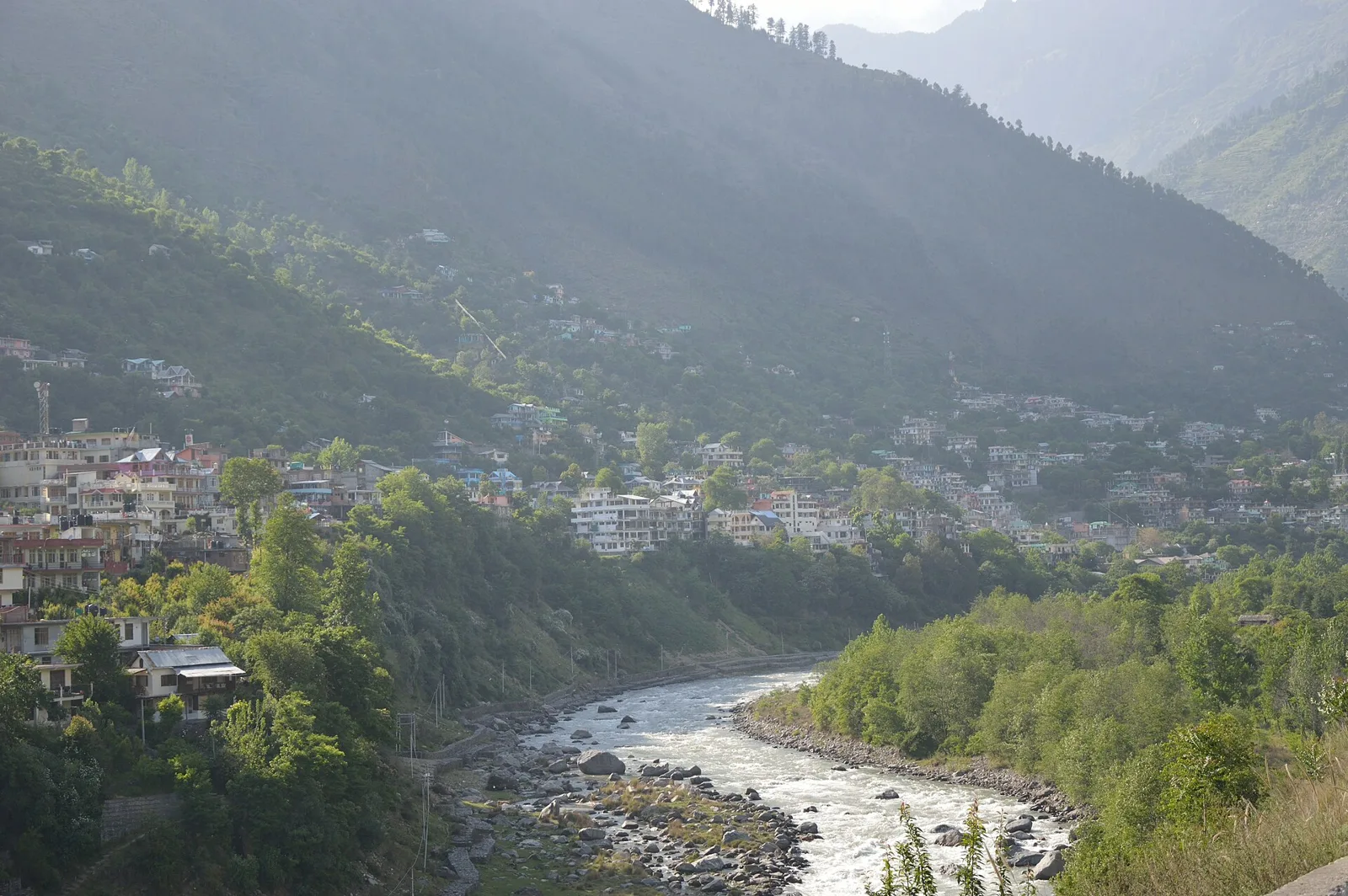
Kullu is a town in Himachal Pradesh and the headquarters of its district. Visitors are drawn to its Beas Valley setting, wooded slopes, riverside settlements and surrounding Himalayan ranges.

Famous for

  • Kullu Dussehra
  • Kullu shawls
  • Kullu caps
  • Raghunath Temple
  • Beas River valley
In the city
1
Nearby
1
District
Kullu

Why Kullu matters

Kullu is the administrative headquarters of Kullu district and a key service and market town in the Beas River valley. Set among forested hills, it connects villages and resort areas across the valley with regional transport, government services and trade. The town lies about 10 kilometres north of Bhuntar airport and is often a stopping point for travellers heading towards Manali and other mountain destinations.

Visitors come for the riverside scenery, nearby temples and the region’s handloom traditions. Kullu is especially known for its autumn Dussehra, when local deities arrive in processions and celebrations gather around Dhalpur Maidan. The town also offers a more everyday view of valley life: busy bazaars, local food and shops selling woven woollens. Its location between the Pir Panjal, Lower Himalayan and Great Himalayan ranges makes it a useful base for exploring the wider district, though many trekking routes and outdoor activities begin outside the town itself.
Famous for: crafts, trade & products

Kullu is best known for its handwoven woollen shawls, a craft recognised by the Kullu Shawl Geographical Indication. Weavers use wool and other fibres to make wraps and blankets, often adding distinctive bands of geometric motifs and colour. Kullu caps, woollen garments and other locally made textiles are also popular. For a closer look or to shop, browse the town’s market streets around Akhara Bazaar and Dhalpur, and look for established handloom shops or government emporia. Ask about the fibre and place of manufacture, as products sold in a tourist town may come from elsewhere.

The surrounding district’s economy also relies on horticulture, particularly apples, and Kullu town serves as a centre for trade and services. Local markets sell seasonal produce alongside household goods and regional foods. Tourism supports hotels, transport and eateries, while handloom remains an important part of the area’s identity. Kullu is not a large industrial centre; its reputation rests chiefly on textiles, horticultural trade and its role as a gateway to the valley. Dhalpur is also the focal area for the town’s major festival gatherings.

History

The Kullu Valley has a long history reflected in Hindu religious literature and in accounts of the Chinese Buddhist pilgrim Xuanzang, who visited in the seventh century. His description portrays a settled mountain region where Buddhist monasteries and Hindu temples coexisted. Over the centuries, local chiefs and Rajput rulers held power, alongside periods of influence by larger north Indian kingdoms and empires.

Kullu became a princely state under local rulers. In the seventeenth century, Raja Jagat Singh established the worship of Raghunath at Kullu; tradition says the deity’s image was brought from Ayodhya. This royal association is central to the valley’s Dussehra celebrations. British control followed the Anglo-Sikh wars in the nineteenth century, and the area was incorporated into colonial administration. After independence, Kullu became part of Himachal Pradesh and was made a separate district in 1963. The town developed as the district headquarters and as a road-linked centre for administration, trade and tourism.

Food, festivals & culture

Kullu’s best-known celebration is Kullu Dussehra, held in autumn, usually around October. It begins after Dussehra festivities elsewhere in much of India and is marked by processions of village deities, music and gatherings at Dhalpur Maidan. The festival centres on Raghunath Temple and reflects the region’s strong traditions of local deity worship. Hindu temples are found in and around town, while the Beas and surrounding mountains shape many local customs.

Hindi is widely used, alongside Kulluvi and other Pahari speech forms. Folk music, devotional singing and nati, a group dance performed at celebrations, are part of the region’s cultural life. Local meals may include dham, a festive meal served at community gatherings, as well as siddu, a steamed bread often eaten with ghee or chutney. Babru, a fried stuffed bread, is another familiar snack. Menus vary by season and household, and trout is served at some valley restaurants. Look for regional dishes in local eateries and during festival periods.

Visiting the city

Spring through autumn is a comfortable time to visit; summer suits valley travel, while autumn brings Kullu Dussehra. Winter is colder, and higher routes may be affected by snow. The nearest airport is Kullu-Manali Airport at Bhuntar, about 10 kilometres south of town. Joginder Nagar is the nearest narrow-gauge railway station; Chandigarh is a major broad-gauge railhead for onward road travel.

Buses and taxis connect Kullu with nearby settlements and tourist centres, while local taxis are useful for reaching attractions outside the centre. The Dhalpur area is a good starting point for the festival ground and nearby shops. Explore Akhara Bazaar for everyday markets and textiles, and Sultanpur for Raghunath Temple. Riverside stretches offer views of the Beas, but take care near the water and follow local advice on conditions.

Attractions

Places to visit in Kullu

Sights within about 12 km of each other, even when they fall in different districts.

Short trips

Around Kullu

Within about 40 km — easy half-day or day trips from the city.

Map

Kullu on the map

  1. 1Kullu
  2. 2Naggar Castle

Himachal Pradesh

Other cities to explore