
Ghumoopedia — Explore, Discover, Experience
Sign in
Malana, near Manikaran

City guide · Himachal Pradesh

Manikaran

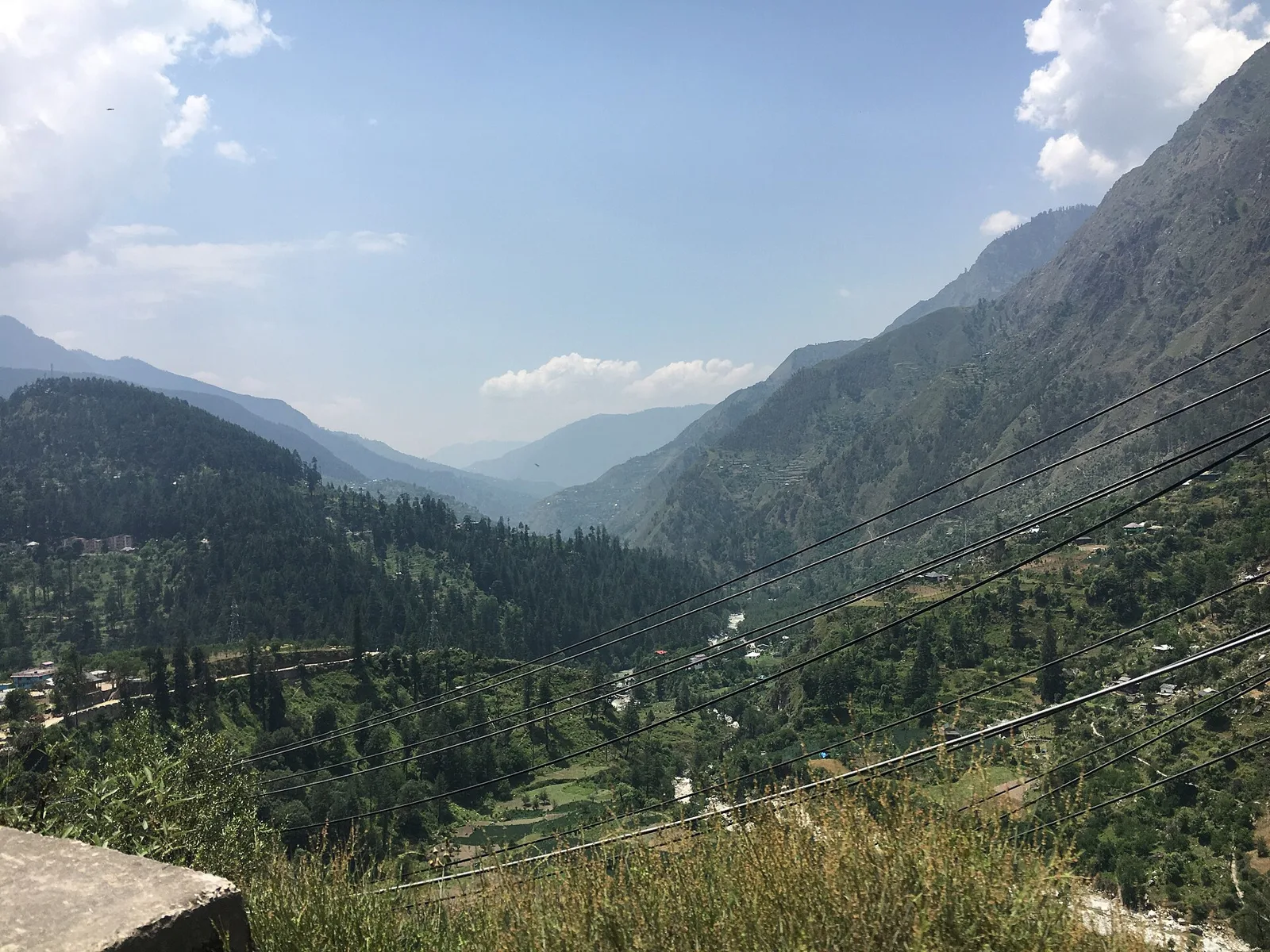
Manikaran is a small pilgrimage town in the Parvati Valley of Kullu district, set beside the Parvati River at about 1,760 metres. Its hot springs and religious sites draw Hindu and Sikh pilgrims as well as travellers exploring the valley.

Famous for

  • Manikaran Sahib Gurdwara
  • Parvati Valley hot springs
  • Rama and Shiva temples
  • Hot-spring langar cooking
In the city
1
District
Kullu

Why Manikaran matters

Manikaran is a small pilgrimage town in the Parvati Valley of Kullu district, set beside the Parvati River at about 1,760 metres. Its hot springs and religious sites draw Hindu and Sikh pilgrims as well as travellers exploring the valley. The town lies around four kilometres from Kasol and is a road gateway to settlements farther up the valley; Kullu and Bhuntar are the larger regional centres nearby.

Manikaran’s identity rests on the close meeting of faith, landscape and geothermal activity. The Manikaran Sahib Gurdwara welcomes visitors and serves langar, while nearby Hindu temples are associated with Rama, Shiva and other deities. Hot spring water is used for cooking, and designated bathing areas are a distinctive feature of the pilgrimage experience. Local traditions connect the springs with stories of Guru Nanak and with Shiva and Parvati. An experimental geothermal energy plant also reflects interest in the area’s underground heat. Visitors should treat the spring water with care, as some sources are extremely hot.

Famous for: crafts, trade & products

Manikaran is not a major textile-producing town and is not especially known for a locally made GI-tagged product or large commercial market. Its best-known offerings are experiences rather than goods: visits to the hot springs, temples and gurdwara, and langar cooked using spring heat. Small shops in the town cater to pilgrims and travellers, with everyday supplies, snacks, souvenirs and some woollen items; stock varies, so specialist shopping is limited.

The wider Kullu region is better known for woollens, including Kullu shawls and caps, as well as other Himachali handicrafts. Visitors may find regional products in shops around Manikaran and Kasol, but Kullu town generally offers a broader choice. Ask about the maker and origin when buying items described as local craft. There is no single market district in Manikaran comparable to those of larger towns. For many visitors, the most memorable local “product” is food prepared for the community kitchen: rice and other ingredients are cooked in baskets placed in the hot spring water, then served as part of langar.

History

Manikaran’s history is closely tied to pilgrimage and to stories explaining its hot springs. Hindu tradition associates the area with Manu and the renewal of human life after a flood. Another legend tells how Parvati lost an earring and how the serpent deity Shesha brought jewels and boiling water up from beneath the earth. In Sikh tradition, Guru Nanak visited with Bhai Mardana; the story links the springs with the preparation of food for the community kitchen.

The town’s religious landmarks developed over time. The Rama Chandra temple is attributed to Raja Jagat Singh and is said to have been built in the 15th century. A major earthquake in 1905 damaged the Shiva temple, leaving it slightly tilted, while the springs remained central to local life. In modern times, improved road access has connected Manikaran more closely with Kasol, Bhuntar and Kullu, bringing pilgrims and valley visitors. An experimental geothermal energy plant represents a contemporary effort to explore the area’s natural heat.

Food, festivals & culture

Manikaran’s daily culture centres on its places of worship and the shared meals of the gurdwara’s langar. Rice and other foods are cooked with hot spring water, though visitors should follow local guidance and use only designated facilities. Eateries also serve familiar North Indian meals and dishes associated with Himachal Pradesh; options can vary with the season and visitor numbers. The town’s religious character is visible in the Rama and Shiva temples as well as Manikaran Sahib Gurdwara.

Sikh Gurpurabs and Hindu observances draw worshippers through the year. Baisakhi in spring and Shivratri in late winter or early spring are among the regionally important occasions, while Sikh festival dates follow the religious calendar. Hindi, Punjabi and local Pahari varieties are heard, alongside languages spoken by visitors. Folk music and dance belong to the wider Kullu cultural tradition, although Manikaran’s public atmosphere is more strongly shaped by pilgrimage, prayer and the rhythms of the valley than by regular performance events.

Visiting the city

Spring and autumn are comfortable periods for exploring the valley; summer is also popular, while winter can be cold and monsoon rain may disrupt road journeys. The nearest airport is Kullu-Manali Airport at Bhuntar. The nearest railway station is Joginder Nagar, with limited rail access; most visitors continue by road. Buses and taxis connect Manikaran with Kasol, Bhuntar and Kullu, and local sights are generally reached on foot or by short road journeys.

Explore the temple and gurdwara area, the hot-spring facilities and the riverside setting. Kasol, about four kilometres away, makes a convenient nearby base or excursion, while Bhuntar is a useful transport junction. Roads can be narrow and busy, so allow time for travel and take care near the river and hot water. Use only designated bathing areas and follow local instructions.

Attractions

Places to visit in Manikaran

Sights within about 12 km of each other, even when they fall in different districts.

Map

Manikaran on the map

  1. 1Malana

Himachal Pradesh

Other cities to explore