
Ghumoopedia — Explore, Discover, Experience
Sign in
Chail, near Chail

City guide · Himachal Pradesh

Chail

Chail, a Himachal Pradesh hill station associated with both Shimla and Solan districts, attracts visitors for its cedar woodland, Himalayan views, historic palace, trekking routes and camping.

Famous for

  • Chail Palace
  • Historic cricket ground
  • Deodar forests
  • Kali ka Tibba
  • Hiking and camping
In the city
2
Districts
Shimla, Solan

Why Chail matters

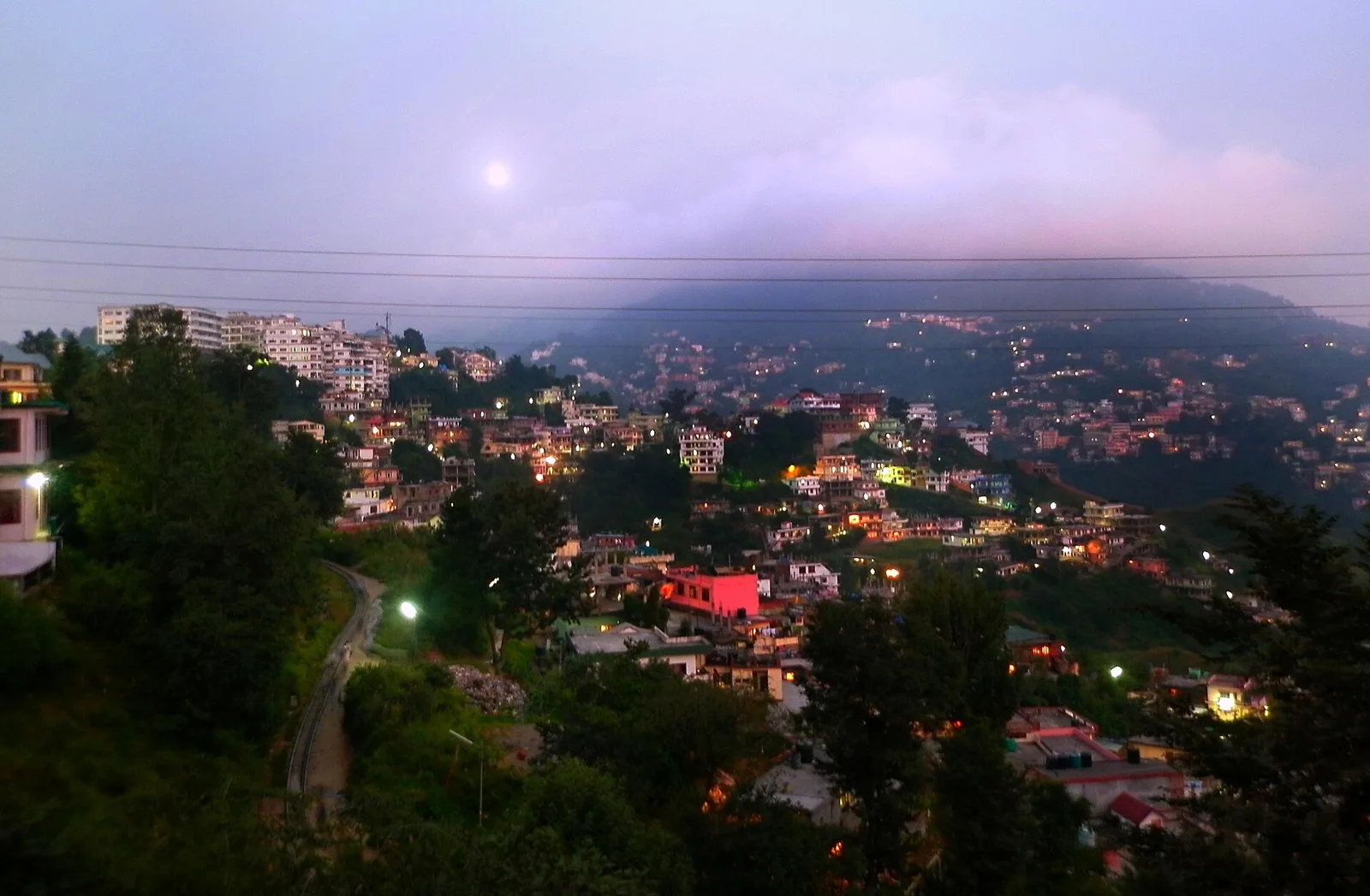
Chail is a small hill station in Himachal Pradesh’s Solan district, set among cedar and pine forests in the lower Himalayas. Its quiet setting and cool summer weather make it a retreat from the busier resorts of Shimla and Kufri. Visitors come for forest walks, mountain views and access to nearby hiking and camping routes, as well as for the town’s royal and colonial-era landmarks.

The former summer retreat of the Maharajas of Patiala, Chail is best known for the Chail Palace and its historic cricket ground, now used by the local military school. Other draws include Kali ka Tibba, Chail Gurudwara and the nearby wildlife sanctuary. The town also serves as a base for exploring villages and scenic roads in the surrounding hills. Chail is not a large commercial centre; its importance today lies chiefly in heritage tourism, outdoor recreation and its role as a quieter stop on journeys between Shimla, Solan and the hill country.
Famous for: crafts, trade & products

Chail is chiefly associated with heritage and hill tourism rather than a particular textile, handicraft, industrial product or large market. The Chail Palace, built for the Patiala royal family and later converted into a hotel, is its most prominent legacy. The nearby cricket ground, originally developed under the Patiala rulers, is another distinctive landmark. Together, they reflect the town’s past as a royal retreat and its continuing appeal to visitors.

There is no widely recognised Chail-specific GI-tagged product or major craft bazaar. Small shops and eateries serve residents and travellers, but visitors looking for a broad selection of Himachali handicrafts or regional products may find more choice in larger towns. Local cafés and roadside stops are practical places to try simple meals and tea; the surrounding area is better known for forests, walks and viewpoints than for shopping. For souvenirs, ask locally about items made in the region and check their place of origin rather than assuming they are produced in Chail.

History

Until the early nineteenth century, Chail formed part of the Keonthal state. Gurkha forces took the area in 1814; after the Anglo-Gurkha wars, the British transferred the Chail hills to the Patiala state in 1815. The hills later became a summer retreat for the Patiala rulers. Maharaja Rajinder Singh built a palace on Rajgarh hill in 1891–92, and the royal estate developed further under his successor, Maharaja Bhupinder Singh. The cricket ground, begun in the late nineteenth century, was completed during Bhupinder Singh’s rule.

After Indian independence, Chail was briefly part of PEPSU. Maharaja Yadavindra Singh replaced the earlier palace with Rajgarh Palace, completed in 1951. The Himachal Pradesh government acquired it in 1972 and converted it into a hotel. The Military School, originally established in Jalandhar, moved to Chail in 1960. These institutions and royal buildings remain central to the town’s identity.

Food, festivals & culture

Chail shares the food traditions of the wider Himachal region. Visitors may find dishes such as madra, a slow-cooked preparation often made with pulses and yoghurt, and siddu, a steamed wheat-bread specialty, alongside everyday meals, snacks and tea. Menus vary between establishments, and local food is not limited to these regional dishes.

Hindi and local Pahari varieties are heard in the area. Hindu festivals such as Dussehra and Diwali are generally observed in their usual autumn seasons, while other celebrations follow the local village calendar. Folk traditions across Himachal include group singing and the nati dance, though performances are more likely at community events than as a scheduled daily attraction. Places of worship include Kali ka Tibba, a temple on a hilltop, Chail Gurudwara and local Shiva shrines. Visitors should dress respectfully and follow any site-specific customs.

Visiting the city

Summer is a popular time to visit for mild weather, forest walks and outdoor activities; spring and autumn can also be pleasant. Winters are cold, so check local road conditions before travelling. Chail is about 44 kilometres from Shimla and 45 kilometres from Solan, with access by winding hill roads. Drive cautiously, especially on narrow bends, and avoid travelling after dark where possible.

The nearest rail access is Kandaghat station on the Kalka–Shimla narrow-gauge line. Air travellers can consider Shimla Airport at Jubbarhatti or Chandigarh Airport; check current routes and onward road connections before booking. Local taxis and private vehicles are useful for reaching dispersed sights. Explore the palace and central bazaar area, the cricket ground, Kali ka Tibba and routes towards Sadhupul or Kufri. The sanctuary and nearby trails suit visitors seeking quieter walks.

Attractions

Places to visit in Chail

Sights within about 12 km of each other, even when they fall in different districts.

Map

Chail on the map

  1. 1Chail
  2. 2Solan

Himachal Pradesh

Other cities to explore