Ghumoopedia — Explore, Discover, Experience
Sign in
Khajjiar, near Chamba

City guide · Himachal Pradesh

Chamba

Chamba is the historic headquarters of Chamba district, set on terraces above the Ravi River near its meeting with the Sal. At about 1,006 metres, it offers a gentler hill-town setting than many higher Himalayan destinations, while serving as a base for journeys into the surrounding valleys and mountain country.

Famous for

  • Chamba Rumal embroidery
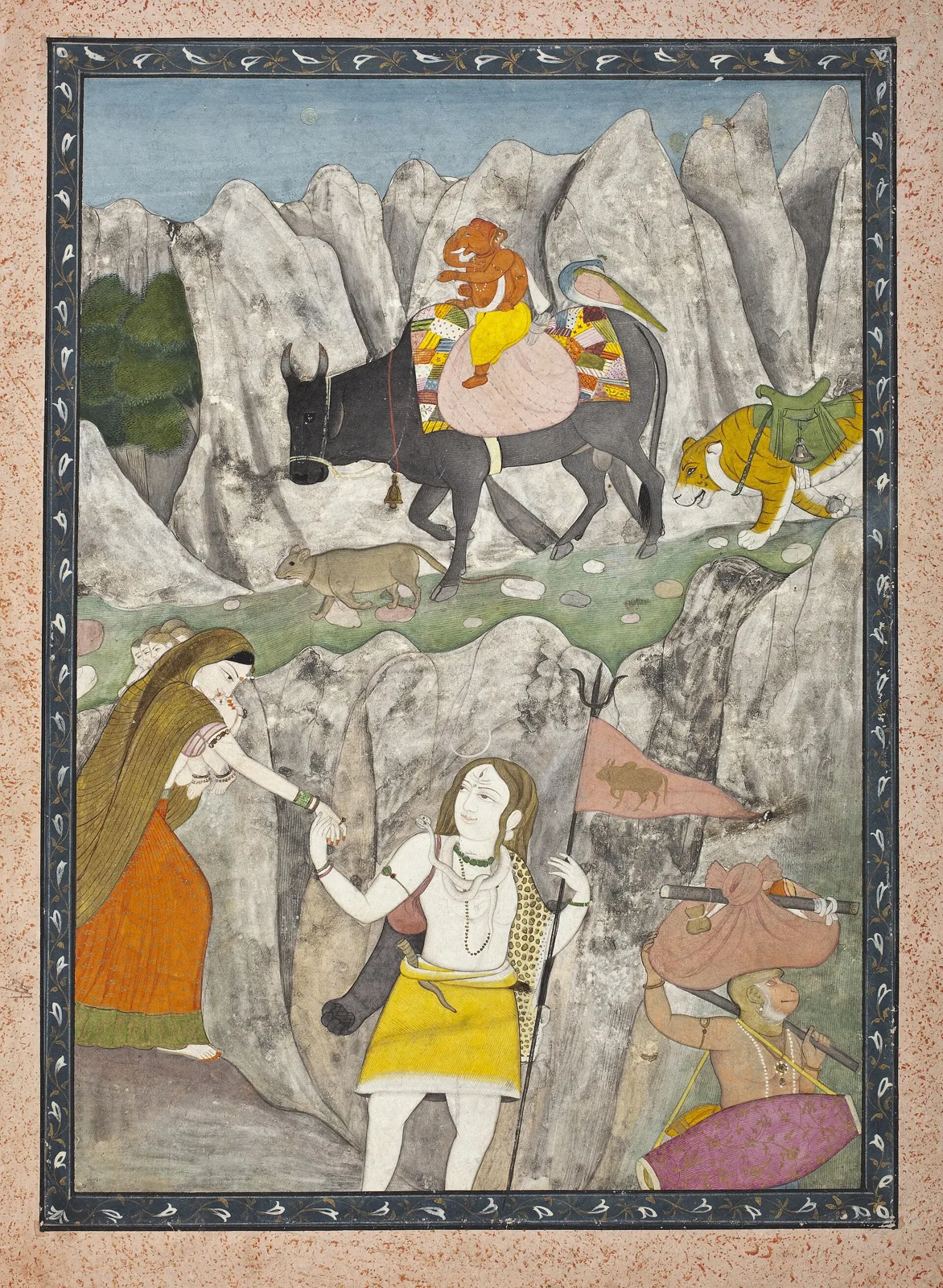
  • Pahari miniature painting
  • Minjar Mela
  • Chamba Chukh
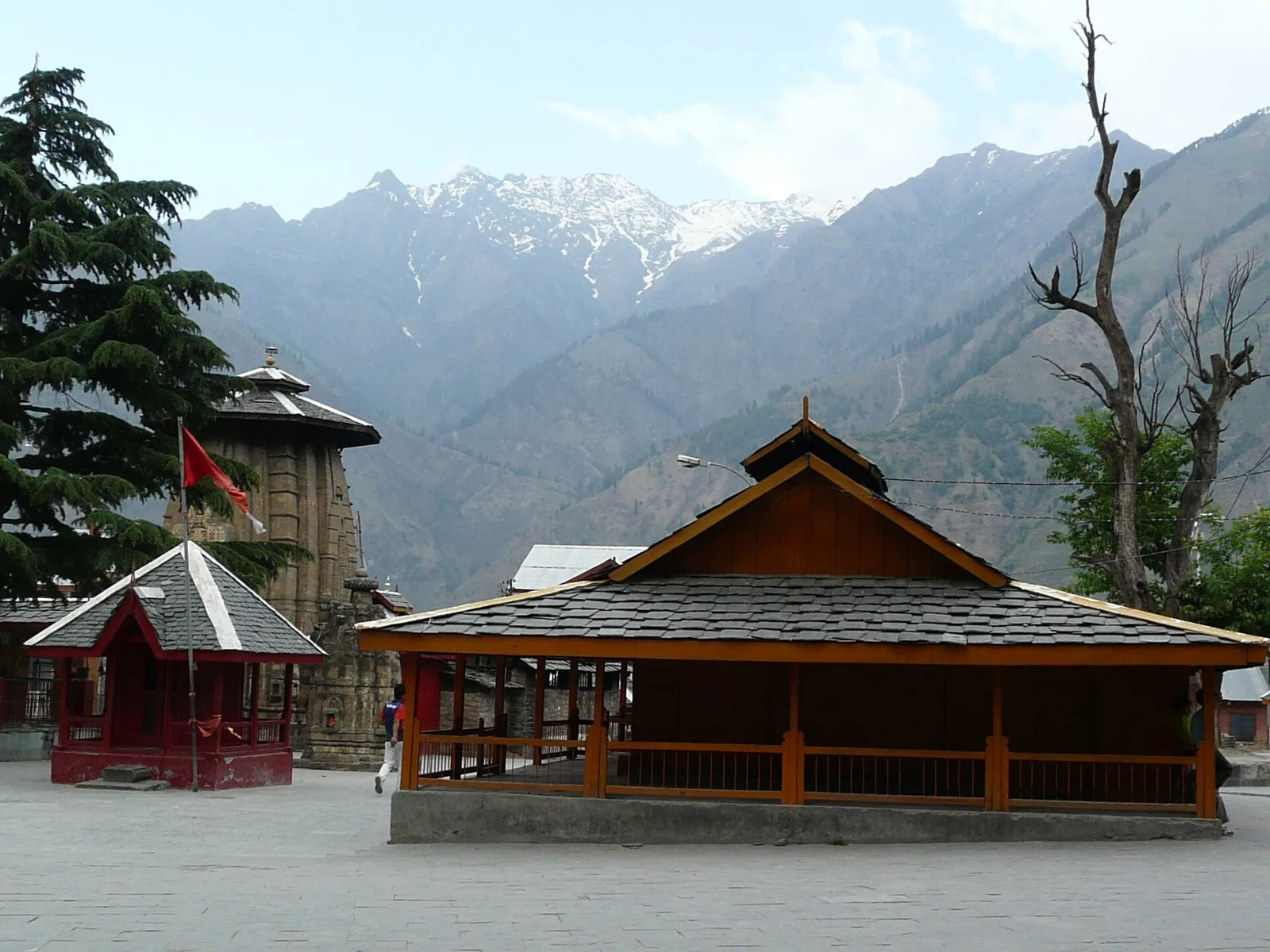
  • Lakshmi Narayan temples

Why Chamba matters

Chamba is the historic headquarters of Chamba district, set on terraces above the Ravi River near its meeting with the Sal. At about 1,006 metres, it offers a gentler hill-town setting than many higher Himalayan destinations, while serving as a base for journeys into the surrounding valleys and mountain country. Its old centre, with temples, palaces and the open Chaugan, preserves the character of a former princely capital.

Visitors come for the Lakshmi Narayan temple complex, the Champavati Temple, the Bhuri Singh Museum and the town’s traditional arts. Chamba is especially associated with finely embroidered Chamba Rumal and Pahari painting, as well as the lively Minjar and Suhi Mata fairs. The town is also a gateway for exploring places such as Bharmour and Khajjiar. Today, its importance lies in combining district services and regional trade with a distinctive heritage that remains visible in its architecture, festivals and craft traditions.
Famous for: crafts, trade & products

Chamba’s best-known textile art is the Chamba Rumal, a square or rectangular cloth embroidered in silk with paired, often pictorial designs. The craft developed under royal and temple patronage and is now recognised with a Geographical Indication. Pahari paintings, including work associated with the Chamba court, are another important part of the region’s artistic legacy. Chamba Chukh, a spicy preparation made with local chillies, is also a noted regional product and has GI recognition. Metalwork, wood carving and other traditional handicrafts can be found in the town’s craft trade.

Visitors can look for embroidery, paintings and locally made goods in shops around the old town and Chaugan, and ask at the Bhuri Singh Museum about exhibits and local craft context. The museum is a place to see historical art, not necessarily a retail outlet. Availability and sourcing vary, so buyers seeking an authentic handmade piece should ask about its maker and technique. Chamba’s markets also serve nearby villages, with everyday goods alongside souvenirs and regional foods; there is no single large craft market that defines the town.

History

The Chamba region has a long history, with early communities and successive groups of rulers preceding the Rajput dynasty associated with Maru. From its base at Bharmour, the dynasty governed the area for centuries. In 920, Raja Sahil Varman moved the capital to a plateau in the Ravi valley and named the new town after his daughter Champavati. Its temples and royal buildings reflect the growth of this capital and its links with wider North Indian artistic traditions.

Chamba retained considerable autonomy through periods of wider regional conflict. After the Anglo-Sikh conflict, the princely state came under British suzerainty in 1846, while its rulers continued to govern locally. Roads, a post office, a school and a hospital were among developments made during the British period. Chamba merged with the Indian Union in 1948. Since then it has served as the administrative centre of Chamba district, while its historic core and cultural traditions have remained central to its identity.

Food, festivals & culture

Chamba’s food reflects the wider cuisine of Himachal Pradesh. At ceremonial dham meals, dishes may include rice, lentils, madra—a yoghurt-based preparation—and other seasonal accompaniments. Khatta, with its tangy flavour, and Chamba Chukh, a chilli relish or condiment, are familiar regional tastes. Local menus vary, and visitors may also find everyday North Indian food in town.

The Minjar Mela, usually held in July or August, brings processions, music, dancing and community gatherings to the town, centred on the Chaugan. The Suhi Mata Mela is generally associated with spring and honours the memory of Queen Sui. Folk songs and dances are part of festive life, alongside the languages of the region: Chambeali and other local Pahari varieties, with Hindi widely used. Places of worship include the Lakshmi Narayan temple complex and Champavati Temple; their architecture and continuing religious role are part of the town’s living heritage.

Visiting the city

Spring and autumn are comfortable seasons for exploring Chamba. Summer is also popular, while monsoon rain can affect road journeys and river levels; check local conditions before travelling. Pathankot Airport is a regional option with limited services, and Kangra Airport at Gaggal is another possible entry point. The main broad-gauge rail connection is Pathankot Junction, followed by a road journey to Chamba.

Buses and taxis connect Chamba with nearby towns and destinations, while the compact old centre is best explored on foot. Start around the Chaugan for access to the historic core, temples and market lanes. The Lakshmi Narayan temple complex, Champavati Temple, Bhuri Singh Museum and the area around the Ravi are worthwhile stops. Allow extra time for steep streets and steps, and use Chamba as a base for road trips towards Bharmour or Khajjiar.

Trips from the city

Nearest places to visit from Chamba

Our closest destination guides, by straight-line distance.

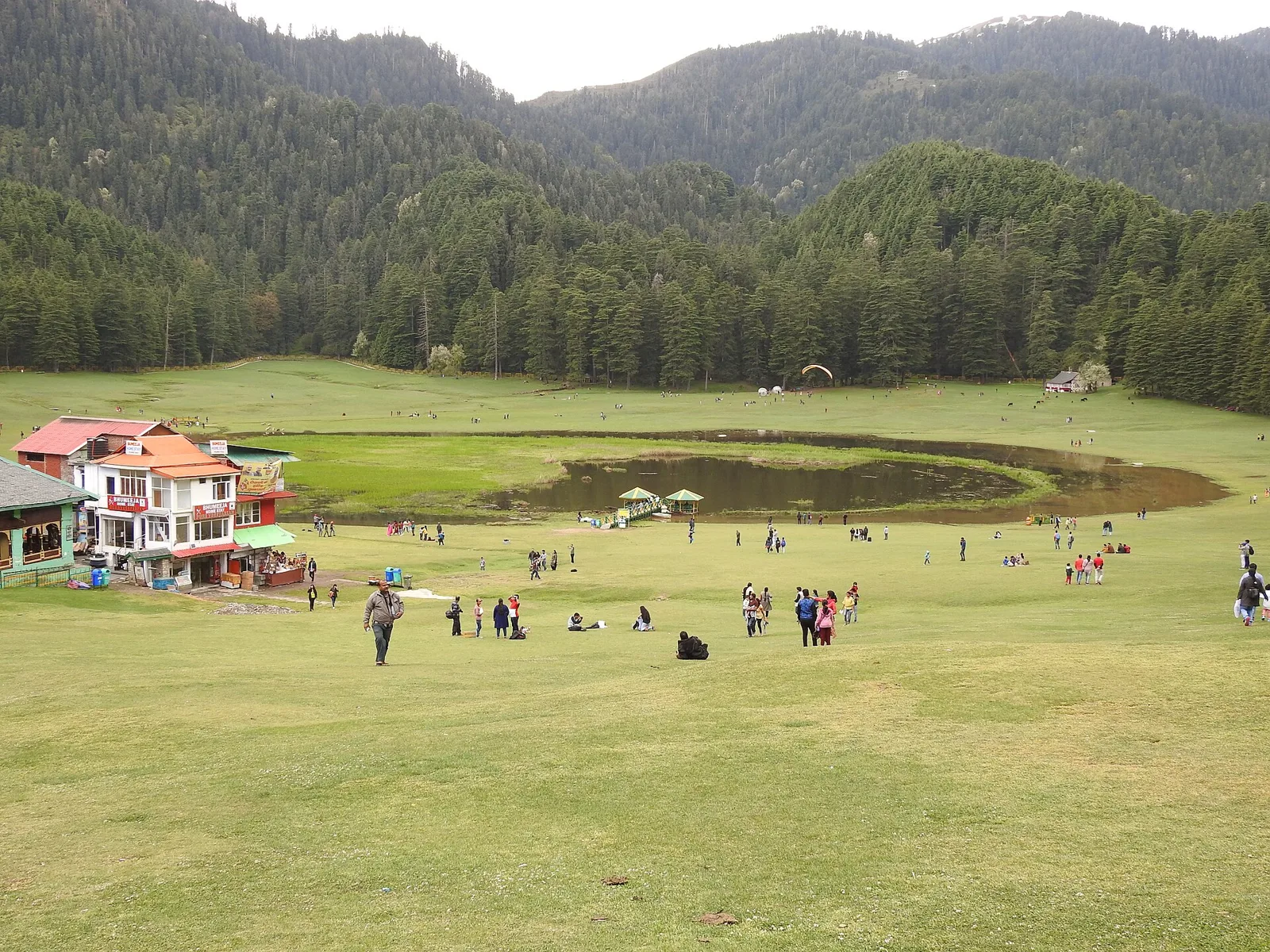
Khajjiar

6 km away · Chamba district

Khajjiar

Khajjiar is a hill station in Himachal Pradesh, known for its high plateau setting and the meeting of lake, pasture and forest landscapes.

Dalhousie

14 km away · Chamba district

Dalhousie

Dalhousie is a hill station in Himachal Pradesh’s Chamba district. Visitors come for its five-hill setting and its proximity to Khajjiar and Chamba town.

Dal Lake

38 km away · Kangra district

Dal Lake

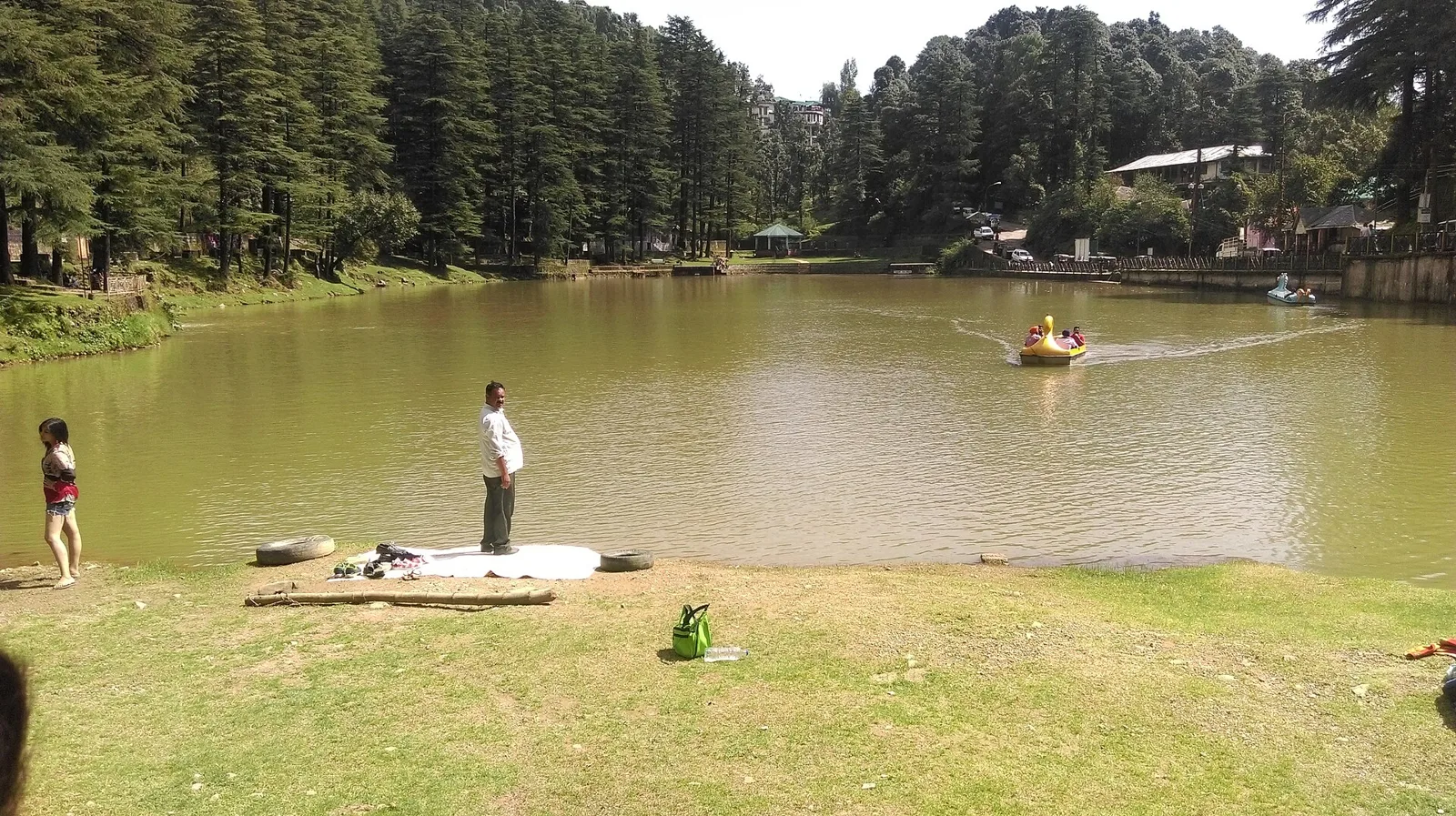
Dal Lake is a small, high-altitude lake in Kangra district, Himachal Pradesh, with deodar trees and sacred sites along its shore. Visitors come to see the lake and its temples.

Triund

39 km away · Kangra district

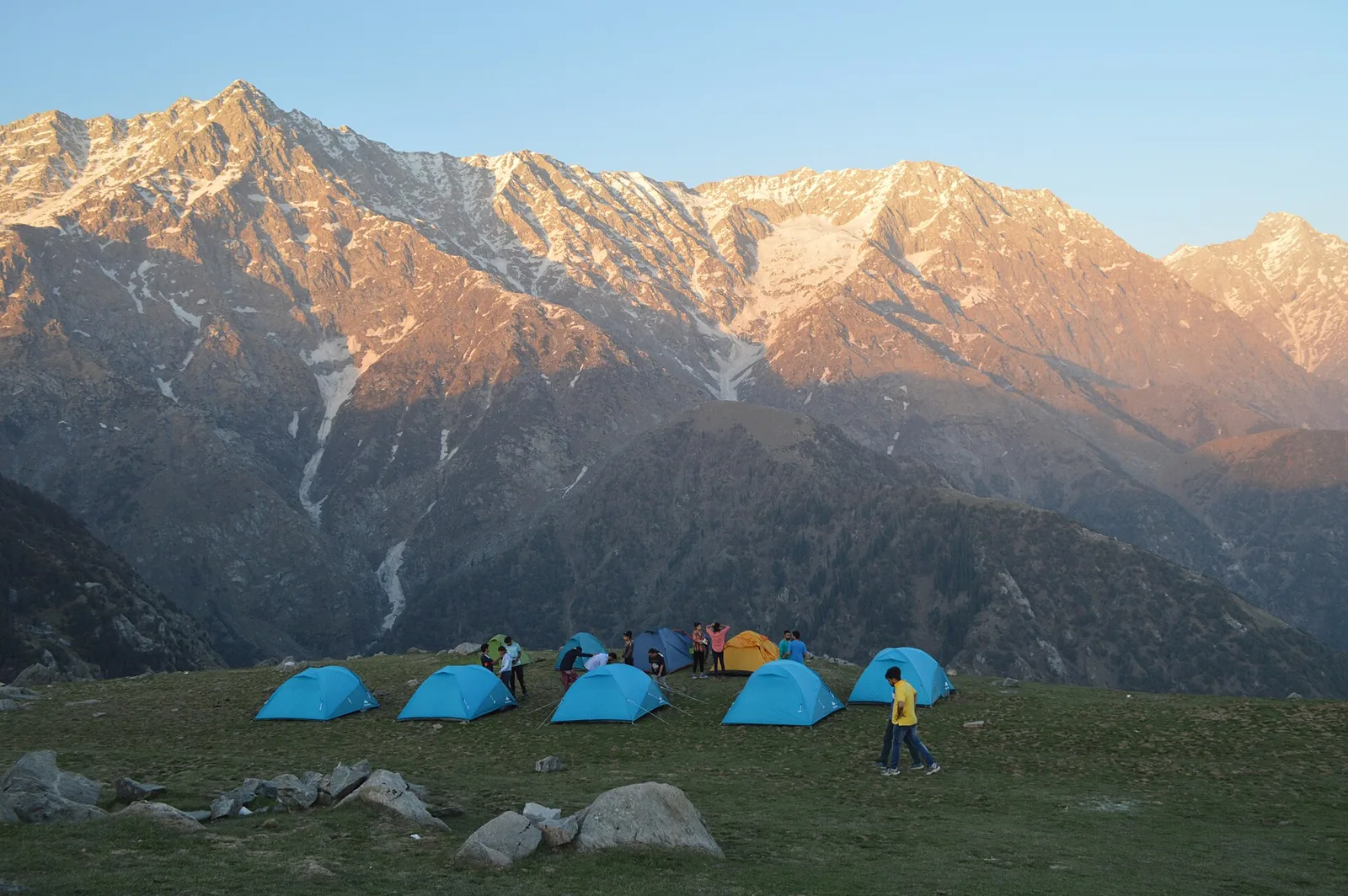
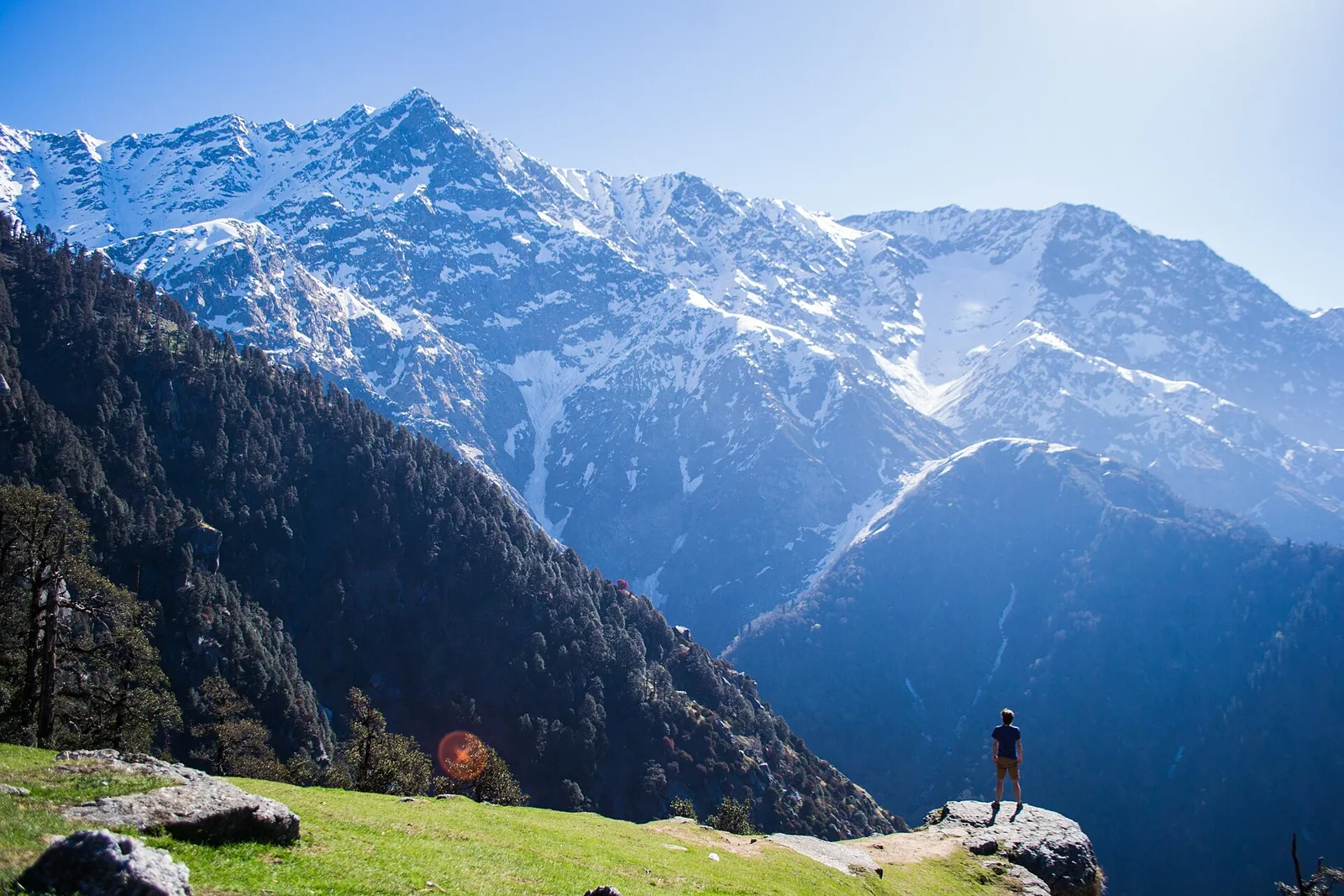
Triund

Above McLeodganj, Triund is a high meadow in Himachal Pradesh’s Kangra district. Visitors come for the mountain scenery, the popular trek that ends there, and its role on Dhauladhar climbs.

Bharmour

40 km away · Chamba district

Bharmour

Bharmour is a village in Himachal Pradesh’s Chamba district. Visitors come for the Chaurasi Temple complex and the place’s historical association with Brahampura, once the capital of Chamba State.

McLeod Ganj

40 km away · Kangra district

McLeod Ganj

McLeod Ganj is a suburb of Dharamshala in Himachal Pradesh, associated with a substantial Tibetan community and the Tibetan government-in-exile headquartered there. Visitors come for this connection, which gives it the nickname Little Lhasa.

Dharamshala

42 km away · Kangra district

Dharamshala

Dharamshala is a Himachal Pradesh town visited for its hill-station setting, spiritual associations, and links with the 14th Dalai Lama and Tibetan government-in-exile.

Chamba

53 km away · Chamba district

Chamba

Chamba is a Himachal Pradesh town known for its historic temples and palaces, the Suhi Mata and Minjar fairs, and its Pahari paintings, handicrafts and textiles.

Map

Chamba on the map

  1. 1Khajjiar
  2. 2Dalhousie
  3. 3Dal Lake
  4. 4Triund
  5. 5Bharmour
  6. 6McLeod Ganj
  7. 7Dharamshala
  8. 8Chamba

Himachal Pradesh

Other cities to explore