
Chamba
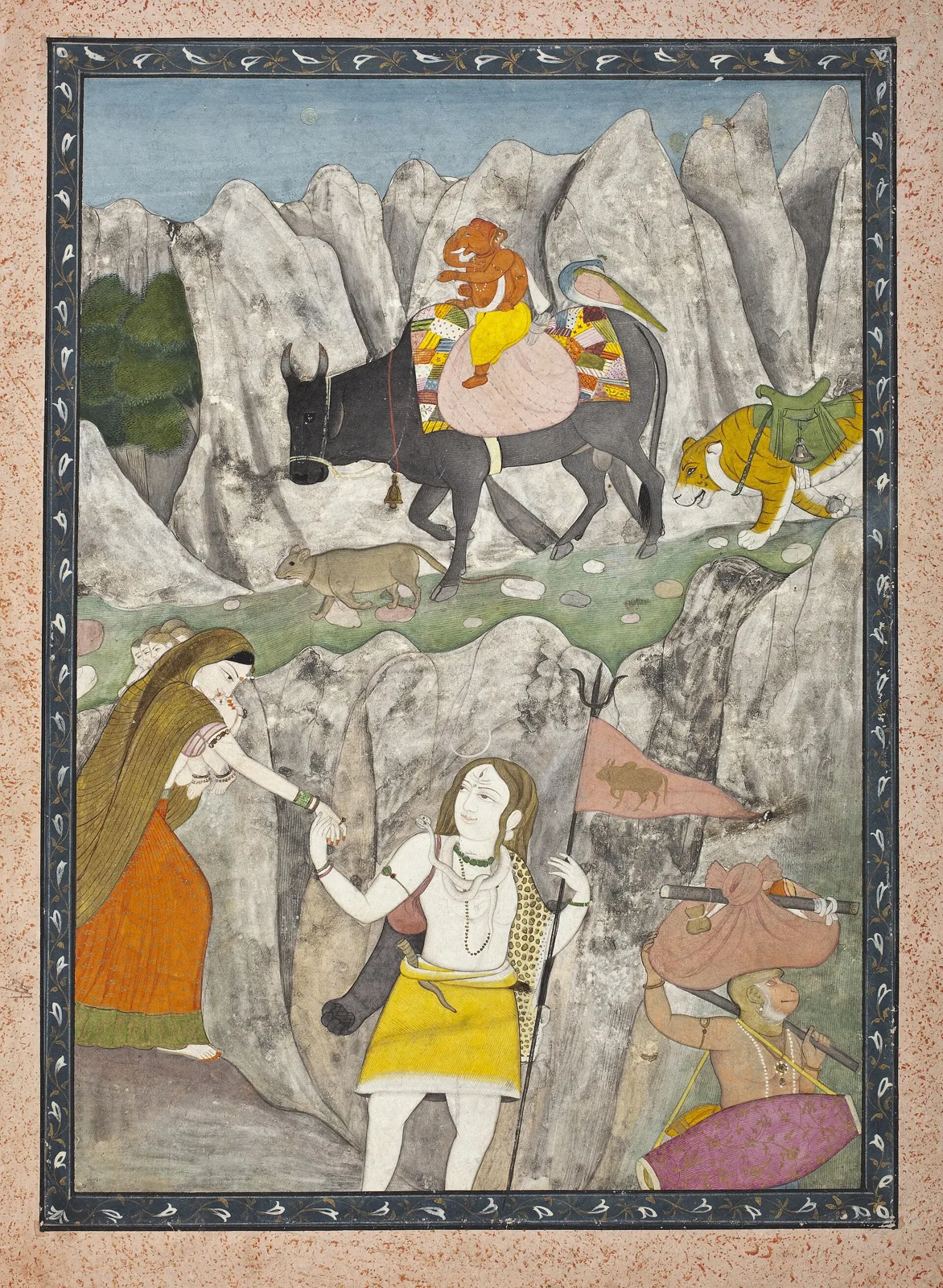
Chamba is a Himachal Pradesh town known for its historic temples and palaces, the Suhi Mata and Minjar fairs, and its Pahari paintings, handicrafts and textiles.
Key facts · verified by Ghumoopedia editors
- Type of place
- Destination
- Best time to visit
- March to June and October to November for most hill towns; May to October for Lahaul-Spiti and high passes
- Nearest railway station
- Kangra (narrow gauge) · about 15 km (straight line)
- Verified
- 21 Nov 2026
Plan a trip from Chamba — a day-by-day route through places nearby.
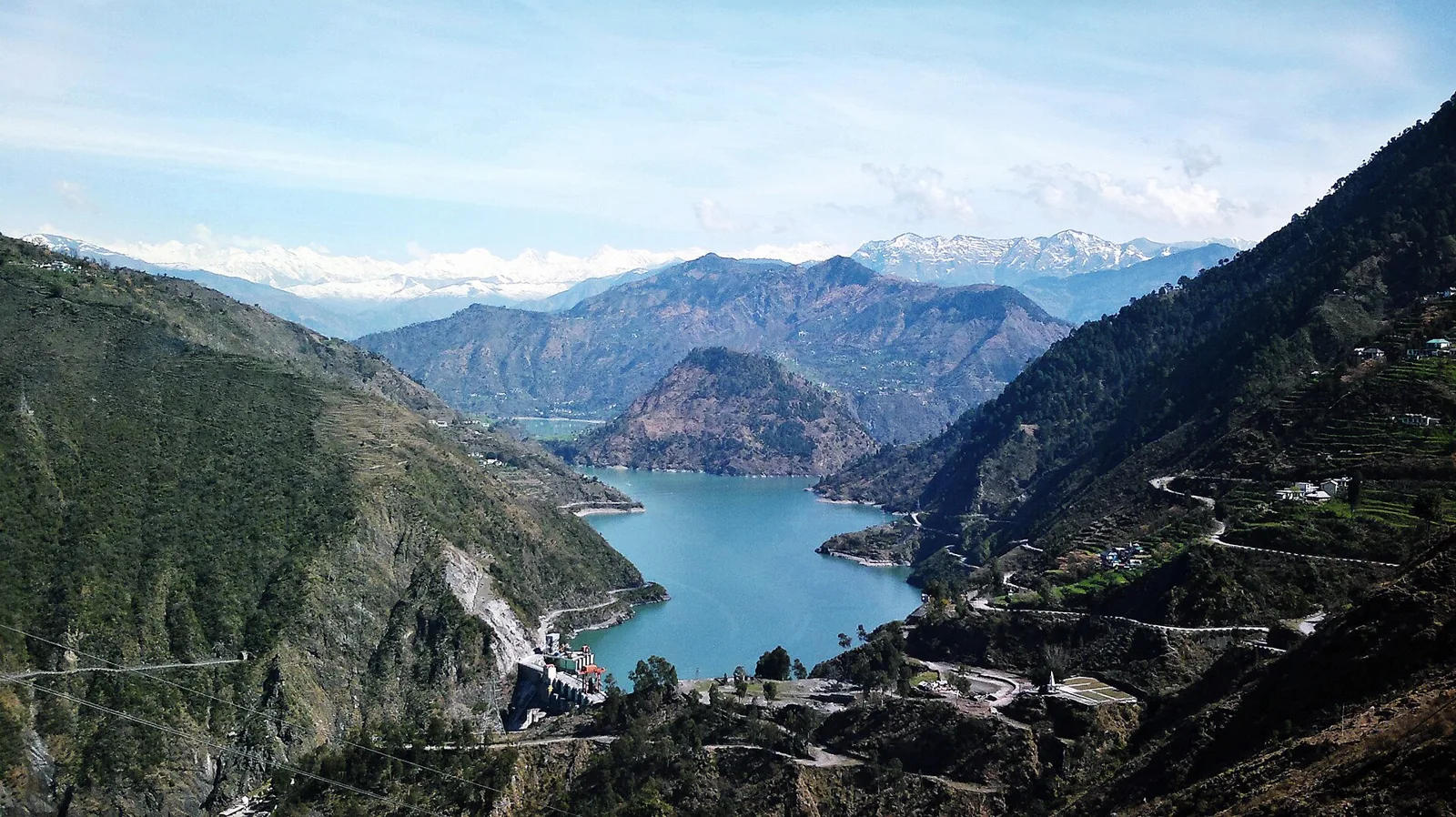
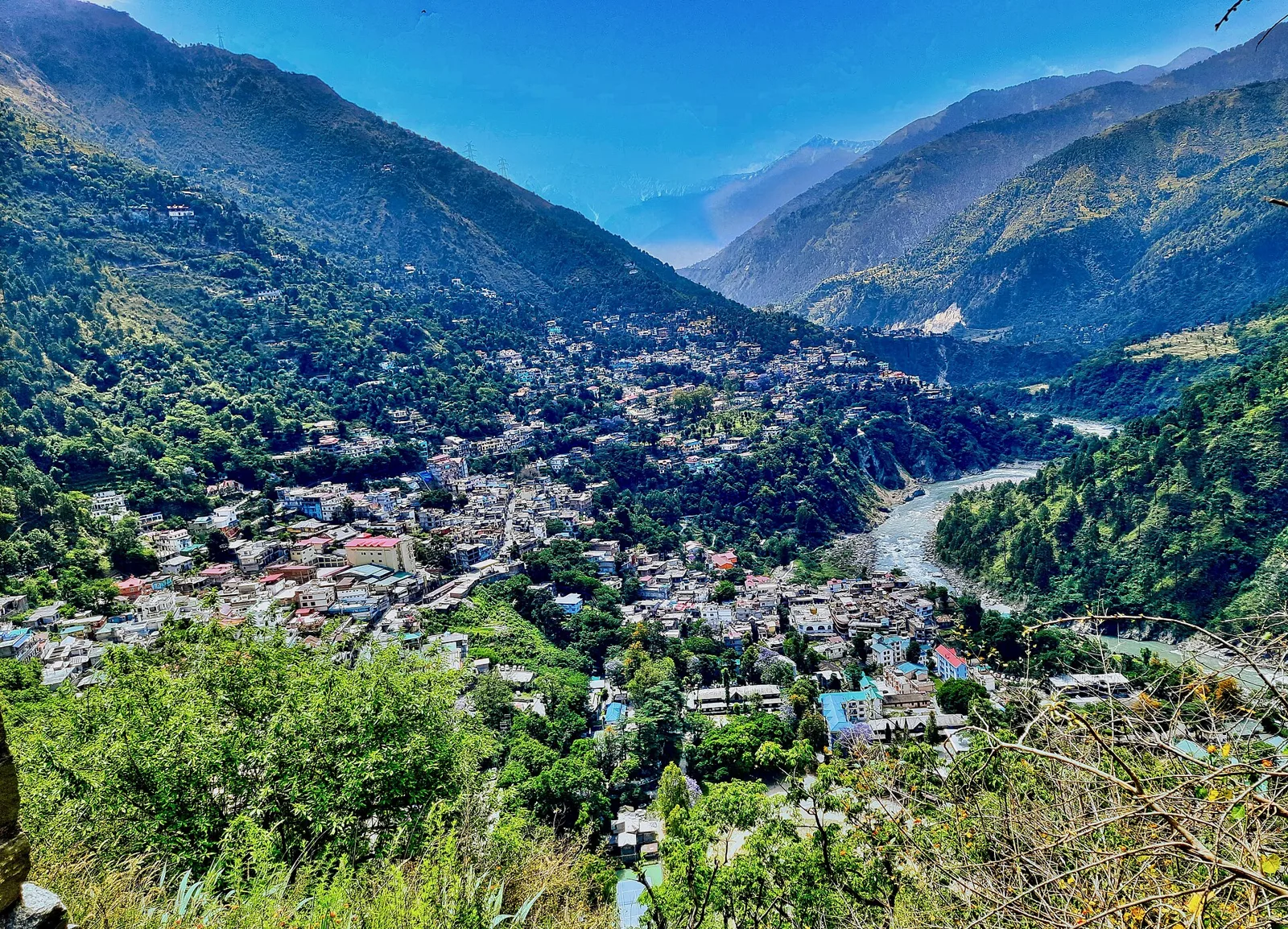
Chamba, in Himachal Pradesh’s Chamba district, lies 1,006 metres above mean sea level, beside the Ravi River where the Sal River joins it. The Ravi is a major tributary of the trans-Himalayan Indus. The 2001 Indian census recorded a population of 20,312. Historical accounts trace the region’s past to Koli tribes in the second century BC. The Maru dynasty began formal rule around 500 AD under Raju Maru. Accounts distinguish this early tribal history from the later establishment of the kingdom. Raju Maru ruled from Bharmour, the dynasty’s former capital, 65 kilometres from Chamba. In 920, Raja Sahil Varman moved the kingdom’s capital to Chamba after his daughter Champavati asked him to do so; the town took its name from her. The dynasty had 67 rajas in total. Chamba remained under British suzerainty from 1846 until it joined the Indian Union in April 1948. Temples and palaces are among the town’s prominent features. Its celebrations include the Suhi Mata Mela and Minjar Mela, both lasting several days and featuring music and dancing. Chamba is also known for its arts and crafts, particularly Pahari paintings. This painting tradition developed in the hill states of North India between the seventeenth and nineteenth centuries. Handicrafts and textiles are also part of the town’s artistic traditions. Himachal's hill towns blend Hindu temple traditions, Tibetan Buddhist monasteries and village devta (local deity) customs, with fairs and festivals tied to the farming calendar. Altitude decides the weather: the Shivalik foothills are mild, Shimla and Manali are cool with winter snow, and Lahaul-Spiti is a cold desert closed by snow for months. The July–September monsoon brings landslides and road closures in the hills. The usual best time to visit is March to June and October to November for most hill towns; May to October for Lahaul-Spiti and high passes. Timings, fees and access arrangements must be confirmed locally. For official information, see Himachal Pradesh Tourism at https://himachaltourism.gov.in.
Why it matters
Chamba is the historic headquarters of Chamba district in Himachal Pradesh, set above the Ravi River near its meeting with the Sal. It has served as a regional centre for administration, worship and trade, and its temples, palaces and old town reflect the history of the former Chamba kingdom. The town is associated with the Lakshmi Narayan temple complex, Pahari painting and the Chamba rumal embroidery tradition. Its fairs, especially Minjar Mela and Suhi Mata Mela, draw residents and visitors from across the region. The Bhuri Singh Museum preserves collections connected with the area's art and history. These are established cultural and historical associations; visitors should consult relevant authorities for current information on protected status or access.
Historical accounts connect the wider Chamba region with Koli communities in the second century BC. The Maru dynasty is traditionally dated to around 500 CE, when Raju Maru is said to have ruled from Bharmour, an earlier capital in the hills. In 920, Raja Sahil Varman moved the capital to the present site at the request of his daughter Champavati; the town's name is traditionally linked to her. The rulers developed Chamba as a political and religious centre, building and supporting temples and other public works over successive generations. The Lakshmi Narayan temple complex is among the town's best-known historic groups; its temples were built and enlarged under royal patronage, with later additions reflecting changes over time. Chamba came under British suzerainty in 1846, while its princely rulers retained authority until the state joined the Indian Union in April 1948. The Bhuri Singh Museum, established in the early twentieth century, became an important repository for regional art, inscriptions and historical material. Chamba is also associated with Pahari painting, a style that developed across North Indian hill courts from the seventeenth to nineteenth centuries. The old town's buildings and collections provide evidence of these successive periods, though individual monuments may have their own conservation and access arrangements.
Use Chamba as a base to understand local life: walk through the market area, visit community-run attractions and ask your host about nearby viewpoints and short excursions. Always ask before photographing people, homes or ceremonies. A comfortable itinerary is one main visit in the morning, a local meal at midday and a short nearby stop before an afternoon return. Use the district list on this site to find other places in Chamba, but check the actual road route and its condition before combining stops. If a festival or fair is on, local roads and stays can be busy — and the experience can be unforgettable. Leave no litter: many sites are protected by the communities around them.
Suggested itineraries
Half day: Explore the old market and Lakshmi Narayan temple complex (about 1–2 hours), pause for a local meal, then visit the Bhuri Singh Museum if open (about 1 hour). Full day: Begin with the temple complex and historic centre (2–3 hours), have lunch in town, visit the Bhuri Singh Museum (1–2 hours), then take a short taxi excursion to a nearby viewpoint or riverside stop, checking road conditions and return transport. Gentler option: Keep to a short, unhurried visit around the more accessible central streets, take seated breaks, and choose one attraction rather than trying to cover several.
Chamba's cultural life combines temple worship, local deity customs and the traditions of the wider hill district. Hindi and regional Pahari varieties, including Chambeali, are heard in daily life. Music and group dancing are especially visible during fairs, when residents gather in traditional dress and processions may form part of celebrations. The town is known for Chamba rumal, a finely embroidered textile tradition, as well as metalwork, woodwork and regional painting. Customs vary between families and communities; visitors should follow local guidance at shrines and ask permission before photographing people, homes or religious activities.
Festivals & events
Minjar Mela is Chamba's best-known annual fair and is generally held in summer, with processions, music, dance and public gatherings. Suhi Mata Mela is another important local celebration, traditionally held in spring and associated with the town's Suhi Mata shrine and local history. Festival arrangements and dates vary by year, so check with local authorities before travelling. During either fair, central streets and accommodation can be busier than usual, and processions may affect movement around town. Be considerate at ceremonies and follow directions from organisers.
Local food in Himachal Pradesh includes siddu (steamed stuffed bread), madra, dham (the traditional festive meal), chha gosht, trout from mountain streams, babru and fresh apples and apricots in season. Ask what is fresh that day; many small eateries cook a limited daily menu. Vegetarian travellers eat very well across this region, and most towns also have simple non-vegetarian dhabas. Remote sites may have no restaurant at all. Carry water and snacks, eat a proper breakfast before long drives, and ask your accommodation for a packed lunch if you are heading out early. Try a home-cooked or dhaba meal when you can — it is often the best food on the route. Choose busy, clean places and carry your packaging back to town.
Shopping & local experiences
Look for Chamba rumal, the region's distinctive embroidered textile, alongside locally made metal objects, woodwork and crafts. Pahari-style paintings and reproductions may be offered by local sellers; ask about materials and whether an item is handmade. The market is a good place to browse textiles, household goods and regional snacks. Chukh, a chilli-based condiment associated with the area, is one food item visitors may encounter. Buy from local makers where possible, check how items should be cared for, and avoid purchasing objects presented as old or archaeological without clear provenance.
March to June and October to November for most hill towns; May to October for Lahaul-Spiti and high passes
The nearest principal railway station by straight-line distance is Kangra (narrow gauge), roughly 15 km away. The nearest operating airport by straight-line distance is Gaggal Airport, Kangra (Dharamshala), roughly 15 km away. These figures are calculated from map coordinates — hill roads wind a lot, so actual road distance and travel time are usually much longer. Chandigarh, Kalka and Pathankot are the main rail gateways for the hills, and the Kalka–Shimla toy train is itself a heritage journey. For the final leg, Himachal Road Transport Corporation (HRTC) buses and shared taxis link district towns; shared taxis usually leave early in the morning. A private taxi gives more flexibility for remote sites. When comparing train, bus and flight, count the complete door-to-door time: a flight saves the most time only if the onward road transfer is short, while an overnight train plus a road journey can save a hotel night. Book your return before you leave, because seats fill quickly on weekends and holidays. Current train numbers, timings, return services and fares are not listed here; check IRCTC and NTES for trains and the airline's own schedule for flights. No permit is needed for Indian visitors to most of Himachal Pradesh. Some stretches near the international border in Kinnaur and Lahaul-Spiti may have check posts, and foreign nationals should check current registration rules for border areas before travel.
Confirm onward and return timings on IRCTC / NTES, the state bus operator or your airline before travel. A dash means current timings or fares have not been verified.
Getting around
Chamba's central market and several historic sights can be explored on foot, but lanes may be steep or uneven. Local buses connect parts of the district, while taxis and shared vehicles are useful for reaching outlying places; confirm the return arrangement before leaving town. Auto-rickshaw availability may vary, so ask locally rather than relying on them for every journey. If driving, check parking options before entering the older centre, where streets can be narrow and busy. Road conditions and travel times in the surrounding hills can change with weather, so allow flexibility.
Hours, tickets & permissions
Entry conditions depend on the place: temples may be open for worship subject to local customs, while museums and other managed attractions may require tickets or follow separate visitor rules. Photography, footwear, bags or access to particular spaces can be restricted, especially at active shrines. Carry identification where a site or transport operator requests it, and dress respectfully at religious places. Confirm current opening arrangements, entry requirements and any fees directly with the managing authority before setting out; rules can change for festivals, conservation work or local events.
Facilities
Chamba has shops, eateries, accommodation and basic visitor services in and around the town centre. Toilets and drinking-water points may be available at larger public attractions, but provision is not consistent at every temple or stop; check locally and carry water. The market area is the most practical place to find food, small provisions and cash services, though ATM availability can vary. Parking is limited around narrow historic lanes. Local guides or tour assistance may be available by arrangement, but confirm credentials, availability and site rules before hiring.
Accessibility
The old centre includes sloping lanes, uneven paving, steps and temple thresholds, so moving between sights can require effort. Walking distances within the central area are manageable for many visitors, but surfaces and gradients may be challenging for wheelchair users, people using strollers and anyone with limited mobility. Do not assume that historic buildings have ramps, lifts or accessible toilets. Shade and seating can be intermittent, particularly on uphill stretches. Elderly visitors may find it easier to visit one site at a time, use a taxi for longer connections and ask in advance about step-free access at individual attractions.
No permit is needed for Indian visitors to most of Himachal Pradesh. Some stretches near the international border in Kinnaur and Lahaul-Spiti may have check posts, and foreign nationals should check current registration rules for border areas before travel. Carry a photo ID at all times and save the emergency number 112 and your accommodation's contact offline. Altitude sickness is possible above about 2,500 m: ascend gradually, rest on arrival, drink water and turn back if you develop a severe headache, breathlessness or confusion. Hill roads are prone to landslides in the monsoon — avoid night driving and heavy-rain travel. Respect community rules, private property and posted instructions. Check official advisories for the region before travel, and follow local guidance if access changes.
Photography
Morning or late-afternoon light can suit views of the river valley and the town's historic buildings; ask locally about safe, accessible viewpoints. Photography is often possible in public streets, but museums, temples and specific interiors may impose restrictions or require permission. Check notices and ask staff before using a camera indoors. Do not photograph worshippers, ceremonies, homes or private property without consent. Drone use may be restricted by aviation rules, local authorities or religious-site policies; verify permissions before bringing or launching one.
Choose a stay by the full journey to Chamba, not just the district name. Main towns in Chamba usually offer hotels, state tourism lodges and guesthouses with better transport, meals and medical access, while village homestays offer a closer connection to local life. At altitude, check heating, hot water and power backup, and expect cold nights for much of the year. Book in advance for weekends, festival dates and the peak season (March to June and October to November for most hill towns; May to October for Lahaul-Spiti and high passes). Confirm the exact location, meals included, check-in time and cancellation terms in writing. Many homestays accept payment on arrival; avoid sending money to unverified contacts. Mobile network and digital payments can be unreliable in remote areas, so carry some cash.
Bharmour, the former capital associated with Chamba's early rulers, is a significant excursion in the district; check road conditions before planning the journey. Khajjiar is known for its open meadow and wooded setting, while the Kalatop-Khajjiar area offers forest landscapes and nature walks subject to local access conditions. Dalhousie is another hill town in Chamba district and can be combined with a longer regional trip. Chamera Lake is a popular scenic area. These places involve hill roads and are not necessarily quick add-ons; check routes, weather and transport before combining them.
For couples, Chamba rewards a slow pace: arrive early for soft light and fewer crowds, share a local meal and keep the evening free. Public displays of affection can be frowned upon in conservative communities and at religious sites, so be discreet. A homestay or a small heritage hotel can make the trip memorable — confirm privacy, hot water and transport back. Keep a buffer in your itinerary, because weather and traffic can delay plans in Himachal Pradesh.
Q: How much time should I allow for Chamba town? A: A half day covers a brief central visit; a full day allows more time for the museum, meals and a nearby stop. Q: When is a good season to visit? A: Spring and early summer, or autumn, are generally comfortable periods. Monsoon weather can bring road disruption, so check conditions. Q: Do attractions require entry tickets or permits? A: Requirements vary by site. Confirm current entry, photography and access rules with the attraction or managing authority. Q: Is Chamba suitable for children and elderly visitors? A: Many can enjoy the town, but sloping lanes, steps and uneven surfaces may be tiring. Plan breaks and choose sites to suit individual mobility. Q: Can I stay overnight nearby? A: Yes. Chamba has accommodation options, with additional stays in nearby towns such as Dalhousie. Availability can be tighter during fairs, so check ahead.
Be the first to share photos, stories, advice or a helpful contact for Chamba.
Loading…