
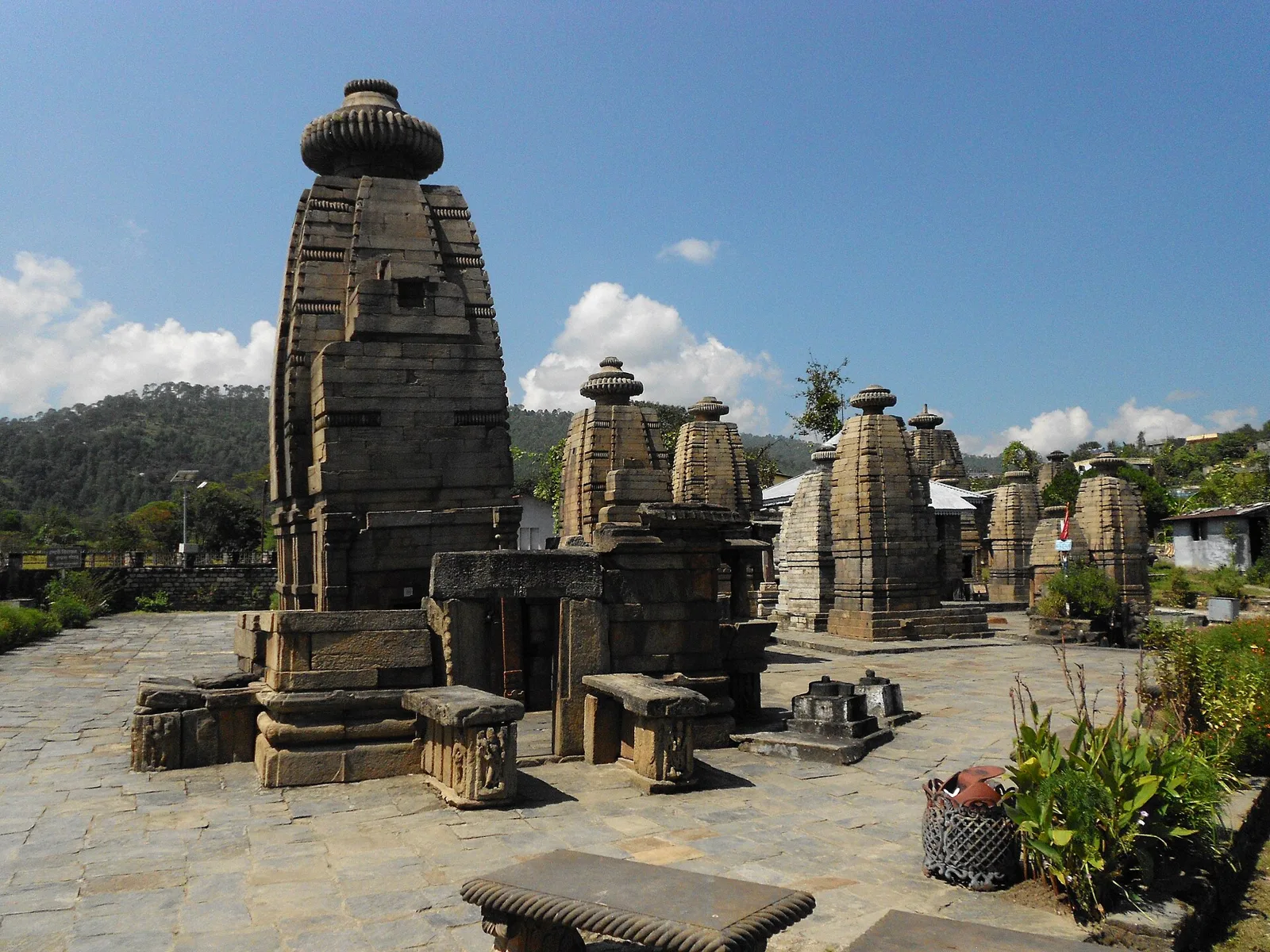
Baijnath Temple
Baijnath Temple is a temple and sacred site in Kangra district, Himachal Pradesh. People visit it as a place of worship.
Key facts · verified by Ghumoopedia editors
- Type of place
- Temple / pilgrimage site
- Best time to visit
- March to June and October to November for most hill towns; May to October for Lahaul-Spiti and high passes
- Verified
- 21 Nov 2026
Baijnath Temple is a sacred religious site in the Kangra district of Himachal Pradesh. It is recognised as a temple, giving the place both a religious identity and a clear regional setting. People come here for worship, and its significance rests on that sacred character. The name refers to the temple itself, while Kangra district identifies its location within the state. For visitors seeking a sacred place, Baijnath Temple is a site for religious observance. Its importance comes from its role as a place of worship and its status as a sacred site. Himachal's hill towns blend Hindu temple traditions, Tibetan Buddhist monasteries and village devta (local deity) customs, with fairs and festivals tied to the farming calendar. Altitude decides the weather: the Shivalik foothills are mild, Shimla and Manali are cool with winter snow, and Lahaul-Spiti is a cold desert closed by snow for months. The July–September monsoon brings landslides and road closures in the hills. The usual best time to visit is March to June and October to November for most hill towns; May to October for Lahaul-Spiti and high passes. For official information, see Himachal Pradesh Tourism at https://himachaltourism.gov.in.
Why it matters
Baijnath Temple is an important Shiva shrine in Baijnath town, Kangra district, and a prominent example of Himachal Pradesh’s historic temple heritage. Worshippers visit it as a place of devotion to Shiva in his form as Vaidyanath, or the divine healer. Its regional importance also comes from its medieval stone architecture and an inscription associated with its foundation. Heritage references identify the temple as protected by the Archaeological Survey of India; visitors should check locally for current access arrangements and any conservation-related restrictions. The temple remains part of a living religious community, so it is both a historic monument and an active place of worship. Claims about its exact map location and visitor arrangements should be confirmed before travel.
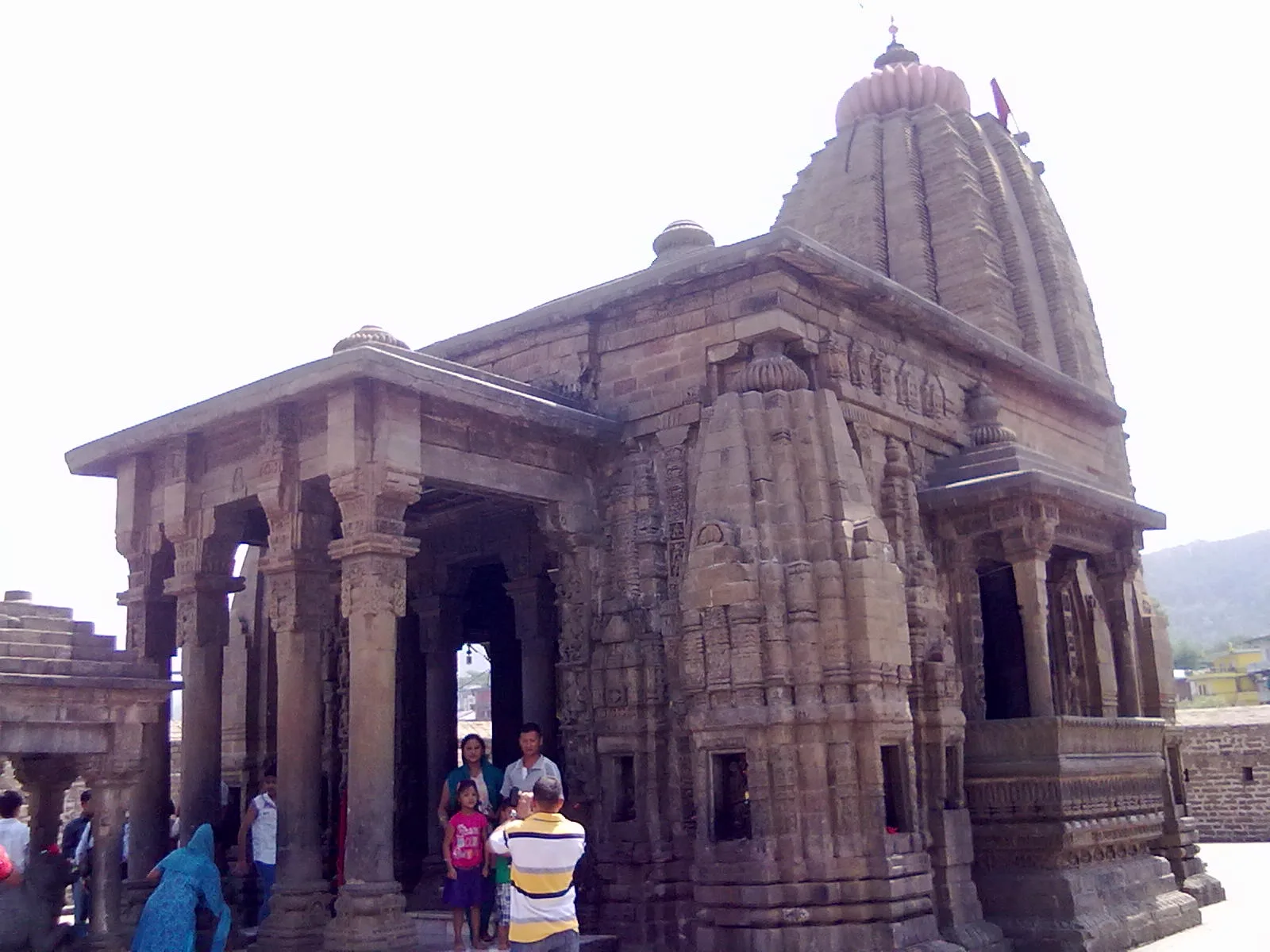
An inscription at the temple records its construction in 1204 CE by two merchant brothers, Manyuka and Ahuka. This dated record makes the early thirteenth century a well-supported point of reference for the present shrine, though worship at the site may have older roots. The temple was dedicated to Shiva as Vaidyanath. Its foundation inscription is an important source for the builders’ names and the temple’s history; details beyond what the inscription establishes should be treated cautiously. The shrine has continued to serve local worshippers over the centuries, while also attracting pilgrims and visitors interested in medieval Himachali architecture. Its survival and conservation are part of the wider history of protecting historic temples in the region. The Archaeological Survey of India is associated with its protected-monument status. The temple remains an active religious site rather than a museum, and conservation needs may shape which parts visitors can enter. For changes to access, restoration work or management, consult the temple caretakers or relevant official heritage and tourism sources before visiting.
Origin stories & folklore
According to local tradition, Ravana, the legendary king of Lanka and a devotee of Shiva, worshipped the god at this place. In some tellings, Shiva granted him a boon after his devotion, and the shrine became associated with Shiva as Vaidyanath, the divine healer. These accounts belong to religious folklore and are not the same as the temple’s documented history. Local belief is also sometimes cited to explain why Dussehra customs here differ from the familiar practice of burning effigies of Ravana. Practices and explanations can vary between communities, so visitors should ask respectfully rather than assume every version is shared.
Architecture & design
Baijnath Temple is a stone-built North Indian shrine, commonly described as an example of the Nagara tradition. Its main structure is organized around a sanctum containing the Shiva shrine, with a connected hall for worshippers. The tower above the sanctum rises in the characteristic curving profile associated with this temple style. Carved stone details and sculptural elements give the exterior a richly worked appearance, while the overall design keeps attention on the central deity. The complex includes an open courtyard and subsidiary features, allowing worship and circumambulation around the shrine. Stone construction and the arrangement of the sanctum and hall reflect established temple-building practices rather than a modern visitor layout. The temple is an active sacred place, and some areas may be restricted or affected by conservation work. Observe the building from permitted areas and follow instructions from caretakers.
Important objects & sculptures
Visitors can look for the temple’s carved stone surfaces, sculptural details and images set into the exterior and interior spaces that are open to them. The Shiva shrine is the focus of worship, and a Nandi image is associated with the complex. The foundation inscription, which records the builders and the temple’s construction, is especially significant for understanding its history; its precise location and legibility should be checked on site. Do not touch, climb on or apply substances to sculptures or inscribed surfaces. Some objects may be difficult to view during worship or conservation work, and access is subject to the caretakers’ directions.
Religious significance
The temple is dedicated to Shiva in the form of Vaidyanath, a name understood as referring to the divine healer. For devotees, it is an active place of prayer, offerings and reverence, not simply a heritage structure. Worship may include darshan, offerings and daily rituals conducted by temple priests; the precise routine can vary. Maha Shivaratri is an especially important occasion for Shiva worshippers. Visitors who are not participating should remain quiet, avoid interrupting prayers and follow local instructions about entering the sanctum or other sacred areas. Customs around offerings, footwear and circumambulation should be observed as directed by temple staff or worshippers.
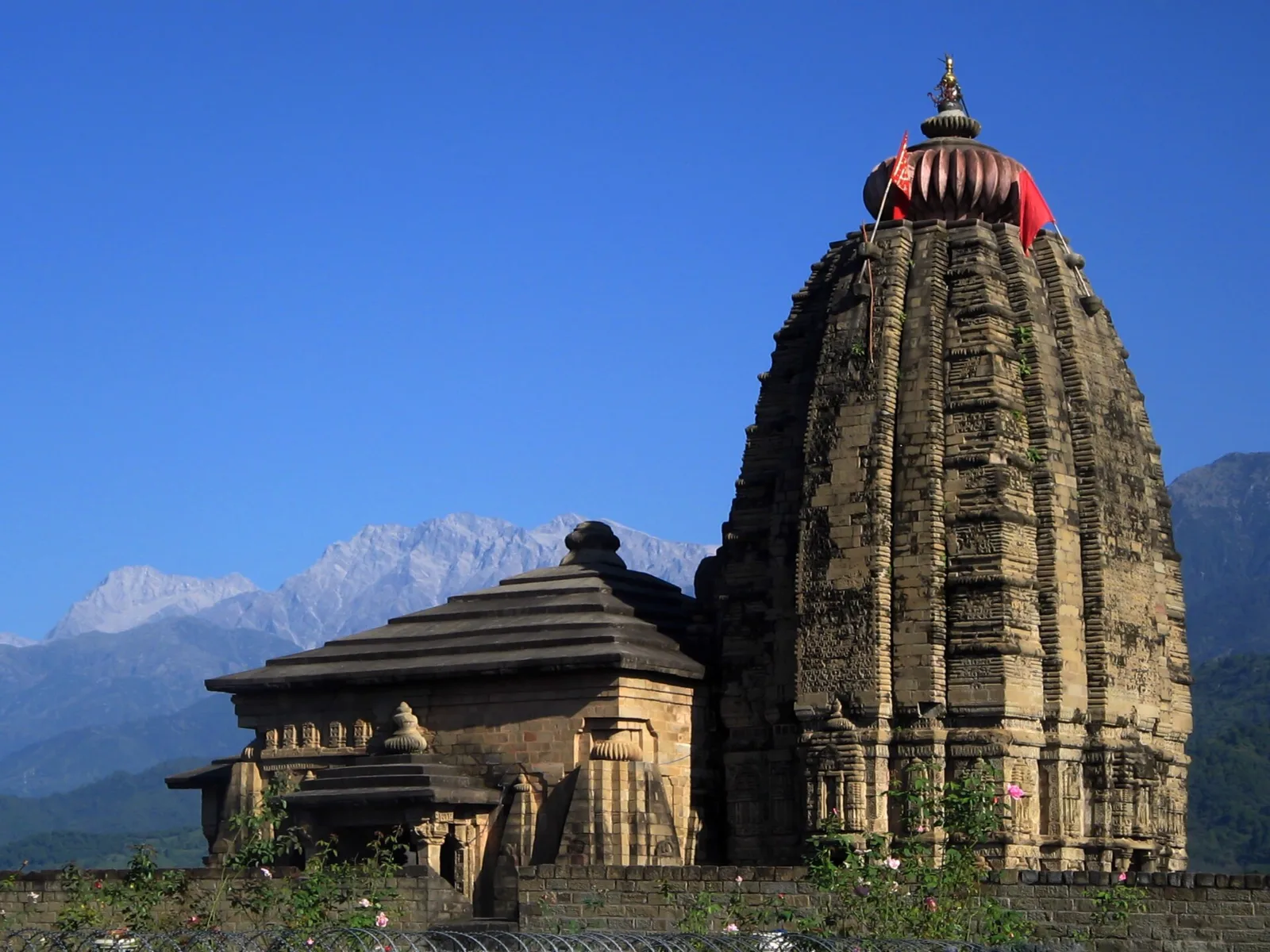
Visit Baijnath Temple with time to observe daily rituals respectfully. Follow the posted rules on footwear, photography, head covering and dress, walk clockwise around shrines, and avoid interrupting worshippers. Ask caretakers which areas are open to visitors. A comfortable itinerary is one main visit in the morning, a local meal at midday and a short nearby stop before an afternoon return. Use the district list on this site to find other places in Kangra, but check the actual road route and its condition before combining stops. If a festival or fair is on, local roads and stays can be busy — and the experience can be unforgettable. Leave no litter: many sites are protected by the communities around them.
Suggested itineraries
Half day: Arrive in the morning; allow 1–2 hours for the temple, worship and a respectful walk around permitted areas; have a local meal; return. Full day: Visit the temple in the morning; take a relaxed meal break; choose one nearby stop such as Bir or Palampur after checking the road route; return with time in reserve. Gentler option: Arrange a drop-off as close as locally permitted, visit the main shrine at an unhurried pace and rest nearby; ask ahead about steps and access.
Baijnath sits within Kangra’s living mix of temple worship, village customs and regional Pahari culture. Kangri and Hindi are commonly heard in the district, though language use varies among residents and visitors. Religious observances and seasonal gatherings bring local families and pilgrims together, while everyday town life continues around the shrine. Visitors may encounter customary forms of dress and devotional practice, but there is no single rule for how local people dress. Ask before photographing worshippers, and approach rituals as living community practices rather than performances. The temple’s religious identity is central to its cultural life.
Festivals & events
Maha Shivaratri, usually observed in late winter or early spring, is an important festival for Shiva devotees and may bring additional worshippers to the temple. Local religious gatherings and fairs can also take place around festival periods; their dates and scale vary from year to year. The temple is associated in local accounts with distinctive Dussehra beliefs connected to Ravana, though customs are not necessarily uniform across the area. Expect more activity and possible pressure on nearby roads or accommodation during major observances. Confirm the local calendar and visitor arrangements before setting out.
Local food in Himachal Pradesh includes siddu (steamed stuffed bread), madra, dham (the traditional festive meal), chha gosht, trout from mountain streams, babru and fresh apples and apricots in season. Ask what is fresh that day; many small eateries cook a limited daily menu. Vegetarian travellers eat very well across this region, and most towns also have simple non-vegetarian dhabas. Remote sites may have no restaurant at all. Carry water and snacks, eat a proper breakfast before long drives, and ask your accommodation for a packed lunch if you are heading out early. If langar or prasad is offered at the shrine, accept it according to local custom — gurdwara langar is free and open to everyone. Choose busy, clean places and carry your packaging back to town.
Shopping & local experiences
Small shops in the town may carry devotional offerings, religious images and everyday souvenirs, but selection and opening arrangements vary. Kangra-region crafts and locally made goods may be available in nearby town markets; check the origin and materials before buying. Visitors can also look for regional food and tea in local cafés or eateries. Buy respectfully and avoid purchasing objects presented as archaeological or temple artefacts. Ask before photographing shopkeepers or stalls, and carry reusable bags to reduce packaging.
March to June and October to November for most hill towns; May to October for Lahaul-Spiti and high passes
These figures are calculated from map coordinates — hill roads wind a lot, so actual road distance and travel time are usually much longer. Chandigarh, Kalka and Pathankot are the main rail gateways for the hills, and the Kalka–Shimla toy train is itself a heritage journey. For the final leg, Himachal Road Transport Corporation (HRTC) buses and shared taxis link district towns; shared taxis usually leave early in the morning. A private taxi gives more flexibility for remote sites. When comparing train, bus and flight, count the complete door-to-door time: a flight saves the most time only if the onward road transfer is short, while an overnight train plus a road journey can save a hotel night. Book your return before you leave, because seats fill quickly on weekends and holidays. Current train numbers, timings, return services and fares are not listed here; check IRCTC and NTES for trains and the airline's own schedule for flights. No permit is needed for Indian visitors to most of Himachal Pradesh. Some stretches near the international border in Kinnaur and Lahaul-Spiti may have check posts, and foreign nationals should check current registration rules for border areas before travel.
Getting around
Baijnath is a town destination, and visitors can generally plan the final approach using local or inter-town buses, taxis or shared vehicles, subject to current services. On arrival, ask locally where vehicles may stop and whether parking is available; arrangements can change during busy religious occasions. The temple visit itself is best made on foot from the nearest permitted drop-off or parking point. Roads in the hills can be winding and conditions variable, so allow flexibility and confirm the route with your driver or host. Do not rely on unverified fares or timetables.
Hours, tickets & permissions
Entry arrangements may depend on worship, conservation work and temple management. Rules can apply to footwear, entry into sacred areas, photography, offerings and visitor conduct; ticketing or other fees should not be assumed. Carry identification if a local authority requests it, but confirm any requirement before travel. Check current hours, entry conditions and fees with the temple’s managing authority or Himachal Pradesh Tourism before visiting.
Facilities
Facilities at the temple itself may be limited and can change with management or conservation needs. Toilets, drinking water, food shops and places to sit are more likely to be found in the surrounding town, but visitors should check locally rather than rely on a particular facility being open. Parking, guides and ATM access should also be confirmed in advance. Carry water and any personal essentials, especially if travelling with children or older visitors. Keep the site clean and use bins where provided; do not leave offerings or litter outside designated places.
Accessibility
The temple is a historic stone complex, so surfaces may be uneven and movement may involve steps or thresholds. A wheelchair or stroller may not be practical throughout the site, and assistance may be needed by visitors with limited mobility. Shade and seating may be limited, particularly in the courtyard. Older visitors can consider a short, unhurried visit and arrange a nearby drop-off if permitted. Contact the managing authority or ask locally about current access before travelling.
No permit is needed for Indian visitors to most of Himachal Pradesh. Some stretches near the international border in Kinnaur and Lahaul-Spiti may have check posts, and foreign nationals should check current registration rules for border areas before travel. Carry a photo ID at all times and save the emergency number 112 and your accommodation's contact offline. Heat in summer and dense fog in winter are the main weather risks; carry water and allow extra travel time on foggy December–January mornings. Respect community rules, private property and posted instructions. Check official advisories for the region before travel, and follow local guidance if access changes.
Visitor rules
Follow notices and instructions from temple caretakers. Remove footwear where directed, dress respectfully and keep voices low during worship. Do not enter restricted or conservation areas, touch carvings or interrupt rituals. Ask before offering items, and use designated places for offerings and waste. Photography may be limited inside the shrine or during worship, so check before taking pictures. Avoid single-use plastic where possible and take all litter away. Local customs can differ; when uncertain, observe first and ask politely.
Photography
Soft morning or late-afternoon light may help show the stonework, but the best conditions depend on weather and access. Photograph only from areas where it is permitted, and ask before taking pictures of worshippers, priests or rituals. Photography inside sacred spaces may be restricted; follow posted notices and caretaker instructions. Do not use a flash if it could disturb worship or damage sensitive surfaces. Drone use may require permissions and can be restricted around religious or protected sites, so do not fly without checking applicable rules.
Choose a stay by the full journey to Baijnath Temple, not just the district name. Main towns in Kangra usually offer hotels, state tourism lodges and guesthouses with better transport, meals and medical access, while village homestays offer a closer connection to local life. In the plains, check fans or air-conditioning in summer and heating in the December–January cold wave. Book in advance for weekends, festival dates and the peak season (March to June and October to November for most hill towns; May to October for Lahaul-Spiti and high passes). Confirm the exact location, meals included, check-in time and cancellation terms in writing. Many homestays accept payment on arrival; avoid sending money to unverified contacts. Mobile network and digital payments can be unreliable in remote areas, so carry some cash.
Palampur is a nearby town that visitors may consider combining with Baijnath, subject to the road route and time available. Bir, known for its Tibetan Buddhist community and paragliding activity, is another regional option; check local conditions and whether activities are operating. Other Kangra district heritage and pilgrimage sites include Kangra Fort, Chamunda Devi Temple and the Masroor Rock Cut Temple, though these are separate visits and may require substantial road travel. Confirm routes and travel times locally rather than assuming these places are close together.
For couples, Baijnath Temple rewards a slow pace: arrive early for soft light and fewer crowds, share a local meal and keep the evening free. Public displays of affection can be frowned upon in conservative communities and at religious sites, so be discreet. A homestay or a small heritage hotel can make the trip memorable — confirm privacy, hot water and transport back. Keep a buffer in your itinerary, because weather and traffic can delay plans in Himachal Pradesh.
Q: How much time should I allow for Baijnath Temple? A: A focused visit can fit into a half-day plan; allow extra time for worship, rest or local travel. Q: When is a good season to visit? A: March to June and October to November are generally comfortable periods for many Himachal hill destinations; check local weather and road conditions. Q: Is there an entry fee? A: Confirm with the temple’s managing authority before visiting. Q: Can children and elderly visitors visit? A: Yes, but the historic site may have uneven surfaces or steps. Keep the visit unhurried and check access needs locally. Q: Where can I stay nearby? A: Visitors can look for accommodation in Baijnath or nearby towns such as Palampur, and should confirm availability and travel routes before booking.
Be the first to share photos, stories, advice or a helpful contact for Baijnath Temple.
Loading…