
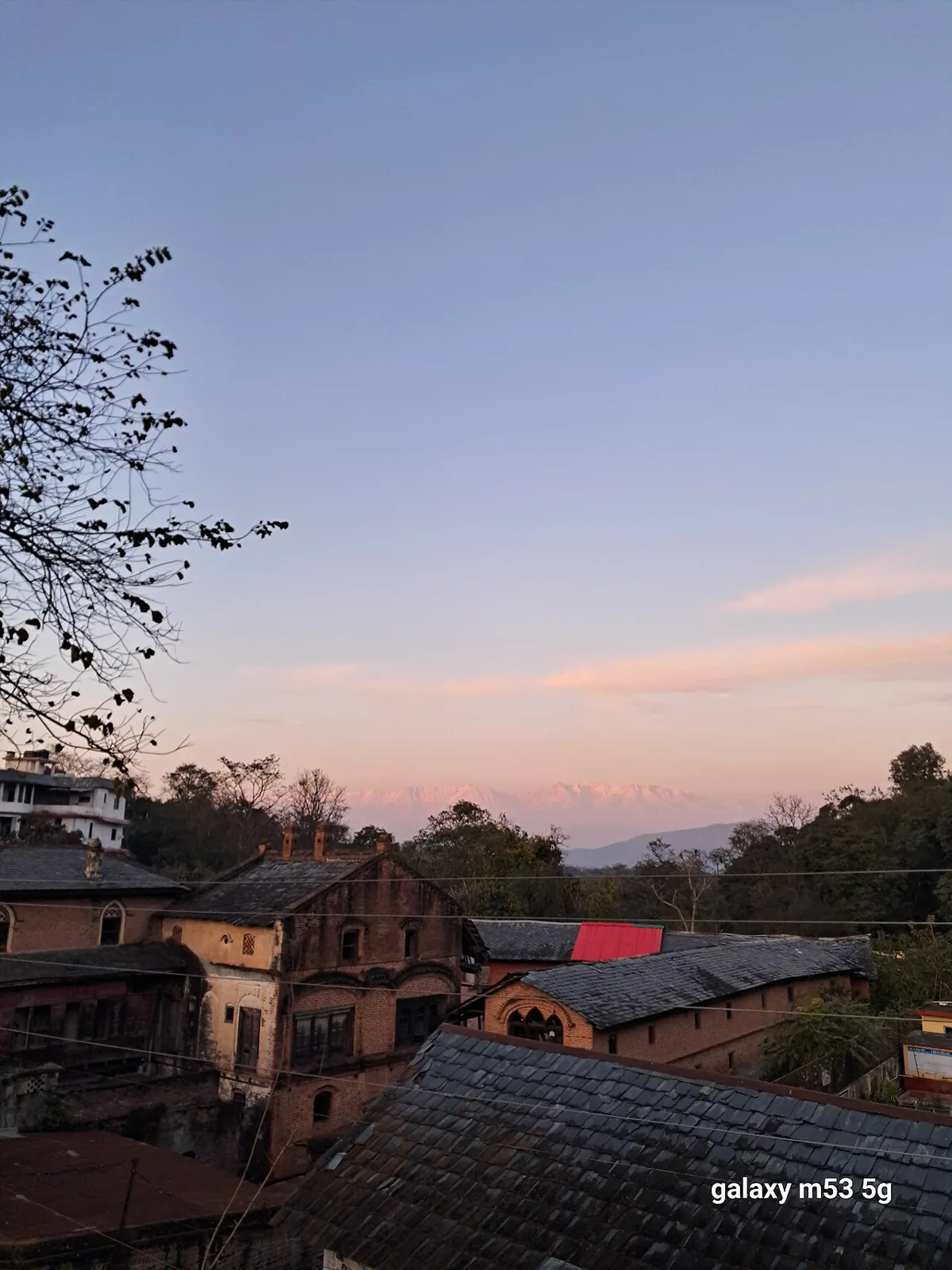
Pragpur Heritage Village
Pragpur Heritage Village is a heritage settlement in Kangra district, Himachal Pradesh. Visitors come to see its village heritage character.
Key facts · verified by Ghumoopedia editors
- Type of place
- Heritage monument
- Best time to visit
- March to June and October to November for most hill towns; May to October for Lahaul-Spiti and high passes
- Nearest railway station
- Hoshiarpur · about 20 km (straight line)
- Verified
- 21 Nov 2026
Plan a trip from Pragpur Heritage Village — a day-by-day route through places nearby.
Pragpur is in Kangra district, in the state of Himachal Pradesh, and is recognised as a heritage village. Its heritage character is the reason to visit. The village’s location in Kangra district identifies the area in which it can be found. For rail travel, the route reaches Una (UHL). From Una, continue by road along NH 503, NH 3 and MDR 46. These are the road routes given for the onward journey to Pragpur. The nearest airports are Bhuntar Airport (IATA: UAA) and Gaggal Airport. Together, the rail, road and airport details describe the stated travel options for reaching the village. Himachal's hill towns blend Hindu temple traditions, Tibetan Buddhist monasteries and village devta (local deity) customs, with fairs and festivals tied to the farming calendar. Altitude decides the weather: the Shivalik foothills are mild, Shimla and Manali are cool with winter snow, and Lahaul-Spiti is a cold desert closed by snow for months. The July–September monsoon brings landslides and road closures in the hills. The usual best time to visit is March to June and October to November for most hill towns; May to October for Lahaul-Spiti and high passes. For official information, see Himachal Pradesh Tourism at https://himachaltourism.gov.in.
Why it matters
Pragpur is a living village in Kangra district, recognised for its historic streetscape and traditional houses rather than as a single isolated monument. The Himachal Pradesh government designated Pragpur a heritage village in 1997, a status that has encouraged attention to its built heritage and local identity. Its lanes, residences, courtyards and places of worship offer a view of the region’s mercantile and community life across generations. The village is also valued as a place where heritage remains part of everyday life: many old buildings are privately occupied, and local customs continue alongside visitor activity. It is not identified here as a UNESCO World Heritage site or an Archaeological Survey of India-protected monument.
Pragpur’s beginnings are commonly associated with the Kuthiala Sood community, whose merchants and other families helped shape the settlement. Local accounts connect the village’s name and foundation with a woman called Prag Dei, but this story is traditionally told rather than established as a precise historical record. The village developed as a community of homes, shops and places of worship, with trade and family networks contributing to its prosperity. Many of its notable residences reflect building and decorative tastes from the later nineteenth and early twentieth centuries, when prosperous local families commissioned substantial houses. The Judge’s Court is among the best-known historic properties, while the Taal, a traditional water feature, forms an important part of the village setting. Pragpur’s designation as a heritage village by the Himachal Pradesh government in 1997 brought wider recognition to its historic character. Since then, some old properties have been repaired, adapted for visitors or used as accommodation, while many remain private homes. The village is not a preserved period set: upkeep, use and access differ from building to building, so visitors should respect residents and ask before entering private spaces.
Origin stories & folklore
According to local tradition, Pragpur was named in connection with Prag Dei, a woman remembered in stories about the village’s beginnings. Some tellings link her to the Kuthiala Sood community and describe the settlement as having been established in her memory. The details vary, and the account should be understood as local heritage rather than a verified founding record. Stories associated with old houses and family lineages may also be shared by residents or guides, but they are not necessarily documented histories. Visitors can ask a local host about these traditions and listen for differing versions, while avoiding assumptions that every historic building has a surviving legend attached to it.
Architecture & design
Pragpur’s character comes from a network of old lanes, domestic buildings, courtyards and community spaces rather than one monumental structure. Traditional houses commonly use locally available stone, timber and plaster, with sloping roofs suited to the hill climate; materials and details vary by building and period. Look for carved or shaped wooden doors, projecting balconies, enclosed courtyards and decorative elements around windows and entrances. The Taal, a traditional water feature, is a distinctive part of the village’s public setting. Residences such as the Judge’s Court and Lala Rerumal’s Haveli are associated with the village’s heritage architecture, though access may be limited or managed privately. The compact street pattern is best appreciated on foot, with occasional uneven surfaces and narrow passages. Pragpur’s buildings have been adapted over time, and not every old-looking structure is open to visitors or in the same state of repair.
Important objects & sculptures
Pragpur is best approached as a historic village rather than a museum with a standard collection or guaranteed display cases. As you walk, look for carved timber around doorways, window frames and balconies; old fittings; patterned surfaces; and details in the entrances and courtyards of historic homes. The Taal is a notable feature of the village landscape, while local places of worship may contain images or objects used in active religious practice. Their access and photography rules depend on the caretakers and the occasion. Do not assume that household objects, family portraits or religious items in private buildings are public exhibits. Ask a guide or resident to interpret features, and avoid touching carvings, idols or fittings.
Walk through Pragpur Heritage Village slowly to take in its old houses, streets and places of worship, ideally with a local guide or host who can explain the village's history and families. Many heritage houses are private homes — admire them from outside unless you are invited in or the house is open to visitors — and ask before photographing people. Look out for local food, crafts and festivals that are part of the village's living heritage, and combine your visit with nearby temples, forts or towns in Kangra district.
Suggested itineraries
Half day: Arrive and orient yourself (20–30 minutes); walk the old lanes and view historic homes from outside (1–1.5 hours); pause at the Taal and a place of worship if open (30–45 minutes); have a local meal or tea (45–60 minutes). Full day: Explore Pragpur with a local guide (2–3 hours); take a relaxed meal break (about an hour); visit nearby Garli or choose a nearby Kangra attraction such as Kangra Fort or Jwalamukhi Temple (allow several hours including road travel); return before dark. Gentler option: Arrange a vehicle close to the village centre, take a short level-paced walk with frequent rests, and enjoy a meal or tea nearby; check access and surfaces in advance.
Pragpur’s heritage is lived by its residents, many of whom continue to use historic homes and village spaces in everyday life. Kangri and Hindi are commonly heard in the region, alongside other languages used by individual families and visitors. Hindu worship and local customs form part of community life, while family gatherings and seasonal observances follow wider Kangra traditions. Music, dance, clothing and ritual practices vary by occasion; visitors should not expect staged performances as part of an ordinary walk. A local guide or host can explain family histories and the meaning of particular spaces. Be considerate around homes and places of worship, dress respectfully, and ask before photographing people or ceremonies.
Festivals & events
Festival life follows the wider Kangra calendar, with observances such as Dussehra, Diwali, Holi and the winter festival of Lohri celebrated in the region. Religious fairs and temple gatherings also take place at nearby destinations, though schedules and scale vary from year to year. These occasions can bring more visitors, local traffic and activity around shrines and market areas. Pragpur does not have a single major public festival that visitors should assume will coincide with a trip. Ask locally about current events, and be especially respectful during worship: follow instructions from organisers and avoid obstructing processions or photographing rituals without permission.
Village food in Himachal Pradesh is home cooking: siddu (steamed stuffed bread), madra, dham (the traditional festive meal), chha gosht, trout from mountain streams, babru and fresh apples and apricots in season. Pragpur Heritage Village itself may have only tea stalls and small eateries, so ask your host or guide where to eat, or arrange a home-cooked meal in advance — it is often the highlight of a village visit. Carry water and a snack if you plan to spend the whole day, and eat your main meal in the nearest town if no local option is open.
Shopping & local experiences
Pragpur is not primarily a shopping destination, but visitors can ask locally about regional produce, small crafts or items made by nearby artisans. Availability varies, and there may not be a dedicated craft market in the village. A meal or tea at a local establishment can be a good way to experience regional food; ask about seasonal or home-style dishes and confirm what is available. Buy directly from local makers or shops where possible, and avoid treating household objects or architectural fittings as souvenirs. Nearby towns may offer a broader choice of everyday goods and regional products.
March to June and October to November for most hill towns; May to October for Lahaul-Spiti and high passes
The nearest principal railway station by straight-line distance is Hoshiarpur, roughly 20 km away. The nearest operating airport by straight-line distance is Adampur Airport, Jalandhar, roughly 40 km away. These figures are calculated from map coordinates — actual road distance is longer. undefined Pragpur Heritage Village is a village, so the last stretch is by road: Himachal Road Transport Corporation (HRTC) buses and shared taxis reach the nearest town, and from there a shared auto, local bus or reserved taxi covers the final few kilometres. Village roads can be narrow and unpaved; a taxi hired for the day from the nearest town is the simplest way to combine Pragpur Heritage Village with nearby sights and get back before dark. When comparing train, bus and flight, count the complete door-to-door time: a flight saves the most time only if the onward road transfer is short, while an overnight train can save a hotel night. Book your return before you leave, because seats fill quickly on weekends, festivals and holidays. Current train numbers, timings, return services and fares are not listed here; check IRCTC and NTES for trains and the airline's own schedule for flights. No permit is needed for Indian visitors to most of Himachal Pradesh. Some stretches near the international border in Kinnaur and Lahaul-Spiti may have check posts, and foreign nationals should check current registration rules for border areas before travel.
Confirm onward and return timings on IRCTC / NTES, the state bus operator or your airline before travel. A dash means current timings or fares have not been verified.
Getting around
Once in Pragpur, walking is the most practical way to see its compact lanes and historic streetscape. Surfaces can be uneven and passages narrow, so vehicles are not convenient for every stop. Local buses and shared taxis serve the wider area, but the final approach and return arrangements should be confirmed locally. A reserved taxi from a nearby town is useful for combining Pragpur with other Kangra sights and returning before dark. Parking availability may be limited near the old lanes; ask locally where to leave a vehicle without blocking residents. Autos or other local transport may be available in nearby settlements, but should not be assumed within the heritage core.
Hours, tickets & permissions
Pragpur is an inhabited village, not a ticketed monument with one universal entrance. Public lanes can generally be explored respectfully, but heritage houses, hotels, temples and private courtyards may have separate access rules or may not admit casual visitors. Tickets, permits, camera charges and identification requirements can depend on the specific property or event. Dress modestly at places of worship and follow any posted instructions. Confirm current opening arrangements and any fees with the property, local host or relevant managing authority before planning a visit.
Facilities
Facilities are those of a small living village and may be limited within the heritage lanes. Food and tea may be available at local establishments or accommodation, while toilets, drinking water and parking should be checked with a host before setting out. Some historic properties operate as visitor accommodation or hospitality venues, but access is not guaranteed without an arrangement. Guides may be available locally; confirm their availability in advance if you want a detailed heritage walk. ATMs and a wider choice of services are more likely in nearby towns. Carry water and any personal essentials, and do not rely on every facility being open.
Accessibility
The village is compact, but its historic lanes may have uneven paving, slopes, steps and narrow passages. Walking distances depend on which streets and properties are accessible, and there may be little shade in some stretches. Wheelchair and stroller access can be difficult; do not assume ramps, accessible toilets or step-free entry to old houses. Older visitors or anyone with limited mobility may prefer a short route, frequent rests and a vehicle drop-off arranged as close as local access allows. Check conditions with a local host beforehand, especially after rain, when surfaces may be slippery. Private homes and worship spaces may have additional steps or restricted access.
No permit is needed for Indian visitors to most of Himachal Pradesh. Some stretches near the international border in Kinnaur and Lahaul-Spiti may have check posts, and foreign nationals should check current registration rules for border areas before travel. Carry a photo ID, some cash (card and UPI acceptance varies in villages) and a charged phone with offline maps; save the emergency number 112 and your host's contact. Heat in summer and heavy rain in the monsoon are the main weather risks; carry water, avoid midday sun and allow extra time when village roads flood. Respect local customs: dress modestly, remove footwear where asked, and always ask before photographing people, homes or rituals.
Photography
Soft morning or late-afternoon light can bring out the textures of old walls, woodwork and lanes; ask a local guide to suggest viewpoints that do not intrude on private property. Exterior photography is generally less sensitive than photographing residents or interiors, but always ask before taking pictures of people, homes or religious activity. Follow any rules at temples and privately managed properties. Do not enter courtyards or buildings just to take photographs. Drone use may require permissions and can disturb residents or worship; check current rules with the relevant authorities and avoid flying over homes, crowds or ceremonies.
Most visitors see Pragpur Heritage Village on a day trip from the nearest town, which has the widest choice of hotels. A few villages have homestays or heritage stays; otherwise base yourself in the district town and hire a taxi for the day. Confirm the booking and the exact location before you travel, because village addresses can be hard to find.
Garli, a neighbouring heritage settlement, is a natural companion visit for travellers interested in traditional architecture and village history. Other established attractions in Kangra district include Kangra Fort and the Masroor Rock Cut Temple, each requiring separate road travel and time. Jwalamukhi Temple is another well-known religious destination in the wider region. These places differ in setting and visitor arrangements, so check access locally before combining them in one day. Road conditions, traffic and the time needed at each stop affect what is practical; avoid trying to fit several distant sites into a short visit.
For couples, Pragpur Heritage Village is a chance to slow down: walk the lanes in the soft morning light, share a home-cooked meal and keep the afternoon free. Stay in a nearby homestay or heritage property to make it a quiet overnight escape.
Q: How much time should I allow for Pragpur? A: A half day is enough for a relaxed walk through the village; allow a full day if you plan to add a nearby attraction and road travel. Q: When is a good season to visit? A: March to June and October to November are generally comfortable periods for many Himachal hill destinations. Monsoon travel can bring rain and road disruption, so check conditions. Q: Is there an entry ticket for the village? A: The village itself is not one ticketed monument. Individual properties or places of worship may have their own access rules; confirm locally. Q: Is Pragpur suitable for children and elderly visitors? A: It can be, with a short, unhurried route. Lanes may be uneven or stepped, so mobility needs should be considered and access checked in advance. Q: Can I stay near Pragpur? A: Visitor accommodation may be available in or around the village, including heritage properties, but options and access vary. Arrange a stay in advance or check nearby towns.
Be the first to share photos, stories, advice or a helpful contact for Pragpur Heritage Village.
Loading…