
District · Jammu and Kashmir
Samba
Samba lies in the southern part of Jammu and Kashmir, between the Jammu region’s plains and the Shivalik foothills.
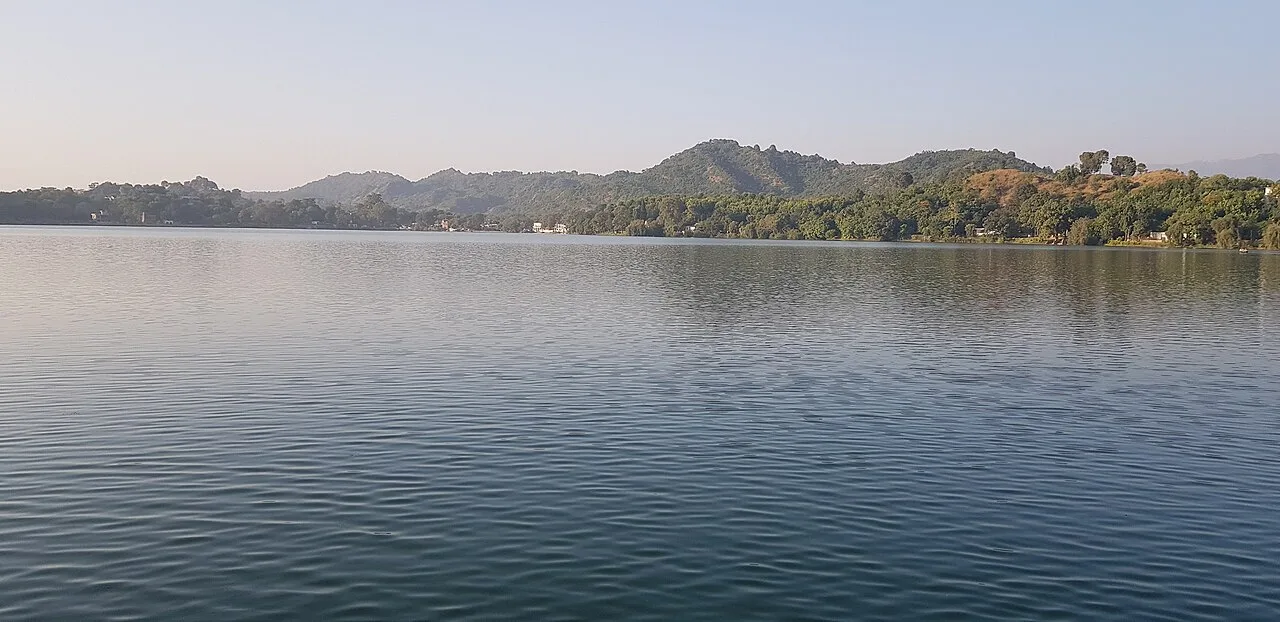
Samba district lies in the Jammu region, where the northern plains rise towards the Shivalik foothills. The Basantar River and its tributaries cross a landscape of settled farmland, low hills and expanding townships. The district includes Samba town and Mansar Lake, a well-known destination set among wooded slopes. Samba became a separate district in 2006, having previously been part of Jammu district. Its character reflects both the Dogra cultural heritage shared across the Jammu region and its position along important road and rail corridors. Agriculture remains part of local life, alongside growing industrial areas and the everyday activity of towns and villages.
Samba lies in the southern part of Jammu and Kashmir, between the Jammu region’s plains and the Shivalik foothills. It offers a quieter base for experiencing this border district and its mix of rural landscapes, local religious traditions and road-linked towns. The district’s best-known listed visitor attraction is Mansar Lake, a freshwater lake associated with pilgrimage and recreation. Visitors should check current local advisories before travelling near sensitive border areas.
Samba’s history is closely connected with the wider Jammu region and the Dogra ruling house. Local accounts associate the town with Dogra rulers, though details of its early foundation vary across sources. For much of its recorded history, the area formed part of the Jammu kingdom and later the princely state of Jammu and Kashmir. In 1846, the Treaty of Amritsar established Gulab Singh’s rule over the princely state under British paramountcy; the British governed indirectly rather than incorporating it as a province. In 1947, the princely state’s ruler signed the Instrument of Accession to India, amid the upheaval and conflict that accompanied Partition. Samba remained part of Jammu district after the princely-state period. It was created as a separate district in 2006 and began functioning as such in 2007. Its more recent history reflects its position on an important transport corridor and near the international border, where security conditions can affect movement.
Food in Samba draws on the wider Dogra and Jammu-region kitchen. Rajma-chawal is a familiar meal, while seasonal Dogra dishes such as ambal, a tangy preparation, and auria may appear on local menus. Kalari, a traditional cheese associated with Jammu, is often cooked until browned and served with bread. Across Jammu and Kashmir, visitors may also encounter nadru, haak saag, dum aloo, kahwa and noon chai; Wazwan dishes are more closely associated with Kashmiri dining traditions. Small eateries may offer a short daily menu, so ask what is freshly prepared. Vegetarian choices are common, with meat dishes also available.
Samba is not widely known for one signature craft, but it shares the wider Jammu region’s varied artistic traditions. Basohli miniature painting, with its bold colours and distinctive figures, is associated with Basohli in neighbouring Kathua district rather than Samba. Jammu-region markets may also carry embroidered textiles, woollen goods and woodwork, though their availability and place of production vary. Travellers interested in local making can ask sellers where an item was produced and whether it is handmade; a regional style should not automatically be treated as a Samba-made product.
Navratri, Lohri and Baisakhi are observed in Samba as part of the wider Jammu region’s calendar. Baisakhi-season gatherings and religious visits are associated with Mansar Lake, though the scale and timing of events can vary from year to year. These occasions may bring more visitors to the lake and busier roads, while accommodation in Samba and nearby Jammu can be in greater demand. Travellers planning around a festival should confirm local arrangements and book suitable rooms ahead where possible; dates follow the relevant religious calendar.
Elsewhere in Jammu and Kashmir
- Shri Amarnath YatraDates to be announced · Seasonal
- Kheer Bhawani Mela (Zyeth Atham)Dates to be announced · Seasonal
- Herath (Kashmiri Shivaratri)Dates to be announced · Seasonal
- Navreh (Kashmiri New Year)Dates to be announced · Seasonal
- Eid & the Shrine Festivals of KashmirDates to be announced · Seasonal
- Bahu MelaDates to be announced · Seasonal
- Jhiri Mela23 Nov 2026 – 3 Dec 2026 · Confirmed
- Lohri & Baisakhi in JammuDates to be announced · Seasonal
- Tulip Festival, SrinagarDates to be announced · Seasonal
Samba district spans settled lowland areas and the rising terrain of the Shivalik foothills. The Basantar river and seasonal streams shape parts of the countryside, while woodland and scrub occur in the hillier areas. Mansar Lake sits among wooded slopes and is the district’s principal listed nature destination. Roads connect the towns and foothill settlements, but journeys beyond the main corridors can involve narrower, winding sections. Rain can affect smaller roads and streams, so allow flexibility when travelling outside the main towns.
Samba has hot summers, a monsoon season with humid spells and rain, and cooler winters. Spring and autumn are generally comfortable periods for visiting Mansar Lake and travelling around the district. The months from October to March are often the most pleasant for outdoor visits, while summer heat can make midday outings tiring. Monsoon showers may disrupt road travel, especially on smaller routes. Pack light clothing and sun protection for warm weather, a light layer for evenings, and a rain jacket during the monsoon. Winter visitors should bring warmer layers, particularly for early mornings and nights.
Jammu Airport is the nearest principal airport for most visits to Samba district. Samba has a railway station on the Jammu–Pathankot line; Jammu Tawi is a major rail gateway, while Shri Mata Vaishno Devi Katra also serves long-distance journeys. National Highway 44 connects the Jammu area with Samba and continues towards Pathankot. Roads branch from the main corridor towards towns and attractions such as Mansar Lake. Buses and shared vehicles serve some routes, while taxis offer more flexibility; transport can be less frequent away from main towns. Check current services locally before setting out.
The main towns are connected by road, with the Jammu–Pathankot corridor serving as a key route through the district. Local buses and shared vehicles operate on some routes, but service frequency can vary; taxis or private vehicles offer more flexibility for reaching Mansar Lake and smaller settlements. Auto-rickshaws may be available within towns, though they are not a dependable option for every inter-town journey. Samba is also served by rail, while Jammu is a larger regional transport hub. Check current road and service conditions before setting out, especially during heavy rain or security restrictions.
2 days: Mansar Lake; sleep night 1 in Samba. 3 days: Mansar Lake; sleep night 1 in Jammu and night 2 in Samba.
Samba town is a practical base for a short visit to Mansar Lake and for road journeys through the district. Jammu offers a wider choice of accommodation and can suit visitors arriving by rail or air, or those combining the district with travel elsewhere in the region. Options commonly include hotels and guesthouses, with simpler lodging sometimes available in smaller towns. Homestays, government lodges and dharamshalas may be limited or vary in availability; confirm directly before relying on them. During festival periods, arrange a room in advance.
Check current government and local advisories before travelling, as Samba is a border district and security restrictions can affect access or road movement. Use care on narrow foothill roads, particularly after rain, and avoid driving through fast-flowing streams. Summer heat and monsoon showers call for sun protection, drinking water and flexible plans. Use sealed or treated water if the safety of local supplies is uncertain. Mobile coverage can vary away from towns, so share your route and do not rely on continuous connectivity. Crowds may increase around religious gatherings. No special permit requirement is assumed here; confirm any current access rules officially before travel.
- Jammuabout 26 km
- Udhampurabout 45 km
- Reasiabout 49 km
- Dodaabout 62 km
- Pathankot · Punjababout 63 km
- Kathuaabout 67 km
- Gurdaspur · Punjababout 75 km
- Chamba · Himachal Pradeshabout 105 km
Straight-line distance between the centres of each district's destinations; road distance is longer.
Q: How many days should I spend in Samba? A: Two days can cover a visit to Mansar Lake; allow longer if you want a slower trip or are using Jammu as a base. Q: When is the best time to visit? A: October to March is generally comfortable, while monsoon rain and summer heat may affect outdoor plans. Q: Where is the best base? A: Samba town is convenient for the district; Jammu has a broader range of accommodation and transport links. Q: How do I get to Samba? A: You can travel by road or rail; Jammu is a larger regional transport hub, with onward travel by road. Q: Is Samba suitable for families or elderly travellers? A: Yes, with planning. Choose suitable road transport, allow rest time, and check access and walking conditions at Mansar Lake.
This page draws on our 1 destination guides for Samba and is updated as our team checks it.
Be the first to share photos, stories, advice or a helpful contact for Samba.
Loading…