
District · Jammu and Kashmir
Srinagar
Srinagar is the summer capital of Jammu and Kashmir and a major cultural and urban centre in the Kashmir Valley.
Srinagar district brings together an urban landscape of lakes, historic neighbourhoods and gardens beneath the Zabarwan hills. Dal Lake and Nigeen Lake shape the city's waterside character, while Hari Parbat overlooks its built-up quarters. Mughal patronage left a lasting mark through terraced gardens: Nishat Bagh faces Dal Lake, Chashme Shahi centres on a spring, and Pari Mahal occupies an elevated setting above the lakeside. In the Old City, Jamia Masjid at Nowhatta remains an important religious landmark. Srinagar is the summer capital of Jammu and Kashmir and a longstanding centre of Kashmiri cultural life. Its appeal lies in the relationship between water, cultivated landscapes and living neighbourhoods, with the seasonal tulip garden adding another layer to its garden heritage.
Srinagar is the summer capital of Jammu and Kashmir and a major cultural and urban centre in the Kashmir Valley. Travellers come for the interplay of lakes, waterways, historic neighbourhoods and Mughal gardens, with the Zabarwan hills forming a backdrop. Dal Lake and Nigeen Lake are central to the city’s waterside character; the gardens of Nishat Bagh, Shalimar Bagh and Chashme Shahi reflect Mughal landscape design. The Old City’s mosques and shrines, Hari Parbat and the elevated setting of Pari Mahal add layers of religious and architectural history. Nearby Dachigam offers a change to forested mountain terrain.
Srinagar has long been an important political, religious and cultural centre of the Kashmir Valley. Kashmir was ruled by several dynasties in early and medieval times, including the Karkotas, whose best-known ruler, Lalitaditya, reigned in the eighth century. The Shah Mir dynasty established Muslim rule in the fourteenth century, followed by other sultanates. Mughal rule began in 1586, bringing imperial patronage to gardens and other works around the city. After Mughal authority weakened, Afghan Durrani rule began in the mid-eighteenth century; Sikh forces took Kashmir in 1819. Under the 1846 Treaty of Amritsar, the region came under the Dogra princely state of Jammu and Kashmir, which was linked to British India through princely-state arrangements. The princely state acceded to India in 1947. Srinagar became the summer capital of Jammu and Kashmir. In 2019, the former state was reorganised into the Union Territories of Jammu and Kashmir and Ladakh. The present district is an administrative unit centred on the city; administrative boundaries and arrangements may change.
14 destination guides
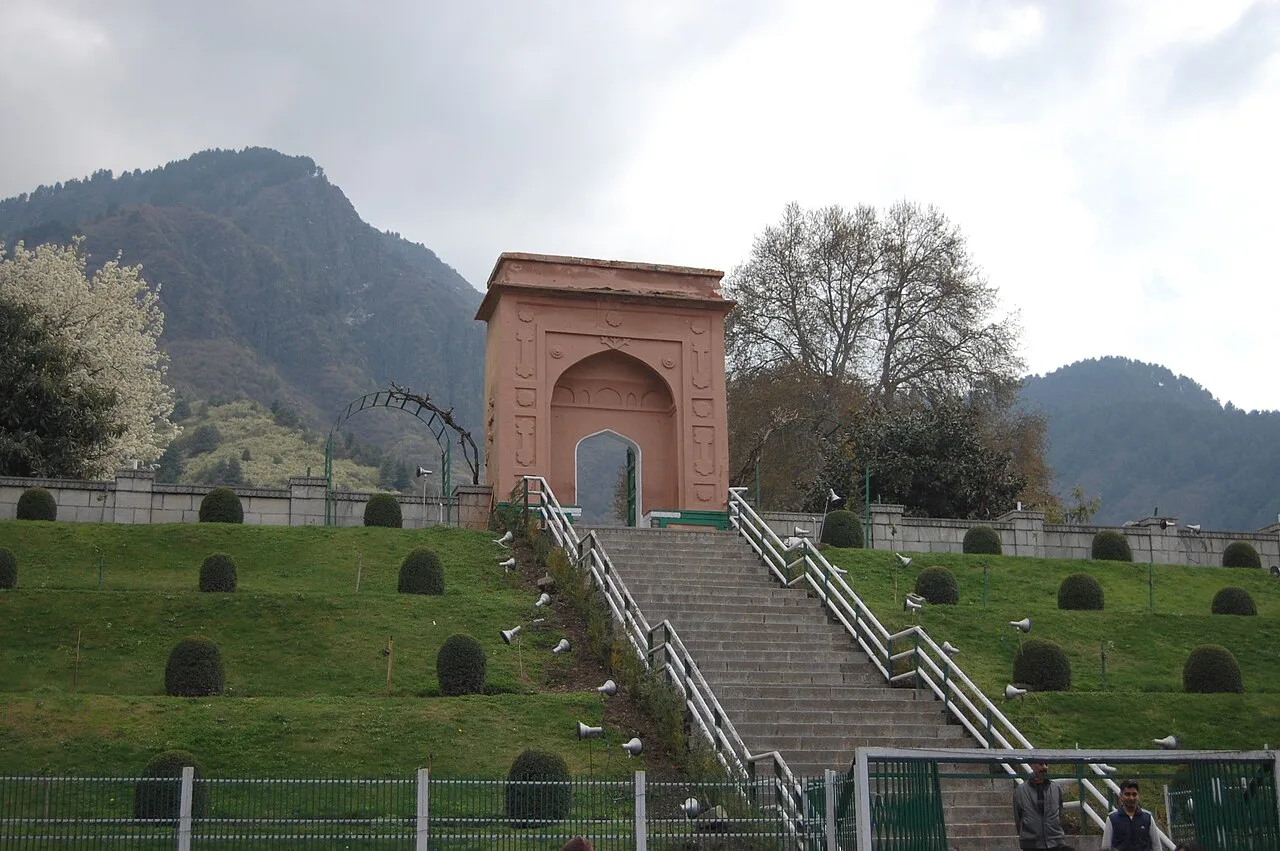
Chashme Shahi
Chashme Shahi is a Mughal garden in Srinagar, built around a spring on Shah Jahan’s orders. Visitors come to see the garden and its setting overlooking Dal Lake.
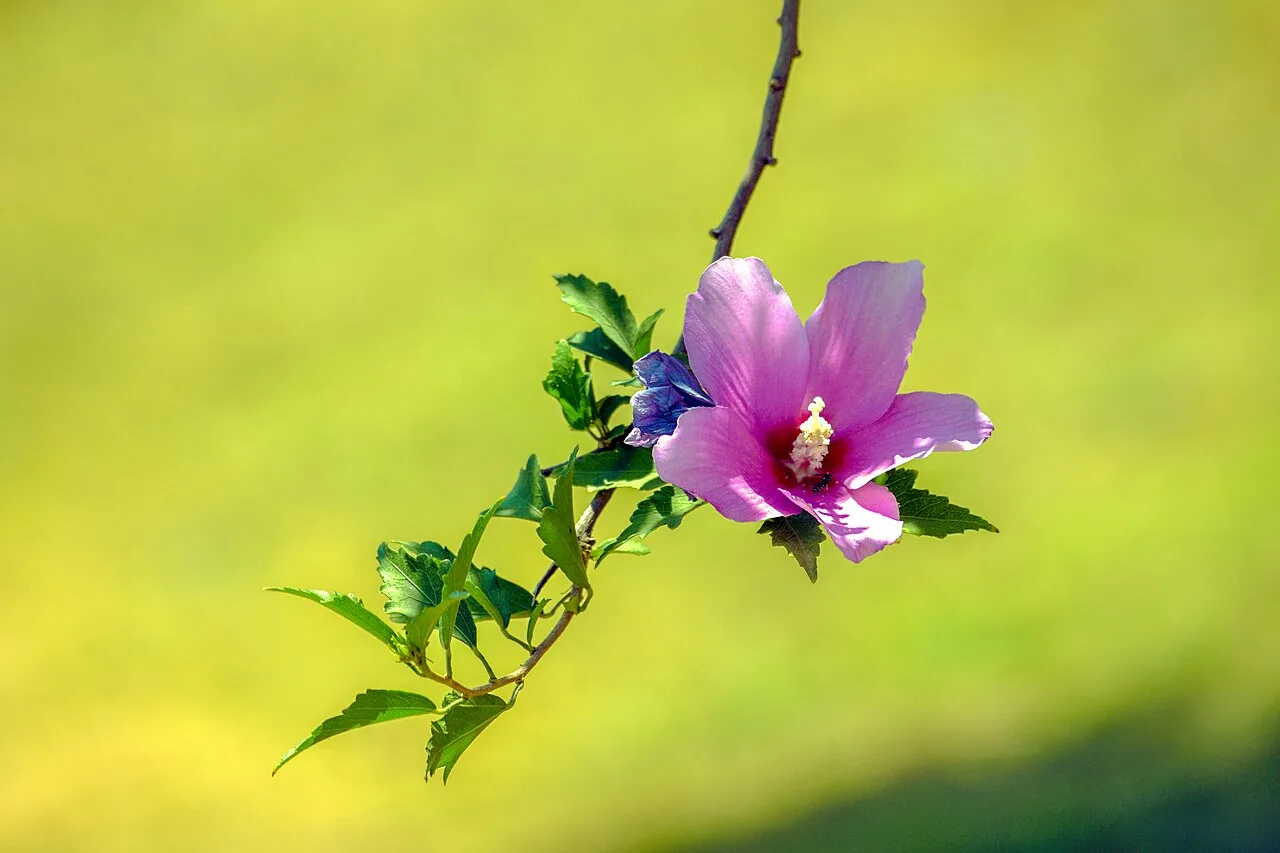
Dachigam National Park
Dachigam National Park is a protected area in Srinagar district, near Dal Lake. Visitors can explore a site with a long conservation history and a name linked to ten relocated villages.

Dal Lake
Dal Lake is an urban freshwater lake in Srinagar, valued for recreation, tourism and commercial fishing and plant harvesting, with gardens, houseboats and floating plots shaping its surroundings.
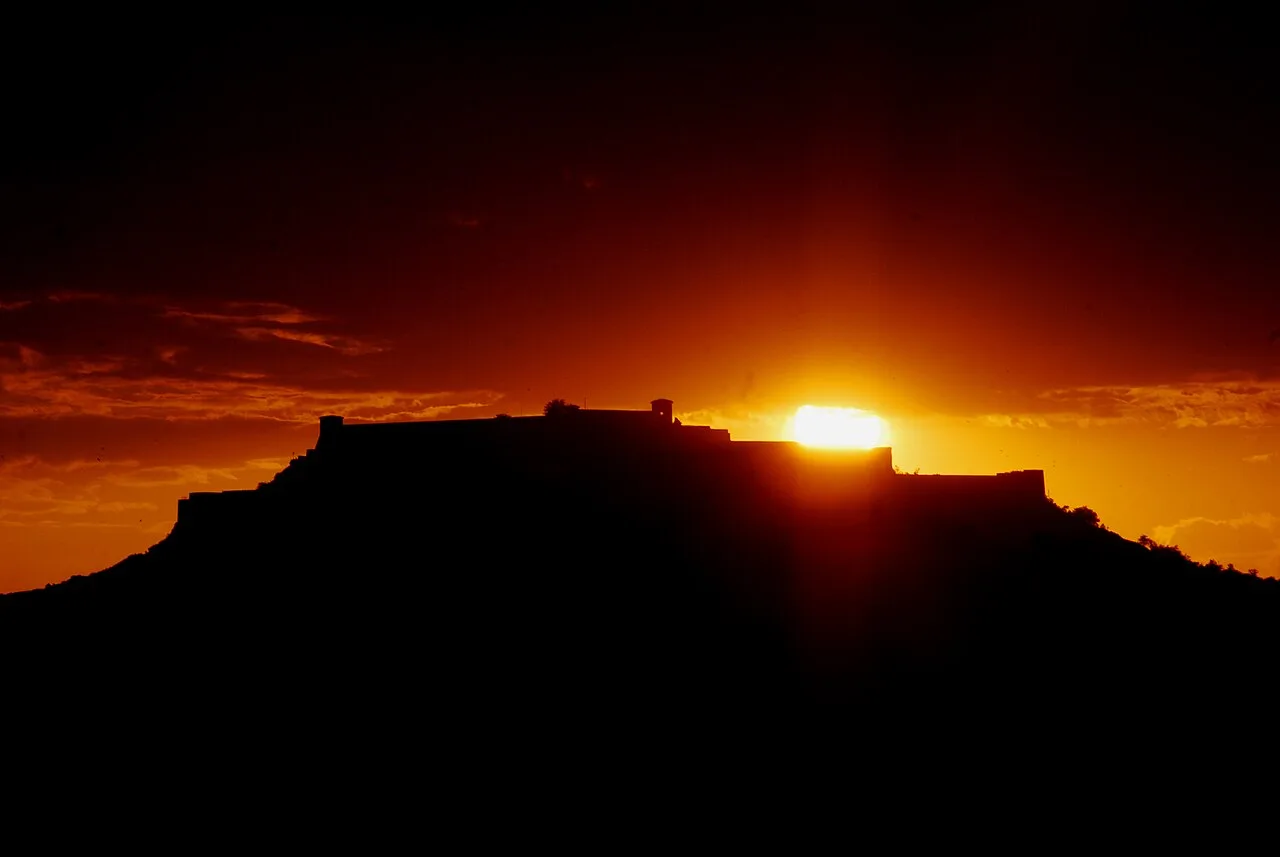
Hari Parbat
Above Srinagar, Hari Parbat—also known as Koh-i-Maran—is a hill in Jammu and Kashmir. Visitors come to see its fort, built by the Durrani Empire, and its religious sites.
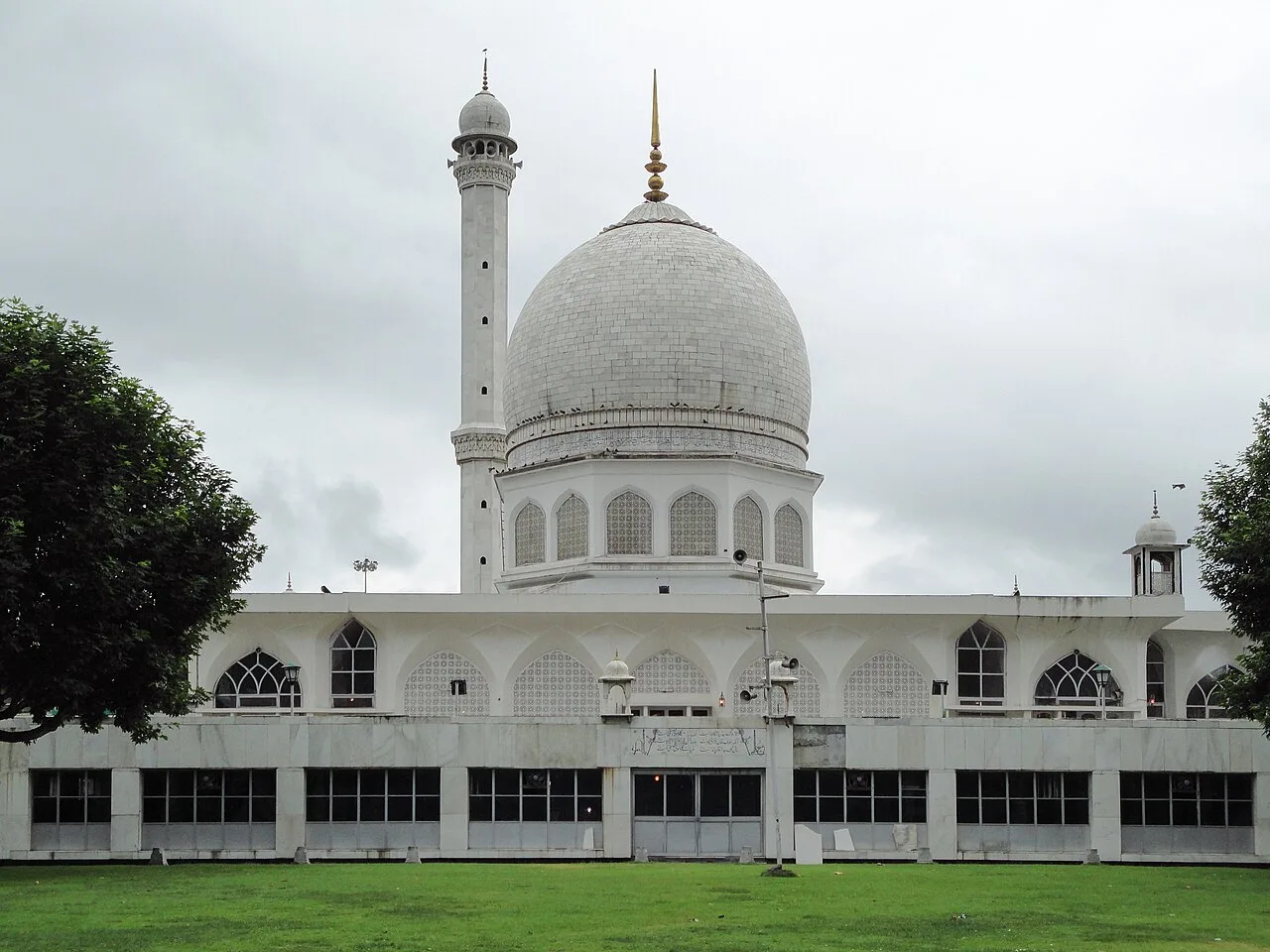
Hazratbal Shrine
Hazratbal Shrine is a mosque and Sufi dargah in Srinagar, visited for the Moi-e-Muqqadas relic and its religious importance to many Muslims in Kashmir.
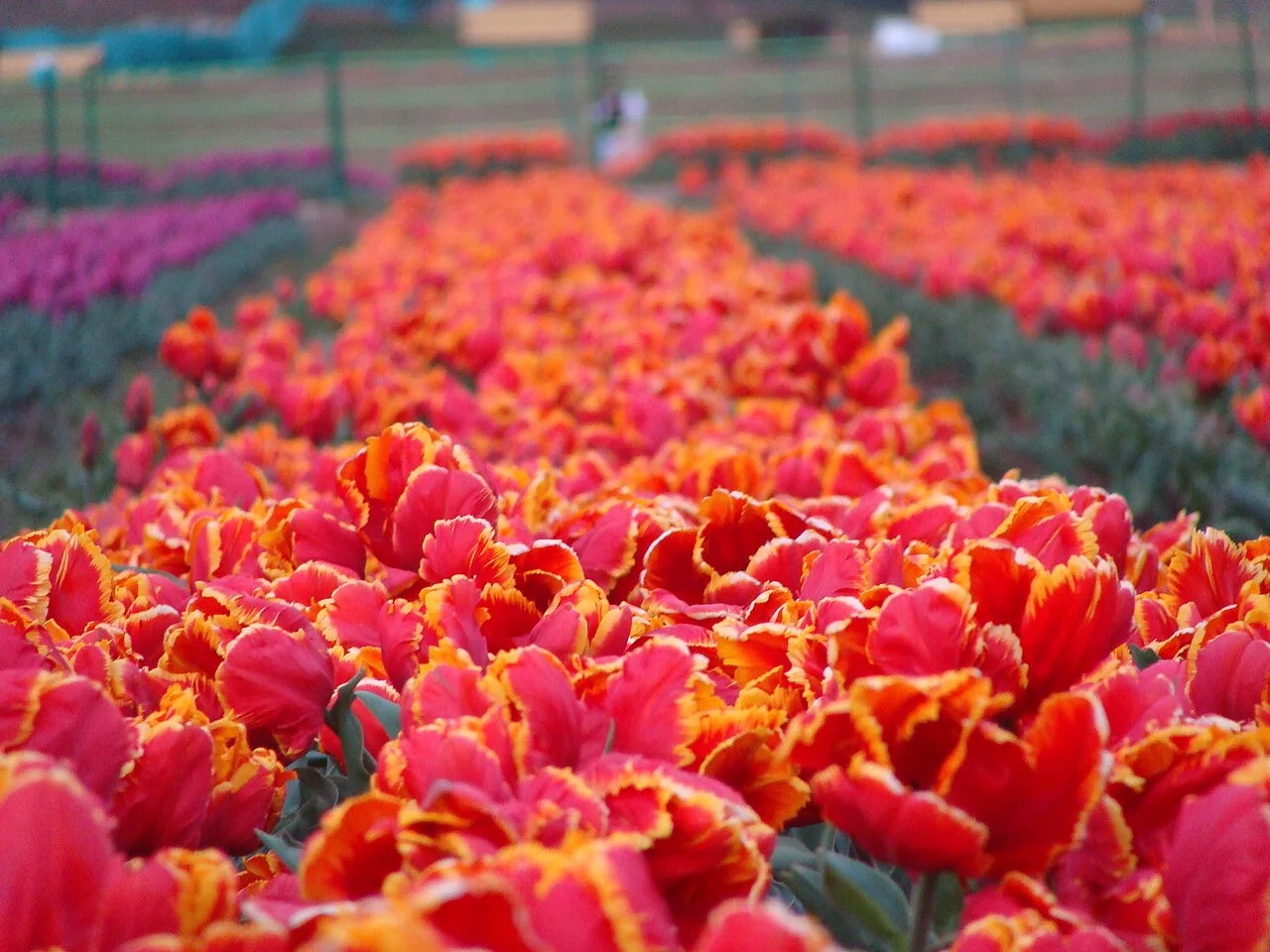
Indira Gandhi Memorial Tulip Garden
Indira Gandhi Memorial Tulip Garden is a large flower garden in Srinagar, Jammu and Kashmir, formerly known as the Model Floriculture Center. Visitors come to see its tulips and other flowers.
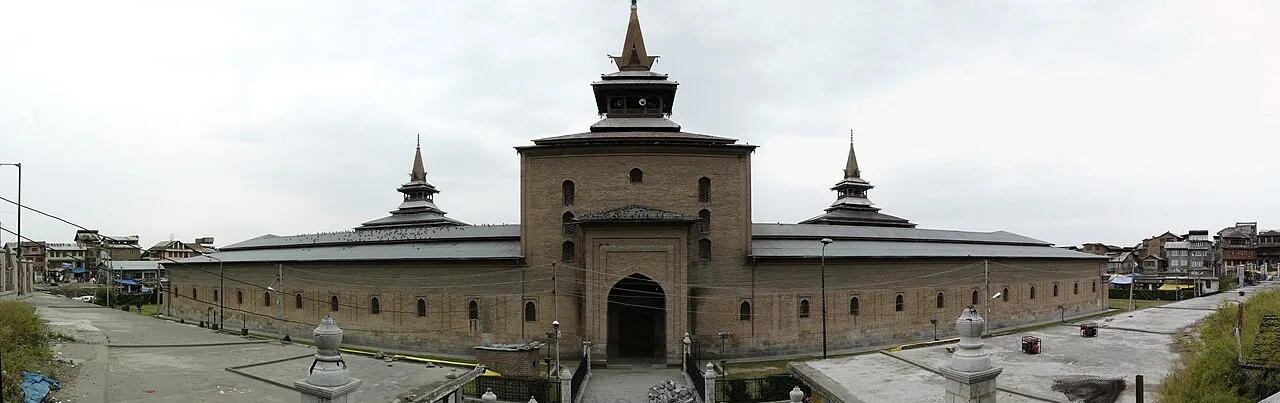
Jama Masjid, Srinagar
Jama Masjid, also called Jamia Masjid, is a Friday mosque in Srinagar’s Nowhatta area; visitors encounter a place central to the city’s religious and political life.
Kanihama
Kanihama, also called Kanihoam, is a village in Budgam district on the Srinagar–Gulmarg route. Visitors are drawn by its handloom tradition, particularly its Kani shawls.
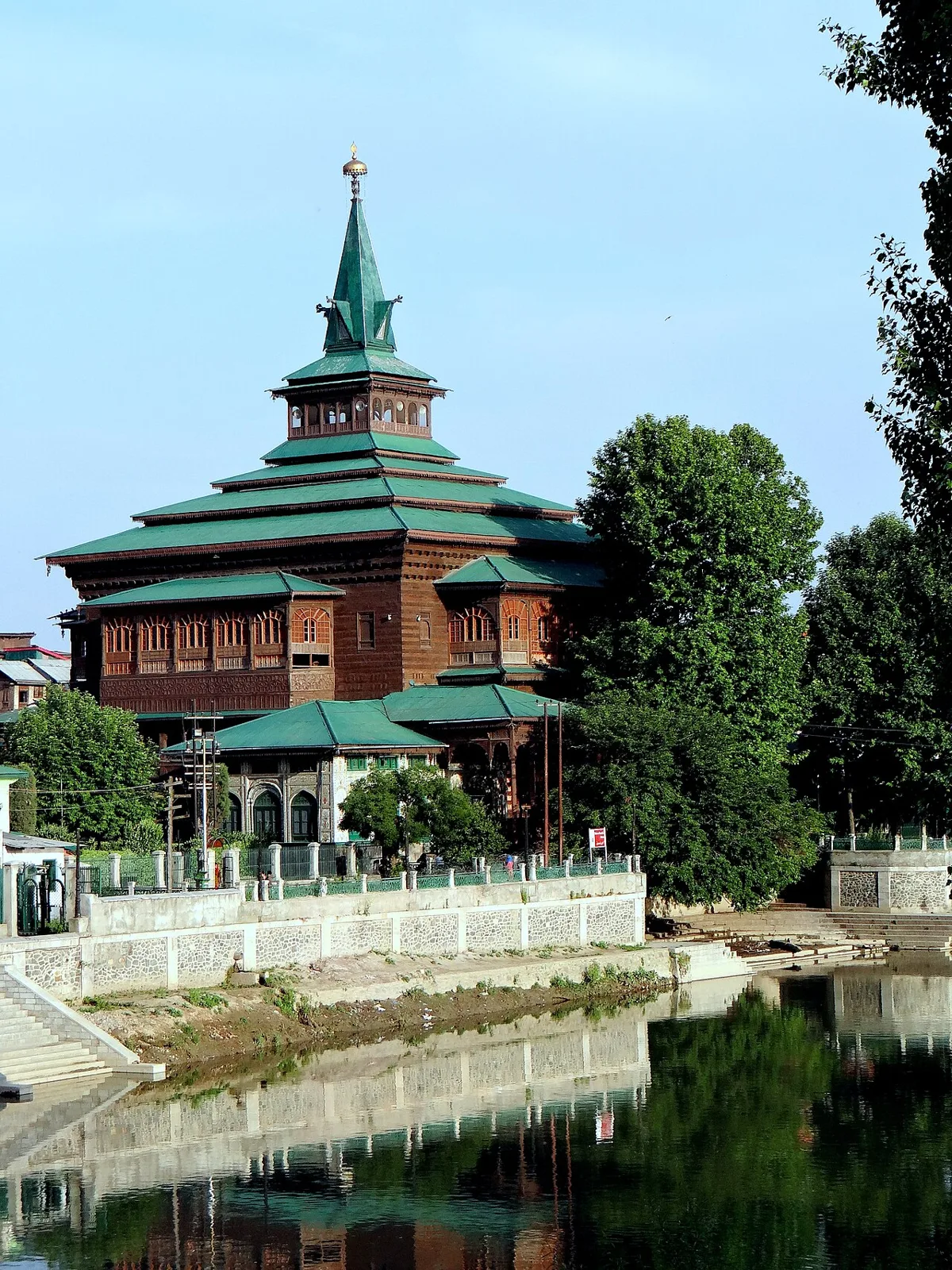
Khanqah-e-Mu'alla
Khanqah-e-Mu'alla, also known as Khanqah-e-Moula and the Shah-e-Hamadan Mosque, is a Srinagar Sufi lodge and mosque visited for its wooden architecture and association with Mir Sayyid Ali Hamadani.
Srinagar's food reflects the wider Kashmir Valley's traditions, particularly wazwan, the elaborate multi-course feast associated with celebrations and hospitality. Rogan josh, rista and gushtaba are well-known meat preparations, while yakhni features a yoghurt-based sauce. Everyday and vegetarian choices include haak, a leafy-green preparation, nadru or lotus stem, and Kashmiri dum aloo. Recipes and seasoning vary between households and culinary communities. Kahwa, an aromatic tea often prepared with spices and nuts, and salty noon chai are central to local tea culture. Ask eateries which dishes are freshly prepared; a full wazwan experience generally needs more planning than an ordinary restaurant meal.
Srinagar is an important centre for crafts associated with the wider Kashmir Valley. These include intricately painted papier-mache, walnut-wood carving, hand-knotted carpets and embroidered textiles. Pashmina shawls and fine sozni needlework are especially closely associated with Kashmiri textile traditions, alongside crewel embroidery used on furnishings and fabrics. Workshops and shops offer opportunities to understand the labour behind these objects, though quality and production methods vary. When buying, ask about fibre composition, whether weaving or embroidery is done by hand, and the maker's provenance. Price or a seller's description alone does not establish authenticity.
Eid celebrations follow the Islamic lunar calendar and bring visitors to mosques and shrines; local services and accommodation can be busier around major observances. Ramadan shapes the daily rhythm of the city, especially around evening meals and prayers. Kashmiri Hindu communities mark Navreh, the regional new year, in spring. Urs gatherings at Sufi shrines are observed at different times of the year and may draw local crowds. The spring tulip season also attracts visitors to the garden and can increase demand for rooms in Srinagar. Dates vary, so check local calendars when planning.
In this district
- Kheer Bhawani Mela (Zyeth Atham)Dates to be announced · Seasonal
- Herath (Kashmiri Shivaratri)Dates to be announced · Seasonal
- Navreh (Kashmiri New Year)Dates to be announced · Seasonal
- Eid & the Shrine Festivals of KashmirDates to be announced · Seasonal
- Tulip Festival, SrinagarDates to be announced · Seasonal
Srinagar occupies a broad valley floor shaped by the Jhelum River and a network of lakes, wetlands and channels. Dal Lake and Nigeen Lake sit beside the city, while the Zabarwan hills rise along its eastern side; Hari Parbat is a distinct hill within the urban landscape. Gardens and built-up neighbourhoods spread across relatively level ground, but roads can narrow in the Old City and around lakeside areas. Dachigam National Park reaches into forested mountain terrain east of the city. The contrast between flat urban routes and steeper hill settings affects walking and road journeys.
Spring and autumn are generally comfortable seasons for gardens, lakeside walks and sightseeing; spring is also when the tulip garden draws seasonal visitors. Summers are usually milder than the plains, though sunny days can feel warm. The monsoon brings occasional rain, and showers may affect road journeys and outdoor plans. Winters are cold, with frost and occasional snow in the city; higher ground can be colder and more affected by snow. Pack layers throughout the year, including warm clothing for evenings, and bring waterproof outerwear and shoes with good grip in wet or cold months. Check seasonal conditions before travelling.
Sheikh ul-Alam International Airport serves Srinagar, while Srinagar railway station at Nowgam provides rail access. Confirm available connections before planning a through journey, as services and arrangements can change. Road approaches connect Srinagar with Jammu via the national highway through the mountains; weather, maintenance and traffic controls can affect travel. Within the district, taxis, auto-rickshaws and local buses serve different routes, while walking suits selected lakeside stretches and Old City visits. Shikaras provide lake excursions and access to some waterside accommodation rather than general city transport. Allow flexibility for congestion and security checks, and check current services locally.
Taxis are useful for linking gardens, shrines and other sights spread across Srinagar; local buses and shared vehicles serve selected routes but may not reach every visitor site directly. Auto-rickshaws operate on some urban routes. Walking works well for chosen Old City lanes and sections of the lakefront, though surfaces and traffic vary. Shikaras are for lake excursions and access to some waterside accommodation, rather than general transport across the city. Road access to Dachigam and hilltop sites can be affected by weather, traffic controls or local arrangements. Confirm current access locally and allow flexibility for congestion.
2 days: Dal Lake → Hazratbal Shrine → Nishat Bagh → Shalimar Bagh; sleep in Srinagar each night. 3 days: Jama Masjid, Srinagar → Khanqah-e-Mu'alla → Hari Parbat → Shankaracharya Temple; sleep in Srinagar each night. 4 days: Nigeen Lake → Chashme Shahi → Pari Mahal → Indira Gandhi Memorial Tulip Garden → Dachigam National Park; sleep in Srinagar each night.
Srinagar is the practical base for all the listed circuits, with accommodation ranging from hotels and guesthouses to homestays and houseboats on the lakes. Houseboats suit travellers seeking a waterside stay, though they may require boat transfers. The central city and lake areas offer access to different clusters of sights; choose a base with road access suited to your plans. Government accommodation may be available subject to current booking arrangements. Dharamshalas and other community stays can have specific eligibility or facilities, so confirm details before relying on them.
Check current official travel advisories and local guidance, as security arrangements, road access and connectivity can change. Allow extra time for congestion and any checks. Garden paths, hill approaches and Old City lanes may be uneven or steep; wear supportive footwear and take care in wet or icy conditions. Use treated or sealed drinking water if unsure about local supplies. In Dachigam, follow park rules, stay on permitted routes and do not approach wildlife. Weather can disrupt mountain roads, so confirm conditions before setting out. Check current access requirements with official authorities, including whether any site-specific permission is needed.
- Pulwamaabout 18 km
- Ganderbalabout 27 km
- Budgamabout 29 km
- Baramullaabout 44 km
- Bandiporaabout 47 km
- Anantnagabout 47 km
- Kulgamabout 51 km
- Shopianabout 61 km
Straight-line distance between the centres of each district's destinations; road distance is longer.
Q: How many days should I spend in Srinagar district? A: Two days cover a selection of lake and garden sights; three or four days allow more time for the Old City, hill sites and Dachigam. Q: When is the best time to visit? A: Spring and autumn are generally pleasant for sightseeing; spring is also the tulip season. Winter is cold, so plan for changing conditions. Q: Where is the best base for visiting the district? A: Srinagar is the most practical base, with hotels, guesthouses, homestays and houseboats in different parts of the city. Q: How do I get to Srinagar? A: Srinagar is served by Sheikh ul-Alam International Airport and a railway station at Nowgam. Road connections include the mountain route from Jammu; check current services and conditions. Q: Is Srinagar suitable for families or elderly travellers? A: Yes, with planning. Taxis can reduce walking, but some gardens and hill sites have steps or uneven paths; choose visits to match mobility and weather.
This page draws on our 14 destination guides for Srinagar and is updated as our team checks it.
Be the first to share photos, stories, advice or a helpful contact for Srinagar.
Loading…