
Ghumoopedia — Explore, Discover, Experience
Sign in

Fair & Mela · Jammu & Kashmir

Jhiri Mela

Jhiri, near Jammu

Dates

Last verified 17 November 2026. Confirmed: announced by organisers or government. Provisional: from a published almanac, not yet announced. Seasonal: no date announced.

The complete guide

Jhiri Mela: everything to know before you go

Also known as
Jhiri Mela, Farmers' Fair, Baba Jitto Mela
Where
Jhiri (Kanachak area), Marh sub-division, Jammu district, about 20 km from Jammu city on the Jammu–Akhnoor highway
When
Every year around Kartik Purnima (October–November).
Duration
Usually 8 to 11 days, set by the administration each year
Faith and community
Dogra Hindu, Sikh and farming communities from Jammu, Punjab, Himachal Pradesh, Haryana and Delhi
Type
Religious and agricultural fair, commemorating a farmer-martyr
Organisers
Directorate of Tourism, Jammu, with the district administration
Best for
Cultural travellers, families, anyone curious about Dogra folk heroes

Overview

Each autumn, a village on the plains outside Jammu welcomes some of the largest crowds in north India. Pilgrims arrive by bus, tractor-trolley and on foot to bow at a small shrine to a farmer who lived centuries ago. Reported attendance runs to lakhs of visitors every year, and officials have spoken of up to ten lakh or more over the fair's duration.

The Jhiri Mela is known as the Farmers' Fair, and its spirit is honesty, courage and justice. The man it remembers, Baba Jitto, did not lead an army or write a book. He refused to be cheated of his harvest and gave up his life to protest against it. In a region where agriculture is the heart of life, his story has remained a powerful symbol of dignity for those who till the land.
Origins and legend

According to the traditional account, Baba Jitto (Jit Mal) was a devout farmer and a devotee of Mata Vaishno Devi from the village of Aghar Jitto, near Katra in what is now Reasi district. After a quarrel with his relatives, he left home and came to the area of Jhiri, where the local official (the kardar) Mehta Bir Singh allowed him to cultivate a piece of land. Through hard work and honesty, Jitto's land flourished.

When the harvest came, tradition says that the official or landlord demanded more than Jitto's fair share, or took the grain through unjust means. Rather than submit, Jitto sat on his heap of grain and stabbed himself with a dagger, so that the grain was stained with his blood. In protest, he said that no one who took the produce of an unjustly seized harvest would prosper. The tradition adds that his daughter, Bua Kouri, who is also revered, was lost with him, and the two are commemorated together at the shrine (samadhi) at Jhiri.

Accounts of the date vary, but most describe Jitto as a figure of the fifteenth or sixteenth century. After his death, local tradition says that families who had benefited from the unjust seizure suffered misfortune and came to seek forgiveness, and some of their descendants still visit the fair to atone. As with many folk legends, details differ between tellings, but the core is constant: a farmer's sacrifice in the name of fairness.

How it is celebrated

  • Arrival and bathing: Pilgrims travel in family groups and often start with a ritual bath in the nearby stream or tank.
  • Darshan at the samadhi: Devotees queue to pay respects at the shrines of Baba Jitto and Bua Kouri, offering coconuts, sweets, flowers and money. Many bring a portion of their new harvest.
  • Main day on Kartik Purnima: The largest crowds gather on the full-moon day, with devotees offering prayers and fasting until the visit.
  • Langar: Free community meals are served at the shrine throughout the fair by volunteers and organisations.
  • Official opening: The fair is formally opened by senior officials, often the Lieutenant Governor or a minister, and security, medical and transport arrangements are put in place.
  • Fairground: A large fairground with sweet stalls, merry-go-rounds, giant wheels, toy shops and food stalls surrounds the shrine.
  • Farmers' gathering: Farmers' groups and cultural organisations take the opportunity to meet, and agricultural exhibitions are sometimes held.

The mela sometimes coincides with other festivals; in some years it has overlapped with Guru Nanak Jayanti, bringing Sikh pilgrims in large numbers.

Food and flavours

The fair is a feast of simple, hearty food and sweets. Look for:

  • Langar: dal, rice, roti, kheer and seasonal vegetables, served free to all.
  • Jalebi, laddu, barfi and peda: sweets sold in great quantities and taken home as prasad.
  • Pakoras, samosas, chaat and tea: fried snacks and hot tea from roadside stalls.
  • Seasonal produce: winter fruits and sugarcane, and farmers sometimes bring fresh produce from the new harvest.
  • Dogra dishes: at nearby eateries along the Jammu–Akhnoor road, you may find rajma-chawal, kalari kulcha and other regional specialities.

Music, dance, art and dress

The soundscape is devotional and folk. Dogri songs, ballads about Baba Jitto and religious chants fill the air, along with the beat of the dhol. Villagers wear their festival clothes: women in bright salwar suits and saris, men in kurtas and turbans. The fairground has stalls selling folk crafts, bangles, wooden toys and religious pictures. Cultural programmes with Dogri singers and folk dancers are arranged in some years. For photographers, the spectacle of thousands of people moving through the fields under an autumn sky is memorable.

Where to experience it

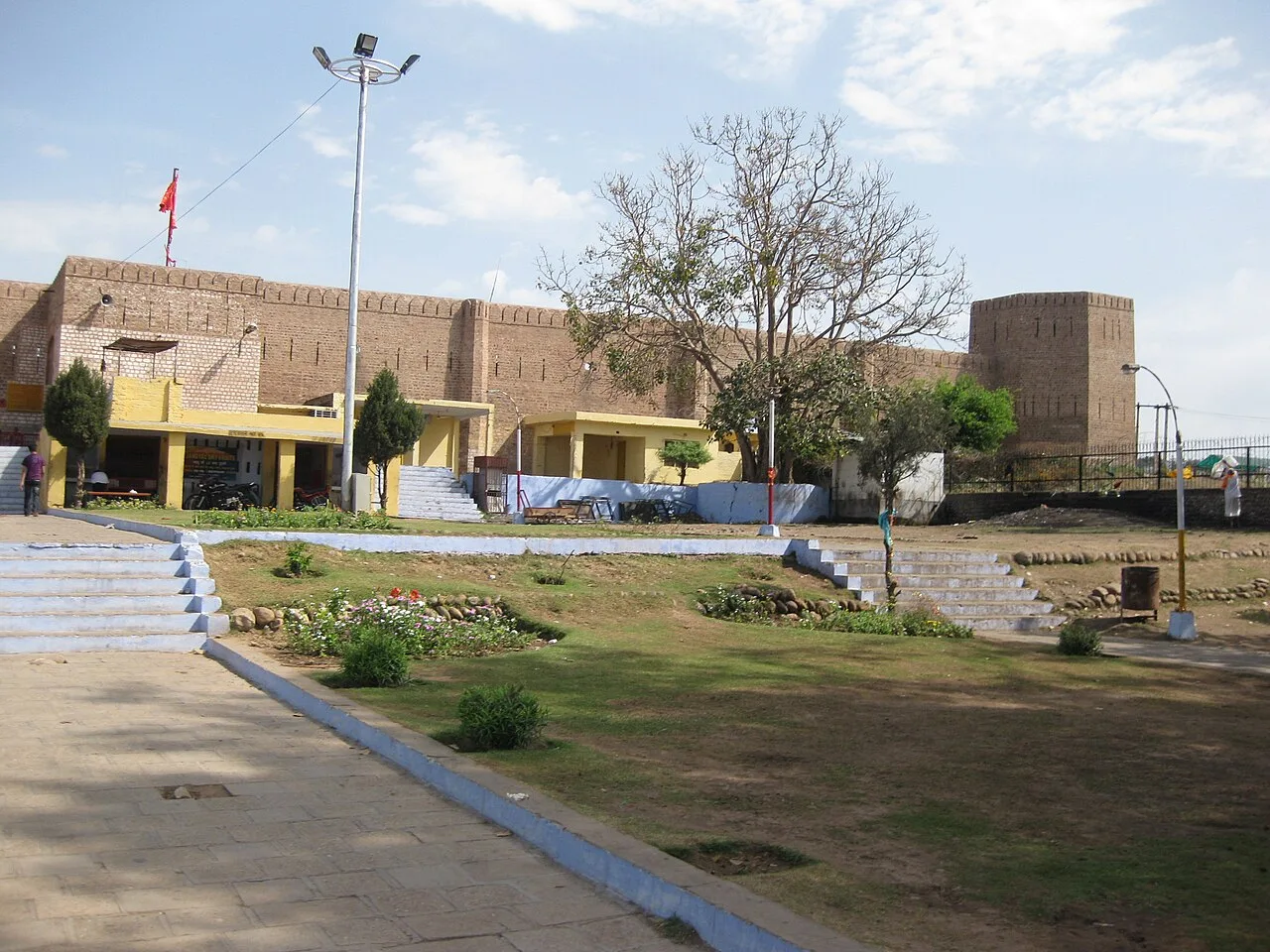
  • Baba Jitto Shrine (samadhi), Jhiri: the main site, with the shrine of Bua Kouri.
  • Kanachak and Marh area: the surrounding villages that host stalls and parking areas.
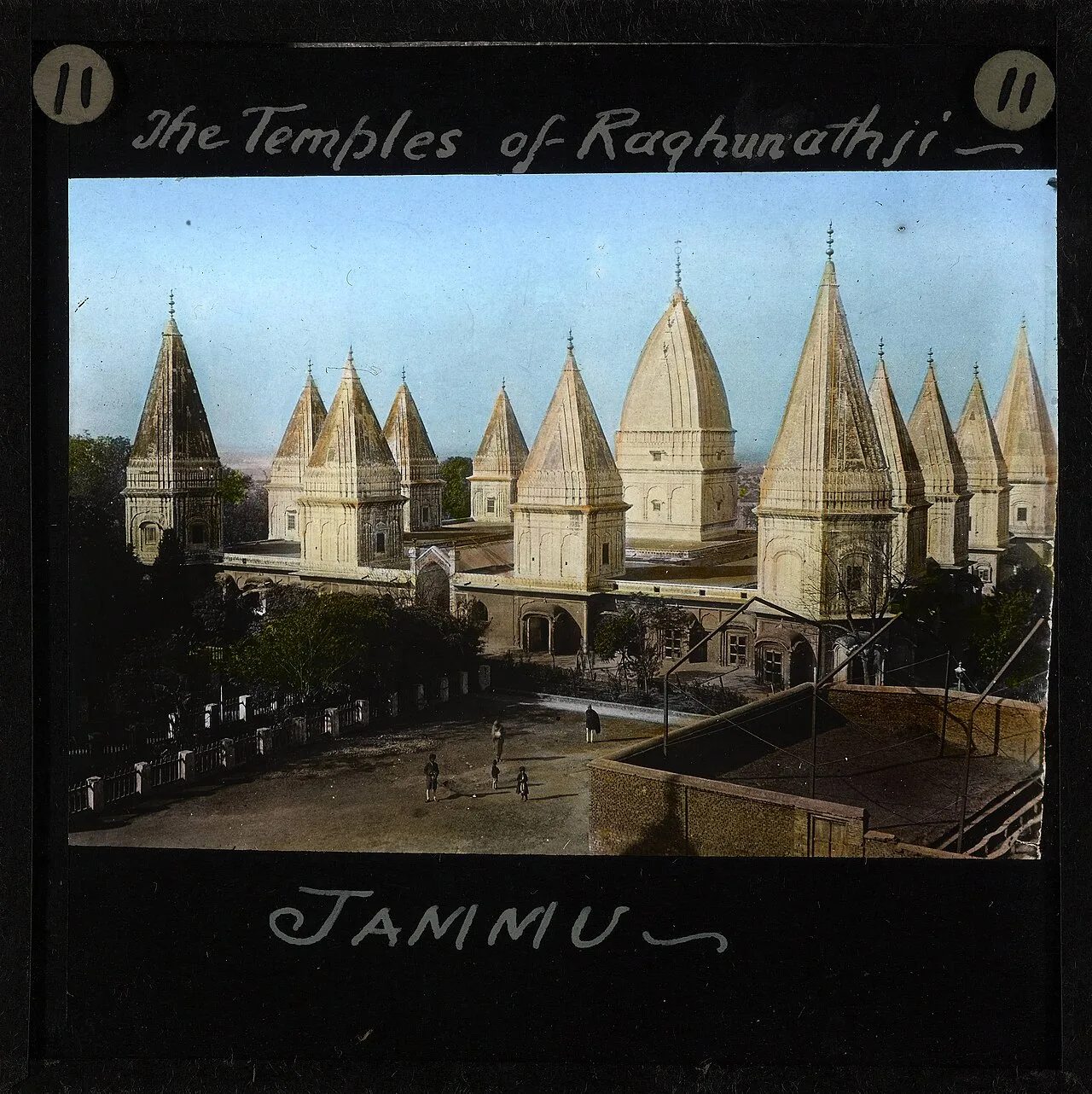
  • Jammu city: a base for the fair, with hotels, markets and the Raghunath and Bahu Fort temples.
  • Aghar Jitto (Reasi district): the birthplace village near Katra, associated with Baba Jitto's early life.
  • Akhnoor: the nearby town on the Chenab river, with its old fort.

Visitor guide

  • Getting there. Jhiri is about 20 km from Jammu city, along the Jammu–Akhnoor highway. Special buses and shuttles often run during the fair, and the administration sets up parking areas and traffic diversions. Taxis and autos are available in Jammu.
  • Timing. The main day, Kartik Purnima, is the busiest. For a calmer visit, go on a weekday early in the fair and arrive in the morning.
  • What to wear and carry. Late autumn mornings and evenings are cool, so carry a light jacket. Wear comfortable shoes you can remove easily, and bring water, a hat and small change.
  • Etiquette. Remove shoes before entering the shrine, cover your head if asked, dress modestly and follow instructions from volunteers. Ask before taking photographs of devotees and during rituals.
  • Safety and crowd care. Keep valuables secure, keep children close and agree on a meeting point if you are in a group. Follow police and volunteer guidance, and avoid peak hours with elderly relatives.

Today and tomorrow

The Jhiri Mela has grown in scale, with the administration providing temporary shelters, medical posts, sanitation and security, and the shrine area upgraded with better access. Political leaders and farmers' groups use the occasion to speak about farmers' welfare, reflecting the festival's roots in a story about fair treatment. Heritage and tourism officials promote it as part of Jammu's pilgrimage and cultural circuit, and the memory of Baba Jitto continues to be passed down through Dogri songs, school lessons and family stories. Concerns include crowd management and waste, which organisers address through cleanliness drives and plastic-free campaigns.

Nearby

Places to see around the festival