Ghumoopedia — Explore, Discover, Experience
Sign in
Achabal, Jammu and Kashmir

Union Territory · North India

Jammu and Kashmir

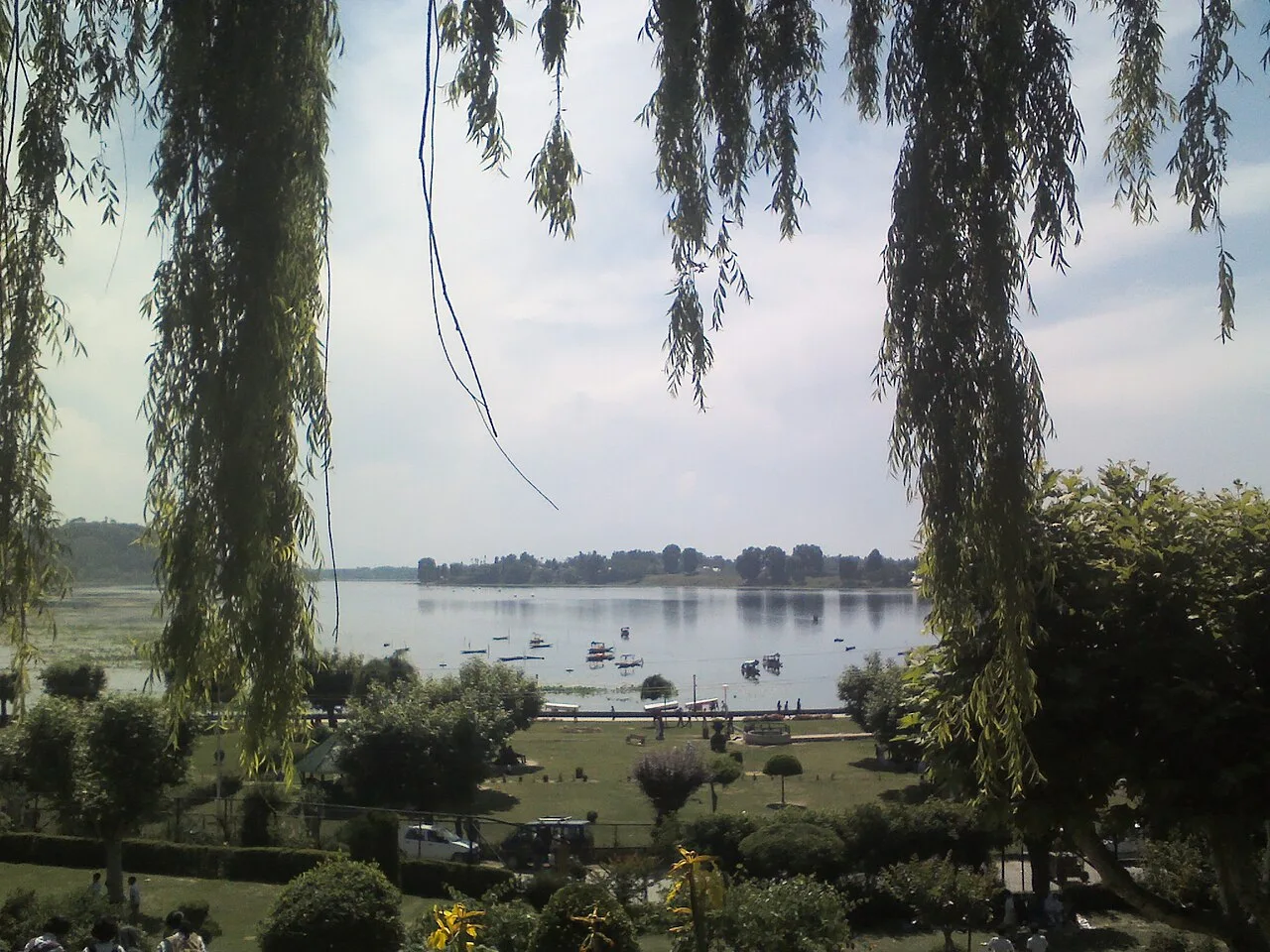
Dal Lake, Mughal gardens, alpine meadows and the Vaishno Devi shrine.

Capital
Srinagar / Jammu
Districts
18
Destinations
63

Overview

Understanding Jammu and Kashmir

Culture

Pashmina, papier-mâché and Sufi traditions.

Food

  • Wazwan
  • Kahwa

Festivals

  • Tulip Festival
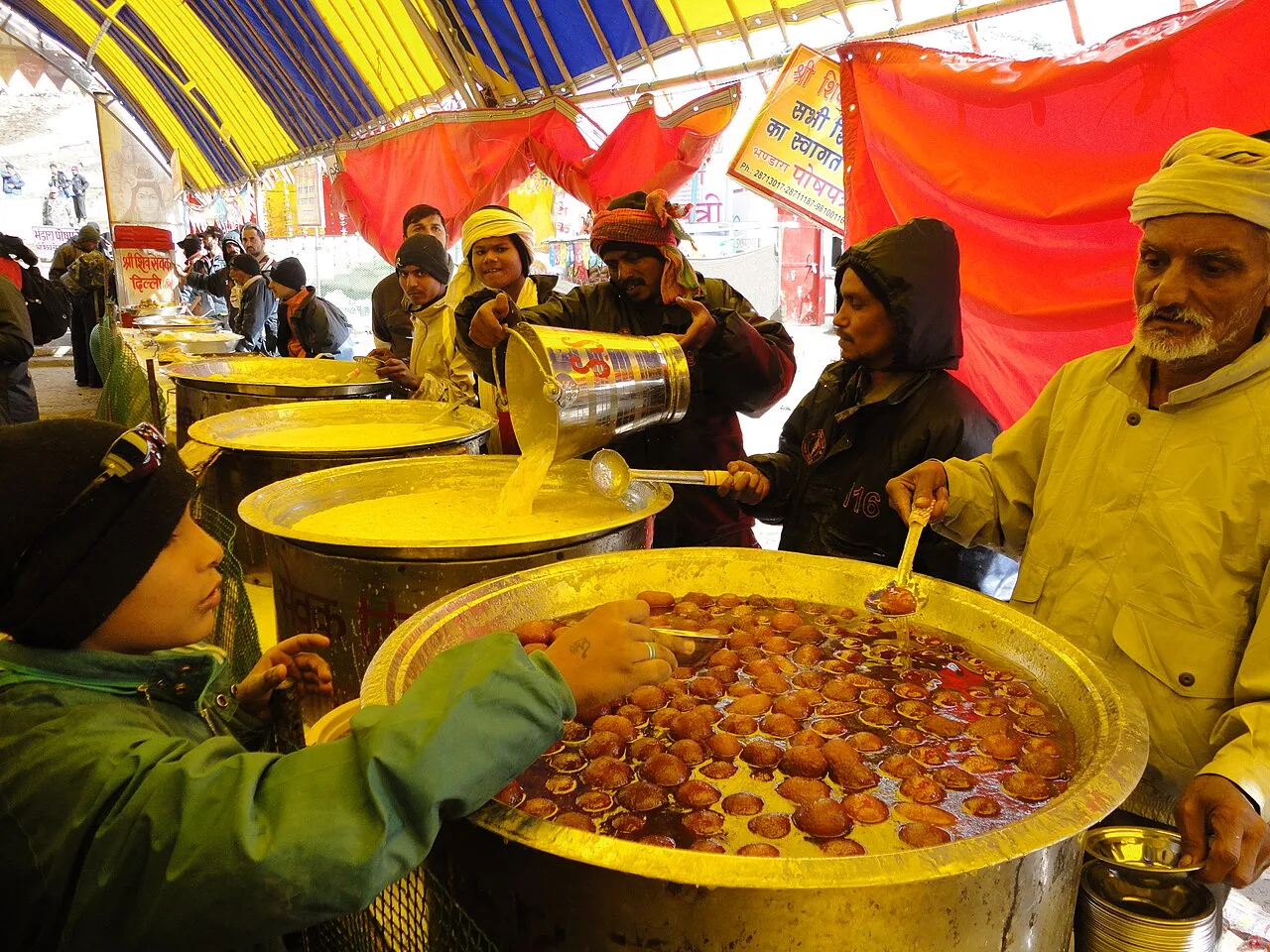
  • Amarnath Yatra

Experiences here

  • Mountain
  • Spiritual
  • Heritage
  • Festivals

Verified by the Ghumoopedia editorial team on 21 Nov 2026. Written and reviewed by Ghumoopedia's editors. Timings, fees and permits can change, so check them with the managing authority shortly before you travel.

The complete guide

Jammu and Kashmir: a traveller's guide

Why visit

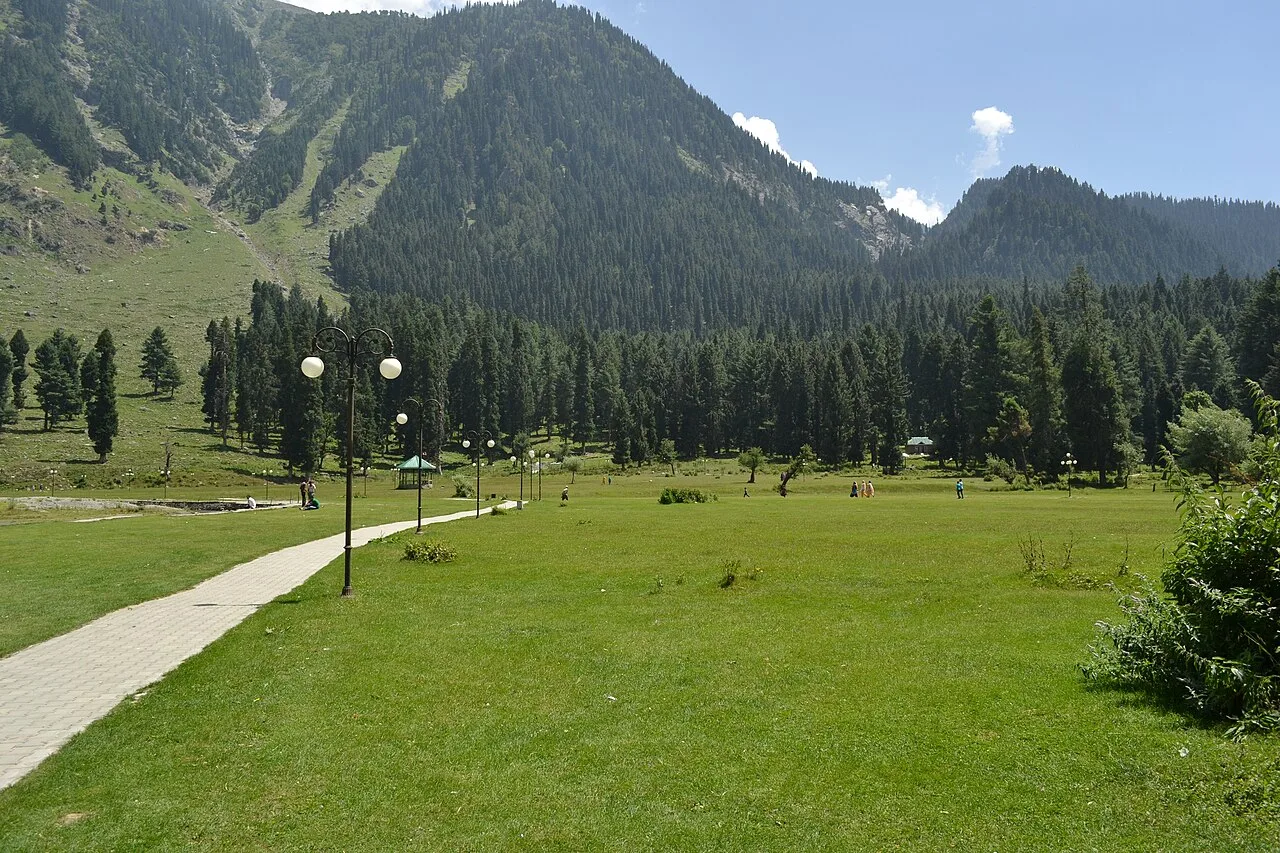
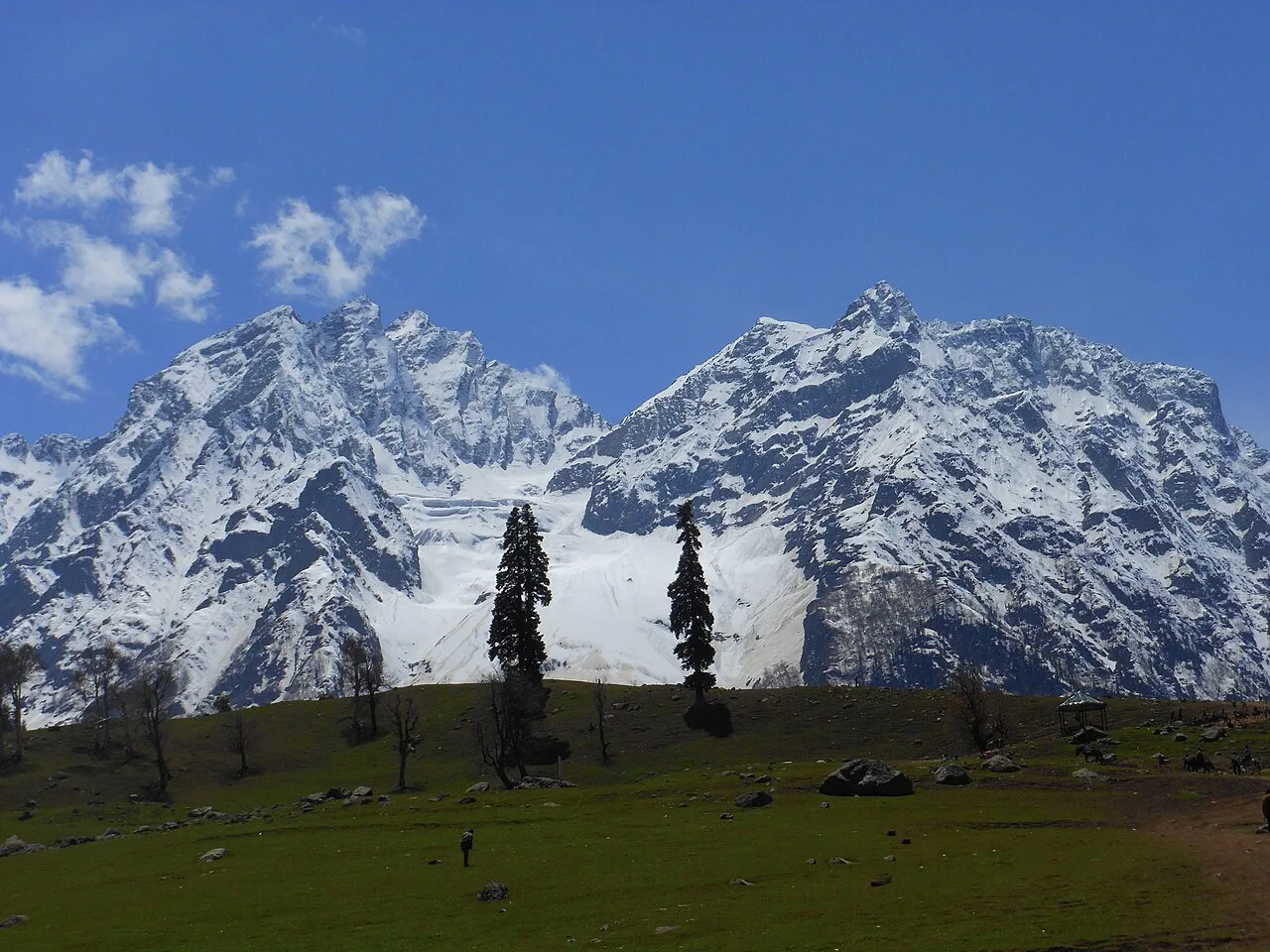
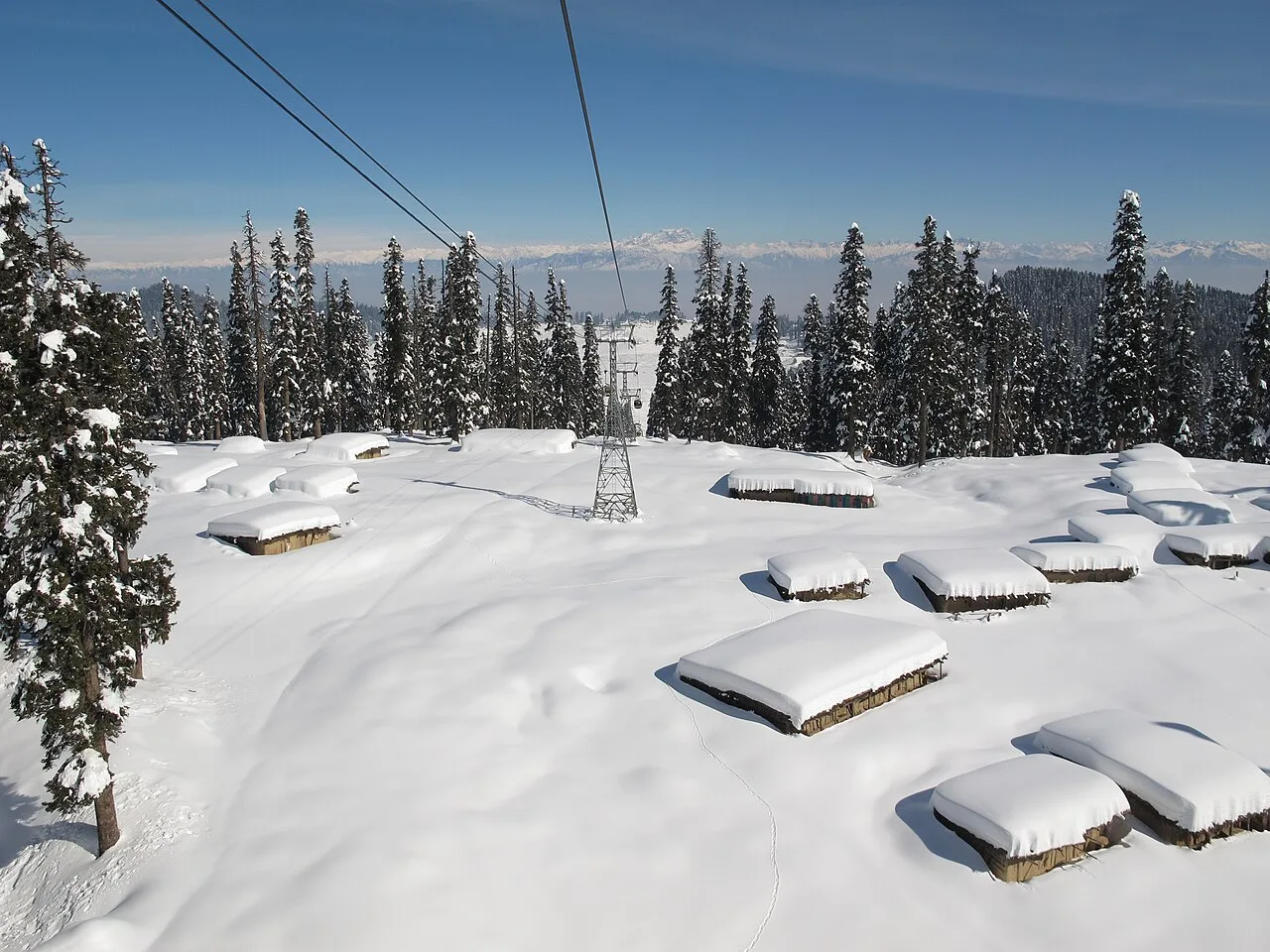
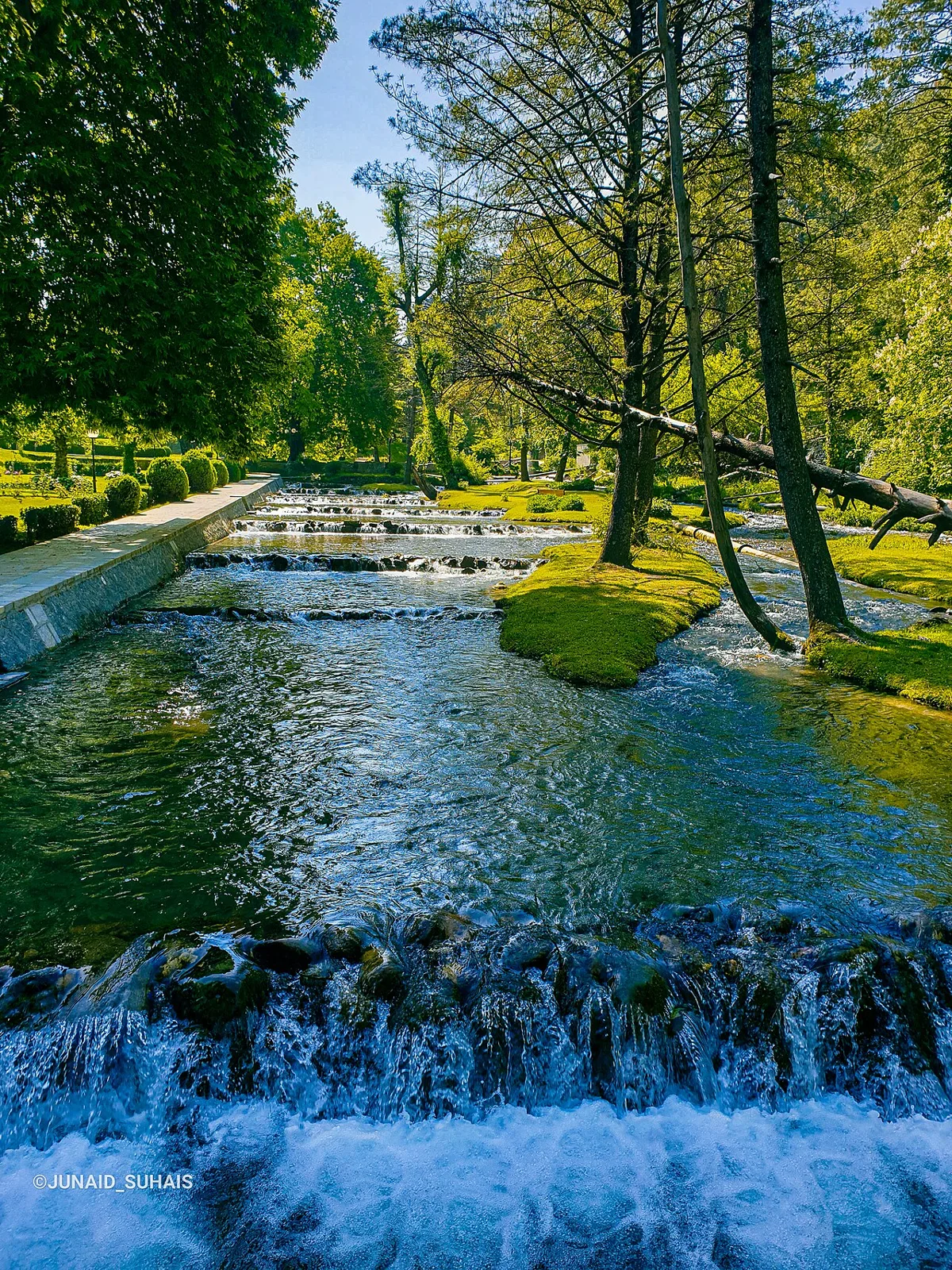
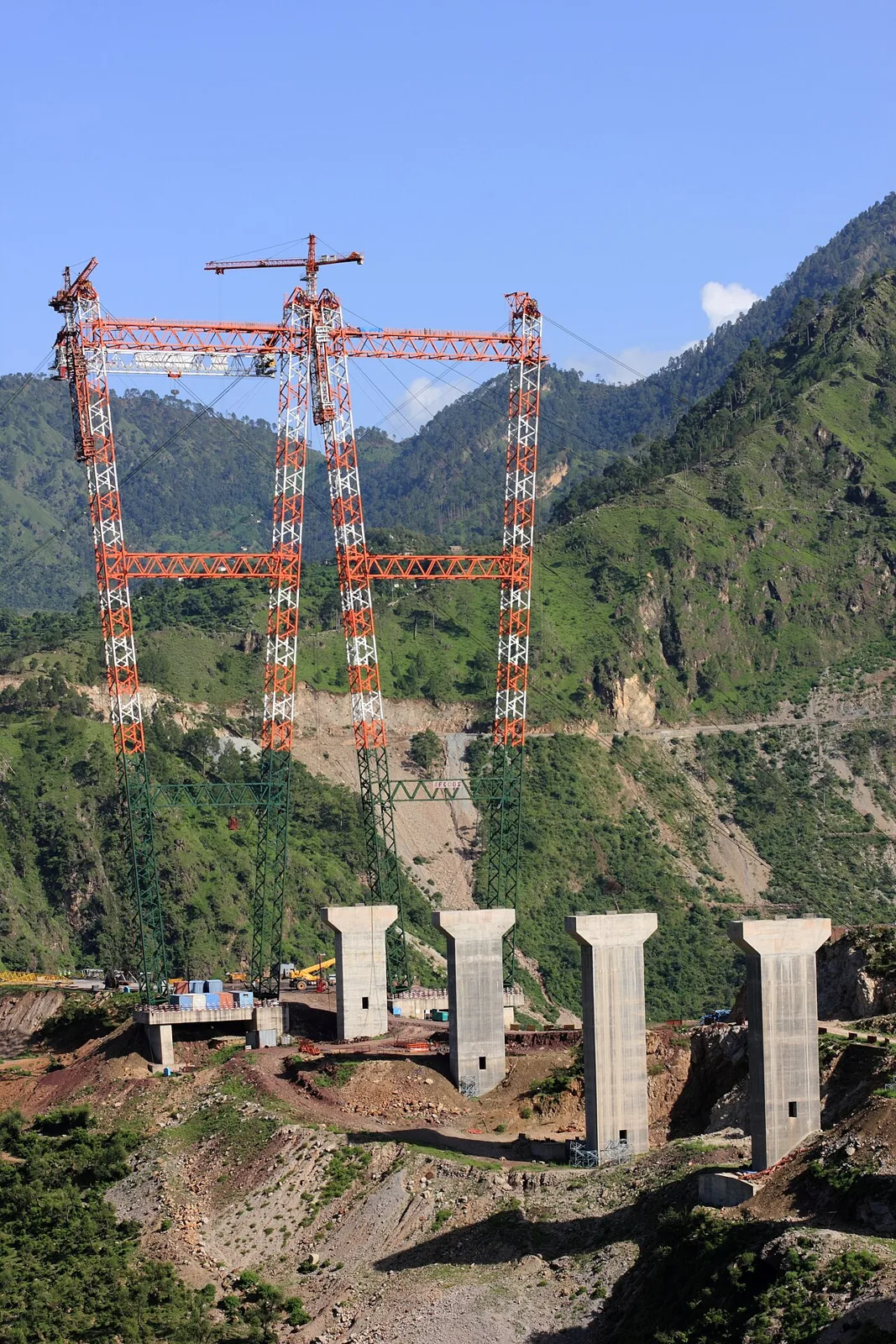
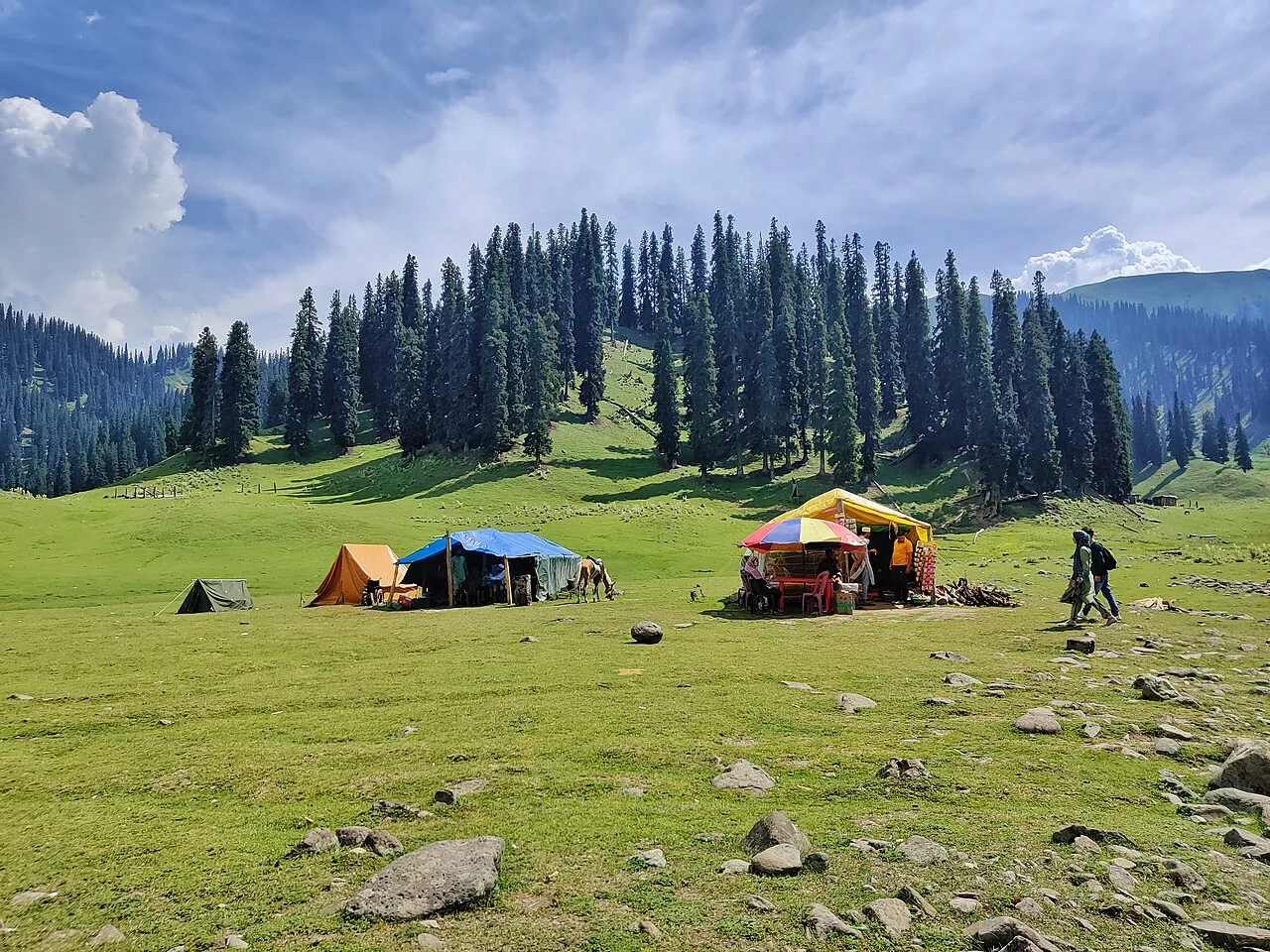
Jammu and Kashmir brings together two markedly different travel worlds: the lakes, gardens and mountain valleys of Kashmir, and the temples, pilgrimage routes and rugged hills of Jammu. Srinagar’s houseboats and Dal Lake, the Mughal gardens of Nishat Bagh and Chashme Shahi, and the spring display at the Indira Gandhi Memorial Tulip Garden offer a gentler city break. Further afield, visitors head to Gulmarg, Sonamarg, Gurez, Yusmarg or Doodhpathri for mountain scenery, while Pahalgam and routes toward Amarnath serve as gateways to high-country journeys. In Jammu, Katra is the starting point for the Vaishno Devi pilgrimage, and places such as Bhaderwah, Mansar Lake and the Chenab Rail Bridge broaden the itinerary beyond the best-known shrine.

The region suits a range of trips: heritage and architecture, walking and alpine landscapes, family holidays, spiritual journeys, birding and food-focused travel. Seasonal changes are central to the experience, from tulips and orchards in spring to meadows in summer and crisp, quieter city visits in autumn. Distances can be long and mountain travel conditions change, so it helps to plan around one or two areas rather than attempt to see everything at once. Local guidance and current advisories matter, especially for high-altitude excursions and pilgrimage routes.
Landscape & climate

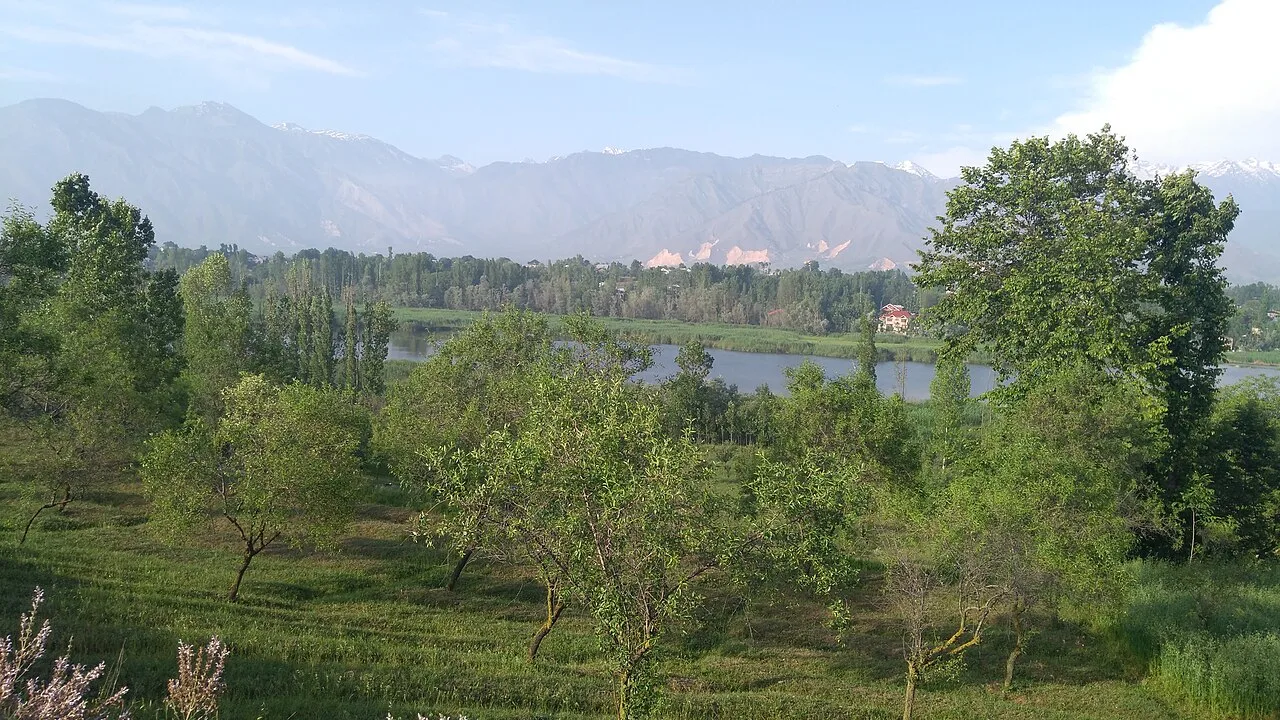
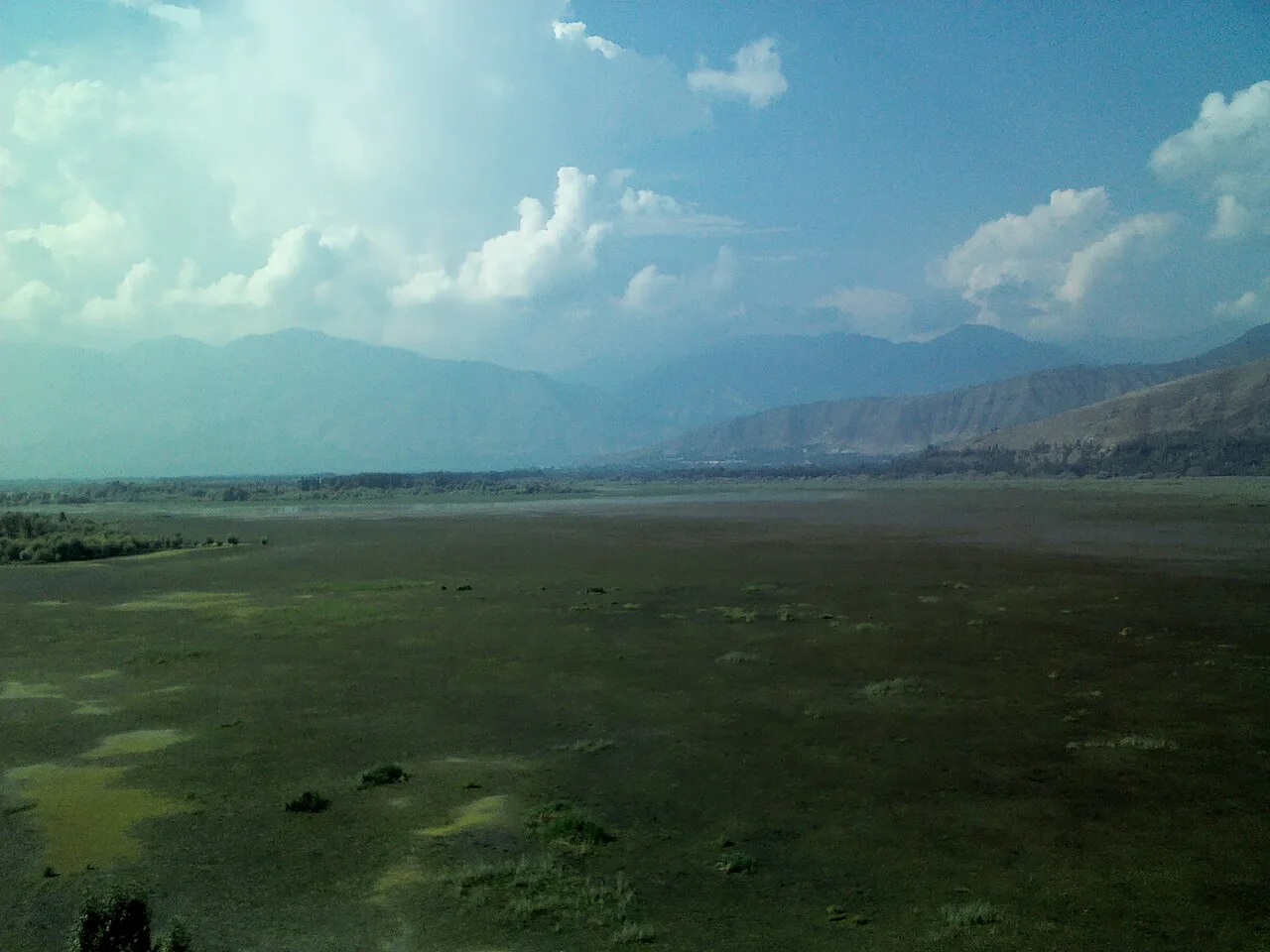
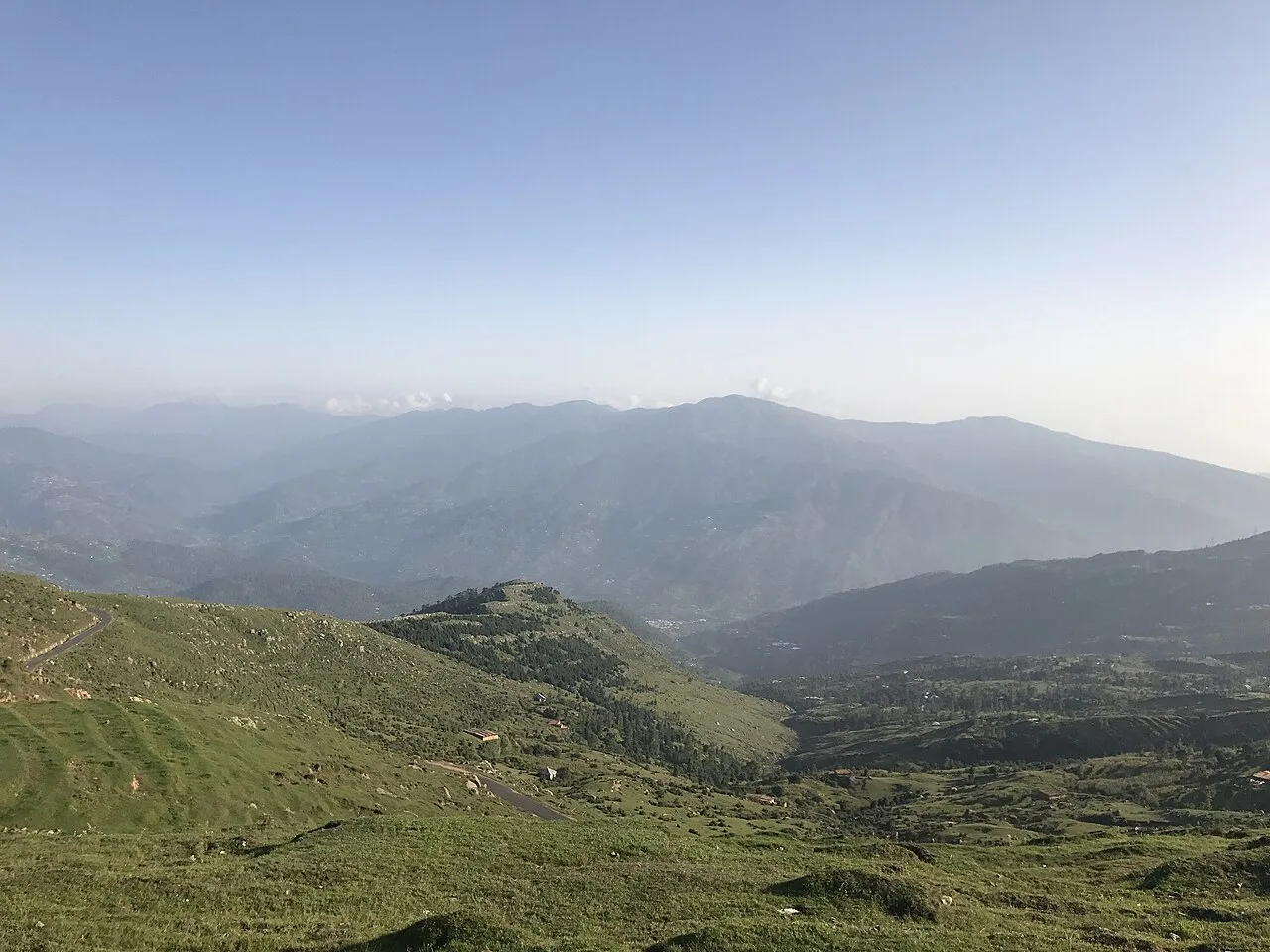
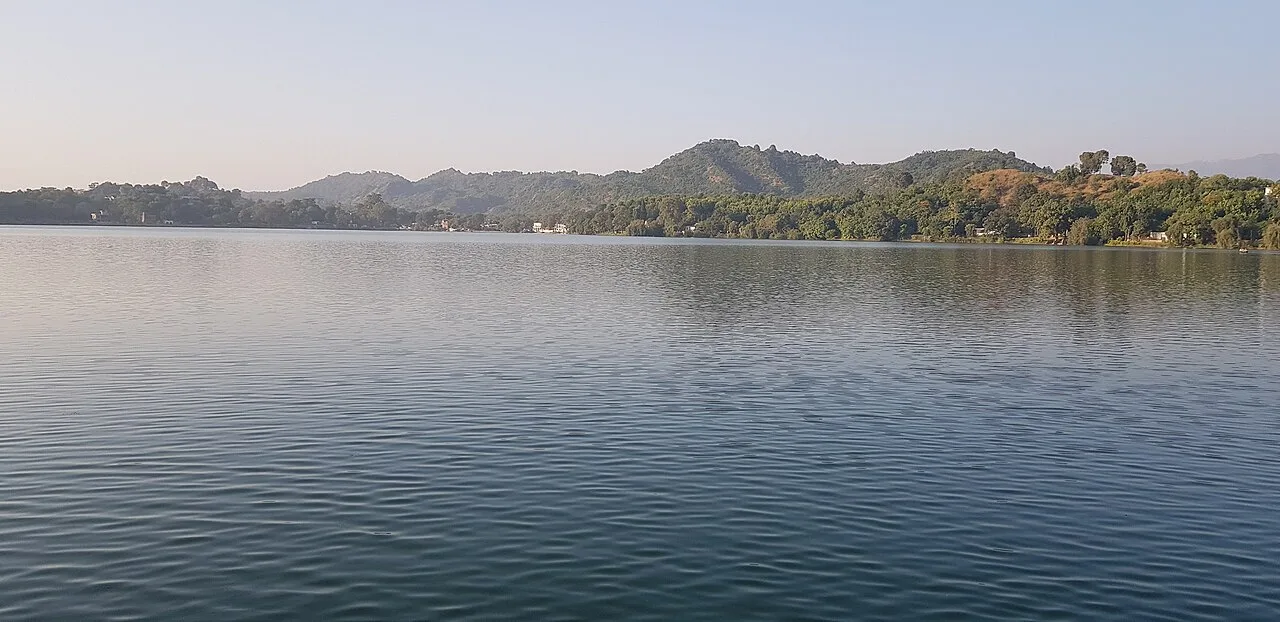
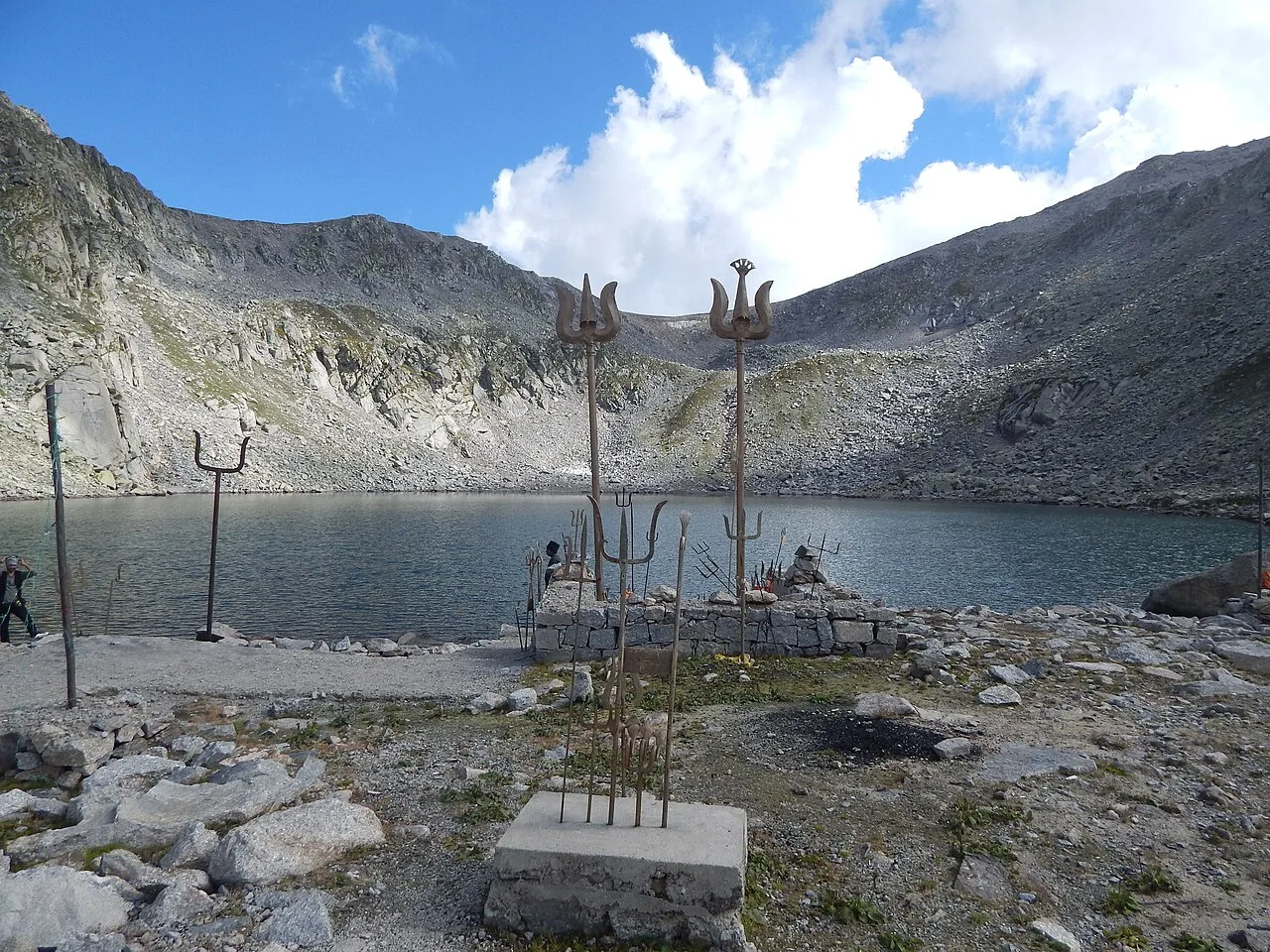
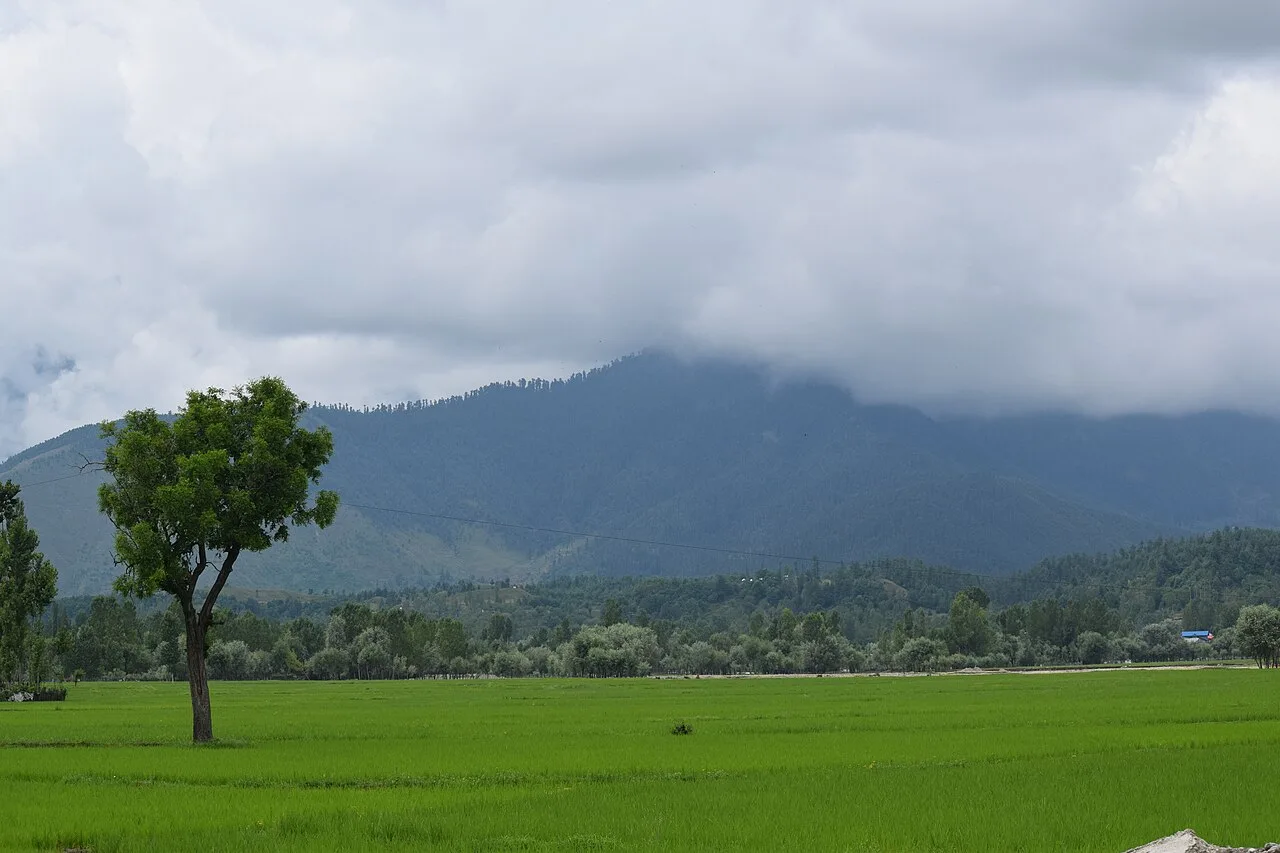
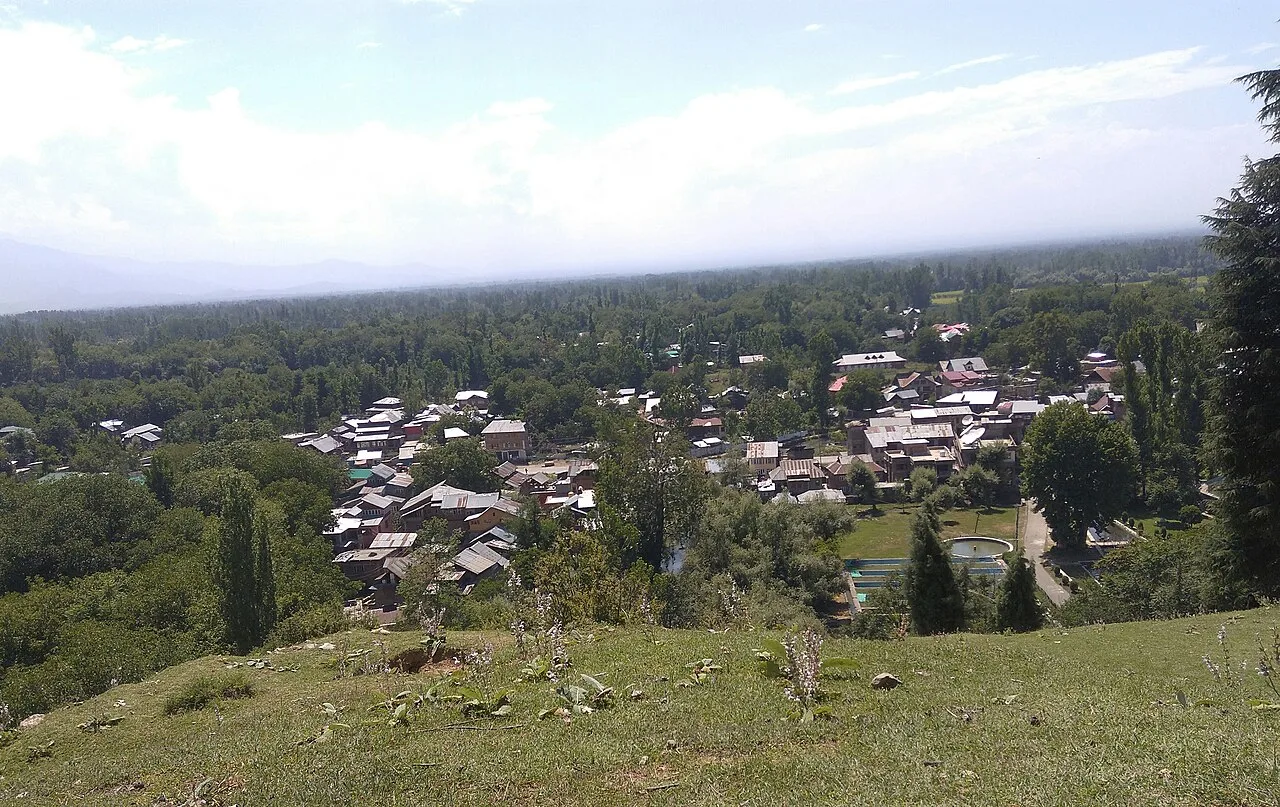
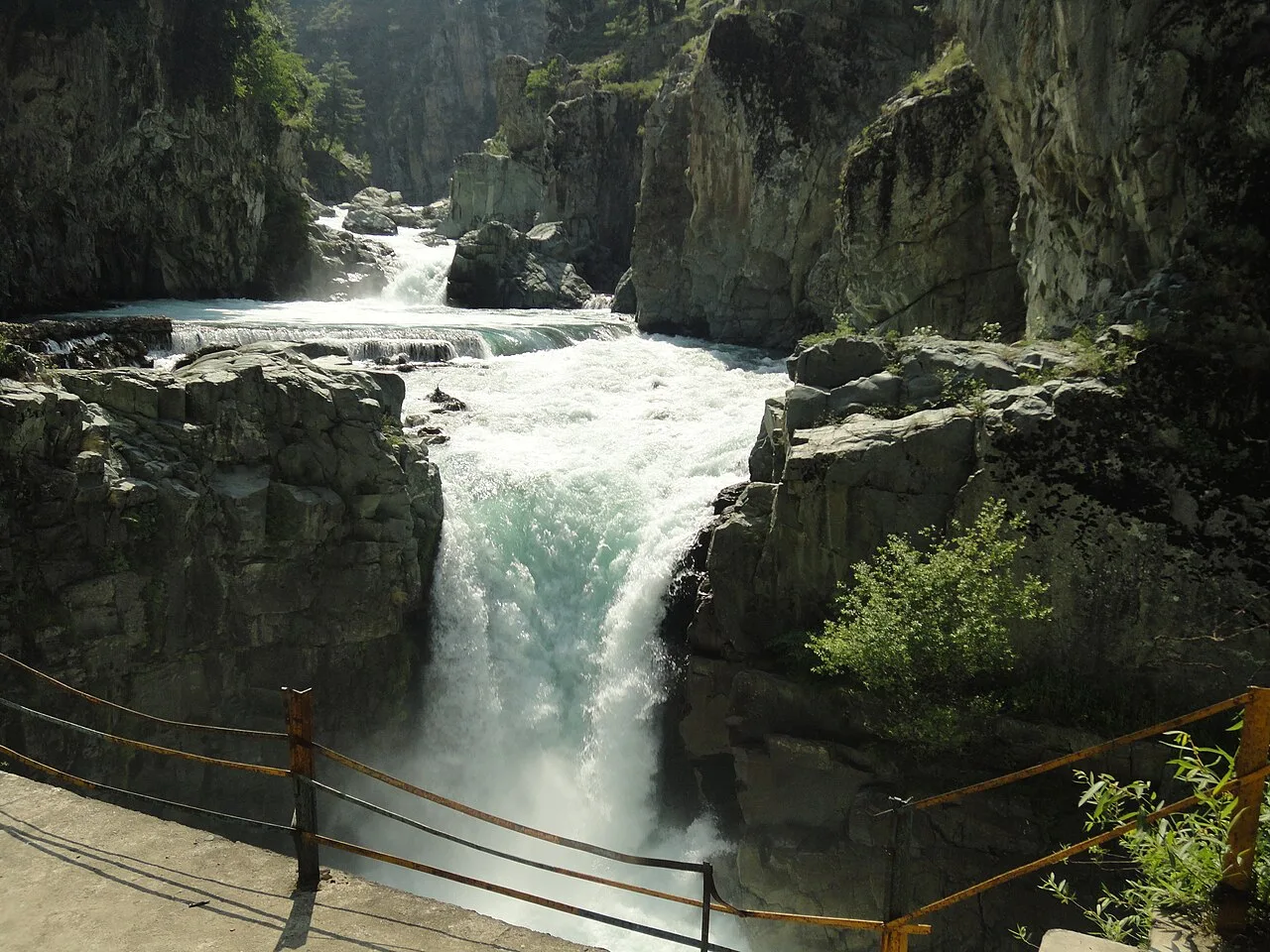
Jammu and Kashmir has no coastline; its defining geography is a sweep of mountains, valleys, plateaus and river basins. The Kashmir Valley lies between the Pir Panjal range and the Greater Himalaya, with Srinagar near the centre and upland destinations such as Sonamarg, Gulmarg and Pahalgam at its margins. Northward, the forests and meadows of Kupwara include Lolab and Bangus valleys, while Gurez lies in a more remote mountain basin. Dal Lake, Nigeen Lake, Wular Lake and Manasbal Lake are among the region’s notable waters. Higher up, glacial lakes such as Vishansar, Gangabal and Sheshnag are reached by demanding routes rather than ordinary road excursions.

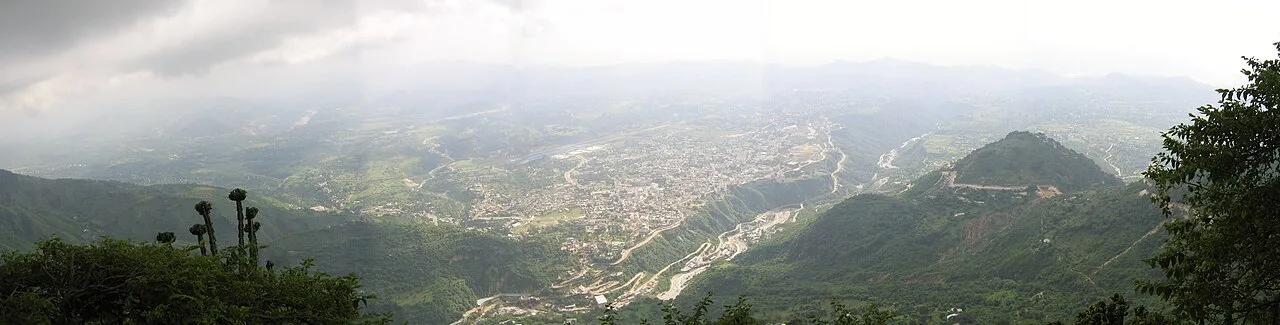
South of the Pir Panjal, the Jammu region includes warmer lowlands as well as wooded hills and high valleys. The Chenab and its tributaries cut through steep terrain around Doda, Kishtwar and Reasi; the Tawi flows through Jammu, while the Jhelum runs through the Kashmir Valley. Forests include conifers and broad-leaved woodland, and protected areas such as Dachigam and Kishtwar National Park conserve varied habitats. Summers are generally warm in Jammu and milder in many Kashmir hill stations; winters can bring snow to higher elevations and cold, sometimes snowy weather in the valley. Spring brings blossoms, summer opens many mountain routes, autumn colours orchards and trees, and winter conditions may disrupt road access over high passes.

History & heritage

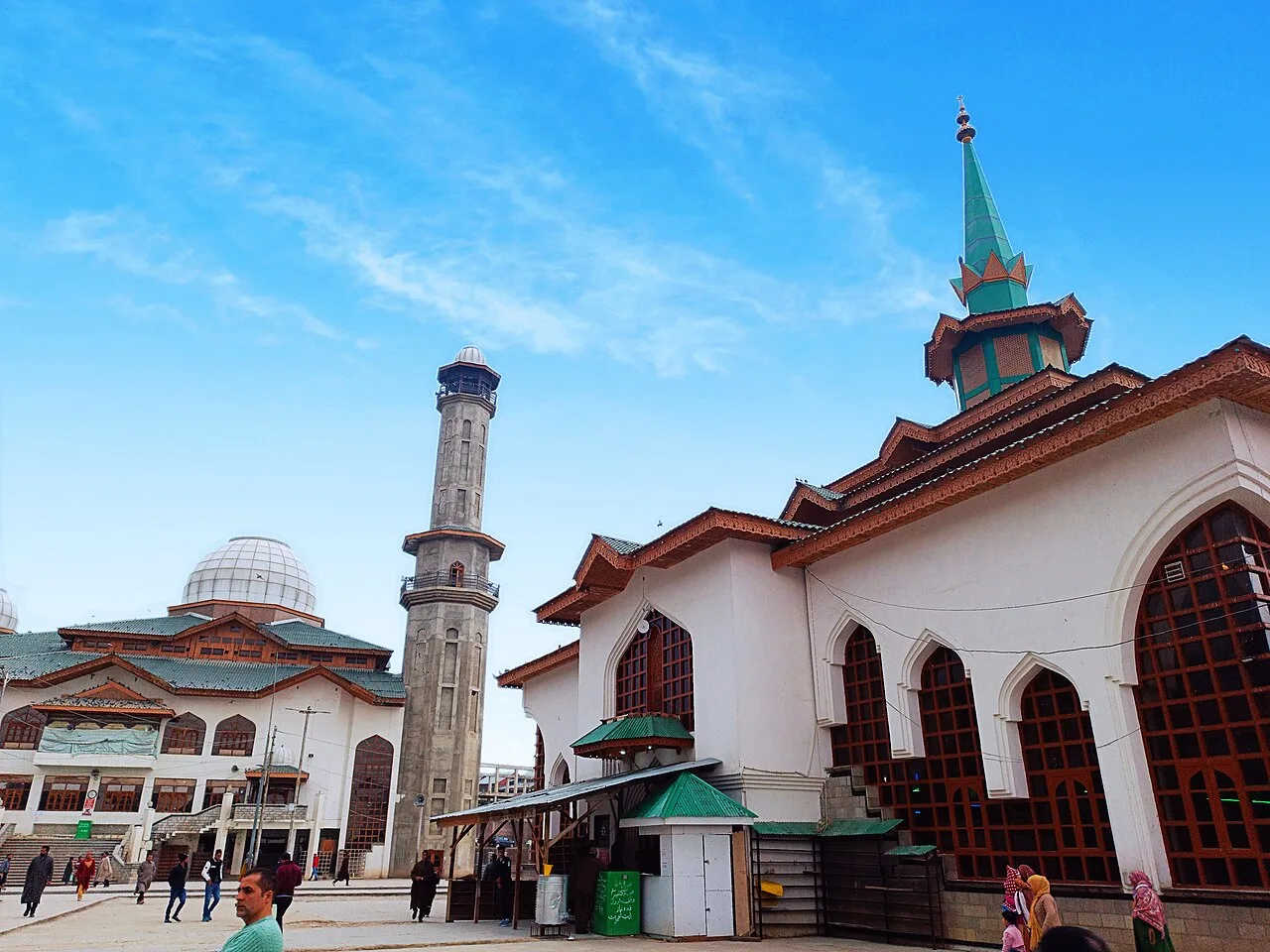
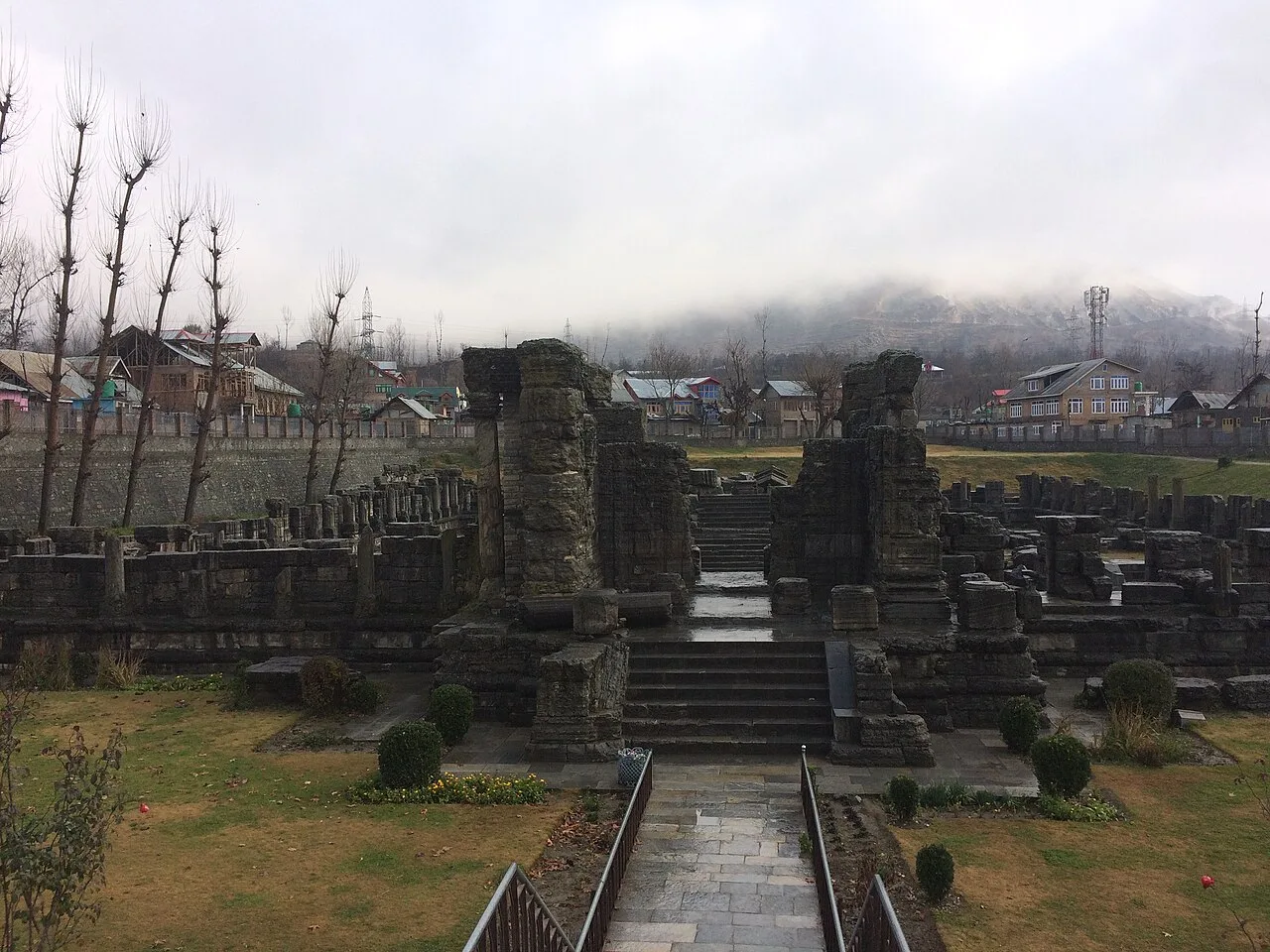
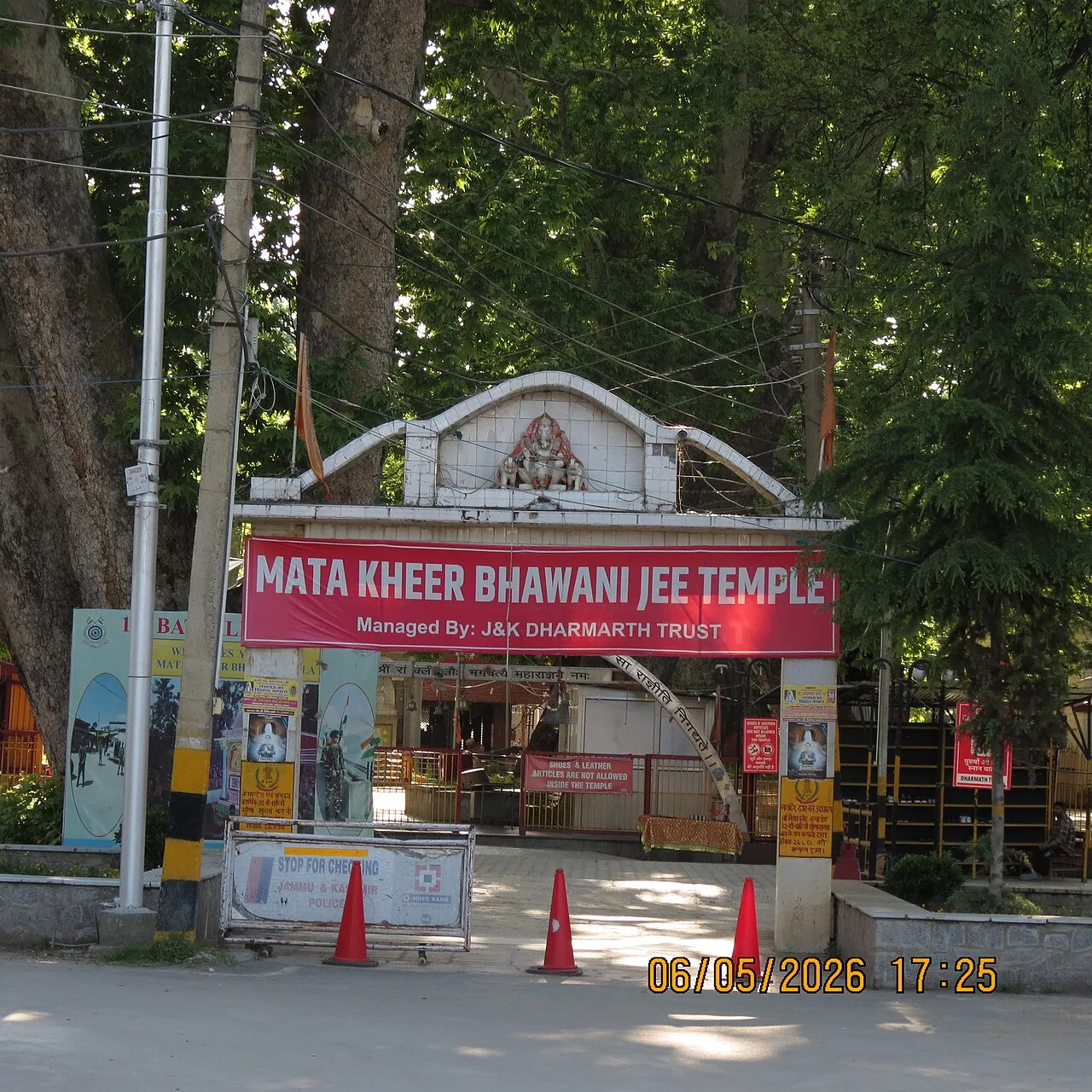
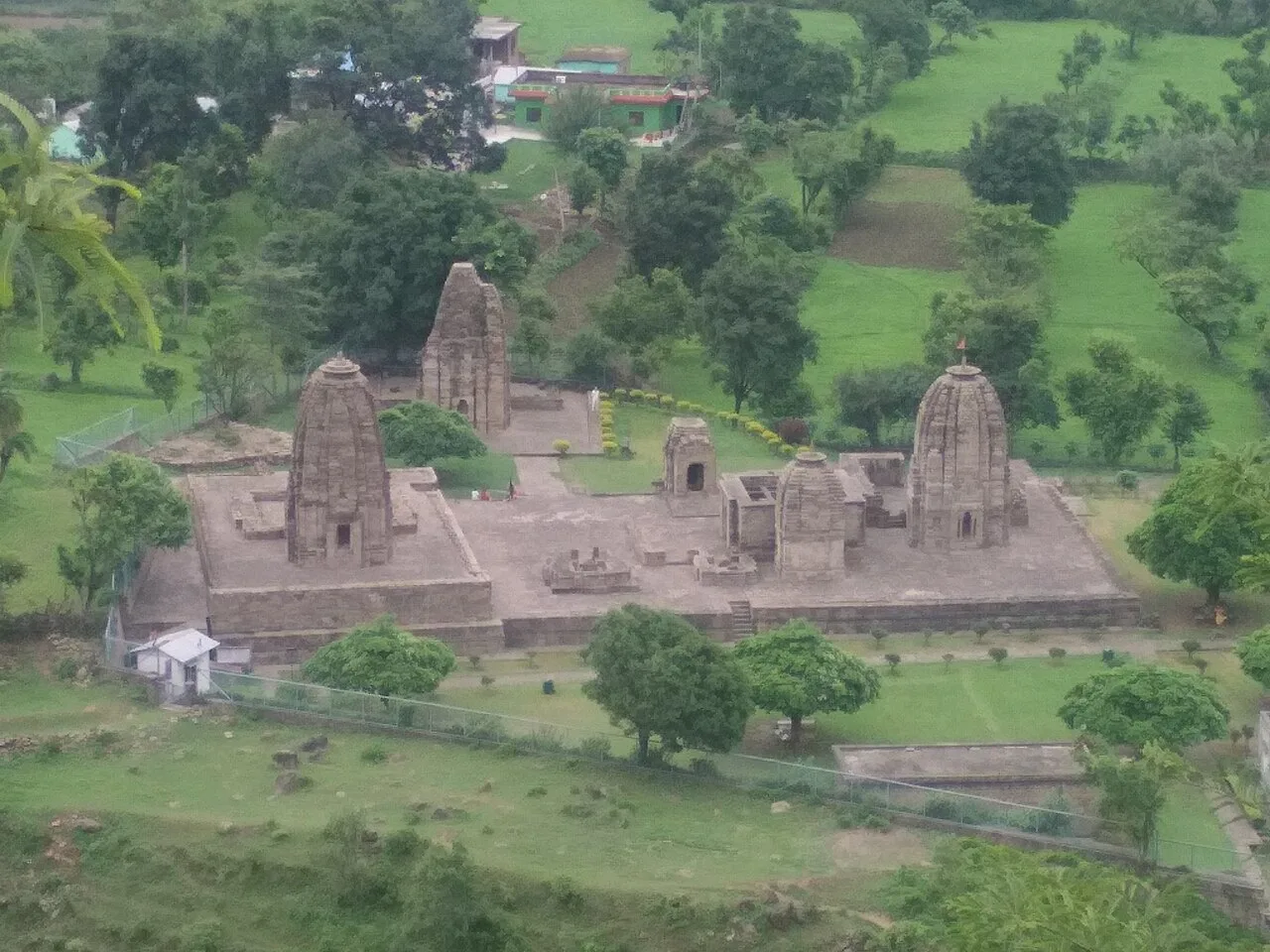
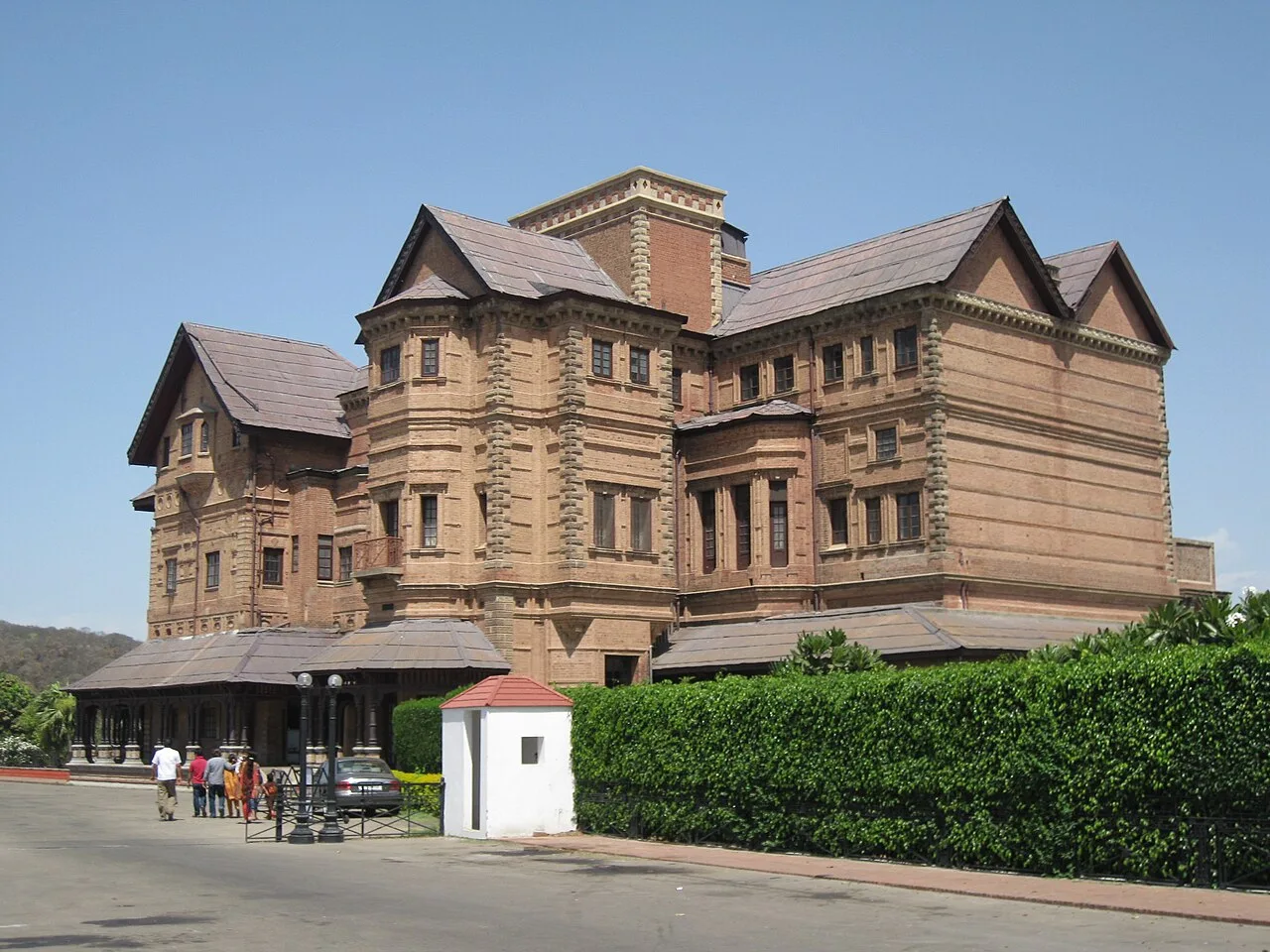
The region’s history reaches back through early settlement, Buddhist and Hindu cultural periods, and the growth of Kashmir as a centre of Sanskrit learning, temple architecture and artistic exchange. Ancient sites and pilgrimage landscapes include Naranag, with its stone temple remains, and the sacred Amarnath cave. Islam spread through Kashmir over centuries, shaped in part by Sufi teachers and local devotional traditions. The valley’s layered religious heritage is visible in shrines, mosques and temples, including Srinagar’s Jama Masjid and Kheer Bhawani Temple. In Jammu, Raghunath Temple and the old palace complex of Mubarak Mandi reflect a different but equally distinctive history of worship and courtly life.

From the fourteenth century, Kashmir was ruled by a succession of local sultans, followed by Mughal, Afghan and Sikh powers. Mughal emperors left gardens and landscape designs around Srinagar, including Nishat Bagh and Pari Mahal. In 1846, after the First Anglo-Sikh War, the Treaty of Amritsar established the princely state of Jammu and Kashmir under Dogra ruler Gulab Singh, whose dynasty governed under British paramountcy until the end of colonial rule. The princely state’s accession to India in 1947 came amid conflict and the division of the former state; its political status and borders have remained contested, and accounts of this period should be read with care.

After independence, Jammu and Kashmir had state status within India for decades, with a special constitutional position that changed in 2019. On 31 October 2019, the former state was reorganised into the Union Territories of Jammu and Kashmir and Ladakh. The present Union Territory includes the Jammu and Kashmir divisions, while Ladakh is administered separately. This modern history continues to shape administration, identity and travel conditions. Visitors can engage with the region’s heritage through historic neighbourhoods, gardens, forts, shrines and museums, while recognising that political histories are complex and understood differently by different communities.

Culture, people & festivals

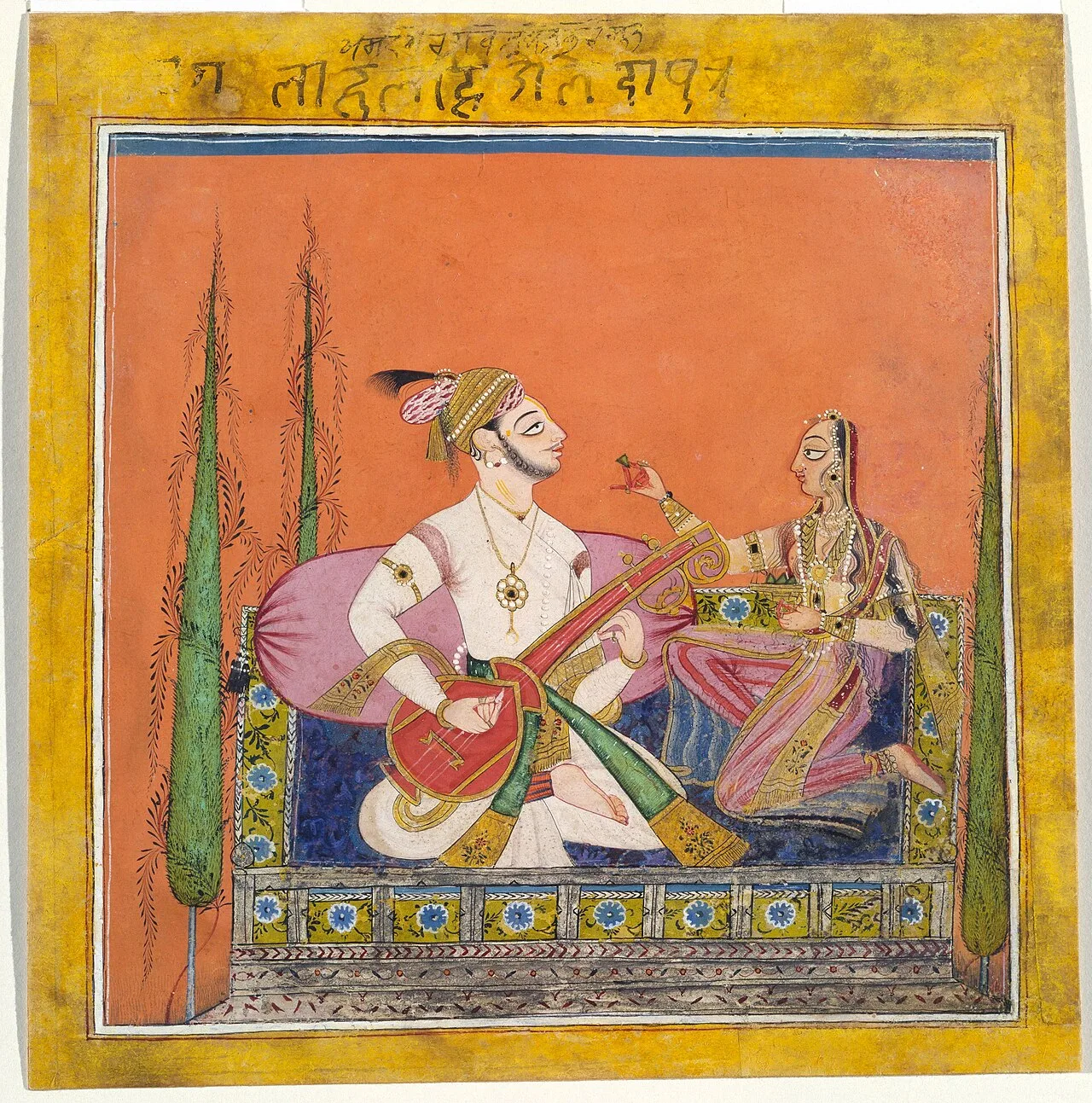
Jammu and Kashmir is home to communities with distinct regional identities and shared traditions of hospitality, craft and devotion. Kashmiri is widely spoken in the Valley; Dogri has deep roots in Jammu. Urdu, Hindi and English are also used, alongside languages and speech varieties including Gojri, Pahari, Shina and Punjabi. Gujjar and Bakarwal communities have historically practised pastoral livelihoods, though ways of life vary widely today. Islam, Hinduism, Sikhism and Buddhism are present in the region’s religious life, with shrines, mosques, temples and gurdwaras forming important parts of many communities’ landscapes. Sufi poetry and devotional music have influenced Kashmiri cultural expression, while Dogri folk singing and dance traditions are associated with Jammu.

Festivals follow both seasonal and religious calendars. The Tulip Festival is usually held in Srinagar in spring, commonly around March or April, depending on bloom and conditions. Navreh, the Kashmiri new year, generally falls in March or April; Herath, the Kashmiri Pandit celebration of Shivratri, usually falls in February or March. Lohri is observed in January, especially in Jammu, and Baisakhi in April. The Amarnath Yatra usually takes place during the summer pilgrimage season, with dates and arrangements announced by the authorities each year. Eid celebrations move through the calendar because they follow the lunar calendar, while local urs commemorations also vary. Festival dates and access can change, so check current official information before planning.

Food & flavours

Rice is a central staple in much of Kashmir, while wheat and maize are important in different areas and seasons. The elaborate Kashmiri wazwan is a ceremonial meal of multiple courses, traditionally prepared for gatherings and weddings; dishes may include rogan josh, rista, gushtaba and tabak maaz, though recipes and serving customs vary. Everyday cooking also features vegetables, greens and pulses, with haak, a leafy green dish, among familiar preparations. Kahwa, a fragrant green tea often made with saffron, spices and nuts, is a well-known drink, while noon chai is a salted pink tea enjoyed by many in the Valley.

Jammu’s food traditions include rajma served with rice, kalari cheese, breads and seasonal dishes, with ingredients and methods varying across the plains and hills. Dogra cooking also includes festive preparations and local dairy foods. Saffron from the Pampore area lends aroma and colour to some dishes, though it is used sparingly. Sweet offerings and snacks include phirni, shufta, kulcha and girda, with local versions differing between households and towns. Visitors may find menus adapted for tourism, so asking about ingredients is useful, especially for dietary needs. Meals are often generous and shared; accepting a cup of tea or tasting a small serving can be a warm way to experience local hospitality.

Crafts, textiles & what to buy

Kashmir is renowned for fine textiles and decorative arts. Pashmina shawls are woven from exceptionally fine fibre and may be embroidered with sozni needlework or patterned through kani weaving. Srinagar is an important centre for shawl work, carpet weaving, papier-mâché, walnut-wood carving and copperware; embroidery and weaving also support artisans in towns and villages across the Valley. Kashmir papier-mâché objects are made through a labour-intensive process of moulding, painting and finishing, while walnut carving ranges from small keepsakes to detailed furniture. The best work can involve many hours of skilled hand labour, so quality and price vary considerably.

Products recognised through geographical indication registrations include Kashmir Pashmina, Kashmir papier-mâché, Kashmir walnut wood carving, Kashmir hand-knotted carpets, Kashmir Sozani craft and Kashmir saffron. Pampore and surrounding areas are especially associated with saffron cultivation; the crop is seasonal, and genuine origin is worth checking when buying. Jammu has its own craft traditions, including basohli painting and regional textiles, as well as agricultural products such as Jammu Basmati. Buy from reputable cooperatives, established shops or artisans when possible, and ask about fibre, materials, origin and care. A low price alone is not proof of authenticity; receipts and product information can help distinguish handmade goods from machine-made imitations.

Getting there & getting around

Srinagar International Airport, also known as Sheikh ul-Alam Airport, is the main air gateway to the Kashmir Valley; Jammu Airport at Satwari serves the Jammu region. Flight schedules and routes vary by season and operational conditions. Jammu Tawi is a major rail junction, and Shri Mata Vaishno Devi Katra station serves pilgrims travelling to Katra. Rail services also serve the Kashmir Valley, including Srinagar and towns on the valley line; through connections and operating arrangements can change, so confirm the current route with railway sources before booking. Udhampur is another rail stop used for parts of the Jammu region.

National Highway 44 is the principal road link between Jammu and Srinagar, crossing the Pir Panjal through the Jawahar Tunnel area. The Srinagar–Leh highway, part of National Highway 1, runs east via Sonamarg toward Ladakh when open; NH 144A connects Jammu with parts of the western hill districts. Roads branch toward destinations such as Pahalgam, Gulmarg, Katra, Doda and Bhaderwah, but mountain journeys may be slow and weather-sensitive. Taxis, local buses and hired vehicles are common ways to travel between towns; Srinagar also has local bus and shared-transport options, and shikaras operate on parts of Dal Lake. For remote valleys and trailheads, arrange transport locally and confirm road access. Leave flexibility for traffic, security checks, weather and seasonal closures.

When to go & travel tips

For Srinagar, the gardens and valley towns, spring and autumn are especially appealing; tulip viewing is usually a spring activity, while summer is popular for cooler mountain destinations. Sonamarg, Gurez and high-altitude walks are generally best approached in the warmer months, subject to road openings and local conditions. Jammu’s lower elevations are more comfortable in cooler months, while Katra pilgrimage travel is concentrated in the season announced for the Yatra and other religious calendars. Winter can bring snow and transport disruption in the mountains, though it also offers a quieter, cold-weather visit to accessible towns.

Pack layers, a waterproof outer layer and sturdy footwear, even for summer, and bring sun protection at altitude. Carry essential medicines and allow time to acclimatise before strenuous walks. Check official travel, weather, road and pilgrimage advisories shortly before departure; requirements can change, and visitors should confirm any permit or registration rules through official channels rather than assume they apply. Dress respectfully at religious sites, follow photography guidance, remove footwear where customary and ask before photographing people. Keep valuables secure, use licensed transport where available and avoid restricted or sensitive areas. Conditions differ across districts, so local advice is useful, but current official guidance should take precedence.

Highlights

Where to begin

City by city

Cities & hubs of Jammu and Kashmir

Every sight is grouped under its city — places within about 12 km together, day trips within 40 km alongside — even across district lines. Open a city to see its attractions.

See every city, town and village of Jammu and Kashmir

Away from the cities — 2 more places by district

District discovery

Jammu and Kashmir: 18 districts covered

Open a district to see its destinations and neighbours. More districts are added as our team writes them.

18 of 18 districts have destination guides

Destinations

Every guide in this state

Open a district to see its cities and towns, villages and places to see.

Anantnag11 places
Bandipora2 places

Places to see

Baramulla3 places

Cities & towns

Places to see

Budgam3 places
Doda1 place

Cities & towns

Ganderbal6 places
Jammu6 places
Kathua1 place

Cities & towns

Kishtwar1 place
Kulgam1 place

Places to see

Kupwara2 places
Poonch1 place

Places to see

Pulwama2 places

Cities & towns

Places to see

Reasi4 places
Samba1 place

Places to see

Shopian1 place

Places to see

Srinagar14 places
Udhampur3 places

Villages

Festivals & fairs

The calendar here

Full calendar

Jul – Aug

Shri Amarnath Yatra

Amarnath Cave, via Pahalgam or Baltal · Kumbh & Pilgrimage

The summer trek to the ice lingam in the Amarnath cave, closing on Shravan Purnima with the Chhari Mubarak.

Feb – Mar

Herath (Kashmiri Shivaratri)

Kashmiri Pandit homes; Shankaracharya Temple, Srinagar · Religious

The Kashmiri Pandits' great Shiva festival, kept at home with the vatuk puja, soaked walnuts and family feasts.

Mar – Apr

Navreh (Kashmiri New Year)

Hari Parbat, Srinagar, and Kashmiri Pandit homes · Religious

The Kashmiri Pandit new year, opened with the Navreh thali and prayers to Goddess Sharika on Hari Parbat.

Mar – Apr, Sep – Oct

Bahu Mela

Bawe Wali Mata, Bahu Fort, Jammu · Fair & Mela

Twice-yearly Navratri fair at the Mahakali temple inside Bahu Fort, above the Tawi.

23 Nov 2026 – 3 Dec 2026

Jhiri Mela

Jhiri, near Jammu · Fair & Mela

Farmers' fair at the shrine of Baba Jitto, the Dogra farmer remembered for standing up to an unjust landlord.

January & April

Lohri & Baisakhi in Jammu

Jammu, Samba, Kathua and Udhampur · Harvest

Jammu's winter bonfires and chhajja dances for Lohri, and riverside fairs and gurdwara gatherings for Baisakhi.

Mar – Apr

Tulip Festival, Srinagar

Indira Gandhi Memorial Tulip Garden, Srinagar · Cultural

Spring opening of Asia's largest tulip garden on the Zabarwan slopes above Dal Lake, with crafts and music.

Festivals of Jammu and Kashmir through the year

Usual season and where each is best known. Exact dates follow local calendars — linked festivals have dated guides.

From travellers and locals

Be the first to share photos, stories, advice or a helpful contact for Jammu and Kashmir.

Loading…