Ghumoopedia — Explore, Discover, Experience
Sign in
Manasbal Lake, near Pattan

City guide · Jammu and Kashmir

Pattan

Pattan is a sub-district town and municipal community in Baramulla district, positioned near the centre of the Kashmir Valley. Its location connects the Baramulla area with routes towards Srinagar and neighbouring parts of Budgam and Ganderbal, giving it a practical role as a local service and trading centre.

Famous for

  • Historic palace remains
  • Former Kashmir capital
  • Central Valley location
  • Baramulla district heritage

Why Pattan matters

Pattan is a sub-district town and municipal community in Baramulla district, positioned near the centre of the Kashmir Valley. Its location connects the Baramulla area with routes towards Srinagar and neighbouring parts of Budgam and Ganderbal, giving it a practical role as a local service and trading centre. The town is also notable for its place in Kashmir’s history: it is counted among the Valley’s historic capitals, and remains of four palaces are recorded in the wider tehsil, including two within the municipal limits.

Visitors are most likely to come for a brief look at this heritage and to experience a smaller Valley town beyond Srinagar’s better-known sights. Pattan’s appeal lies in the contrast between its everyday urban life, surrounding rural landscape and traces of former political importance. It is also a useful stop on journeys through north-central Kashmir, with road and local rail connections serving the area. It is not primarily a resort destination, so travellers often combine a visit with other places in the region.
Famous for: crafts, trade & products

Pattan is better known for its historic setting than for a signature textile, handicraft or GI-tagged product. There is no widely established specialist craft or industrial identity associated with the town. Its shops mainly serve residents and nearby villages, making the town centre the place to look for everyday goods, groceries and locally used services rather than a dedicated craft market.

The wider Kashmir region is renowned for products such as papier-mâché, woven shawls, carpets, woodwork and embroidered textiles, but these should not be mistaken for Pattan-specific manufactures. Travellers seeking a broad selection of such crafts will generally find more specialist choice in Srinagar. Pattan’s regional role is more practical: it serves its surrounding area and sits amid rural communities whose livelihoods include agriculture and local trade. Visitors interested in heritage can ask locally about the palace remains in and around the town; these are more distinctive to Pattan than any particular shopping product. Check locally before planning around a specific site, as access and preservation conditions can vary.

History

Pattan’s historical importance is reflected in its reputation as one of the former capitals of the Kashmir Valley. Remains of four palaces in the tehsil, two within the municipal area, point to an earlier role as a seat of authority. The surviving traces do not by themselves provide a simple account of the town’s foundation or the dates of each palace, so its story is best understood within the wider history of Kashmir and its changing centres of power.

Over the centuries, the Valley passed through the rule of successive Kashmiri dynasties and later Afghan, Sikh and Dogra regimes. Under Dogra rule, Kashmir became part of the princely state that existed during the British period; British influence was exercised largely through that political arrangement. After 1947, Pattan developed as a local administrative and municipal centre within Baramulla district. Modern roads and regional rail links have strengthened its connections, while its historic remains preserve a reminder of its earlier standing.

Food, festivals & culture

Pattan shares the foodways and cultural traditions of the Kashmir Valley. Rice is a staple, and meals may include dishes such as rogan josh, yakhni and other preparations associated with Kashmiri cooking. Wazwan is served especially at celebrations and formal gatherings. Kahwa, the region’s spiced green tea, is commonly associated with hospitality; availability of particular dishes varies between households and eateries.

Kashmiri is widely spoken in daily life, while Urdu and Hindi are also used; English may be understood in some visitor-facing settings. Religious and community life includes Muslim observances such as Eid al-Fitr and Eid al-Adha, whose dates follow the lunar calendar, as well as local shrine traditions. Navreh, the Kashmiri New Year in spring, and Shivratri, usually in late winter, are observed by communities in the wider region. Mosques, shrines and other neighbourhood places of worship are central to local life. Music and storytelling belong to the broader Kashmiri cultural landscape, though performances are not necessarily staged for visitors in Pattan.

Visiting the city

Spring through autumn is generally the most comfortable period to visit, with milder weather and easier road travel; winter can be cold, and conditions may change quickly. Sheikh-ul-Alam International Airport in Srinagar is the nearest airport, about 27 km southeast. Pattan, Hamre and Mazhom have local railway stations; Jammu Tawi is the principal long-distance railhead, roughly 290 km away.

Road travel is the most practical way to explore the town and nearby countryside. Srinagar is about 27 km away by the Jammu–Srinagar National Highway. In Pattan, the municipal centre is a convenient starting point for everyday shops and the town’s historic remains. Allow time to ask locally about access to palace sites, as not all remains may be clearly marked or set up as visitor attractions. Pattan also works as a short stop while travelling between Srinagar and the Baramulla area.

Trips from the city

Nearest places to visit from Pattan

Our closest destination guides, by straight-line distance.

Manasbal Lake

14 km away · Ganderbal district

Manasbal Lake

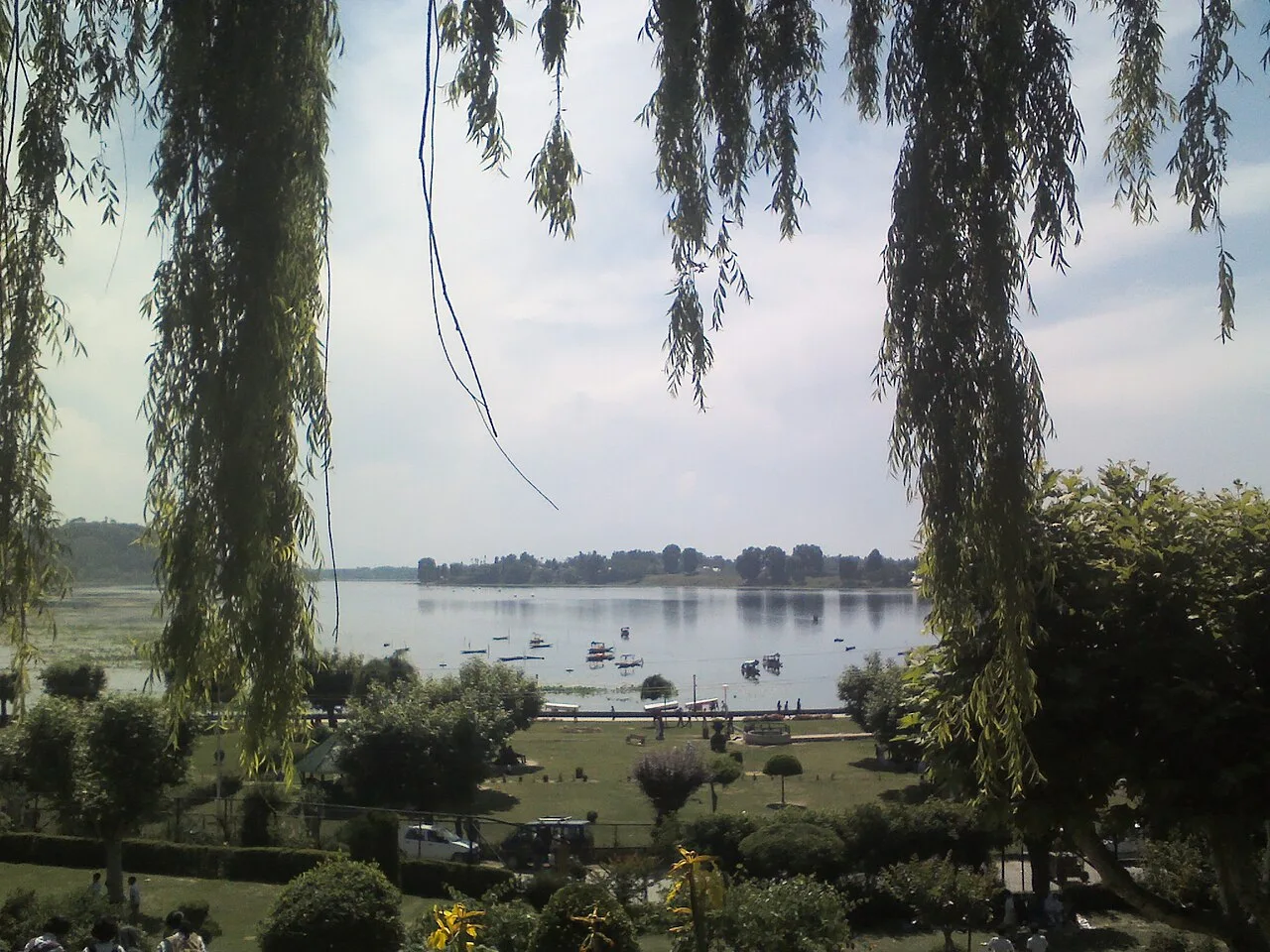
Manasbal Lake is a freshwater lake in Safapora, Ganderbal district, recognised as Kashmir’s deepest. Visitors come for its lotus flowers, the Mughal garden Jaroka Bagh and birdwatching.

Kheer Bhawani Temple

17 km away · Ganderbal district

Kheer Bhawani Temple

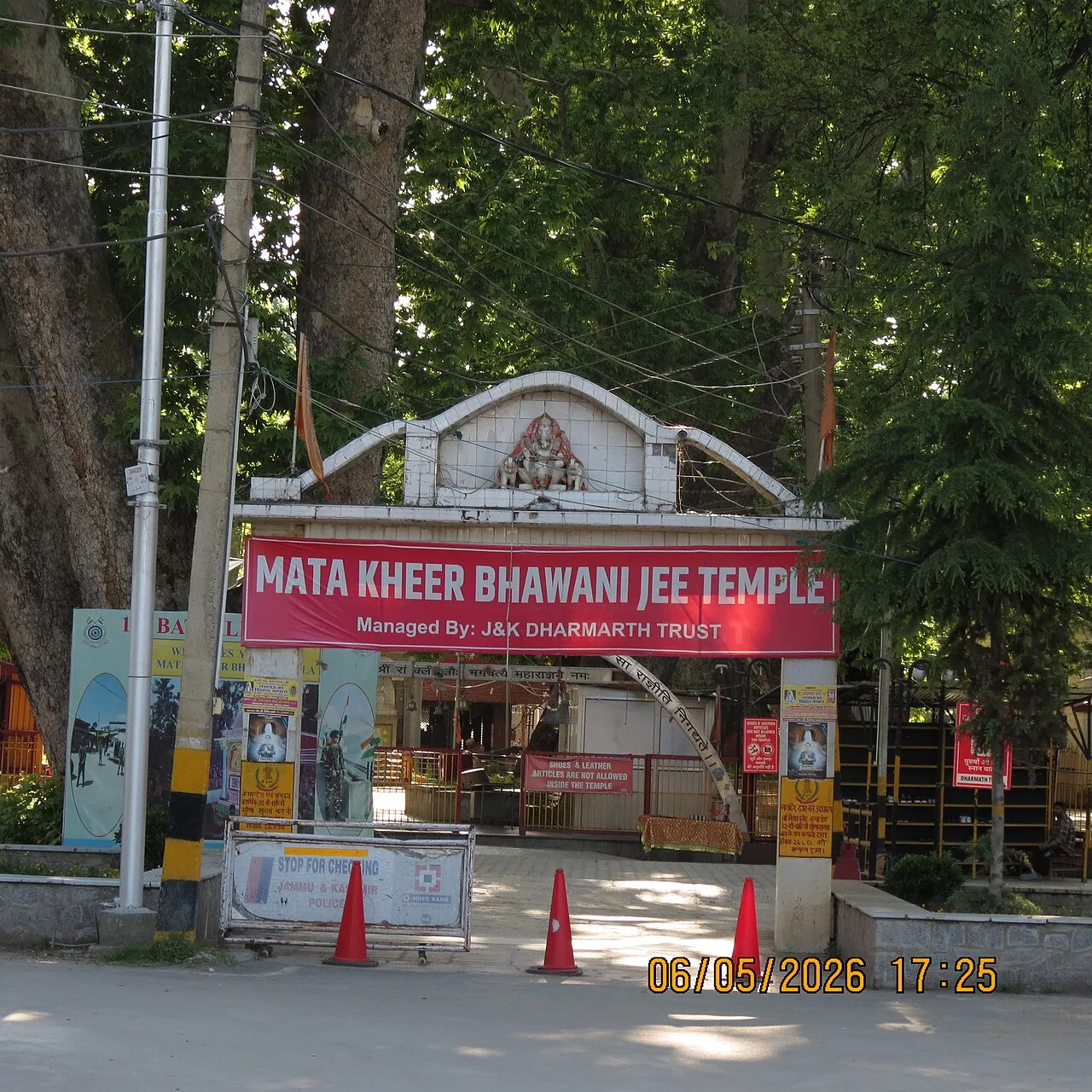
Kheer Bhawani Temple is a Hindu shrine in Tulmulla, revered for its goddess and sacred spring. Visitors come to worship and to attend the annual fair held in her honour.

Tangmarg

17 km away · Baramulla district

Tangmarg

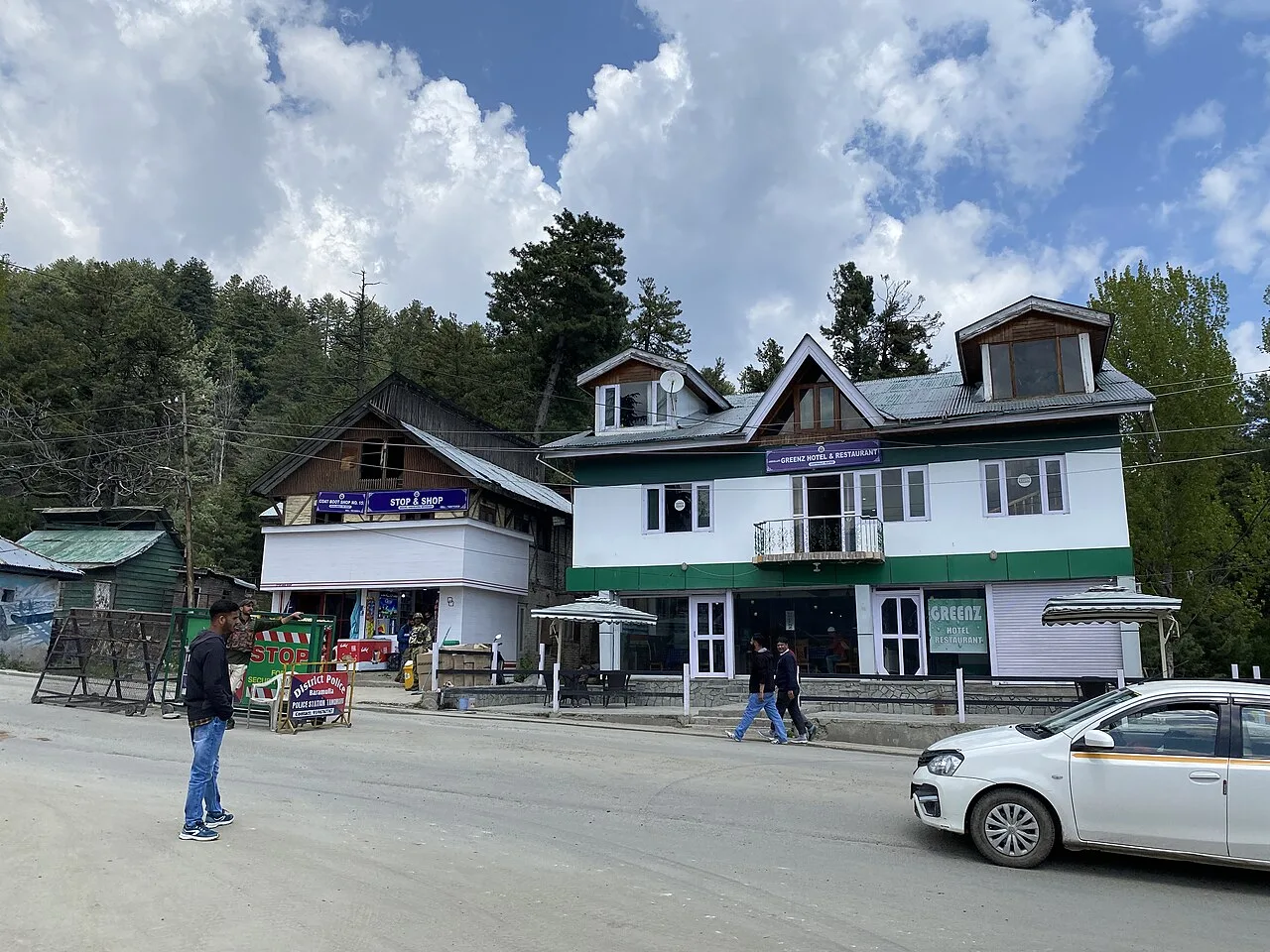
Tangmarg is a town and tehsil in Baramulla district, Jammu and Kashmir, serving nearby villages and providing access to Gulmarg. Visitors come for Drung waterfall, other local sights and trout fish.

Gulmarg

20 km away · Baramulla district

Gulmarg

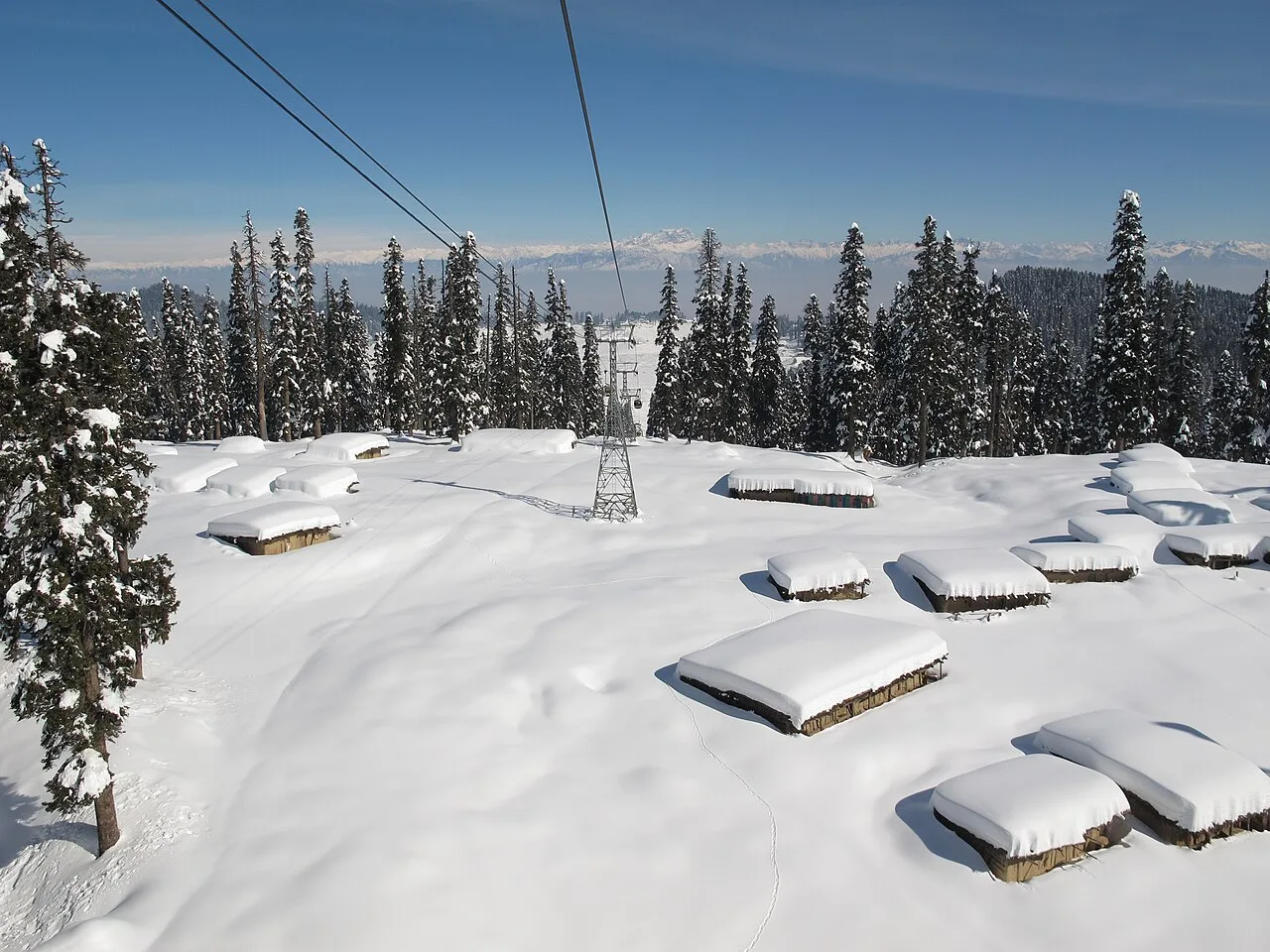
Gulmarg is a settlement and notified area committee in Jammu and Kashmir, known for skiing and winter sports. Visitors also come to ride its gondola towards Apharwat Peak.

Gulmarg Gondola

20 km away · Baramulla district

Gulmarg Gondola

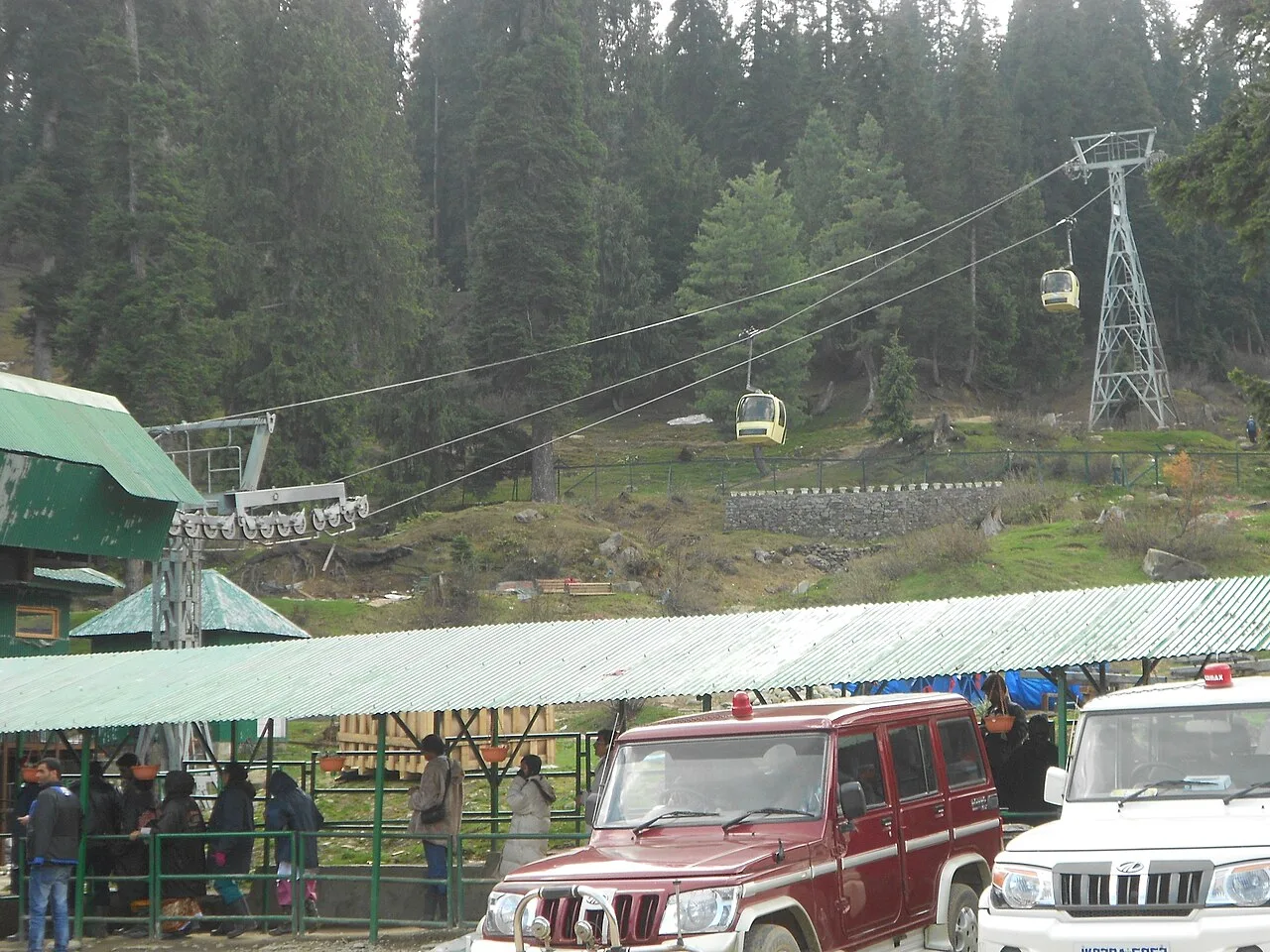
The Gulmarg Gondola is a cable-car system in Gulmarg, Jammu and Kashmir, ranked second worldwide for length and height. Visitors come to travel on the gondola.

Wular Lake

23 km away · Bandipora district

Wular Lake

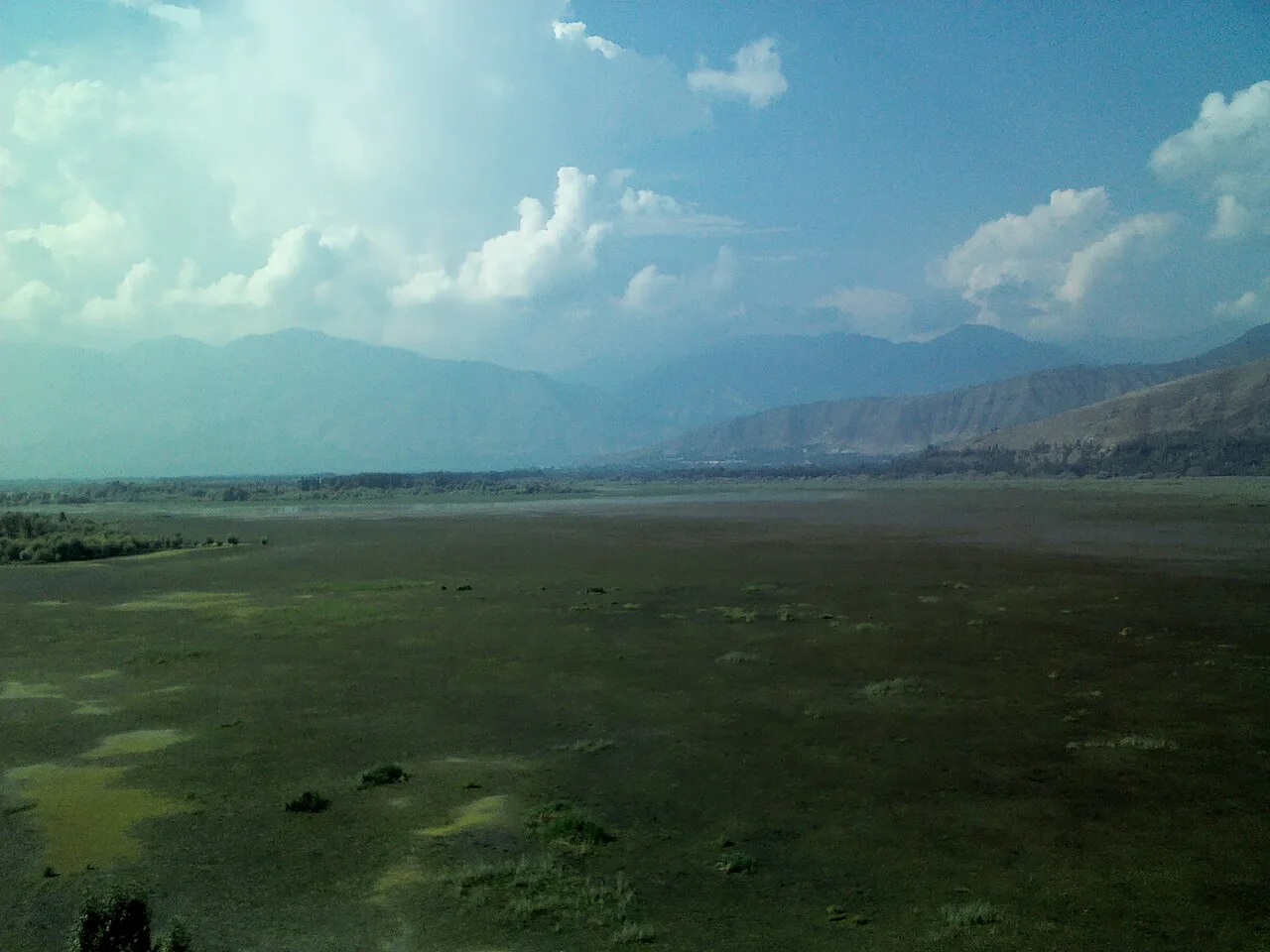
Wular Lake, called Wolar in Kashmiri, is a major freshwater lake in Bandipora district, Jammu and Kashmir. People visit to view its waters and seasonally shifting extent.

Jama Masjid, Srinagar

24 km away · Srinagar district

Jama Masjid, Srinagar

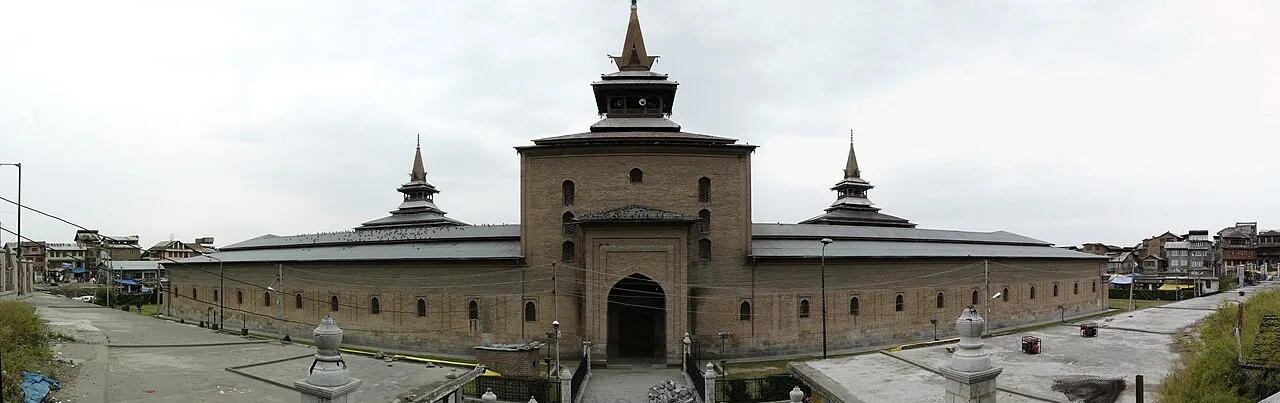
Jama Masjid, also called Jamia Masjid, is a Friday mosque in Srinagar’s Nowhatta area; visitors encounter a place central to the city’s religious and political life.

Khanqah-e-Mu'alla

24 km away · Srinagar district

Khanqah-e-Mu'alla

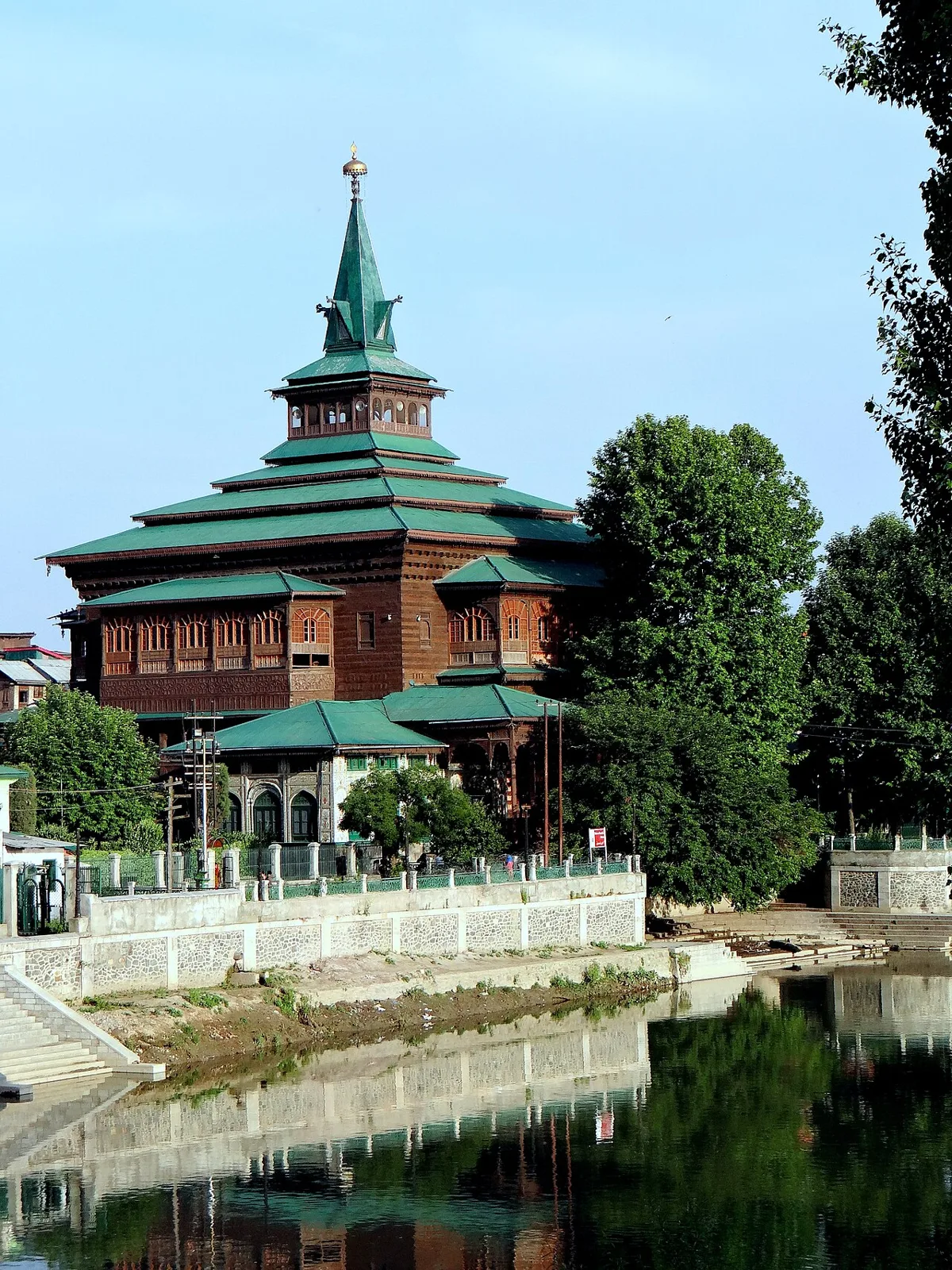
Khanqah-e-Mu'alla, also known as Khanqah-e-Moula and the Shah-e-Hamadan Mosque, is a Srinagar Sufi lodge and mosque visited for its wooden architecture and association with Mir Sayyid Ali Hamadani.

Map

Pattan on the map

  1. 1Manasbal Lake
  2. 2Kheer Bhawani Temple
  3. 3Tangmarg
  4. 4Gulmarg
  5. 5Gulmarg Gondola
  6. 6Wular Lake
  7. 7Jama Masjid, Srinagar
  8. 8Khanqah-e-Mu'alla

Jammu and Kashmir

Other cities to explore