
Ghumoopedia — Explore, Discover, Experience
Sign in
Achabal, near Anantnag

City guide · Jammu and Kashmir

Anantnag

Anantnag is an administrative and commercial centre in south Kashmir, about 53 kilometres from Srinagar on the main highway through the Valley. It serves as the headquarters of Anantnag district and as a base for journeys to the region’s gardens, springs, historic sites and mountain scenery.

Famous for

  • Anantnag spring
  • Achabal Mughal Garden
  • Kokernag springs
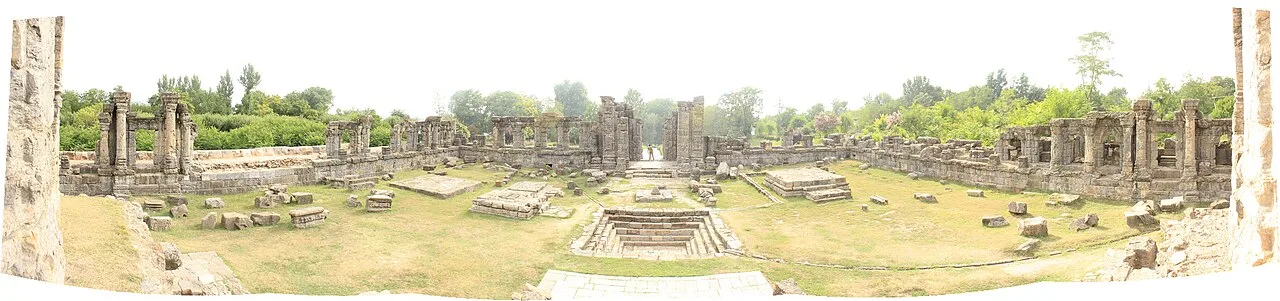
  • Martand Sun Temple
  • Gateway to Pahalgam
In the city
2
Nearby
1
Districts
Anantnag, Budgam

Why Anantnag matters

Anantnag is an administrative and commercial centre in south Kashmir, about 53 kilometres from Srinagar on the main highway through the Valley. It serves as the headquarters of Anantnag district and as a base for journeys to the region’s gardens, springs, historic sites and mountain scenery. The town is also known by the name Islamabad, and both names remain in local use.

The name Anantnag is linked to Anantanaga, an ancient name for a spring at the southern end of town. Water and gardens shape the wider area’s appeal: Achabal and Kokernag are popular excursions, while the ruins of the Martand Sun Temple offer a glimpse of Kashmir’s early history. Anantnag is also a practical stop on the way to Pahalgam and the Lidder Valley. Visitors come for these varied outings, while the town itself offers busy markets, local food and a view of everyday life in south Kashmir. Its importance lies in this combination of district administration, regional trade and access to nearby attractions.
Famous for: crafts, trade & products

Anantnag is better known as a regional market and gateway than as a centre for one signature textile or craft. Shops in the main bazaar and commercial centre serve local residents and visitors, with Kashmiri clothing, carpets, embroidered goods, papier-mâché items and walnut-wood work among the crafts that may be found. These products are often made elsewhere in the Valley, so buyers looking for a particular craft should ask about its origin and workmanship.

The wider district is associated with orchards and agricultural trade, including apples and walnuts. Valley-grown saffron, chiefly associated with Pampore rather than Anantnag town, may also be sold through regional traders. These are useful things to look for in produce shops and market stalls, though availability changes with the season. Anantnag does not have a single locally made GI-tagged product that defines its identity. Instead, its shops connect visitors with goods from across Kashmir, alongside everyday provisions and locally traded produce. For a more specialised selection of crafts, compare several stores and look for clear information about materials and where an item was made.

History

Anantnag’s history is closely tied to its spring, whose Sanskrit name, Anantanāga, appears in early Kashmir traditions. The town’s other long-used name, Islamabad, is commonly associated with the Mughal governor Islam Khan, who is said to have built a garden in the area. The surrounding district preserves other layers of the region’s past, including the remains of the Martand Sun Temple, an important early medieval site.

Under Dogra rule in the nineteenth century, Anantnag was the headquarters of one of the Kashmir Valley’s administrative divisions, known as the Anantnag wazarat. The princely state was then under British paramountcy, rather than being directly governed as a British province. In modern times the town developed as a district headquarters and a centre for public services and trade. Roads connecting it with Srinagar and south Kashmir, together with the railway link, strengthened its role as a transport and commercial hub. Political conflict in the region has also shaped daily life and the town’s recent history.

Food, festivals & culture

Kashmiri is widely spoken in everyday life; Urdu and Hindi are also used, particularly in public settings and commerce. Meals commonly centre on rice, with dishes such as haakh (collard greens), rogan josh and other preparations associated with Kashmiri cooking. Wazwan dishes are served at important gatherings. Kahwa and noon chai are familiar drinks, while harissa is a winter speciality. Phirni and other sweets may be enjoyed at celebrations.

Eid observances follow the Islamic lunar calendar, so their dates shift from year to year. Navreh, the Kashmiri New Year, is marked in spring, while Kashmiri Pandit households celebrate Herath, their form of Shivratri, in winter. Baisakhi is also observed in spring. Sufi traditions, devotional singing and the lively chakri folk style are part of the region’s musical heritage; rouf is a well-known group dance, often performed by women on festive occasions. The town and its surroundings include mosques, shrines and temples, with the Martand Sun Temple ruins a notable historic place of worship nearby.

Visiting the city

Spring and autumn are comfortable seasons for exploring Anantnag and its gardens; summer is also popular, while winter can be cold. The nearest airport is Srinagar International Airport. Anantnag railway station is the main rail stop for the town, with connections along the Valley railway line. Check current transport and local conditions before setting out.

Auto-rickshaws, taxis and local buses help visitors get around town and reach nearby attractions. The town centre and main bazaar are good places to explore on foot for shops and everyday life, while the Anantnag spring is a natural stop within town. Achabal and Kokernag make rewarding garden and spring excursions; Martand is a nearby historical visit, and Pahalgam is a popular longer outing. Taxis are useful for trips beyond the centre, where services may be less frequent.

Attractions

Places to visit in Anantnag

Sights within about 12 km of each other, even when they fall in different districts.

Short trips

Around Anantnag

Within about 40 km — easy half-day or day trips from the city.

Map

Anantnag on the map

  1. 1Achabal
  2. 2Martand Sun Temple
  3. 3Yusmarg

Jammu and Kashmir

Other cities to explore