Ghumoopedia — Explore, Discover, Experience
Sign in
Gulmarg, near Baramulla

City guide · Jammu and Kashmir

Baramulla

Baramulla is a district headquarters and an important business and education centre in northern Kashmir. Set on the banks of the Jhelum, where the river leaves the wider valley on its way towards the west, the city occupies a historic gateway between the Kashmir Valley and routes through the mountains.

Famous for

  • Jhelum riverfront
  • Janbaz Wali shrine
  • Varahamula heritage
  • Northern Kashmir trade
  • Apple-growing hinterland

Why Baramulla matters

Baramulla is a district headquarters and an important business and education centre in northern Kashmir. Set on the banks of the Jhelum, where the river leaves the wider valley on its way towards the west, the city occupies a historic gateway between the Kashmir Valley and routes through the mountains. Its older name, Varahamula, connects it with long-standing traditions and legends about the valley’s origins.

Visitors come for the river and old-town atmosphere, the shrine of the Sufi saint Syed Janbaz Wali, and the city’s layered religious and cultural heritage. Baramulla also makes a useful base for exploring the surrounding district, including its orchards and landscapes near Wular Lake. Markets serve residents and travellers from nearby towns and villages, while schools and colleges give the city a wider regional role. Rather than a single-purpose resort, Baramulla is a working Kashmiri town where everyday commerce, historic sites and access to the northern valley meet.
Famous for: crafts, trade & products

Baramulla’s historic importance rests partly on trade. Before modern transport reshaped movement through the valley, the town was a key distribution point for goods arriving by the Jhelum Valley route. Today, its central markets supply residents and visitors from surrounding settlements with groceries, clothing, household goods and regional produce. The bazaar streets are the most practical place to browse and shop.

The wider district is known for horticulture, especially apples, as well as walnuts and other orchard produce. These are regional products rather than crafts unique to the city; availability varies with the harvest season. Kashmiri foods and handicrafts may also be found through local shops, though Baramulla is not especially identified with a single textile or signature craft. Visitors seeking a broader selection of Kashmir’s carpets, shawls, papier-mâché or woodwork can compare offerings in larger valley markets. The city’s enduring distinction is its role as a northern commercial hub, supported by its railway connection, educational institutions and links with the surrounding countryside. No particular local product should be assumed to carry a geographic indication simply because it is sold here.

History

Baramulla’s name is generally traced to the Sanskrit Varahamula, associated with the words for boar and origin or root. Hindu traditions connect the place with a legend about the draining of an ancient lake, while its early religious landscape included Hindu shrines and Buddhist monasteries. The town grew as a settlement and trading point in the Kashmir Valley. Accounts of its past also record visits by Mughal emperors Akbar and Jahangir.

Over the centuries, Baramulla became significant to Muslim pilgrims as well, notably through the shrine of Syed Janbaz Wali. Its position on the route into the valley made it an important northern town and a centre for distributing goods. In October 1947, the town was captured during the conflict that followed Partition; killings, looting and destruction caused profound loss. Baramulla later developed as the headquarters of its district and as a centre for commerce, education and public services. The railway and road connections continue to link it with other parts of Kashmir.

Food, festivals & culture

Kashmiri is widely spoken in everyday life; Urdu is also common, with Hindi and English used in public and educational settings. Meals draw on the cuisine of the valley: rice, meat dishes such as rogan josh and gushtaba, and breads from local bakeries. Kahwa and noon chai are familiar drinks, while seasonal fruit and walnuts reflect the district’s orchards. Food traditions vary between households, and visitors can ask locally about dishes available during their stay.

Eid is an important celebration, while Ramadan brings distinctive evening rhythms and shared meals. Kashmiri Pandit families observe Herath, usually in winter, and the spring season brings festivals such as Baisakhi. The shrine of Syed Janbaz Wali is a focus of devotion and pilgrimage, including an annual Urs. Mosques, temples, gurdwaras and Christian places of worship reflect the region’s varied religious history. Sufi devotional music is part of Kashmir’s cultural heritage, and rouf, a women’s group dance, is performed at festive gatherings.

Visiting the city

Late spring through early autumn is generally comfortable for exploring; winter is colder and can bring snow or difficult road conditions. The nearest airport is Srinagar International Airport. Baramulla railway station serves the city on the Kashmir Valley line; travellers coming from outside the valley may also plan connections through Jammu Tawi, a major railhead.

Within Baramulla, taxis and local shared transport are useful for reaching different parts of town, while the central areas are best explored on foot. Spend time around the old town and its market streets, the Jhelum riverfront and the shrine of Syed Janbaz Wali. The surrounding district offers excursions towards orchard country and Wular Lake, but check local transport and road conditions before setting out. Keep extra time for journeys, as mountain routes and weather can affect travel.

Trips from the city

Nearest places to visit from Baramulla

Our closest destination guides, by straight-line distance.

Gulmarg

18 km away · Baramulla district

Gulmarg

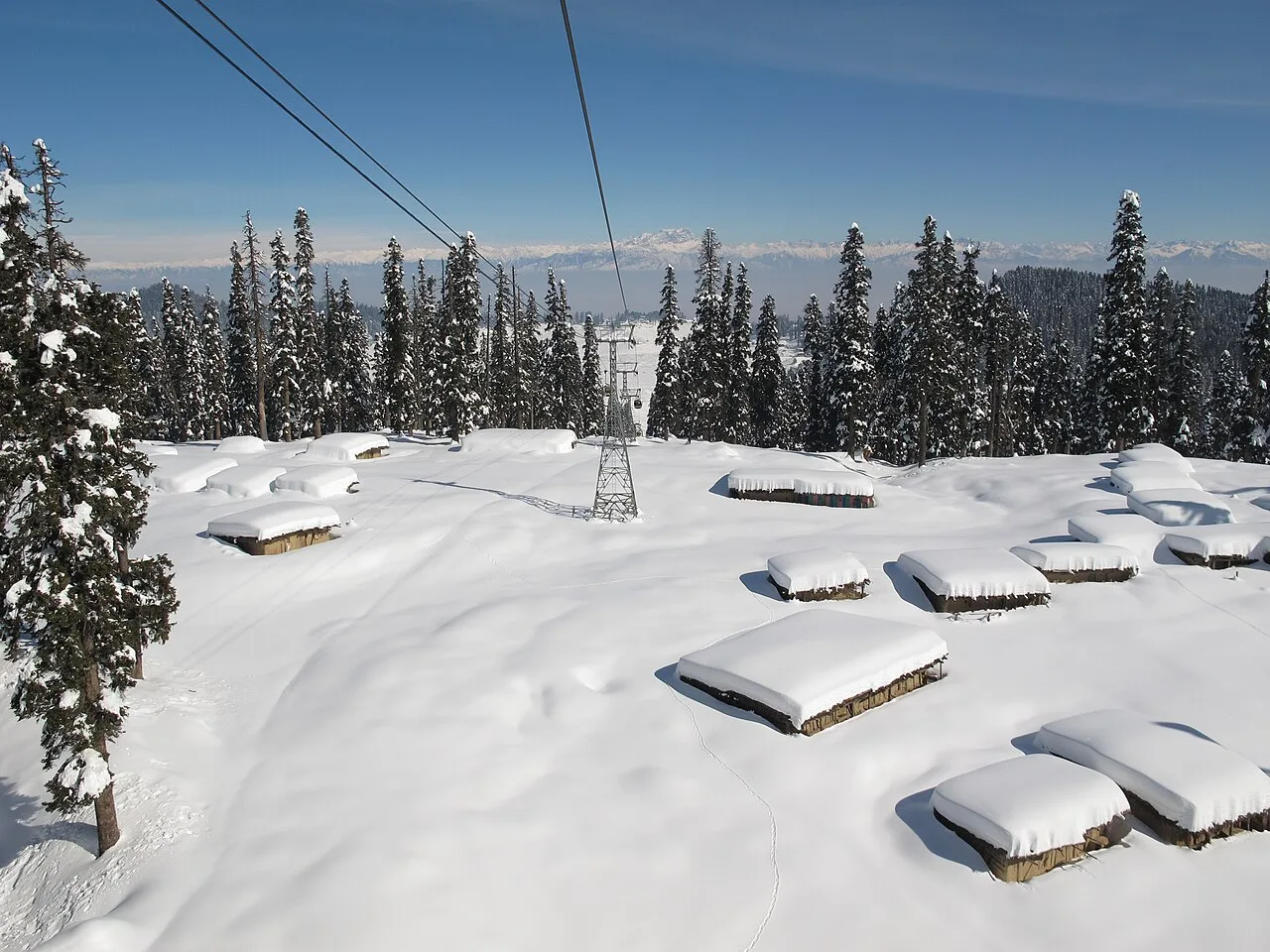
Gulmarg is a settlement and notified area committee in Jammu and Kashmir, known for skiing and winter sports. Visitors also come to ride its gondola towards Apharwat Peak.

Tangmarg

18 km away · Baramulla district

Tangmarg

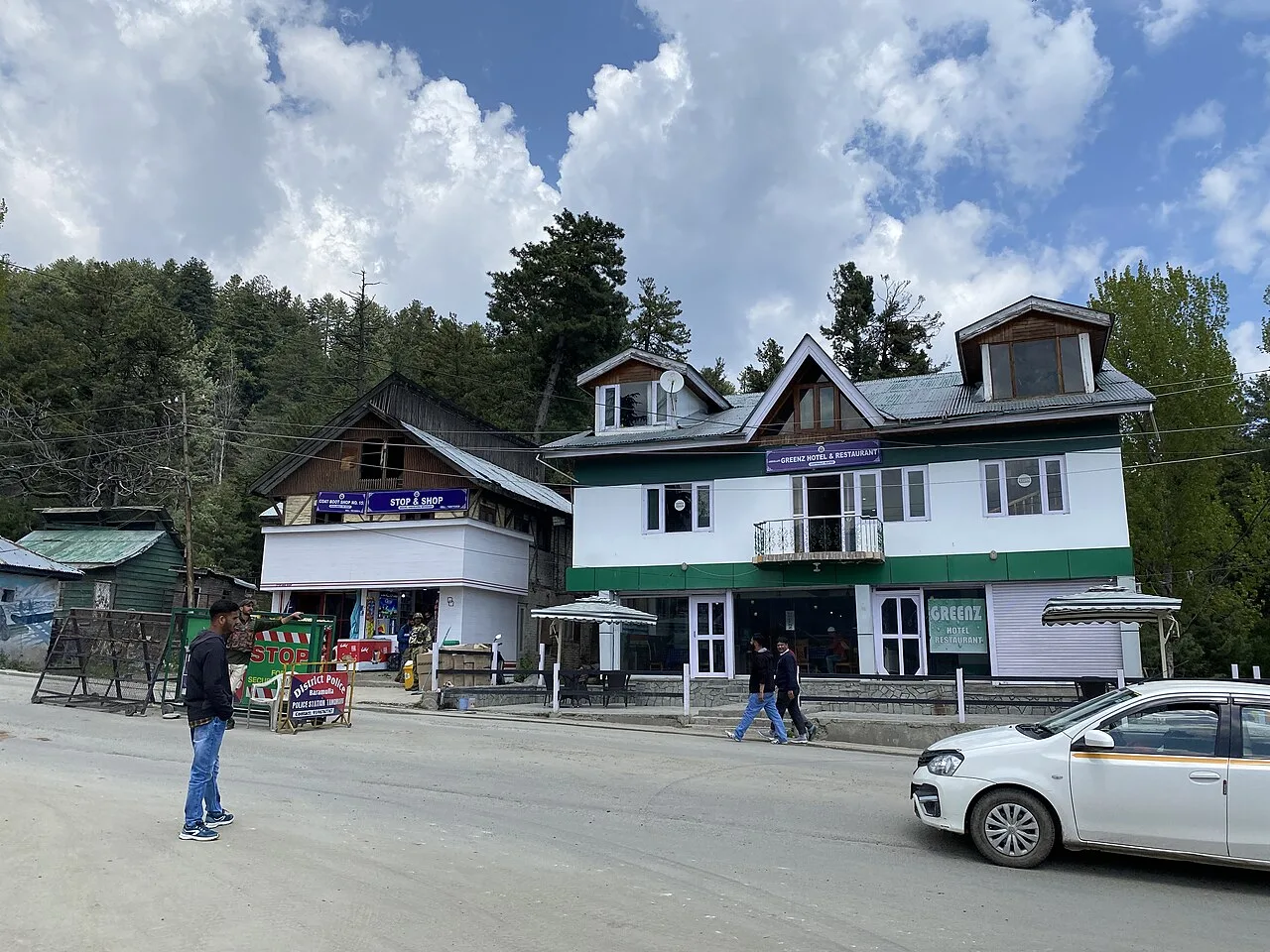
Tangmarg is a town and tehsil in Baramulla district, Jammu and Kashmir, serving nearby villages and providing access to Gulmarg. Visitors come for Drung waterfall, other local sights and trout fish.

Gulmarg Gondola

19 km away · Baramulla district

Gulmarg Gondola

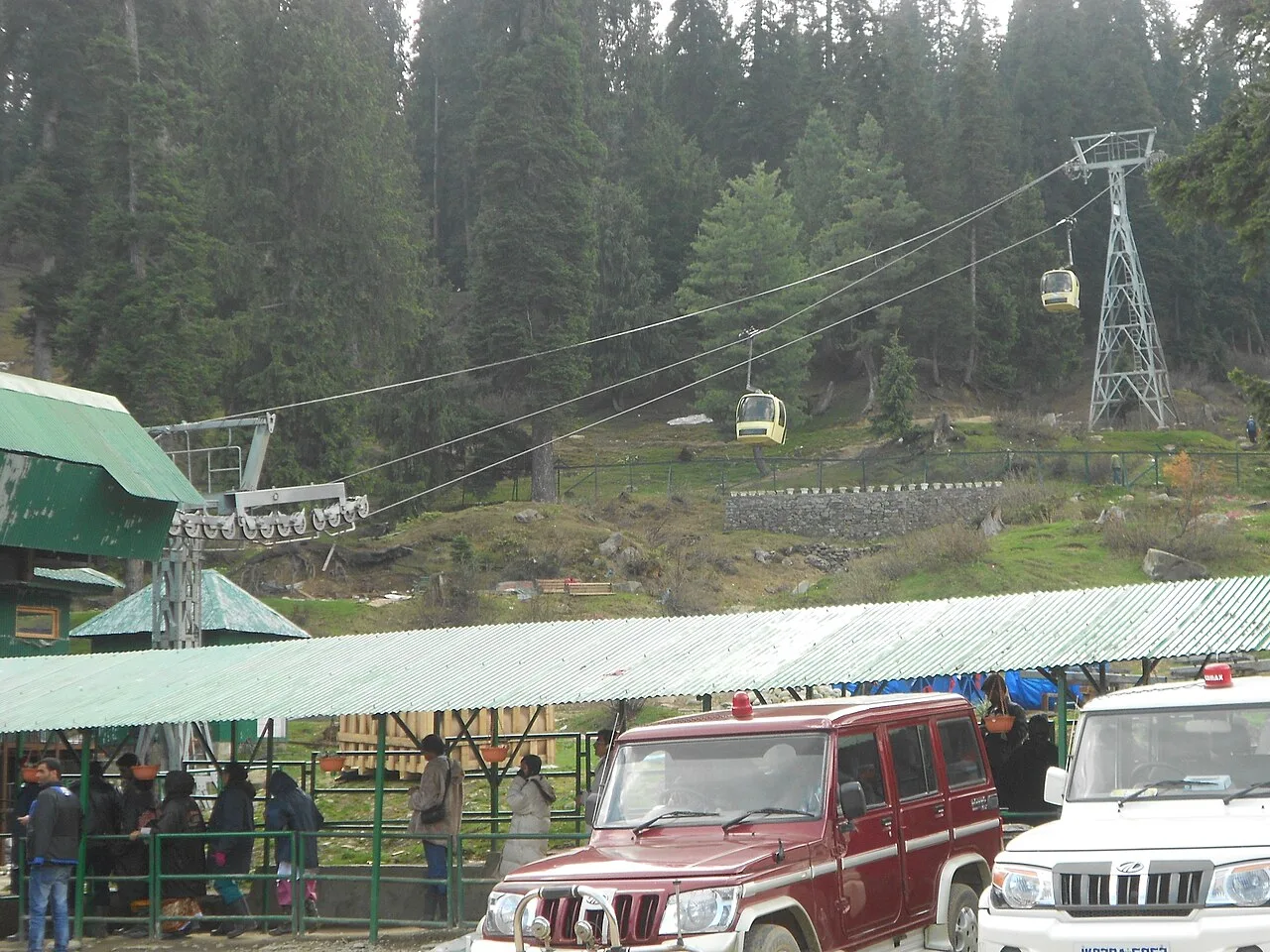
The Gulmarg Gondola is a cable-car system in Gulmarg, Jammu and Kashmir, ranked second worldwide for length and height. Visitors come to travel on the gondola.

Wular Lake

27 km away · Bandipora district

Wular Lake

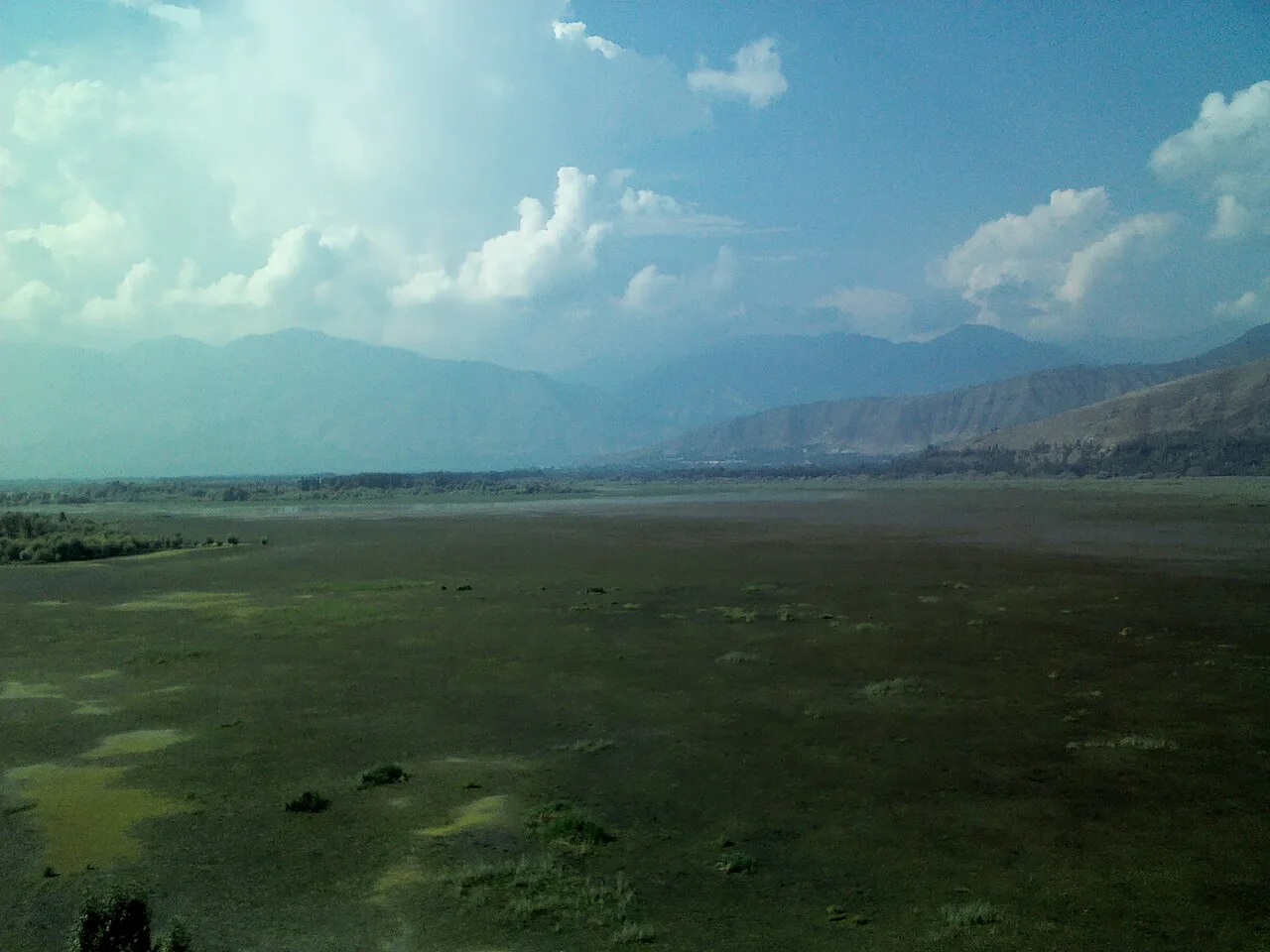
Wular Lake, called Wolar in Kashmiri, is a major freshwater lake in Bandipora district, Jammu and Kashmir. People visit to view its waters and seasonally shifting extent.

Manasbal Lake

30 km away · Ganderbal district

Manasbal Lake

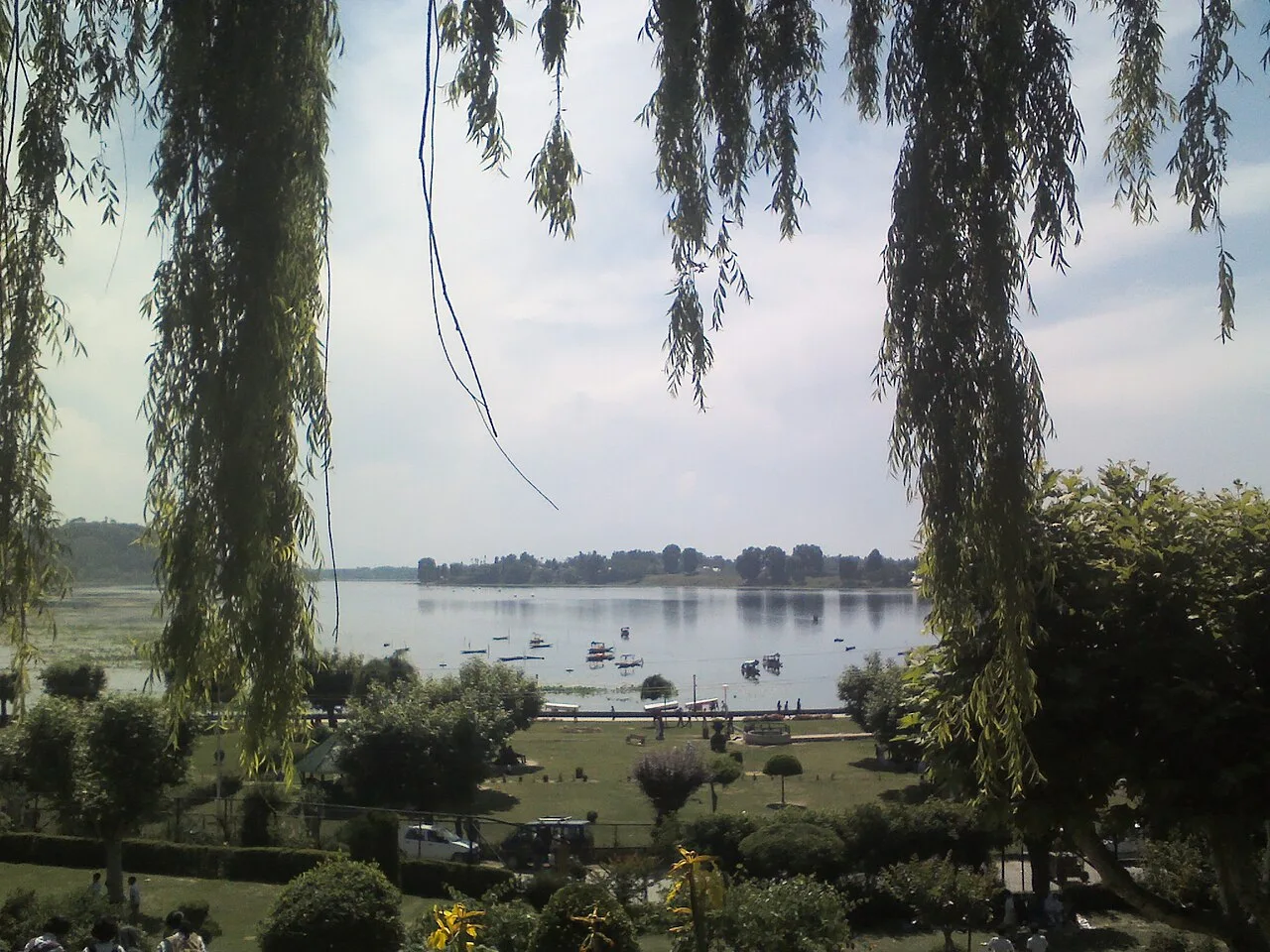
Manasbal Lake is a freshwater lake in Safapora, Ganderbal district, recognised as Kashmir’s deepest. Visitors come for its lotus flowers, the Mughal garden Jaroka Bagh and birdwatching.

Bangus Valley

32 km away · Kupwara district

Bangus Valley

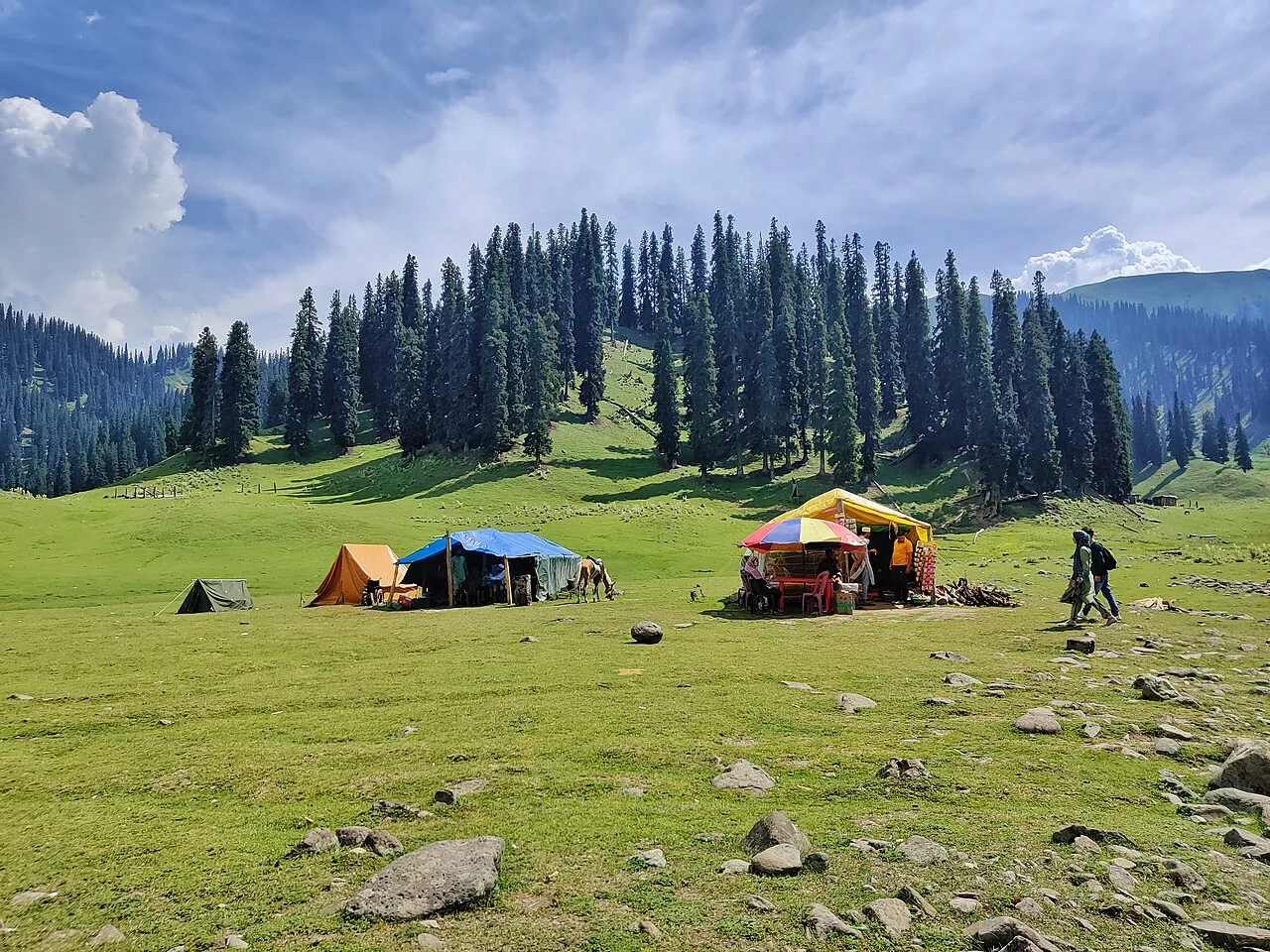
Also known as Bungus Valley, Bangus is a valley in Kupwara district, Jammu and Kashmir. Visitors come for its mountain scenery, woodland and clear streams.

Lolab Valley

33 km away · Kupwara district

Lolab Valley

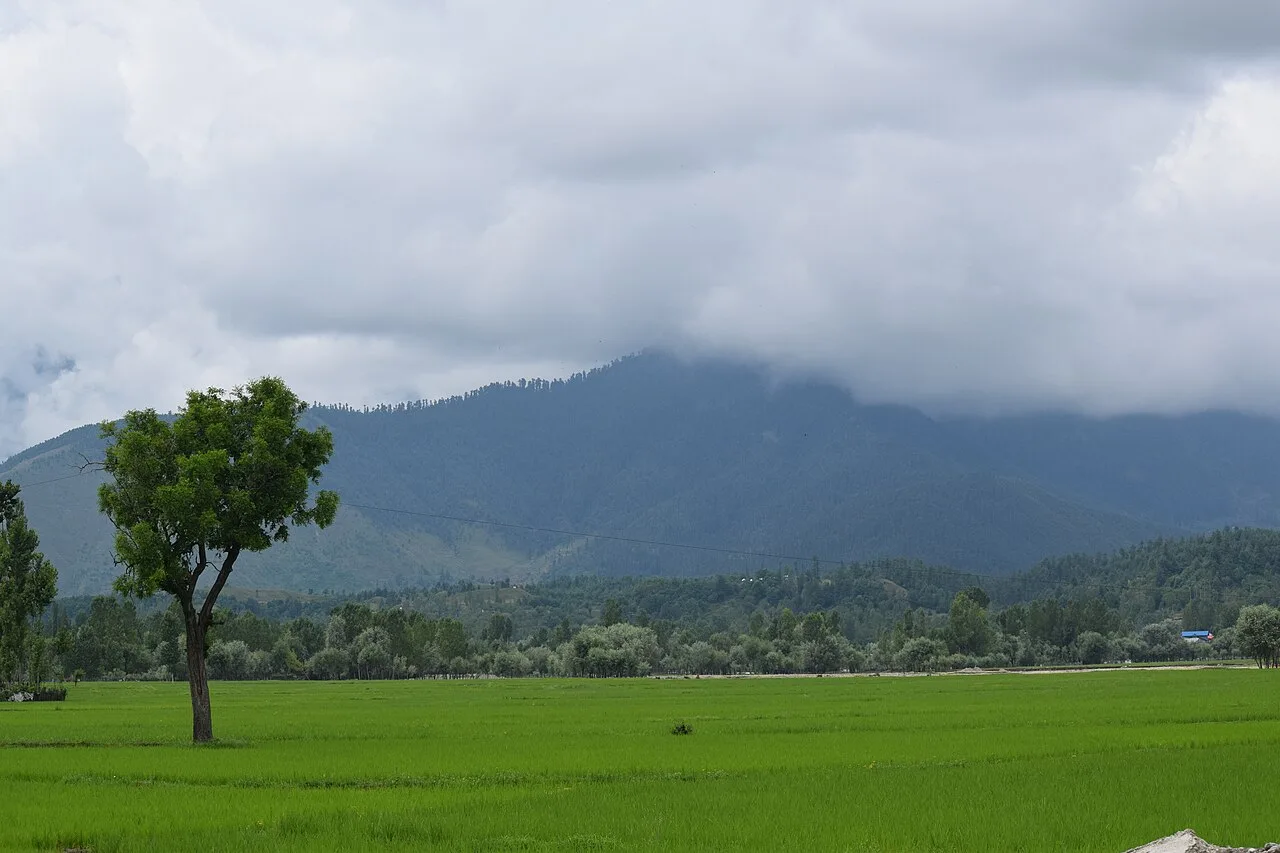
Lolab is a Himalayan valley in Kupwara district, valued for its green fields, forests and scenic landscape. Visitors come to enjoy nature and seek tranquillity.

Kheer Bhawani Temple

36 km away · Ganderbal district

Kheer Bhawani Temple

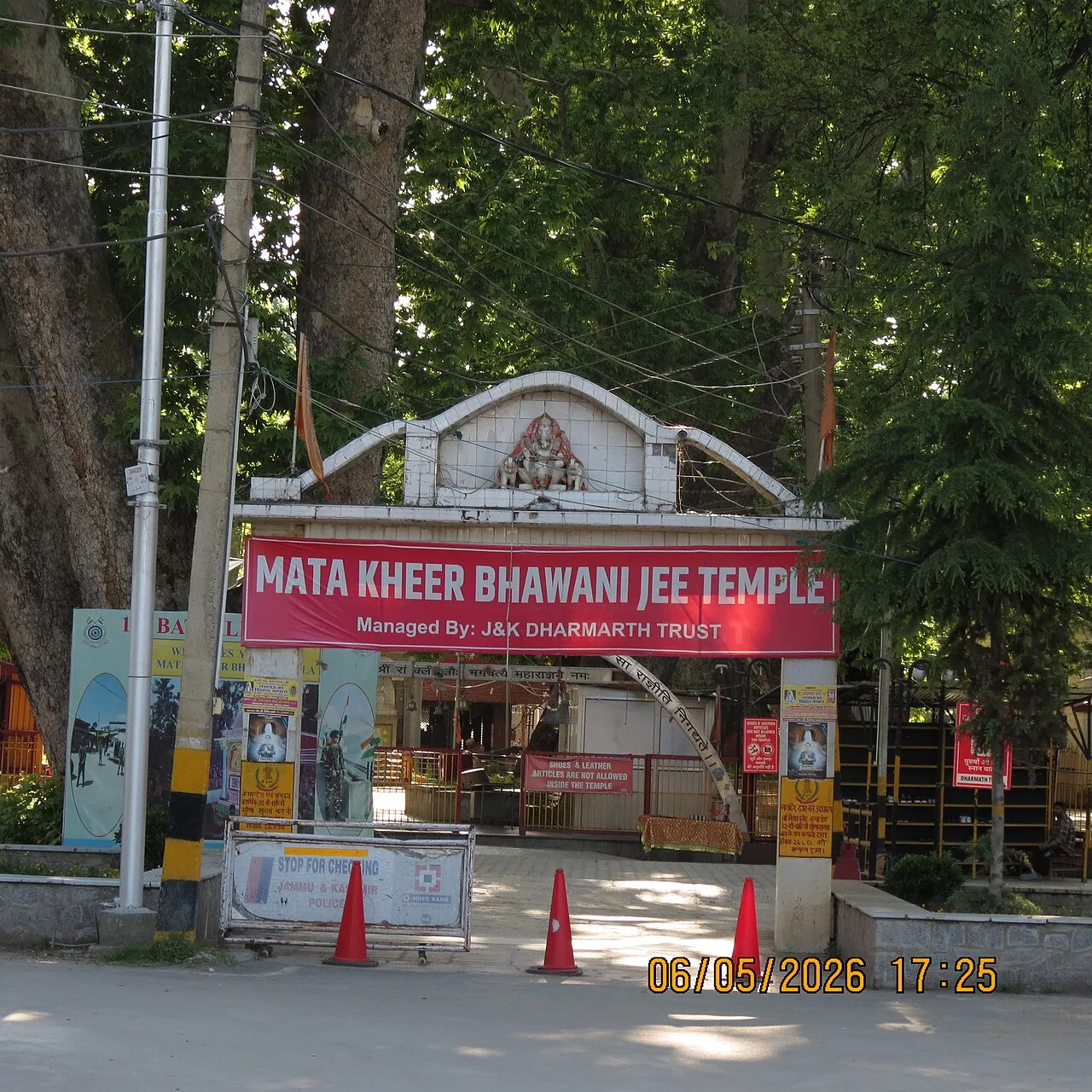
Kheer Bhawani Temple is a Hindu shrine in Tulmulla, revered for its goddess and sacred spring. Visitors come to worship and to attend the annual fair held in her honour.

Map

Baramulla on the map

  1. 1Gulmarg
  2. 2Tangmarg
  3. 3Gulmarg Gondola
  4. 4Wular Lake
  5. 5Manasbal Lake
  6. 6Bangus Valley
  7. 7Lolab Valley
  8. 8Kheer Bhawani Temple

Jammu and Kashmir

Other cities to explore