
Ghumoopedia — Explore, Discover, Experience
Sign in
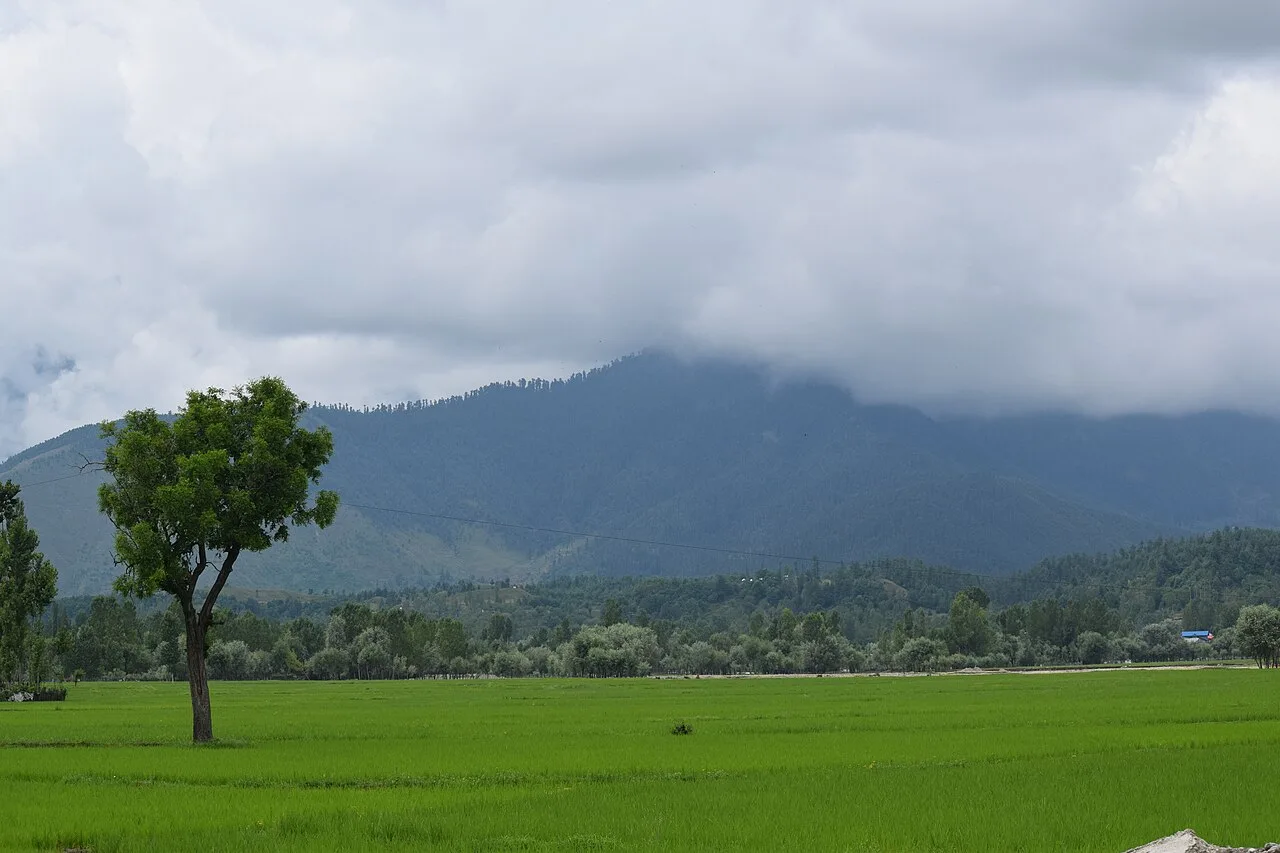
Lolab Valley, near Dever Inder Bug

City guide · Jammu and Kashmir

Dever Inder Bug

Dever Inder Bug is a small locality in Jammu and Kashmir, rather than a major city or established tourist centre. Its importance is chiefly local: it is part of the lived-in rural landscape of the Kashmir Valley, where settlement, farming and everyday community life are closely shaped by the seasons.

Famous for

  • Kashmiri village life
  • Kashmiri language and traditions
  • Seasonal valley scenery
In the city
1
District
Kupwara

Why Dever Inder Bug matters

Dever Inder Bug is a small locality in Jammu and Kashmir, rather than a major city or established tourist centre. Its importance is chiefly local: it is part of the lived-in rural landscape of the Kashmir Valley, where settlement, farming and everyday community life are closely shaped by the seasons.

Visitors drawn to this part of Kashmir can look for quiet countryside, views of the surrounding valley and opportunities to encounter local customs respectfully. The wider region is known for its scenery, Kashmiri food, crafts and layered history, though these should not all be treated as products or attractions specific to Dever Inder Bug. For travellers, the locality may be of interest as a village stop or a base for exploring nearby settlements, depending on road access and local arrangements. Confirm current access and services before setting out.

Famous for: crafts, trade & products

There is no widely established record of Dever Inder Bug as a centre for a particular textile, handicraft, GI-tagged product or industry. It is therefore more accurate not to attribute a distinctive local product to the settlement. Everyday needs are generally met through nearby local shops and markets; for a broader selection of goods, travellers can ask locally about the nearest larger market town rather than assume that specialist shopping is available in the village.

Across Kashmir, recognised craft traditions include handwoven carpets, papier-mâché, wood carving, embroidered textiles and shawls. These are regional traditions, not necessarily made or sold in Dever Inder Bug. Visitors seeking them are more likely to find established sellers in larger towns and Srinagar. The valley is also associated with apples, walnuts, saffron and other agricultural products, but availability varies by place and season, and none should be taken as a specific speciality of this locality without local confirmation. Buying directly from a maker or a reputable shop, and asking about the origin of an item, helps distinguish locally produced work from goods brought in from elsewhere.

History

A detailed, well-documented account of Dever Inder Bug’s own growth and historic landmarks is not widely available. Its history is best understood within the broader history of the Kashmir Valley, where settled communities developed around cultivation, water routes, local trade and changing political centres. The valley passed through several periods of rule, including the Sultanate, Mughal, Afghan and Sikh eras; the precise effects of those changes on this particular settlement are not clearly recorded.

The Dogra princely state was established in 1846, and Kashmir remained under Dogra rule until the political changes of 1947. Since then, administration, transport, education and access to public services across the region have changed over time, though development has varied between larger towns and small rural settlements. Dever Inder Bug should not be presented as a colonial-era city or a major historic capital. Its significance is more modest and local: continuity of village life within the wider cultural and political story of Kashmir.

Food, festivals & culture

The locality shares the broader cultural setting of the Kashmir Valley. Kashmiri is widely used in everyday life in the region, while Urdu is important in public settings; Hindi and English may also be understood, especially in dealings with visitors. Food commonly associated with Kashmir includes rice, haakh (leafy greens), dishes made with lotus stem, and preparations served as part of wazwan. These are regional examples, not claims about a special Dever Inder Bug cuisine. What is cooked at home varies with household traditions, season and availability.

Eid al-Fitr and Eid al-Adha are observed by Muslim communities according to the lunar calendar, so their dates shift each year. Kashmiri Pandit households mark Herath, usually in late winter, and seasonal events such as Baisakhi are observed in parts of the wider region. Religious life and local customs differ among communities. Mosques and other places of worship serve residents, but visitors should ask locally about access and appropriate conduct. Music, devotional singing and regional performance traditions are part of Kashmir’s wider cultural life; no particular dance or annual festival is uniquely documented for this settlement.

Visiting the city

Late spring through early autumn is generally comfortable for travelling in the Kashmir Valley; winter can bring cold conditions and occasional disruption. Srinagar International Airport is the main air gateway for the region. Sopore railway station is a practical rail connection for this part of north Kashmir, though the most convenient station depends on the exact location and road route. Check current transport and access conditions before travelling.

Local roads and hired vehicles are the most useful ways to reach small settlements, while walking can suit short trips within the locality. Public transport options may be limited, so arrange onward travel in advance. Explore the village itself and nearby countryside at a respectful pace, asking residents before photographing people or entering private land.

Attractions

Places to visit in Dever Inder Bug

Sights within about 12 km of each other, even when they fall in different districts.

Map

Dever Inder Bug on the map

  1. 1Lolab Valley

Jammu and Kashmir

Other cities to explore