
Ghumoopedia — Explore, Discover, Experience
Sign in
Patnitop, near Patnitop

City guide · Jammu and Kashmir

Patnitop

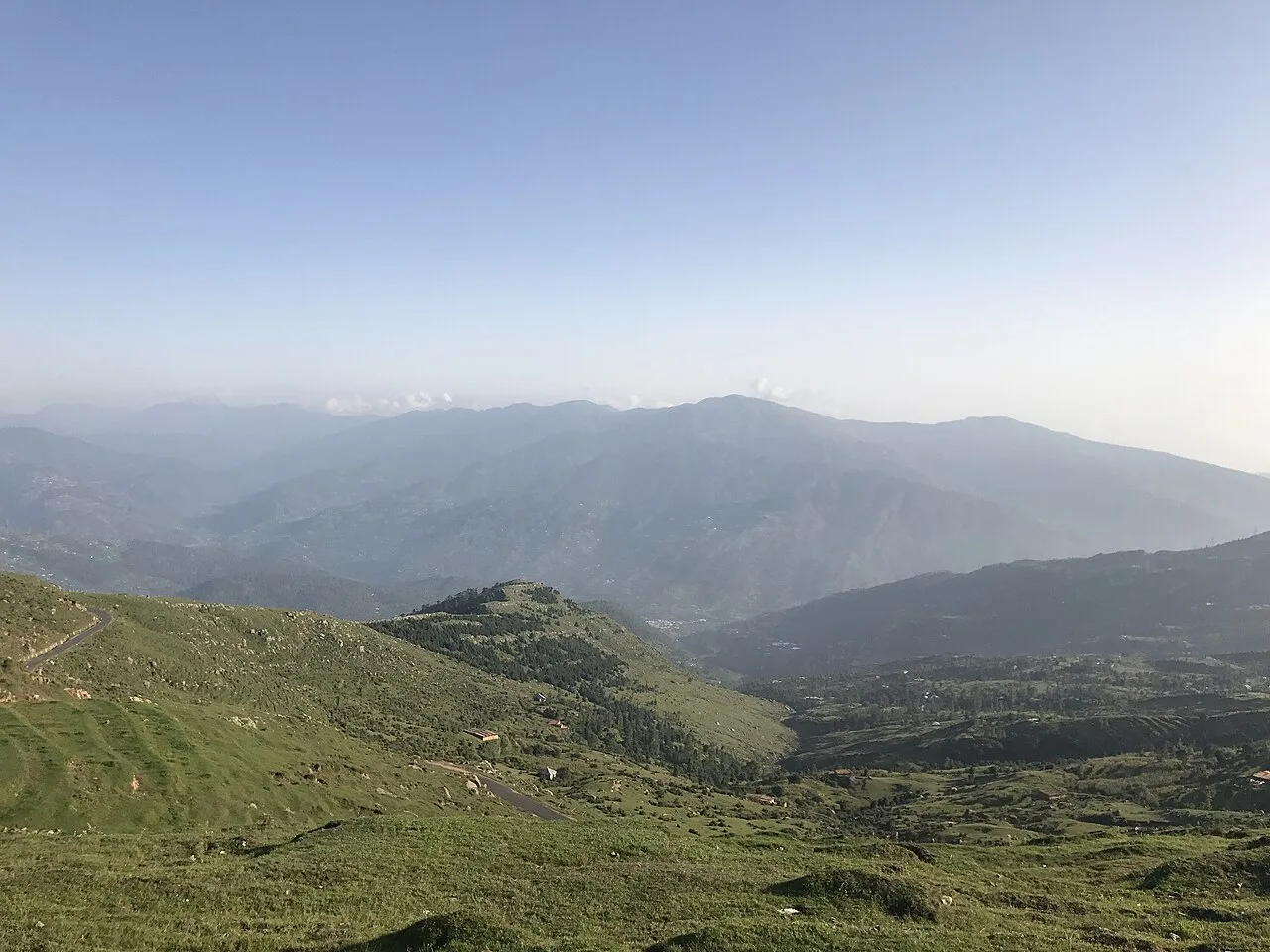
Patnitop is a small hill station in Jammu and Kashmir’s Udhampur district, set in the lower Himalayas at about 2,024 metres. Its mountain meadows, forested slopes and seasonal snow make it a popular retreat from the warmer plains of Jammu.

Famous for

  • Himalayan hill scenery
  • Winter snowfall
  • Skyview Patnitop ropeway
  • Naag Temple
  • Chenani–Nashri Tunnel
In the city
2
District
Udhampur

Why Patnitop matters

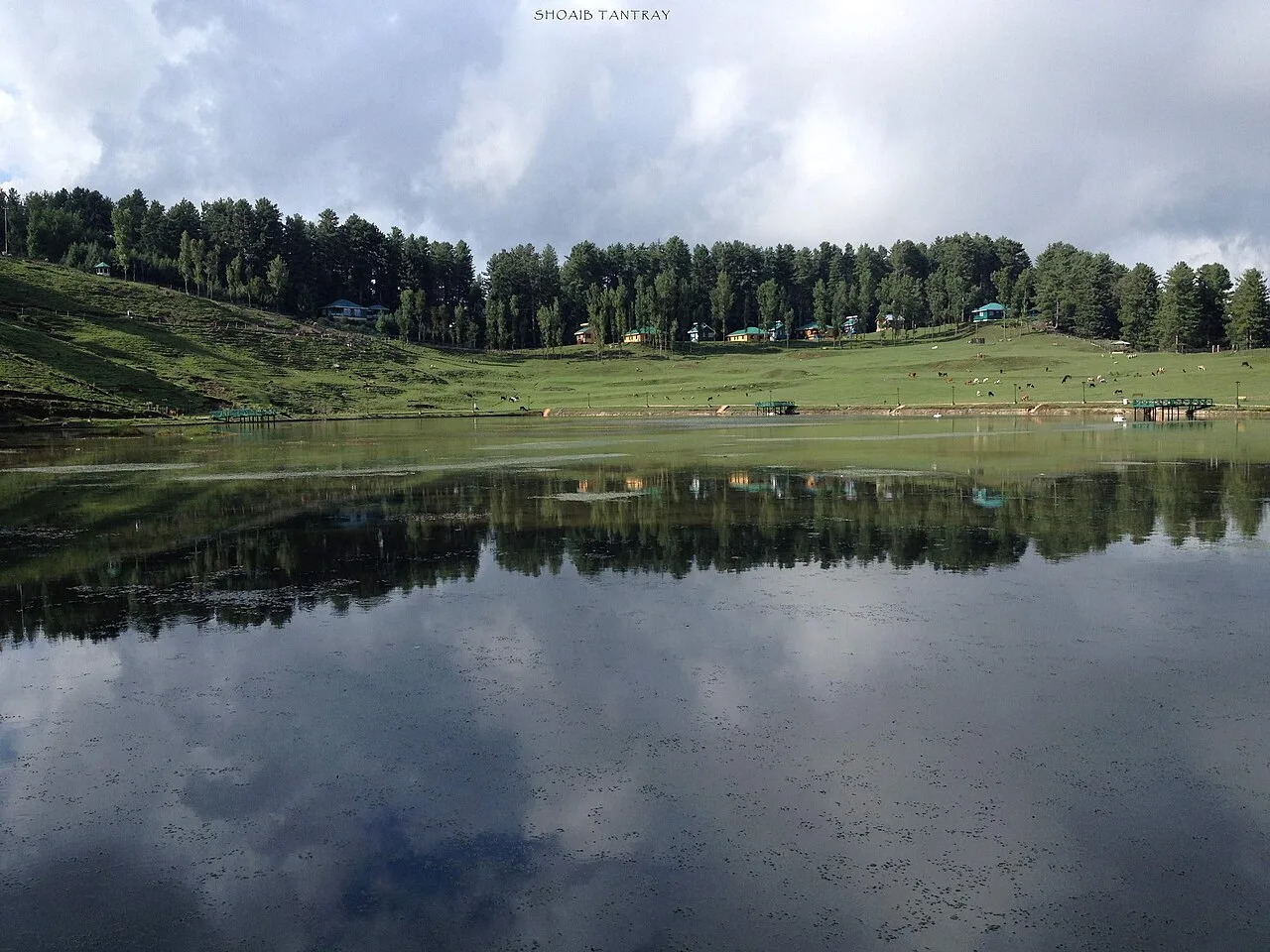
Patnitop is a small hill station in Jammu and Kashmir’s Udhampur district, set in the lower Himalayas at about 2,024 metres. Its mountain meadows, forested slopes and seasonal snow make it a popular retreat from the warmer plains of Jammu. The Chenab flows nearby, and the surrounding landscape offers viewpoints, walks and opportunities for outdoor activities.

The town lies on the Jammu–Srinagar highway, although the 9.2-kilometre Dr. Syama Prasad Mookerjee Tunnel now carries through traffic beneath the Patnitop area. Visitors still come for the hill station itself, as well as the Skyview Patnitop ropeway, which links Sanget with Patnitop and offers elevated views of the terrain. Nearby stops such as Nathatop and Sanasar broaden the appeal for day trips. Patnitop is best understood as a leisure and mountain stop rather than a large commercial centre: its importance comes from tourism, its position on a major regional route and its easy access to highland scenery.
Famous for: crafts, trade & products

Patnitop is known more for its landscape and visitor activities than for a signature textile, craft or manufactured product. It is not a major centre for large-scale trade, and no distinct GI-tagged product is closely identified with the hill station. Small shops and seasonal stalls around the main visitor areas cater to travellers with snacks, souvenirs and practical items such as warm clothing, especially in colder months.

For a taste of the wider region, visitors may come across Jammu-style foods and locally sold produce, but these are not exclusive to Patnitop. Travellers seeking a broader selection of Jammu and Kashmir handicrafts, textiles or regional specialities will generally find more choice in Jammu city markets. Basohli paintings and Dogra-style crafts are associated with the wider Jammu region, rather than being particular Patnitop products. In Patnitop, the most distinctive “purchase” is often an experience: a ropeway ride, a forest walk or time among the meadows. Treat roadside goods as a small, changing selection rather than a dedicated craft bazaar.

History

Patnitop’s growth has been shaped chiefly by its mountain setting and its position along the route connecting Jammu with the Kashmir Valley. It lies in the Udhampur region, an area historically associated with the Dogra-ruled princely state of Jammu and Kashmir. Patnitop itself is better known as a hill station than as a historic capital or major seat of rule, and its development has largely followed the growth of road travel and tourism.

The Jammu–Srinagar highway brought travellers through the area and helped establish Patnitop as a place to pause, stay and enjoy the cooler climate. Snowfall and avalanches could disrupt the old road journey in winter. The opening of the Dr. Syama Prasad Mookerjee Tunnel provided an all-weather route that bypasses Patnitop and shortens the Jammu–Srinagar journey, changing the flow of through traffic while leaving the hill station accessible to visitors. More recent tourism development includes the Skyview Patnitop ropeway, which connects the area with Sanget and adds a new attraction to its established mountain setting.

Food, festivals & culture

Food in Patnitop reflects the wider Jammu region rather than a separate hill-station cuisine. Visitors can look for hearty rajma with rice, seasonal local dishes and familiar Jammu sweets such as patisa; menus vary between hotels, roadside eateries and seasons. Dogri is an important regional language, while Hindi, Urdu and English are also commonly useful to visitors. The town’s cultural character is shaped by its mix of local residents, pilgrims and holidaymakers.

The Naag Temple is among Patnitop’s notable places of worship and a point of interest for both visitors and devotees. Hindu festivals observed across the region include Lohri in midwinter, Baisakhi in spring and Navratri, which falls in spring and autumn. Celebrations and devotional visits may be more visible around temples and during holiday periods. Dogri folk music and dance belong to the wider Jammu cultural landscape, though performances are not a guaranteed daily feature in this small resort town. Seasonal fairs or events can vary, so visitors should check locally if attending a particular celebration is important to their plans.

Visiting the city

Spring through early summer and autumn are pleasant periods for walks and clear mountain views. Winter brings the possibility of snow but can also mean cold weather and changing road conditions; check local travel updates before setting out. The nearest airport is Jammu Airport, also called Satwari Airport. Udhampur railway station is the closest main rail station, while Jammu Tawi is a larger rail gateway for the region.

Patnitop is reached by road from Jammu via Udhampur and Chenani; buses and taxis serve the highway corridor, with local taxis useful for nearby sights. The tunnel bypasses the hill station, so travellers should follow the route for Patnitop rather than continue through the tunnel. Explore the main meadow and market area, visit Naag Temple, and take the Skyview ropeway from Sanget. Nathatop and Sanasar make appealing excursions when road and weather conditions allow.

Attractions

Places to visit in Patnitop

Sights within about 12 km of each other, even when they fall in different districts.

Map

Patnitop on the map

  1. 1Patnitop
  2. 2Sanasar

Jammu and Kashmir

Other cities to explore