
Ghumoopedia — Explore, Discover, Experience
Sign in
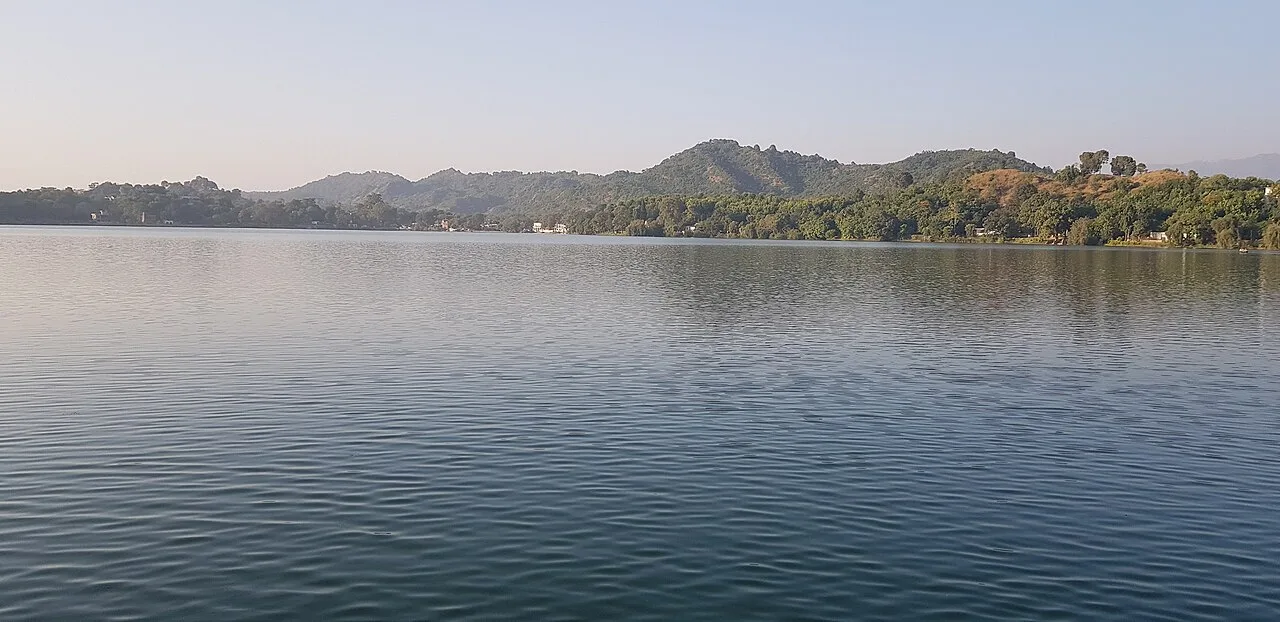
Mansar Lake, near Samba

City guide · Jammu and Kashmir

Samba

Samba is the administrative centre of Samba district in Jammu and Kashmir, set among the Shivalik foothills about 40 kilometres from Jammu. Its position beside the Basantar River and on the main road corridor linking Jammu with the rest of the region has made it an important local centre for administration, transport and trade.

Famous for

  • Chichi Mata shrine
  • Historic Samba Fort
  • Basantar River setting
  • Dogra cultural traditions
  • Regional industrial activity
In the city
0
Nearby
2
Districts
Samba, Jammu
Plan a trip

Why Samba matters

Samba is the administrative centre of Samba district in Jammu and Kashmir, set among the Shivalik foothills about 40 kilometres from Jammu. Its position beside the Basantar River and on the main road corridor linking Jammu with the rest of the region has made it an important local centre for administration, transport and trade. The town also has its own railway station.

Visitors come for its historic character and nearby places of worship, especially Chichi Mata Temple, as well as for a glimpse of Dogra life beyond Jammu city. Samba Fort and the older parts of town offer a sense of its past as a small principality. The wider district has rural landscapes and religious destinations, while industrial estates contribute to the area’s present-day economy. Samba is not a large resort or craft-shopping destination; it works well as a short cultural stop or as a base for exploring nearby parts of the Jammu region.

Famous for: crafts, trade & products

Samba is better known for its administrative role, regional trade and manufacturing activity than for a signature textile or handicraft. Industrial estates in the district support a range of manufacturing and processing businesses, and the town’s markets serve residents and surrounding communities. Local shops and the bazaar are the practical places to look for everyday goods, food and locally used household items.

Dogra food products, including kaladi—a regional cheese—may be found through local food shops and markets, though availability varies. Samba is not widely associated with a distinct saree tradition or a locally originated GI-tagged product, so visitors should not expect a dedicated craft market or a particular city-made souvenir. For traditional religious offerings and devotional items, shops near temples are more relevant than general markets. The broader Jammu region has varied craft traditions, but these should not automatically be attributed to Samba itself.

History

Samba developed as the centre of a small Dogra principality, and its older fort and settlement reflect that period. It later came under the authority of the Dogra rulers of Jammu and Kashmir. During British rule, the region was part of the princely state rather than a directly administered British province; political and commercial links with Jammu shaped its wider history.

After the 1947 partition and the changes that followed, Samba remained part of Jammu and Kashmir. Its modern importance grew through road and rail connections, government services and the expansion of industry in the surrounding area. Samba became the headquarters of its own district, giving the town a stronger administrative role. Today, traces of its princely past sit alongside the institutions, transport links and businesses that serve the district.

Food, festivals & culture

Samba shares the Dogra cultural traditions of the Jammu region. Dogri is widely associated with local life, alongside Hindi, Urdu and Punjabi. Home cooking commonly draws on regional staples such as rajma, lentils, rice and breads; dishes such as kaladi are also part of the broader Jammu food tradition. Sweets and snacks are available in local markets, though Samba is not especially known for one signature confection.

Navratri, observed in spring and autumn, brings devotees to local shrines, including Chichi Mata Temple. Lohri in midwinter and Baisakhi in spring are also celebrated in the region. Religious life centres on Hindu temples, while the wider district includes other pilgrimage sites. Dogri folk music and dance forms such as Kud belong to the cultural landscape of Jammu, and may feature at community celebrations and seasonal events. Customs and festivities can vary between the town and nearby villages.

Visiting the city

Spring and autumn are generally comfortable seasons for visiting; summers can be hot, and monsoon weather may affect road journeys. Jammu Airport, also known as Satwari Airport, is the nearest airport. Samba Railway Station serves the town, while Jammu Tawi is another major rail hub for the region.

Within Samba, local taxis, auto-rickshaws and buses are useful for short trips; transport options may be limited outside the main town. Explore the older settlement and Samba Fort, visit Chichi Mata Temple, and browse the central bazaar for everyday food and shopping. The Basantar River shapes the local landscape, but access to particular river areas can vary, so check locally before setting out. Purmandal and other district destinations can be considered for longer excursions.

Short trips

Around Samba

Within about 40 km — easy half-day or day trips from the city.

Map

Samba on the map

  1. 1Mansar Lake
  2. 2Surinsar Lake

Jammu and Kashmir

Other cities to explore