
Ghumoopedia — Explore, Discover, Experience
Sign in
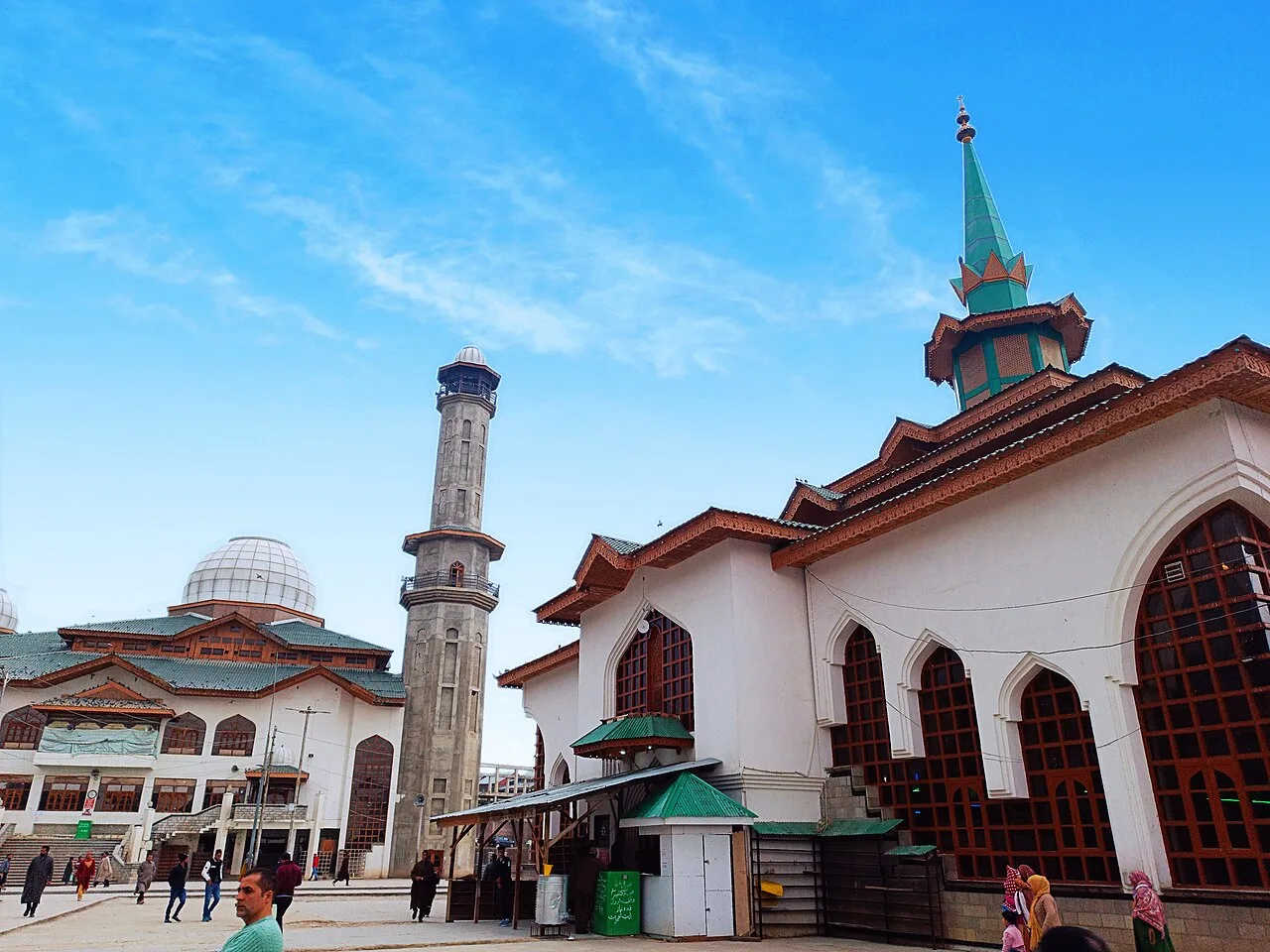
Charar-e-Sharief shrine, near Charari Sharief

City guide · Jammu and Kashmir

Charari Sharief

Charari Sharief, also called Charar-i-Sharief or Tsrar-i-Sharif, is a town in Budgam district, in the Kashmir Valley. Its defining landmark is the shrine of Sheikh Noor-ud-din Noorani, the revered Kashmiri Sufi saint also known as Nund Rishi.

Famous for

  • Shrine of Sheikh Noor-ud-din Wali
  • Kashmir's Rishi-Sufi tradition
  • Charar-i-Sharief Urs
  • Kashmiri mountain-town setting
In the city
1
Nearby
1
District
Budgam

Why Charari Sharief matters

Charari Sharief, also called Charar-i-Sharief or Tsrar-i-Sharif, is a town in Budgam district, in the Kashmir Valley. Its defining landmark is the shrine of Sheikh Noor-ud-din Noorani, the revered Kashmiri Sufi saint also known as Nund Rishi. The shrine makes the town an important destination for pilgrims and a focal point of Kashmir’s Rishi-Sufi heritage. Visitors come to pay their respects, experience the shrine’s devotional atmosphere and explore a small town set amid the valley’s mountain landscape.

Charari Sharief is also a local administrative centre, with a block and a notified area committee divided into wards. Its importance is less that of a large commercial city than that of a regional religious and community hub. The shrine and its annual observances shape the town’s public life, while neighbourhoods and local markets serve residents from the surrounding area. At about 1,933 metres above sea level, it offers a quieter, more locally rooted complement to visits to Srinagar and other better-known parts of Kashmir.
Famous for: crafts, trade & products

Charari Sharief is best known for its religious heritage, not for a signature textile, craft or industrial product. There is no widely recognised town-specific GI product or major manufacturing industry associated with it. The shrine of Sheikh Noor-ud-din Noorani is the town’s principal institution and draws visitors throughout the year, particularly during devotional gatherings.

Small local shops and market streets cater mainly to everyday needs; visitors may find ordinary food, household goods and locally used items rather than a specialised craft bazaar. Kashmir’s celebrated products—including pashmina and other woollen textiles, papier-mâché, walnut-wood carving and saffron—belong to the wider regional economy, but should not be presented as products made specifically in Charari Sharief. Travellers hoping to browse a broad selection of established Kashmiri handicrafts or textiles will generally find more choice in Srinagar’s larger markets. In town, exploring the neighbourhood shops around the central streets can offer a glimpse of daily commerce, while the shrine remains the main destination for most visitors.

History

Charari Sharief’s history is closely tied to Sheikh Noor-ud-din Noorani, a revered Kashmiri spiritual teacher whose legacy helped make the settlement a major centre of the region’s Rishi-Sufi tradition. The shrine developed as a place of pilgrimage and communal devotion, giving the town significance beyond its size. Its religious role has remained central through successive periods of Kashmir’s history.

During the Dogra era, Kashmir was a princely state under British paramountcy rather than a directly governed British province. In modern times, Charari Sharief became part of Budgam district’s administrative network and serves as a local centre for nearby communities. The town received block status in 2014 and is administered through a notified area committee with ten wards. Its most painful recent chapter came in 1995, when the historic shrine was destroyed by fire amid the conflict in Kashmir. The shrine was subsequently rebuilt, restoring the town’s foremost place of worship and pilgrimage.

Food, festivals & culture

Religious life centres on the shrine of Sheikh Noor-ud-din Noorani, where visitors come for prayer and reflection. The saint’s Urs, an annual observance marking his death, is the town’s most closely associated religious gathering; its date follows the Islamic lunar calendar. Eid al-Fitr and Eid al-Adha are also observed, with dates shifting each year. Mosques and neighbourhood gatherings are part of everyday community life.

Kashmiri is widely spoken locally, while Urdu and Hindi are also used. Food reflects the wider valley’s cuisine: rice is a staple, often served with dishes such as haak (leafy greens), nadru (lotus stem) and meat preparations. Kahwa, a spiced green tea, is commonly associated with Kashmiri hospitality. There is no single performance tradition unique to the town, but devotional singing and recitation are part of the region’s Sufi culture. Rouf, a Kashmiri group dance, is performed at celebrations in the valley, particularly around festive occasions.

Visiting the city

Spring and autumn are generally pleasant seasons for a visit, with milder conditions for walking around town. Winter can be cold, so check local weather and road conditions before travelling. The nearest airport is Srinagar International Airport. Budgam railway station is the main rail connection for the area; onward travel to Charari Sharief is by road. Shared taxis, private taxis and local buses operate on routes linking the town with nearby settlements and Srinagar, though services may vary.

The shrine is the primary place to visit. Allow time to walk through local neighbourhoods such as Talab-e-Kalan, Trajibal and Nowhar, and browse the everyday shops near the central streets. Dress modestly at places of worship and follow local guidance on access and photography. Charari Sharief works well as a focused pilgrimage or cultural stop rather than as a base for a wide range of tourist facilities.

Attractions

Places to visit in Charari Sharief

Sights within about 12 km of each other, even when they fall in different districts.

Short trips

Around Charari Sharief

Within about 40 km — easy half-day or day trips from the city.

Map

Charari Sharief on the map

  1. 1Charar-e-Sharief shrine
  2. 2Doodhpathri

Jammu and Kashmir

Other cities to explore