Ghumoopedia — Explore, Discover, Experience
Sign in
Martand Sun Temple, near Bijbehara

City guide · Jammu and Kashmir

Bijbehara

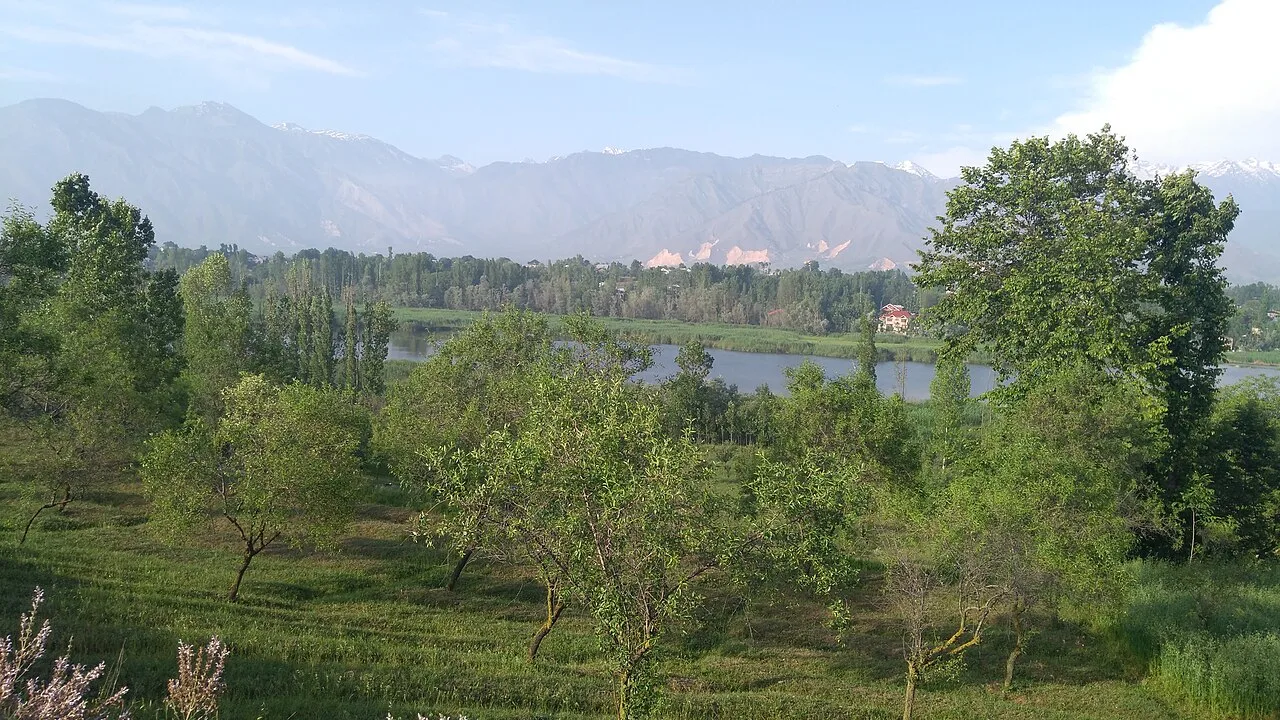
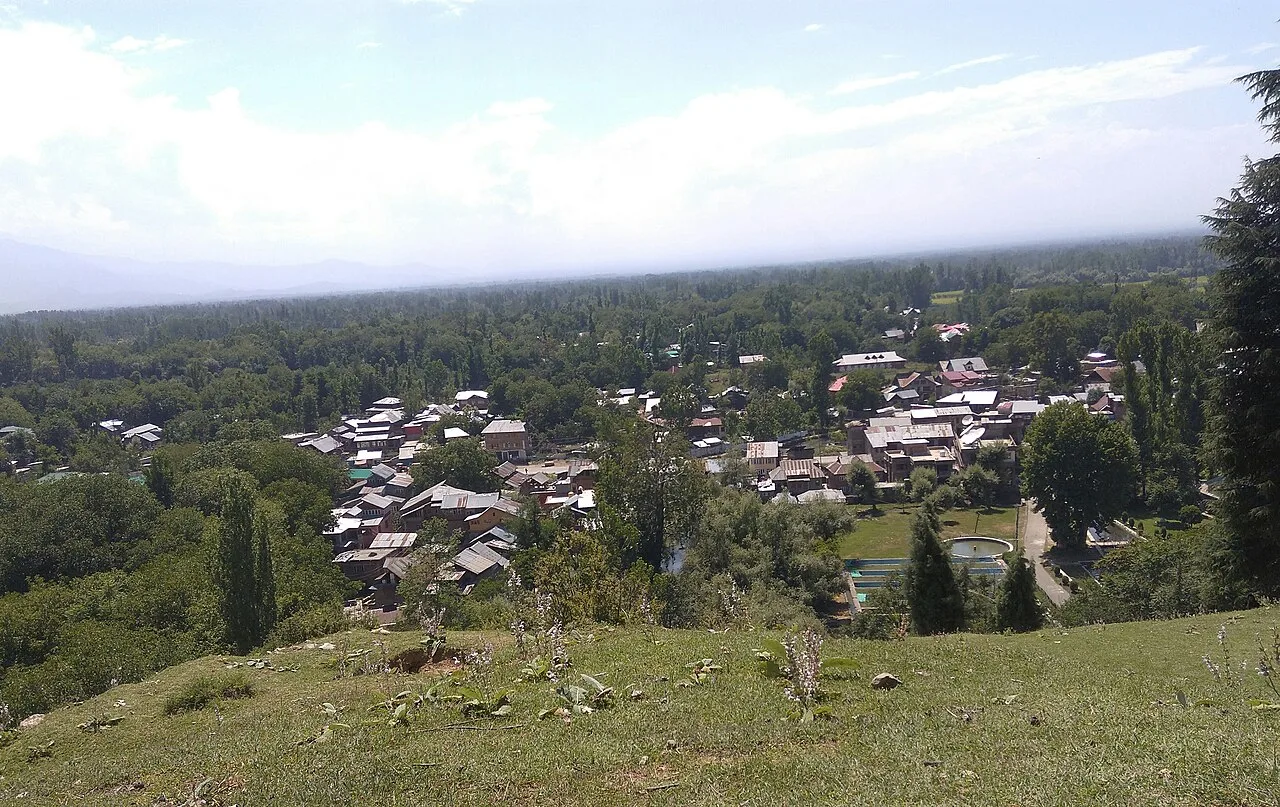
Bijbehara, also known in Kashmiri as Vejibror, is a town in Anantnag district, set beside the Jhelum River in the Kashmir Valley. Its position on NH 44 connects it with Anantnag and other towns along the valley’s principal road corridor, giving it a practical role in local travel and commerce.

Famous for

  • Dara Shikoh Garden
  • Jhelum riverbank
  • Kashmiri chinar trees
  • NH 44 location

Why Bijbehara matters

Bijbehara, also known in Kashmiri as Vejibror, is a town in Anantnag district, set beside the Jhelum River in the Kashmir Valley. Its position on NH 44 connects it with Anantnag and other towns along the valley’s principal road corridor, giving it a practical role in local travel and commerce. The town is also known for Dara Shikoh Garden, a historic garden associated with the Mughal prince, which offers a quieter reason to pause here.

Bijbehara’s appeal is less about a long list of major monuments than about its riverside setting, Kashmiri town life and access to the surrounding countryside. Visitors can combine a garden visit with a walk through the central market area or a journey onward to other parts of Anantnag district. The Jhelum shapes the town’s landscape, while nearby orchards and cultivated land reflect the wider valley’s rural economy. For travellers moving through south Kashmir, Bijbehara is both a useful stop and a glimpse of everyday life beyond the larger tourist centres.
Famous for: crafts, trade & products

Bijbehara is not widely identified with a signature textile, handicraft, GI-tagged product or large manufacturing industry. Its importance is chiefly local: shops and market streets serve residents and travellers, while the wider Anantnag area is linked to horticulture and orchard produce. Seasonal fruit may be encountered through local trade, but the town is better approached as a place to observe regional commerce than as a dedicated shopping destination.

For everyday goods, visitors can browse the central market area. Kashmiri handicrafts and textiles are associated with the wider region and may be available through local retailers, but selection and provenance vary; specialist shopping is generally easier to plan in larger centres. Bijbehara’s clearest visitor draw is Dara Shikoh Garden rather than a particular craft quarter or product market. Travellers interested in Kashmir’s handicrafts can ask local shopkeepers about items made in the region and look for clear information about materials and origin. There is no single town-specific product that defines Bijbehara’s identity.

History

Bijbehara grew beside the Jhelum, whose banks have long shaped settlement, movement and livelihoods in the Kashmir Valley. Its position on a route through south Kashmir helped connect it with nearby towns and the wider region. The town’s best-known historic landmark is Dara Shikoh Garden, associated with the Mughal prince Dara Shikoh and the garden culture of the Mughal period. The garden gives Bijbehara a connection to the valley’s layered history, though the town’s story is also rooted in everyday riverine and agricultural life.

During the colonial era, Kashmir was governed as a princely state under British paramountcy, and Bijbehara remained part of the region’s network of towns rather than becoming a major colonial administrative centre. In modern times, road links—especially NH 44—and public services have strengthened its role within Anantnag district. Today it is a municipal town serving local residents and people travelling through the area.

Food, festivals & culture

Kashmiri is the principal language of everyday life in Bijbehara; Urdu and Hindi are also used in public settings and by visitors. Food traditions reflect the wider valley. Meals may include rice, seasonal vegetables and meat dishes, while wazwan preparations are associated with special gatherings. Kahwa and the salted, pink-toned noon chai are familiar drinks. Harissa is a winter-season Kashmiri speciality, and local bakeries commonly supply breads such as girda.

Eid al-Fitr and Eid al-Adha are important occasions for Muslim families, with dates shifting each year according to the lunar calendar. Ramadan brings a distinctive evening rhythm, while Navroz is observed by some Kashmiris around the beginning of spring. Family gatherings, visiting and shared meals are central to festive life. Mosques and local shrines serve as important places of worship and community gathering; visitors should dress respectfully and follow local guidance. Kashmiri folk music and poetry belong to the region’s cultural life, though performances are not necessarily scheduled as tourist events in Bijbehara.

Visiting the city

Spring through early autumn is generally comfortable for visiting, with pleasant conditions for the garden and riverside. Winter can be cold, so warm clothing is useful. The nearest airport with regular regional connections is Srinagar International Airport. Bijbehara railway station serves the town on the Kashmir Valley rail line; Anantnag is another nearby rail stop and a useful regional centre.

NH 44 is the main road approach. Local taxis and shared transport can help with short journeys, while the central area is manageable on foot. Allow time for Dara Shikoh Garden and the Jhelum-side setting, then explore the central market streets for a sense of daily town life. Bijbehara also works as a stop on journeys through Anantnag district; check current road and rail conditions before setting out.

Trips from the city

Nearest places to visit from Bijbehara

Our closest destination guides, by straight-line distance.

Martand Sun Temple

12 km away · Anantnag district

Martand Sun Temple

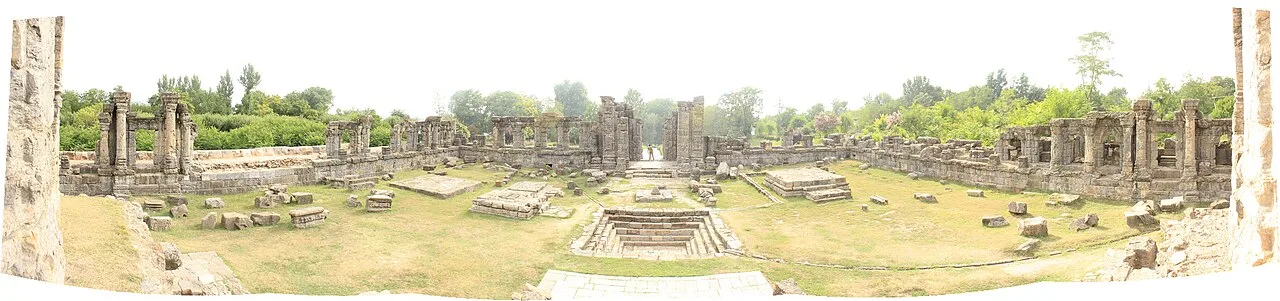
Martand Sun Temple is an eighth-century Hindu shrine in Mattan, Anantnag district, Jammu and Kashmir. Visitors come to see the site linked to Surya, the Hindu sun deity, and learn about its history.

Achabal

17 km away · Anantnag district

Achabal

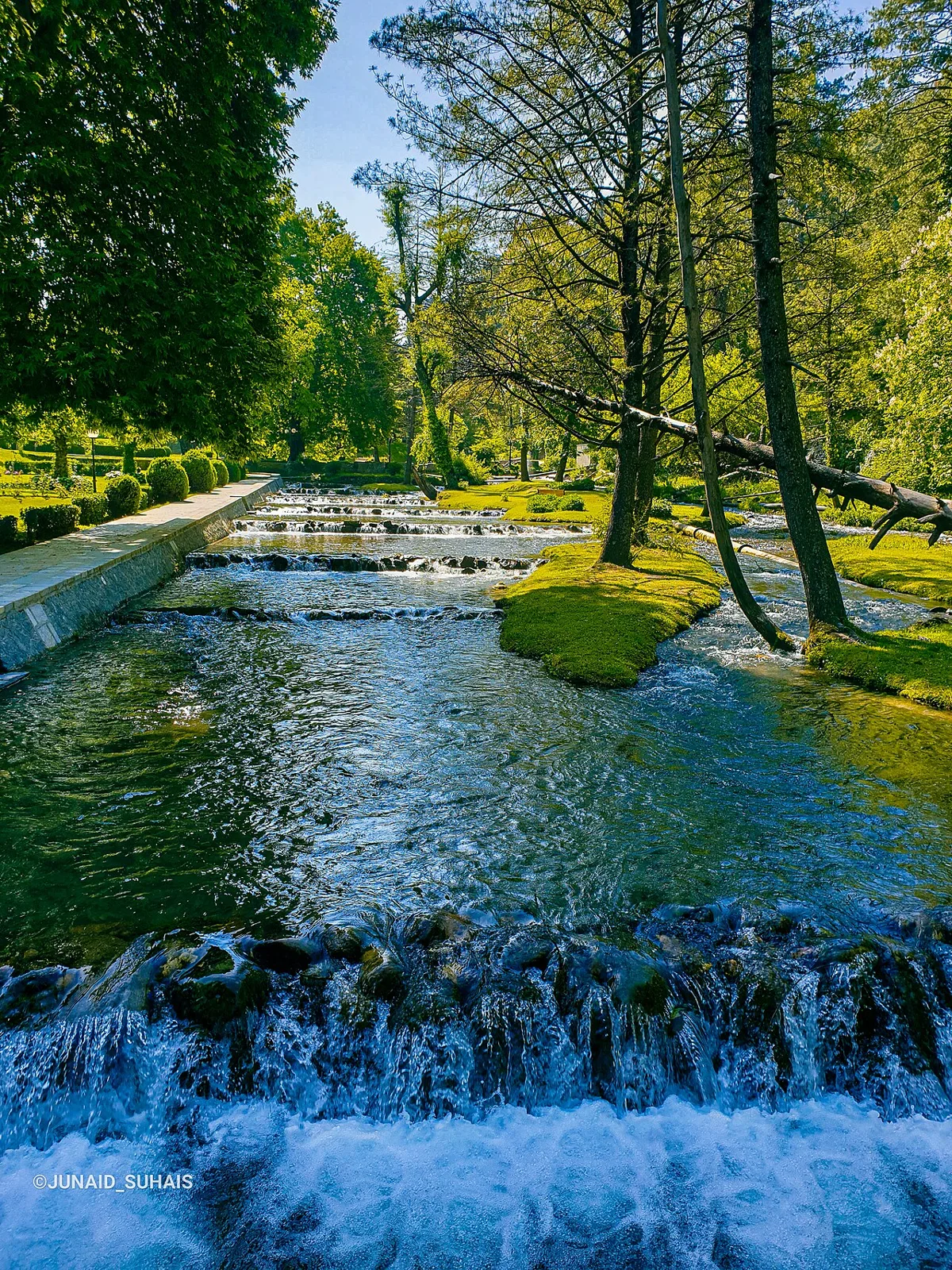
Achabal is a town in Anantnag district, known for its Mughal garden, ancient spring and terraced design. Visitors can also see Mughal-era features and a nearby trout hatchery.

Avantiswami Temple

17 km away · Pulwama district

Avantiswami Temple

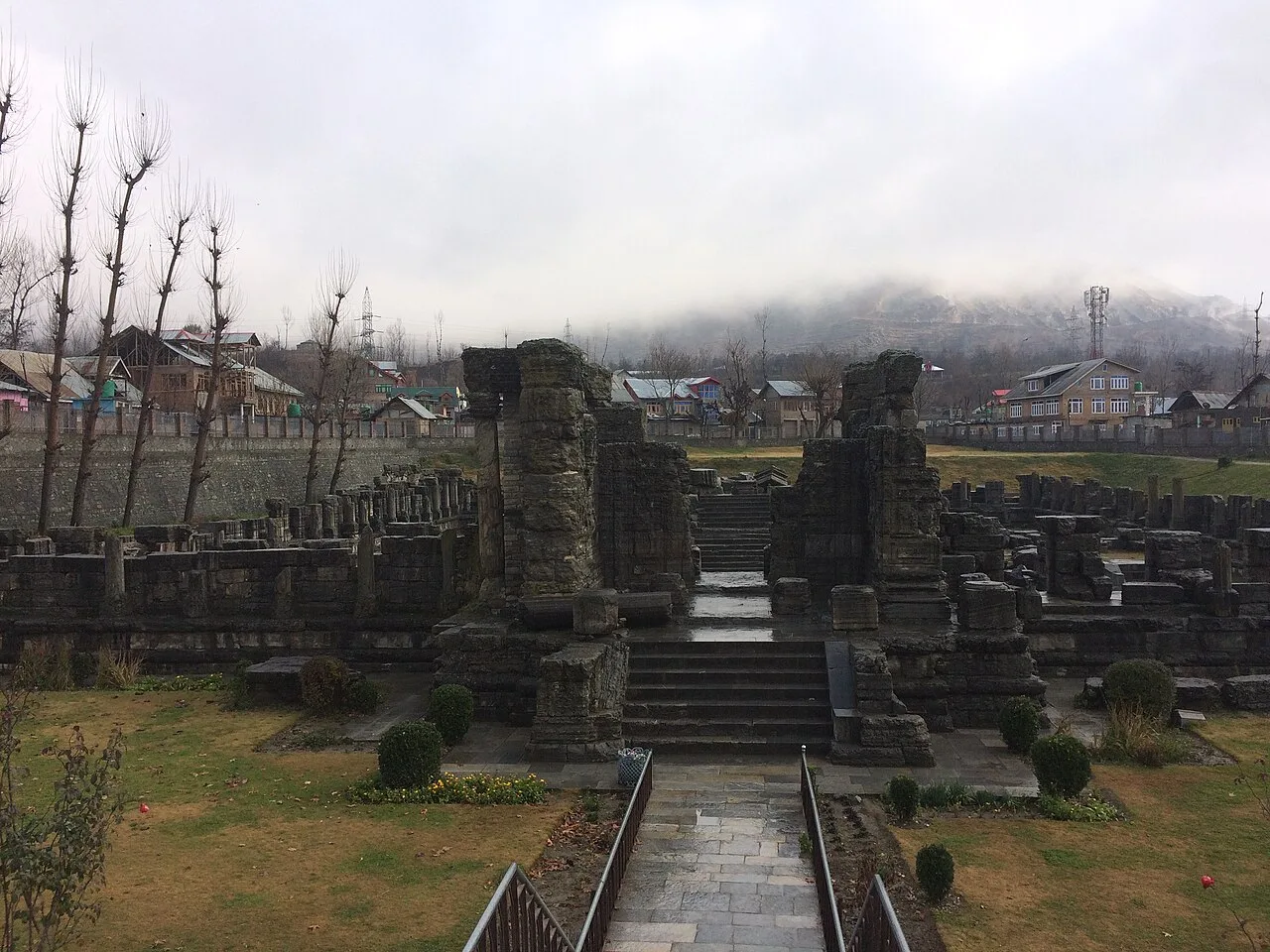
At Awantipora in Pulwama district, Avantiswami is a ruined Hindu temple complex beside the Jhelum. Visitors come to see its two shrines, dedicated to Shiva and Vishnu, dating to Avantivarman’s ninth-century rule.

Yusmarg

18 km away · Budgam district

Yusmarg

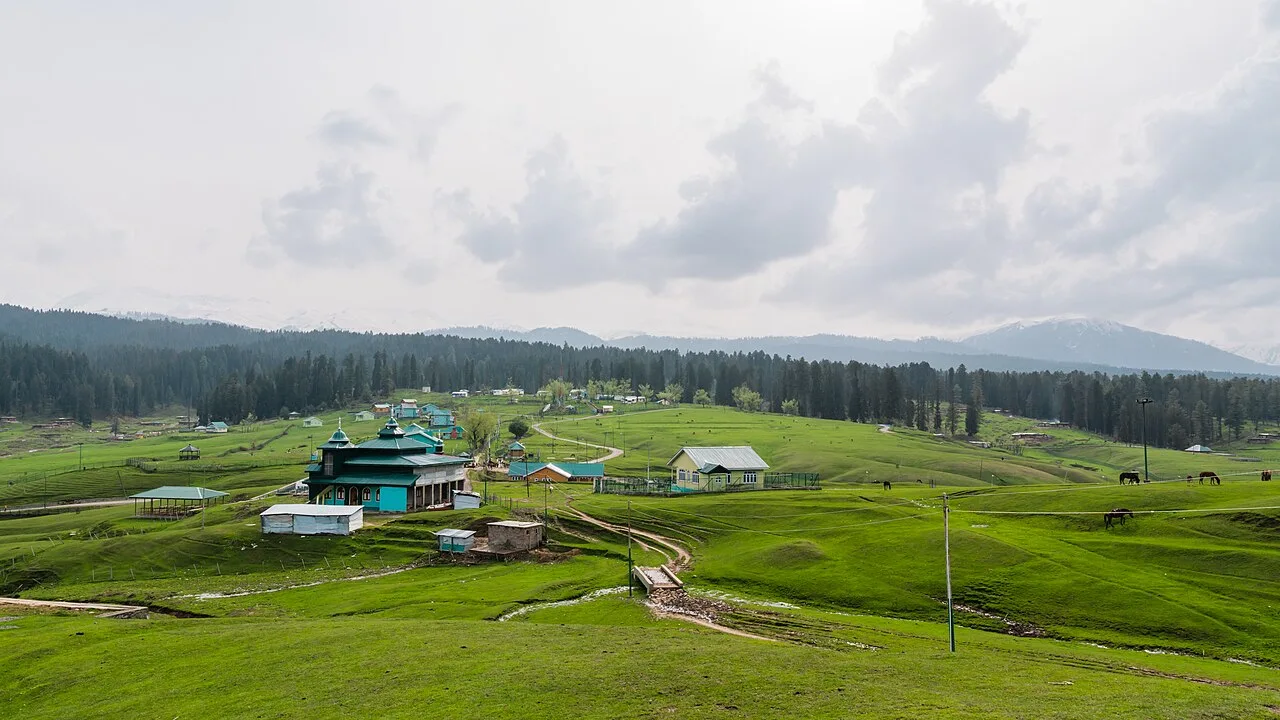
Yusmarg, also known as Yousmarg, is a hill station in Budgam district, Jammu and Kashmir. Visitors come to spend time in its hill-station setting.

Pahalgam

25 km away · Anantnag district

Pahalgam

Pahalgam, also called Pahalgom, is a town in Anantnag district, Jammu and Kashmir. Visitors come for its hill-station setting and as the starting point for the Amarnath Temple pilgrimage.

Kokernag

30 km away · Anantnag district

Kokernag

Kokernag is a town and sub-district in Anantnag district’s Breng Valley, known for its botanical gardens, freshwater springs and rainbow trout farm.

Pampore

30 km away · Pulwama district

Pampore

Pampore is a historic town in Pulwama district, Jammu and Kashmir, best known for saffron and its identity as Kashmir’s Saffron Town.

Verinag

30 km away · Anantnag district

Verinag

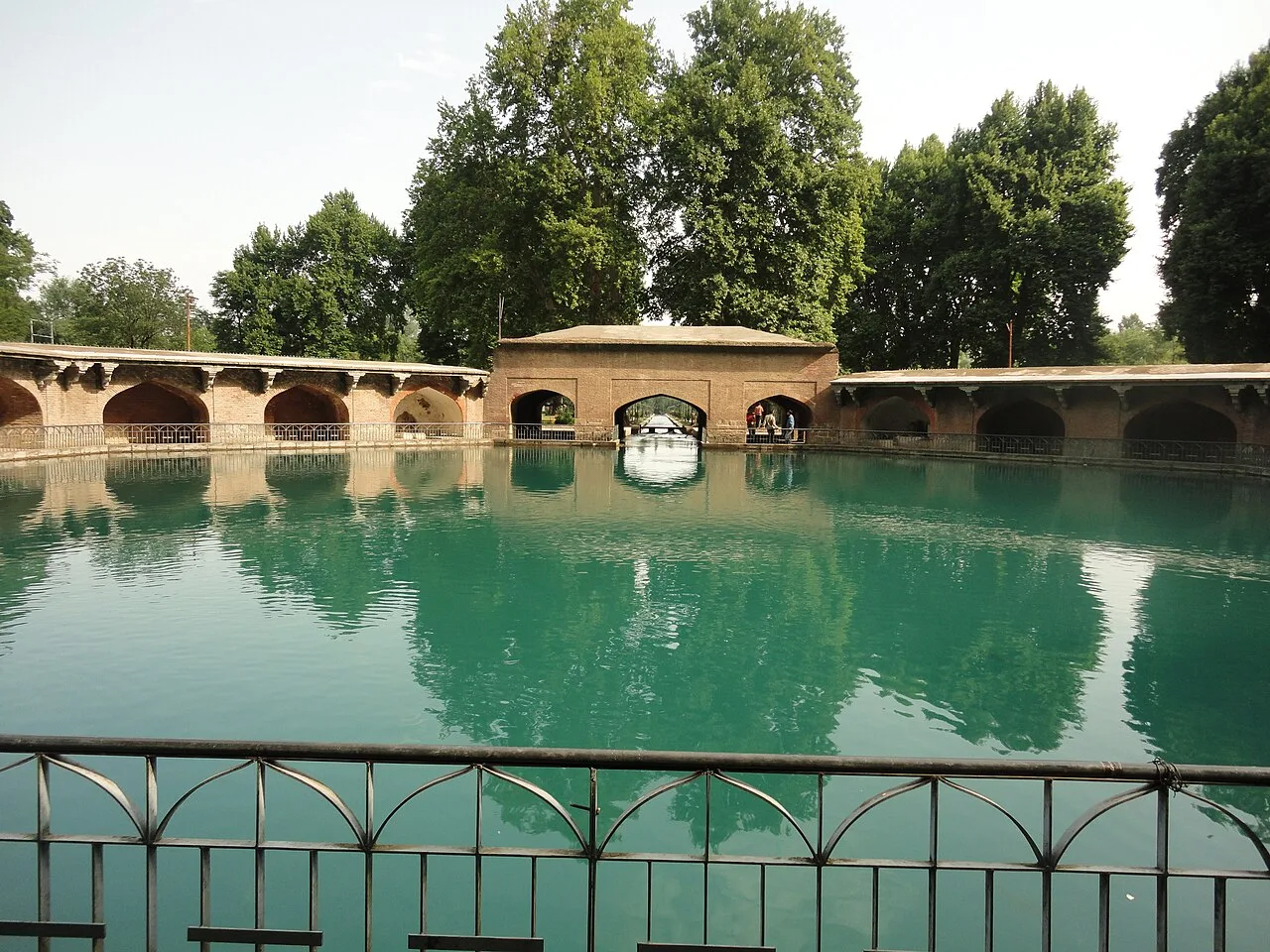
Verinag is a town in Jammu and Kashmir’s Anantnag district, visited for its spring, Mughal-era arcade and garden, and its connection to the Jhelum River.

Map

Bijbehara on the map

  1. 1Martand Sun Temple
  2. 2Achabal
  3. 3Avantiswami Temple
  4. 4Yusmarg
  5. 5Pahalgam
  6. 6Kokernag
  7. 7Pampore
  8. 8Verinag

Jammu and Kashmir

Other cities to explore