
Ghumoopedia — Explore, Discover, Experience
Sign in
Katra, near Katra

City guide · Jammu and Kashmir

Katra

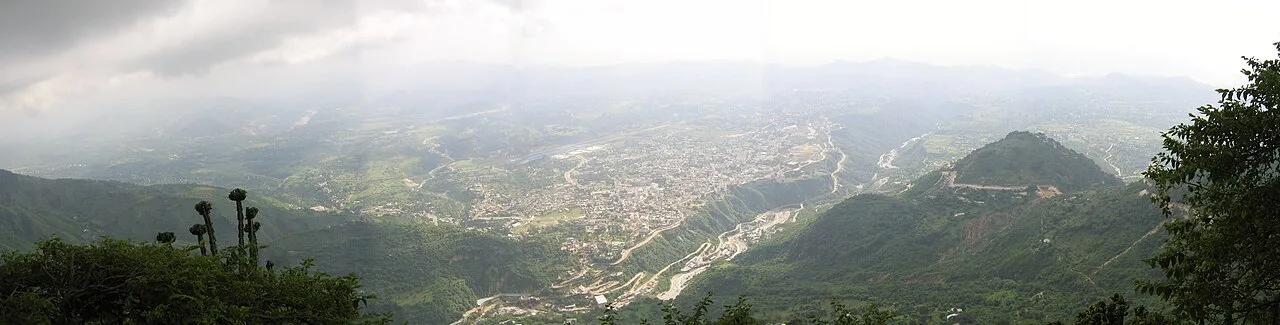
Katra is a city and tehsil in Reasi district, Jammu and Kashmir. It serves as the starting point for pilgrims travelling to the Mata Vaishno Devi Temple in the Trikuta Mountains.

Famous for

  • Vaishno Devi pilgrimage
  • Trikuta Mountain foothills
  • Banganga pilgrimage route
  • Navratri celebrations
In the city
2
District
Reasi

Why Katra matters

Katra is a pilgrimage town in Reasi district, at the foot of the Trikuta Mountains in Jammu and Kashmir. Its importance comes chiefly from its role as the main base for visiting the Vaishno Devi shrine, one of the region’s most significant places of worship. Pilgrims begin the uphill journey from Katra, passing through established route stops on the way to the shrine complex.

The steady flow of visitors shapes the town’s services, with accommodation, transport, food and shops geared largely towards pilgrimage. Katra is also a useful gateway for exploring parts of Reasi district and the surrounding mountain landscape. The Banganga River and the route’s devotional sites give the town a character closely tied to the journey itself. Improved road and rail links have made Katra more accessible, while its local economy continues to depend strongly on pilgrimage and visitor services. For many travellers, it is both a destination and the starting point for a demanding religious trek.
Famous for: crafts, trade & products

Katra is not especially known as a centre for sarees, textiles, large-scale handicrafts or a distinctive GI-tagged product. Its best-known trade is closely connected to pilgrimage. Shops in the main bazaar and around transport areas serve visitors with offerings, devotional books and images, incense, walking sticks, woollens, shawls, dry fruits and souvenirs. These are practical purchases for the journey or keepsakes rather than evidence of a major local manufacturing tradition.

The town’s wider economy includes hotels, eateries, travel services and businesses catering to pilgrims. Visitors can browse the central market for religious goods and everyday supplies, while shops near the railway station and bus areas offer convenient essentials. Regional foods and packaged products from Jammu may also appear in local stores, but Katra is not a principal production centre for them. For locally made crafts or a wider selection of regional products, travellers may find more choice in larger Jammu markets. The Shri Mata Vaishno Devi shrine administration and its visitor facilities are major institutions shaping the town’s pilgrimage-related services.

History

Katra’s growth has been closely linked to the pilgrimage to the Vaishno Devi shrine in the Trikuta Mountains. For generations, it served as a settlement and staging point for people travelling on foot towards the shrine. The pilgrimage route and its resting places helped sustain local trade and hospitality, although the town’s development was gradual rather than that of a major political or industrial centre.

During the colonial era, Jammu and Kashmir was a princely state under Dogra rule, and Katra formed part of the wider region governed from Jammu. Modern growth accelerated as road access, accommodation and organised facilities expanded to serve increasing numbers of pilgrims. The establishment of the Shri Mata Vaishno Devi Shrine Board in 1986 brought a more formal structure to shrine management and pilgrim services. A major transport change followed with the opening of the Shri Mata Vaishno Devi Katra railway station in 2014, connecting the town to India’s rail network and strengthening its role as a pilgrimage gateway.

Food, festivals & culture

Katra’s everyday culture is strongly shaped by devotion and the rhythms of pilgrimage. Navratri, observed in spring and autumn, brings especially visible religious activity, with prayers, devotional singing and increased pilgrim traffic. The rest of the year also sees a steady stream of worshippers. Bhajans and other devotional music are common around religious spaces and visitor areas; Dogra folk traditions belong to the wider regional culture. Dogri and Hindi are widely used, alongside Urdu and other languages heard among residents and visitors.

Food options reflect both Jammu’s regional cuisine and the needs of pilgrims. Rajma with rice is a familiar regional meal, while kalari, often served with bread, is a well-known Jammu speciality. Katra has many vegetarian and sattvik meal options, along with tea, snacks and sweets suited to travellers. Banganga is an important devotional stop on the pilgrimage route, while the Vaishno Devi shrine and the Bhairon shrine above it are central places of worship. Customs and facilities can vary along the route, so visitors should follow current shrine guidance.

Visiting the city

Spring and autumn are generally comfortable seasons for visiting, though Navratri can bring heavier crowds. Summers may be hot, while monsoon rain and winter cold can affect travel and the trek, so check local conditions before setting out. Jammu Airport, also known as Jammu Civil Enclave, is the nearest airport. The main rail gateway is Shri Mata Vaishno Devi Katra railway station.

Taxis and local shared transport connect the station, bus areas, hotels and pilgrimage-route access points; much of the central market can be explored on foot. The main bazaar is useful for meals and pilgrimage supplies. Banganga and the Darshani Deodi area offer a closer look at the route’s early stages. Katra is also a practical base for arranging the trek, overnight stays and onward travel around Reasi district.

Attractions

Places to visit in Katra

Sights within about 12 km of each other, even when they fall in different districts.

Map

Katra on the map

  1. 1Katra
  2. 2Vaishno Devi Temple

Jammu and Kashmir

Other cities to explore