
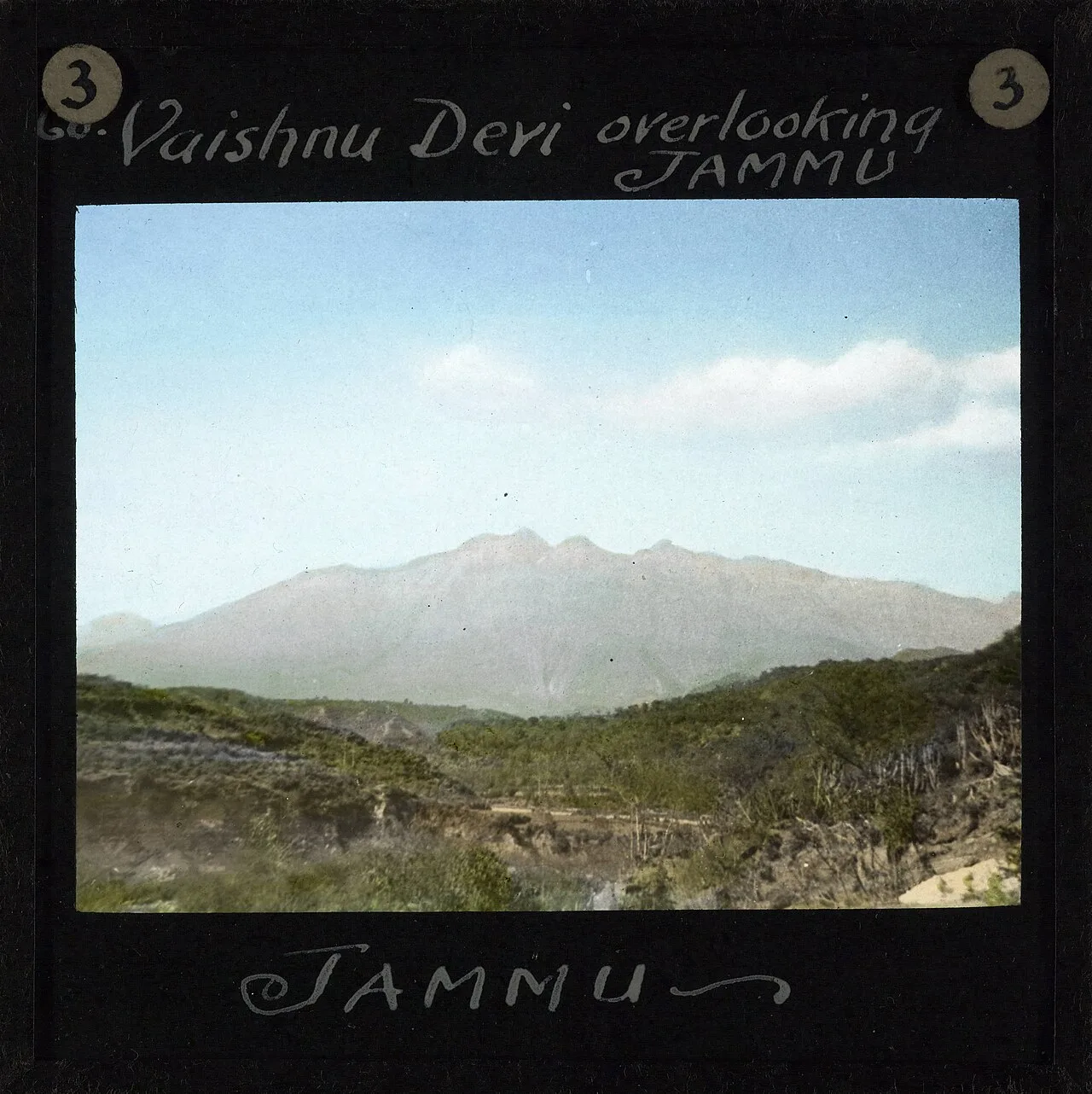
Vaishno Devi Temple
A Hindu shrine at Katra in Jammu and Kashmir, Vaishno Devi Temple honours the goddess Vaishno Devi and draws millions of pilgrims each year.
Key facts · verified by Ghumoopedia editors
- Type of place
- Temple / pilgrimage site
- Best time to visit
- April to October for the Kashmir Valley and meadows; December to February for snow at Gulmarg; October to March for Jammu and the plains
- Nearest railway station
- Shri Mata Vaishno Devi Katra · about 5 km (straight line)
- Nearest airport
- Jammu Airport · about 40 km (straight line)
- Verified
- 21 Nov 2026
Plan a trip from Vaishno Devi Temple — a day-by-day route through places nearby.
Located at Katra in Reasi district, Jammu and Kashmir, the shrine is also called the Shri Mata Vaishno Devi Temple or Vaishno Devi Bhavan. It is devoted to Vaishno Devi, understood as a form of Mahakali, Mahalakshmi and Mahasarasvati. The temple sits on Trikuta mountain at an elevation of 5,200 feet (1,500 metres). The site is 43 km from Jammu city and 29 km from Reasi town, the district headquarters. Management rests with the Shri Mata Vaishno Devi Shrine Board (SMVDSB). Since August 1986, the Governor of Jammu and Kashmir has served as its chair. Millions of devotees visit the shrine every year to worship, and it ranks among India's most popular Hindu pilgrimage sites. In 2023, the board recorded 9.52 million pilgrims. Kashmir is known for its Sufi shrines, Mughal gardens, houseboats and crafts such as pashmina, papier-mâché and carpets, while the Jammu region is the land of Dogra heritage and major Hindu pilgrimages. The Kashmir Valley has mild summers, colourful autumns and snowy winters, with Chillai Kalan (late December to January) the coldest spell; meadows such as Gulmarg and Sonamarg get heavy snow. Jammu and the plains are hot from April to June. Snow and landslides can close the Jammu–Srinagar highway and mountain roads. The usual best time to visit is April to October for the Kashmir Valley and meadows; December to February for snow at Gulmarg; October to March for Jammu and the plains. Timings, fees and access arrangements must be confirmed locally. For official information, see Jammu and Kashmir Tourism at https://jktourism.jk.gov.in.
Why it matters
The Vaishno Devi Temple, also called Shri Mata Vaishno Devi Temple or Vaishno Devi Bhavan, is a major Hindu pilgrimage site in Katra, Reasi district. Devotees worship Vaishno Devi, understood in the tradition as a manifestation of Mahakali, Mahalakshmi and Mahasarasvati. The shrine is important to Jammu and Kashmir’s religious life and draws pilgrims from across India and beyond. The Shri Mata Vaishno Devi Shrine Board administers the pilgrimage and facilities; the board reported 9.52 million pilgrims in 2023. Its mountain setting on Trikuta makes the journey on foot part of the experience for many visitors. No UNESCO World Heritage or ASI-protected designation is asserted here.
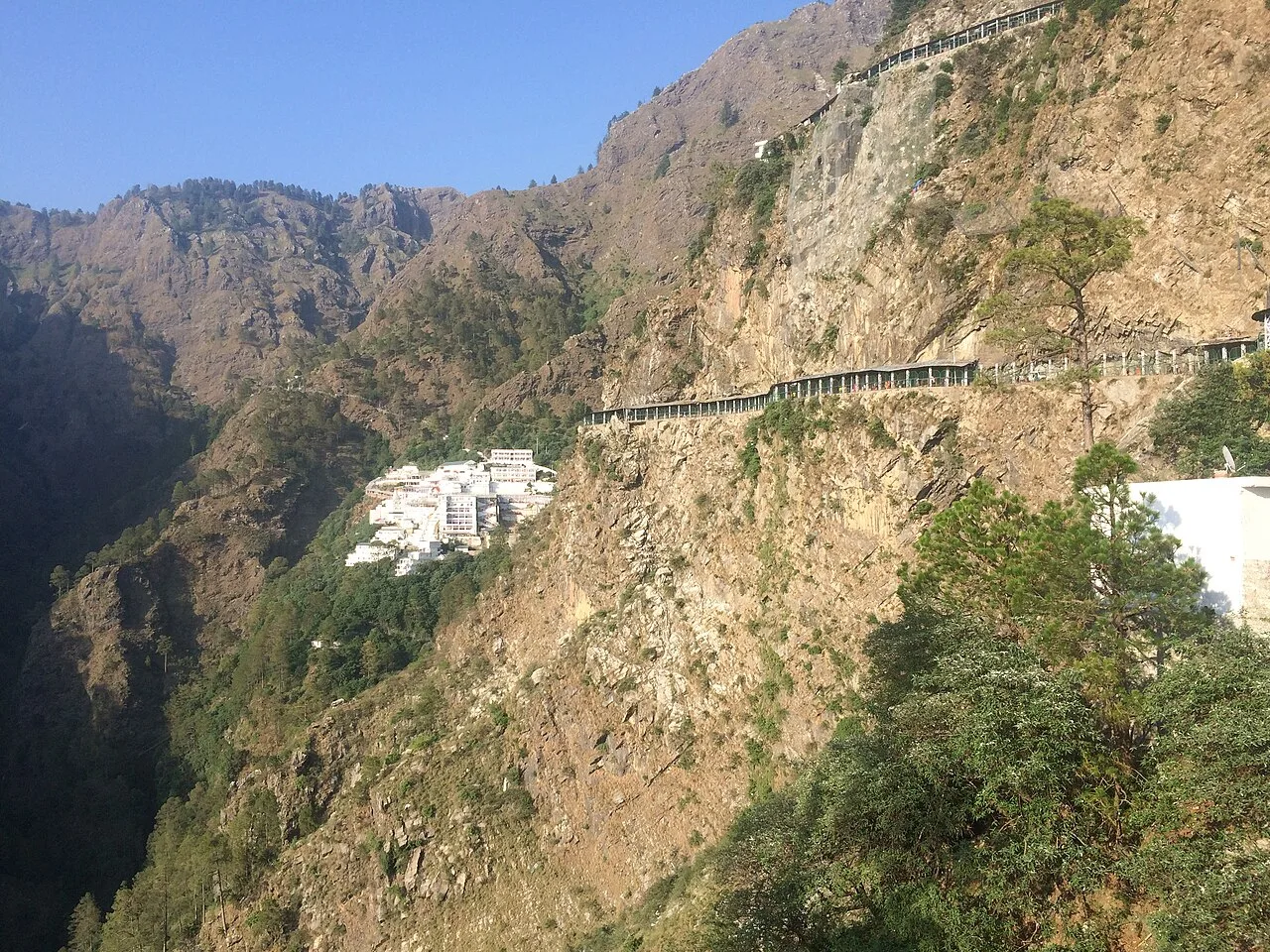
The shrine’s beginnings are associated with religious tradition rather than a securely documented founding date or known individual builder. Pilgrims have long journeyed to the cave shrine on Trikuta mountain, where the sacred presence is represented by natural rock formations. Accounts of the site’s early history are intertwined with devotional narratives, so precise dates for its first use should be treated cautiously. As the pilgrimage grew, paths and visitor services developed around the route from Katra, and access to the sacred cave was adapted to accommodate increasing numbers. The Shri Mata Vaishno Devi Shrine Board took on the administration of the shrine and pilgrimage facilities; published accounts note that the Governor of Jammu and Kashmir has chaired it since August 1986. In more recent decades, the pilgrimage infrastructure has expanded, with managed arrangements for registration, movement, accommodation and other visitor needs. The sacred cave remains the focus of worship, while the surrounding Bhawan complex and approach routes serve the practical needs of a large pilgrimage. Visitors seeking a detailed chronology should consult the Shrine Board’s official historical material, since popular accounts may combine documented developments with religious tradition.
Origin stories & folklore
According to local tradition, Vaishno Devi undertook a period of meditation in the Trikuta hills. A devotee’s journey to the shrine is often understood as following her path, and the sacred cave is linked to the story of her encounter with Bhairon Nath. In the devotional account, she entered the cave and vanquished him; his later repentance and the granting of a place in the pilgrimage are associated with the onward visit to Bhairon Temple. The cave’s three natural rock formations, called the Pindis, are revered as manifestations of Mahakali, Mahalakshmi and Mahasarasvati. These accounts are matters of faith and are best presented as living religious tradition, not as independently verified history.
Architecture & design
The principal sacred space is a cave shrine on Trikuta mountain, within a larger complex known as the Bhawan. The cave’s natural rock setting distinguishes it from a conventional freestanding temple with a prominent tower or sculpted exterior. Inside, the central objects of devotion are the Pindis, natural rock formations rather than carved anthropomorphic statues. Pilgrims move through managed approach passages and designated areas around the shrine; routes and facilities have been developed to handle heavy footfall while retaining the cave as the devotional focus. The wider Bhawan complex includes practical buildings and visitor services, reflecting the needs of a major mountain pilgrimage. Construction and infrastructure use modern engineering, but detailed claims about particular materials or phases should be checked against Shrine Board information. The route’s steep terrain and mountain environment shape its layout, crowd management and maintenance. Conditions can change, so visitors should follow current directions about which passages and areas are open.
Important objects & sculptures
The central sacred objects are the three natural rock formations known as the Pindis, worshipped as forms of Mahakali, Mahalakshmi and Mahasarasvati. They are not conventional sculpted idols, and visitors should follow the shrine’s directions on viewing and movement rather than expect to approach or handle them. The cave itself is a focus of reverence, as are the devotional offerings and ritual arrangements made by the shrine’s staff. There may be images and religious objects in surrounding areas, but displays and access can vary. Avoid touching sacred objects or treating them as photo subjects. The most meaningful way to observe the shrine is quietly, in accordance with the instructions given by staff and fellow worshippers.
Religious significance
The shrine is dedicated to Vaishno Devi, whom devotees identify with the combined power or manifestations of Mahakali, Mahalakshmi and Mahasarasvati. The pilgrimage, commonly called the yatra, is itself an important devotional act: many visitors travel from Katra to the Bhawan on foot, while others use available assistance for parts of the route. Worship centres on darshan of the Pindis and on prayer and offerings conducted according to shrine practice. The experience can be deeply personal, and visitors may encounter families, organised groups and individual pilgrims observing different customs. Follow instructions from shrine staff, allow worshippers space, and avoid interrupting prayers. Practices and access arrangements may change; the Shrine Board is the appropriate source for current guidance.
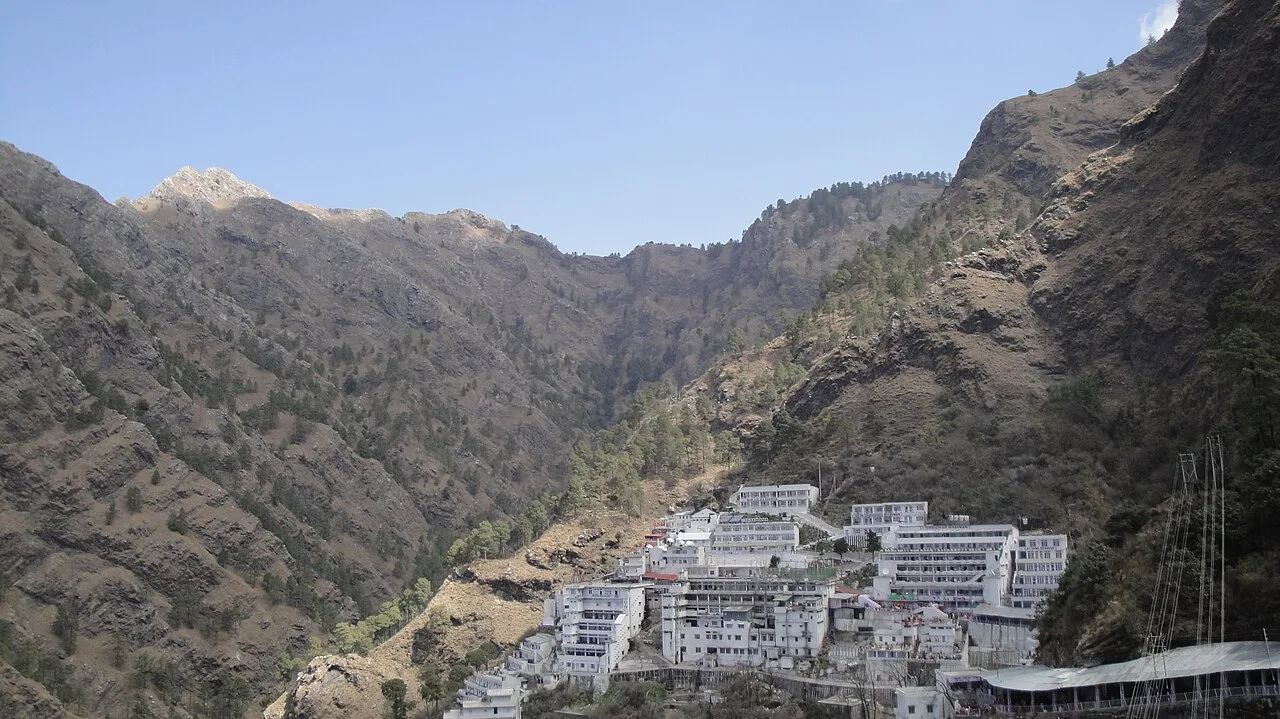
Visit Vaishno Devi Temple with time to observe daily prayers and rituals respectfully. Follow the posted rules on footwear, photography, head covering and dress, and avoid interrupting worshippers. Ask caretakers which areas are open to visitors, and beware of unofficial 'guides' asking for donations. A comfortable itinerary is one main visit in the morning, a local meal at midday and a short nearby stop before an afternoon return. Use the district list on this site to find other places in Reasi, but check the route and its condition before combining stops. If a festival or fair is on, roads and stays can be busy — and the experience can be unforgettable. Leave no litter: many sites are protected by the communities around them.
Suggested itineraries
Half day: Spend 1–2 hours in Katra completing arrival formalities and visiting a nearby approach-area stop such as Banganga; continue toward the Bhawan only if your pace, conditions and available time make it realistic, otherwise save the full pilgrimage for another day. Full day: Set aside most of the day for registration and the uphill journey from Katra, darshan at the Bhawan, rest and the return journey; actual duration depends greatly on pace, queues and route conditions. Gentler option: Ask the Shrine Board about current assisted-transport options for eligible sections, plan frequent rest stops and consider an overnight stay rather than attempting a rushed return.
The pilgrimage is a living part of Jammu’s religious culture, bringing together visitors from many regions and language communities. Hindi, Dogri and other Indian languages may be heard alongside Punjabi and languages spoken by pilgrims from further afield. Devotional songs and chants are common along the route, though visitors should keep noise considerate near worship and rest areas. Dress tends to be practical for a mountain walk, with many pilgrims carrying simple offerings or wearing devotional scarves. Local customs centre on respect for the shrine, orderly movement and care for fellow pilgrims. Katra’s shops and food stalls reflect the needs of travellers as well as the wider Dogra-region setting.
Festivals & events
Navratri, observed in the spring and autumn, is an especially significant period for worship at the shrine. The surrounding pilgrimage route and Katra can become markedly busier during these seasons, so allow extra time and check accommodation and registration arrangements in advance. Other Hindu observances and holiday periods may also bring increased crowds, though the yatra continues throughout the year. Festivals at nearby shrines in Reasi district can affect local roads and services as well. There is no single crowd level that applies every year; consult the Shrine Board and local advisories before travel, and be prepared for queues and changes to movement arrangements.
Local food in Jammu and Kashmir includes Kashmiri Wazwan dishes such as rogan josh, yakhni, gushtaba and rista, nadru (lotus stem), haak saag, dum aloo, kahwa and salty noon chai; in the Jammu region, rajma-chawal, kalari cheese and Dogra dishes such as ambal and auria. Ask what is fresh that day; many small eateries cook a limited daily menu. Vegetarian travellers eat very well across this region, and most towns also have non-vegetarian options. Remote sites may have no restaurant at all. Carry water and snacks, eat a proper breakfast before long drives, and ask your accommodation for a packed lunch if you are heading out early. If prasad or langar is offered, accept it according to local custom. Choose busy, clean places and carry your packaging back with you.
Shopping & local experiences
Katra’s markets sell devotional items such as prayer offerings, images, scarves and souvenirs, along with practical supplies for the pilgrimage. Shops may also offer packaged snacks, dry fruit, woollens and other travel goods; quality and availability vary, so check products before buying. Jammu-region foods can be sampled in local eateries, and visitors may find Dogra-associated crafts in town shops, though provenance should be verified if it matters to you. Buy from established businesses, keep receipts for significant purchases and avoid collecting natural material from the mountain or shrine surroundings.
April to October for the Kashmir Valley and meadows; December to February for snow at Gulmarg; October to March for Jammu and the plains
The nearest principal railway station by straight-line distance is Shri Mata Vaishno Devi Katra, roughly 5 km away. The nearest operating airport by straight-line distance is Jammu Airport, roughly 40 km away. These figures are calculated from map coordinates — mountain roads wind a lot, so actual road distance and travel time are usually much longer. Jammu Tawi and Shri Mata Vaishno Devi Katra are the main long-distance rail gateways, and the line through the Chenab bridge now continues into the Kashmir Valley — check current services to Srinagar. Srinagar and Jammu airports have the most flights. For the final leg, J&K Road Transport Corporation (JKRTC) buses, private minibuses and shared Sumo taxis link district towns; shared taxis usually leave early in the morning. A private taxi gives more flexibility for remote sites. When comparing train, bus and flight, count the complete door-to-door time: a flight saves the most time only if the onward road transfer is short, while an overnight train can save a hotel night. Book your return before you leave, because seats fill quickly on weekends, festivals and holidays. Current train numbers, timings, return services and fares are not listed here; check IRCTC and NTES for trains and the airline's own schedule for flights. Indian visitors do not need a permit for the main destinations in Jammu and Kashmir. Areas close to the Line of Control, such as Gurez, Bangus, Keran and Machil, may require registration at police or army check posts, and foreign nationals face extra restrictions in some areas. Prepaid mobile SIM cards issued outside Jammu and Kashmir do not work here, so carry a postpaid connection. The Amarnath Yatra needs advance registration and a compulsory health certificate, and Vaishno Devi pilgrims need a yatra registration (RFID) card. Read your government's travel advisory and current local advisories before you go.
Confirm onward and return timings on IRCTC / NTES, the state bus operator or your airline before travel. A dash means current timings or fares have not been verified.
Getting around
Katra is the main base for the pilgrimage. From the town, visitors proceed toward the Bhawan by the managed mountain route; walking is common, and assisted transport options may operate on selected sections, subject to current availability and rules. Taxis and local vehicles can help with movement around Katra and the approach area, while local buses and shared vehicles serve connections in the wider district. Parking is generally arranged in designated areas, so follow signs and staff directions rather than trying to drive beyond permitted points. Check route conditions and available transport with the Shrine Board or locally, especially in poor weather or during crowded periods.
Hours, tickets & permissions
Entry is subject to the Shrine Board’s current pilgrimage registration and security procedures; visitors should check whether a registration slip, identity document or other verification is required for their journey. Access to the cave and particular routes may be managed according to crowd, weather and operational conditions. Rules may apply to footwear, belongings, photography and permitted areas. Confirm current opening arrangements, entry requirements and any fees directly with the Shri Mata Vaishno Devi Shrine Board before setting out. Do not rely on unofficial sellers or outdated online information.
Facilities
The Bhawan and pilgrimage route usually have basic visitor services, which may include drinking-water points, toilets, food outlets, rest areas and medical assistance. Board-managed or private accommodation may be available in Katra and at points along the pilgrimage route; availability and booking rules should be checked ahead. Cloakroom or deposit arrangements may apply to belongings that are not permitted inside restricted areas. Katra has shops and other town services, and ATMs may be available there, but do not assume every facility is open or stocked during busy periods. Confirm current facilities with the Shrine Board and check locally before departure.
Accessibility
The pilgrimage follows a long, rising mountain route with uneven or paved sections, slopes, crowds and stretches where walking can be tiring. Distance and effort depend on the route in use and the visitor’s pace. Shade and places to rest vary along the way, so carry suitable layers and plan breaks. The terrain may be difficult for wheelchair users, stroller users, people with limited mobility and some older visitors; do not assume that the full route is step-free or independently accessible. Assisted options may be available on selected sections, but suitability and operation should be confirmed with the Shrine Board. Travelling with a companion and allowing extra time can help.
Indian visitors do not need a permit for the main destinations in Jammu and Kashmir. Areas close to the Line of Control, such as Gurez, Bangus, Keran and Machil, may require registration at police or army check posts, and foreign nationals face extra restrictions in some areas. Prepaid mobile SIM cards issued outside Jammu and Kashmir do not work here, so carry a postpaid connection. The Amarnath Yatra needs advance registration and a compulsory health certificate, and Vaishno Devi pilgrims need a yatra registration (RFID) card. Read your government's travel advisory and current local advisories before you go. Carry a photo ID at all times and save the emergency number 112 and your accommodation's contact offline. Heat in summer and fog in winter are the main weather risks; carry water and allow extra travel time on foggy December–January mornings. Respect community rules, private property and posted instructions. Follow local guidance if access changes.
Visitor rules
Follow Shrine Board instructions, security checks and staff directions throughout the yatra. Wear practical, respectful clothing suitable for a religious site and mountain conditions; observe posted requirements for footwear and head covering. Deposit or secure belongings when instructed, and do not enter restricted areas. Keep the route clean, minimise single-use plastic and use designated waste bins. Maintain quiet and give worshippers space during prayer. Do not touch sacred objects, push in queues or accept unsolicited offers of guidance or donations as official. Rules can change with crowd and security conditions, so read current notices before entering.
Photography
Photography may be restricted or prohibited inside the sacred cave and other designated areas; follow posted notices and staff instructions rather than assuming cameras or phones are allowed. Where photography is permitted outside restricted spaces, ask before photographing worshippers, staff or religious activity, and avoid interrupting rituals. The mountain approach can offer views of the surrounding hills, with softer light often found earlier or later in the day, depending on weather. Do not fly a drone without explicit current authorisation; aviation, security and shrine rules may prohibit it. Respect privacy and keep devices out of the way in crowded passages.
Choose a stay by the full journey to Vaishno Devi Temple, not just the district name. Srinagar houseboats, Jammu and Katra hotels and resort towns such as Gulmarg and Pahalgam offer the widest choice; book houseboats only through registered owners. In summer, check air-conditioning or coolers; in December and January, check heating and hot water. Book in advance for weekends, festivals and the peak season (April to October for the Kashmir Valley and meadows; December to February for snow at Gulmarg; October to March for Jammu and the plains). Confirm the exact location, meals included, check-in time and cancellation terms in writing. Avoid sending money to unverified contacts or touts at stations. Carry some cash, as card and digital payments can be unreliable in remote areas.
Within the pilgrimage route, Ardhkuwari and Banganga are established stops associated with the journey to the Bhawan; Bhairon Temple is another important shrine visited by many pilgrims. Katra is the principal nearby town for food, lodging and onward transport. Elsewhere in Reasi district, Shiv Khori is a well-known cave shrine, and Baba Dhansar is a religious site near Katra. These places are not all a quick add-on to the main yatra: road conditions, travel time and local access can vary. Check routes and current conditions before combining visits, particularly during bad weather or festival periods.
For couples, Vaishno Devi Temple rewards a slow pace: arrive early for soft light and fewer crowds, share a local meal and keep the evening free. A shikara ride or a houseboat night in Srinagar is a classic addition. Public displays of affection can be frowned upon in conservative communities and at religious sites, so be discreet. Keep a buffer in your itinerary, because weather and traffic can delay plans.
Q: How much time should I allow for the visit? A: The journey and darshan can take most of a day or longer, depending on walking pace, queues, transport and conditions. A comfortable plan leaves room for rest and the return journey. Q: When is a good season to visit? A: The pilgrimage is undertaken year-round, but weather and crowd levels vary. Check forecasts and Shrine Board advisories, especially during winter, monsoon conditions and festival periods. Q: Do I need to register before entering? A: Pilgrimage registration and security procedures apply. Confirm the current process and any required identification with the Shrine Board before travelling. Q: Can children or elderly visitors make the pilgrimage? A: Many do, but the mountain route is demanding. Assess individual fitness, plan rest stops and ask the Shrine Board about currently available assistance; do not assume every section is accessible. Q: Where can I stay nearby? A: Katra has a range of accommodation, and other lodging may be available along the route. Check current availability and booking arrangements with the Shrine Board or accommodation providers.
Be the first to share photos, stories, advice or a helpful contact for Vaishno Devi Temple.
Loading…