
District · Jammu and Kashmir
Reasi
Reasi brings together pilgrimage, Dogra heritage and the varied terrain of Jammu and Kashmir’s southern hills.
Reasi district spans the Shivalik foothills and higher Himalayan terrain, with forested slopes, steep valleys and the Chenab River shaping its landscape. Reasi town and Katra are important centres, while the district’s best-known destinations include the Vaishno Devi shrine and Shiv Khori cave shrine. The Chenab Rail Bridge is a striking modern landmark in this rugged setting. The area has a long Dogra history; Bhimgarh Fort near Reasi town is a reminder of its historic hill strongholds. Today, pilgrimage, small towns and rural life give the district a varied character, with busy routes near Katra contrasting with quieter mountain settlements.
Reasi brings together pilgrimage, Dogra heritage and the varied terrain of Jammu and Kashmir’s southern hills. Katra is the principal base for the journey to the Vaishno Devi shrine, one of the region’s best-known pilgrimage destinations, while Shiv Khori is another important cave shrine. Away from these busy routes, Reasi town and smaller settlements offer a quieter view of district life. The Chenab River cuts through steep mountain country, and the Chenab Rail Bridge is a notable modern landmark in the landscape. Bhimgarh Fort near Reasi town adds a historic dimension to a visit.
The Reasi region has a long history as part of the hill country of Jammu, where local chiefs and small principalities held power before the consolidation of Dogra rule. Bhimgarh Fort near Reasi town is associated with the region’s historic hill strongholds and is a reminder of that period. In the early nineteenth century, Maharaja Gulab Singh expanded Dogra power across Jammu and neighbouring territories. After the First Anglo-Sikh War, the 1846 Treaty of Amritsar established the princely state of Jammu and Kashmir under Gulab Singh, with the wider region forming part of that state. During British paramountcy, Jammu and Kashmir remained a princely state rather than a directly administered British province. After 1947, it became part of the Indian-administered political and administrative framework. Reasi was later restored as a separate district in 2006, following its earlier administration as part of Udhampur district. Its modern history also reflects the growth of pilgrimage infrastructure around Katra and major transport projects in the Chenab valley.
4 destination guides
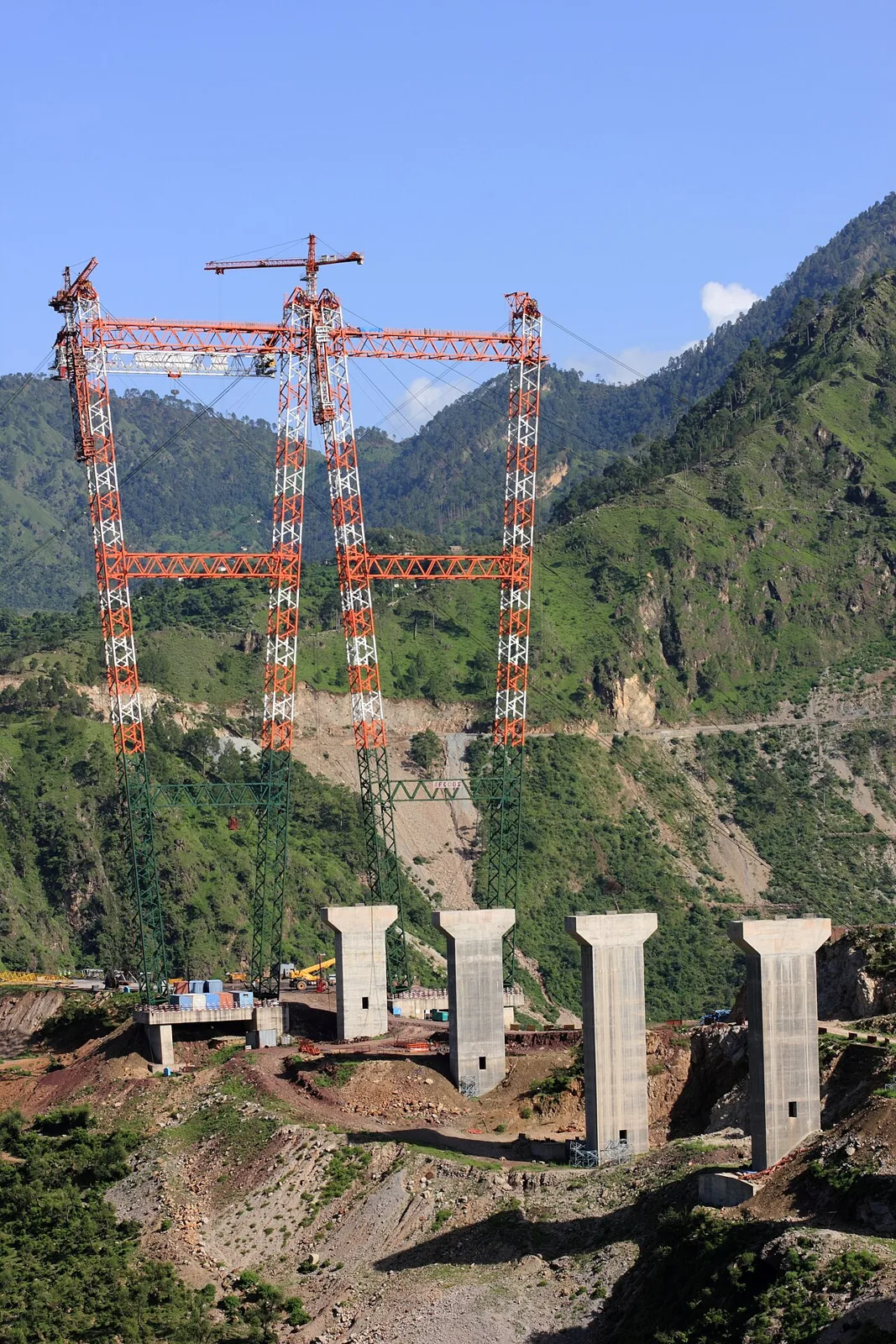
Chenab Rail Bridge
In Reasi district, the Chenab Rail Bridge carries trains across the Chenab River. Travellers visit to see its record-setting height and its place on the Jammu–Baramulla railway line.
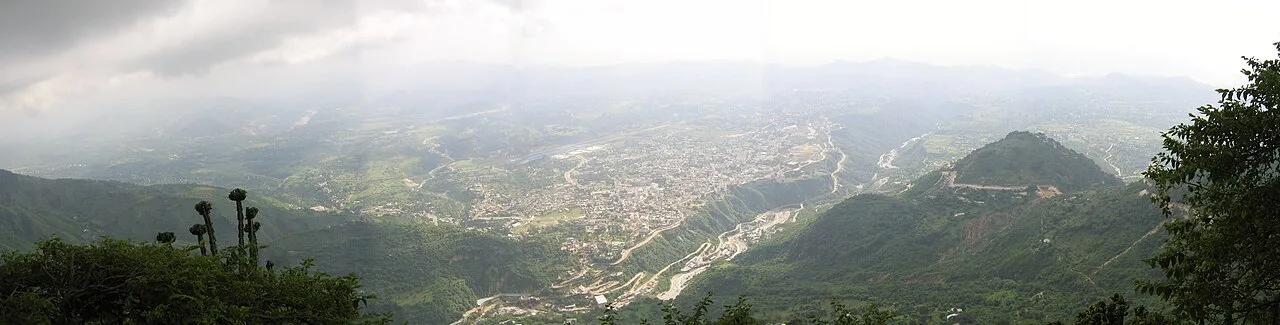
Katra
Katra is a city and tehsil in Reasi district, Jammu and Kashmir. It serves as the starting point for pilgrims travelling to the Mata Vaishno Devi Temple in the Trikuta Mountains.
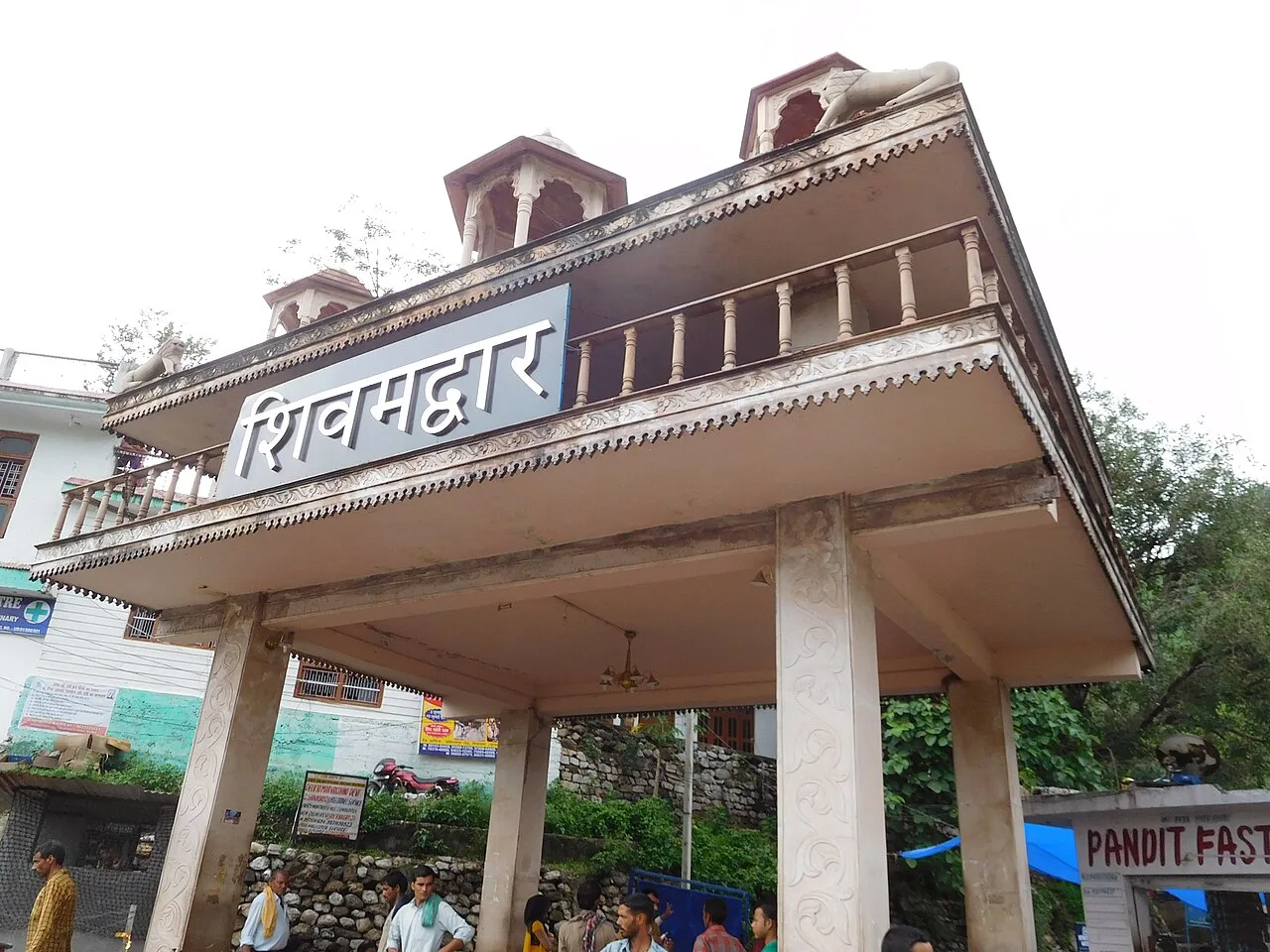
Shiv Khori
Shiv Khori is a Hindu cave shrine devoted to Lord Shiva, in Sangar village near Reasi town. Visitors come to worship Shiva at this religious site.
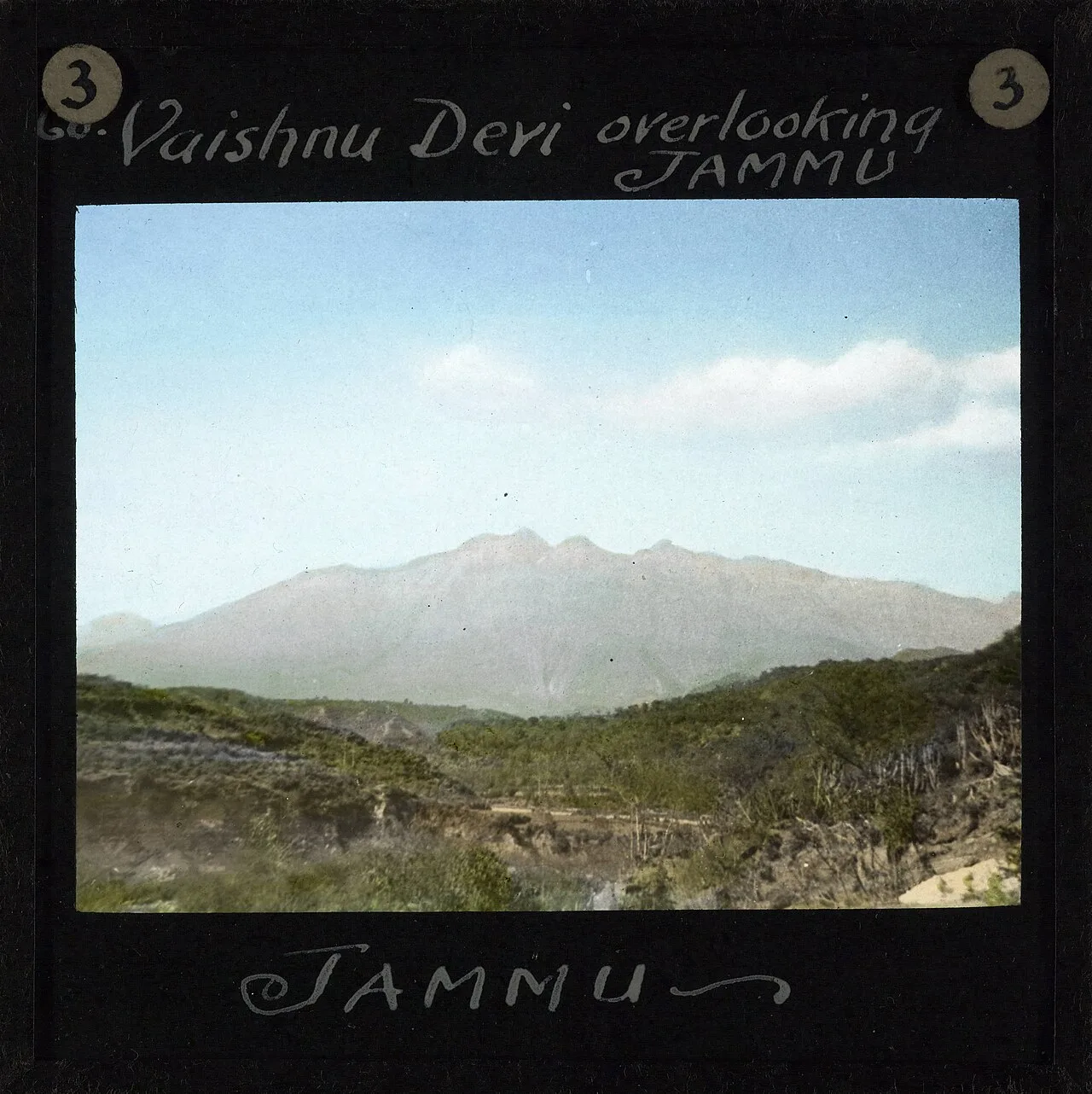
Vaishno Devi Temple
A Hindu shrine at Katra in Jammu and Kashmir, Vaishno Devi Temple honours the goddess Vaishno Devi and draws millions of pilgrims each year.
Food in Reasi reflects the wider Jammu region and, more broadly, Jammu and Kashmir. Dogra favourites include rajma-chawal, kalari cheese and dishes such as ambal and auria. In towns and larger eateries, visitors may also find Kashmiri specialities including rogan josh, yakhni, gushtaba, rista, nadru and haak saag, along with kahwa or salty noon chai. Vegetarian meals are readily available, especially around pilgrimage centres. Menus at smaller eateries can be limited and change with the day, so it is useful to ask what has been freshly prepared.
Reasi is not widely known for one signature craft, and what is available can vary between towns and villages. In the wider Jammu region, traditional skills include weaving woollen textiles and making blankets and rugs, crafts suited to the colder hill areas. Jammu and Kashmir is also known for embroidery, woodwork and other handcraft traditions, though these are not necessarily made locally in Reasi. Visitors looking for locally produced work can ask in town markets about its origin and whether it was made in the district.
Navratri, observed in spring and autumn, is a particularly busy period for pilgrims travelling through Katra to Vaishno Devi. Shiv Khori attracts devotees for Maha Shivratri, when the shrine and routes nearby can become crowded. Baisakhi and other regional religious and seasonal observances are also marked in parts of Jammu; customs vary between communities and localities. During major pilgrimage periods, demand for rooms and transport can rise sharply in Katra and along shrine routes. Book ahead where possible, and check local conditions before setting out for smaller fairs or events.
In this district
Elsewhere in Jammu and Kashmir
- Shri Amarnath YatraDates to be announced · Seasonal
- Kheer Bhawani Mela (Zyeth Atham)Dates to be announced · Seasonal
- Herath (Kashmiri Shivaratri)Dates to be announced · Seasonal
- Navreh (Kashmiri New Year)Dates to be announced · Seasonal
- Eid & the Shrine Festivals of KashmirDates to be announced · Seasonal
- Bahu MelaDates to be announced · Seasonal
- Jhiri Mela23 Nov 2026 – 3 Dec 2026 · Confirmed
- Tulip Festival, SrinagarDates to be announced · Seasonal
The district rises from the Shivalik foothills into higher, steep-sided Himalayan terrain. Forested slopes, narrow valleys and mountain streams shape settlements and road routes, while the Chenab cuts through rugged country and is crossed by the Chenab Rail Bridge. Katra and Reasi town serve as important centres, but many villages and shrines lie along winding roads or require a walk from the roadhead. River valleys and sharp changes in elevation can make journeys slower than a map suggests, especially after rain or during winter weather.
Conditions vary with elevation. Summers are generally warm in lower towns, while higher areas can feel cooler. The monsoon season brings rain, which may affect mountain roads, trails and river crossings. Autumn is often a comfortable time to travel, and spring is popular for pilgrimage, though busy periods can bring crowds. Winters are cool in the lower areas and colder at higher elevations; cold rain or occasional snowfall can disrupt travel in the hills. Spring and autumn are usually practical seasons for a visit. Pack layers, sturdy footwear and rain protection, and check forecasts and road updates before travelling.
Jammu Airport is the nearest major airport for most visitors, while Shri Mata Vaishno Devi Katra and Jammu Tawi are the principal railway gateways. Katra is especially convenient for the Vaishno Devi pilgrimage; road journeys from Jammu connect Katra, Reasi town and other parts of the district. Mountain roads can be winding, and travel times vary with route and conditions. Buses and shared or private taxis serve main towns and pilgrimage routes, while some sites require a walk for the final stretch. Check current services locally before travelling.
Roads link Katra, Reasi town and other main settlements, with routes crossing hilly terrain and travel times varying with conditions. Buses and shared vehicles serve principal towns and pilgrimage corridors; taxis and, in some places, local autos can help with shorter journeys. Services to smaller settlements may be less frequent, so arrange onward travel locally. The Vaishno Devi route from Katra is travelled on foot, with other authorised transport options subject to current shrine arrangements. Access to the Chenab Rail Bridge is restricted in operational areas; use only public viewpoints or access arrangements confirmed locally.
2 days: Katra → Vaishno Devi Temple; sleep in Katra both nights. 3 days: Katra → Vaishno Devi Temple → Shiv Khori; sleep in Katra on night one and near Shiv Khori or Reasi town on night two. 4 days: Katra → Vaishno Devi Temple → Shiv Khori → Chenab Rail Bridge; sleep in Katra, near Shiv Khori or Reasi town, then in Reasi town.
Katra is the most practical base for Vaishno Devi, with a broad choice of hotels, guesthouses and dharamshalas. Reasi town can suit visitors exploring Shiv Khori and the district’s historic and river-valley areas; basic hotels and guesthouses may be available, with fewer choices than in Katra. Near smaller settlements, accommodation is more limited and should be checked in advance. Homestays or government lodges may be available in some locations, but provision varies. For multi-stop journeys, plan overnight stays around the road route and confirm arrangements locally.
Mountain roads are winding and can be affected by rain, landslides, fog or winter conditions; check current advisories and allow flexibility. Wear suitable footwear on steep shrine routes, pace yourself and carry water, but use safe, treated or sealed drinking water. Crowds can be heavy during pilgrimage seasons, so keep children and older companions close and follow shrine staff instructions. Forested areas have wildlife, so avoid approaching animals and do not walk alone after dark. Mobile connectivity can be uneven outside main towns. Access to railway infrastructure is controlled; follow official instructions. Confirm any access rules or permits with official sources before travel.
- Udhampurabout 33 km
- Jammuabout 40 km
- Sambaabout 49 km
- Kulgamabout 63 km
- Shopianabout 70 km
- Poonchabout 73 km
- Dodaabout 76 km
- Budgamabout 85 km
Straight-line distance between the centres of each district's destinations; road distance is longer.
Q: How many days should I spend in Reasi district? A: Two days can cover Katra and Vaishno Devi Temple; allow three or four days to include Shiv Khori and the Chenab Rail Bridge area. Q: When is the best time to visit? A: Spring and autumn are generally comfortable, but check weather and road conditions, especially during the monsoon and winter. Q: What is the best base for visiting? A: Katra is the most convenient base for Vaishno Devi; Reasi town can work better for exploring parts of the wider district. Q: How do I get to Reasi district? A: Jammu Airport and Jammu Tawi are major gateways, while Shri Mata Vaishno Devi Katra is the main rail gateway for the pilgrimage. Continue by road. Q: Is Reasi suitable for families or elderly travellers? A: Yes, with planning. The shrine route involves substantial walking and steep sections, so assess mobility, allow rest and check current facilities and travel arrangements.
This page draws on our 4 destination guides for Reasi and is updated as our team checks it.
Be the first to share photos, stories, advice or a helpful contact for Reasi.
Loading…