Ghumoopedia — Explore, Discover, Experience
Sign in

Harvest · Jammu & Kashmir

Lohri & Baisakhi in Jammu

Jammu, Samba, Kathua and Udhampur

Dates

Last verified 17 November 2026. Confirmed: announced by organisers or government. Provisional: from a published almanac, not yet announced. Seasonal: no date announced.

The complete guide

Lohri & Baisakhi in Jammu: everything to know before you go

Also known as
Lohri (with Maghi); Baisakhi (Vaisakhi), the harvest festival and the founding of the Khalsa
Where
Across the Jammu region (Jammu, Samba, Kathua, Udhampur, Reasi), and in Kashmir's Sikh and Punjabi communities
When
Lohri on 13 January (Maghi and Makar Sankranti on 14 January); Baisakhi on 13 or 14 April.
Duration
One day each, with fairs and gatherings over a few days
Faith and community
Dogra Hindu, Sikh and Punjabi communities; both are also general harvest festivals
Type
Harvest and seasonal festivals
Best for
Families, folk-culture lovers, photographers

Overview

The Jammu region shares a cultural landscape with Punjab and Himachal, and its two big harvest festivals reflect this. Lohri, in the middle of winter, celebrates the end of the coldest days with bonfires, songs and sweets. Baisakhi, in mid-April, celebrates the ripening of the winter wheat crop and the solar new year, and for Sikhs it also commemorates the founding of the Khalsa in 1699. Both are community festivals: people come out of their homes, sing together and share food.

In Jammu's villages, children play a central role, going door to door with songs on Lohri, while on Baisakhi, families go to rivers, temples, gurdwaras and fairs.
Origins and legend

Lohri. The festival marks the passing of the winter solstice season and the coming of longer days. Its name is often traced to loh (fire), and the bonfire is the heart of the day. In Punjab and Jammu, the festival is linked with the folk hero Dulla Bhatti, a Punjabi who rescued girls from being trafficked during the Mughal period and arranged their marriages. Lohri songs such as Sunder Mundriye remember him. The following day, Maghi or Makar Sankranti, is observed with ritual baths and charity.

Baisakhi. It marks the start of the harvest season for the rabi (winter) crops, and for many communities in north India, the new solar year. For Sikhs, the day carries a deeper meaning: on Baisakhi in 1699, Guru Gobind Singh founded the Khalsa at Anandpur Sahib, giving Sikhs a distinct identity. Gurdwaras hold special services and processions.

How it is celebrated

Lohri

  • Collecting wood and dung cakes: Children go from house to house in the days before Lohri, singing songs and asking for wood, sweets or coins.
  • The bonfire: In the evening, people gather around a large fire in the village or neighbourhood, circle it, and throw sesame seeds, jaggery, popcorn and peanuts into the flames.
  • Songs and dance: Folk songs are sung around the fire, and people dance bhangra and Dogri folk dances.
  • Chhajja: In some Dogra villages, groups carry a colourfully decorated frame called a chhajja, often with peacock feathers, on their heads while dancing and singing.
  • First Lohri celebrations: Families with a newborn child or a recent wedding hold special celebrations and distribute sweets.
  • Maghi (next day): People bathe in rivers and holy tanks, visit temples and eat khichdi (rice and lentils) with ghee and curd.

Baisakhi

  • Gurdwara services: Sikhs visit gurdwaras, listen to kirtan and take part in langar. Processions (nagar kirtan) pass through the streets.
  • Fairs: Baisakhi fairs are held at shrines and rivers in several parts of the Jammu region, including at Dera Baba Banda Bahadur in Reasi district.
  • Bathing and temple visits: Many Hindu families bathe in rivers and visit temples.
  • Farmers' celebrations: Farmers worship their fields and begin the wheat harvest. Folk dances and wrestling matches are common.

Food and flavours

Both festivals are marked by seasonal food.

  • Lohri: til (sesame) sweets such as gajak and rewri, peanuts, popcorn, jaggery, sarson da saag with makki di roti, and gur-based sweets.
  • Maghi: khichdi with ghee, curd, pickles and kheer.
  • Baisakhi: kada prasad (a sweet wheat-flour offering) at gurdwaras, langar meals, lassi, pinni, jalebi, chole bhature and kheer.
  • Dogra specialities: rajma-chawal, kalari kulcha and ambal can often be found at stalls and homes.

Music, dance, art and dress

Folk music defines both days. Lohri songs, bhangra and giddha are popular, and the dhol provides rhythm. On Baisakhi, dancers in bright costumes perform at fairs and gurdwara events. Men wear turbans, kurtas and bright waistcoats, and women wear colourful salwar suits, phulkari dupattas and traditional jewellery. Sikhs often dress in saffron, white or blue. The visual effect of a bonfire at night, with dancers in the firelight, or a golden wheat field in April, is one many visitors remember.

Where to experience it

  • Jammu city and its neighbourhoods: public bonfires and community events on Lohri.
  • Villages of Samba, Kathua and Udhampur: traditional Lohri songs and Chhajja dances.
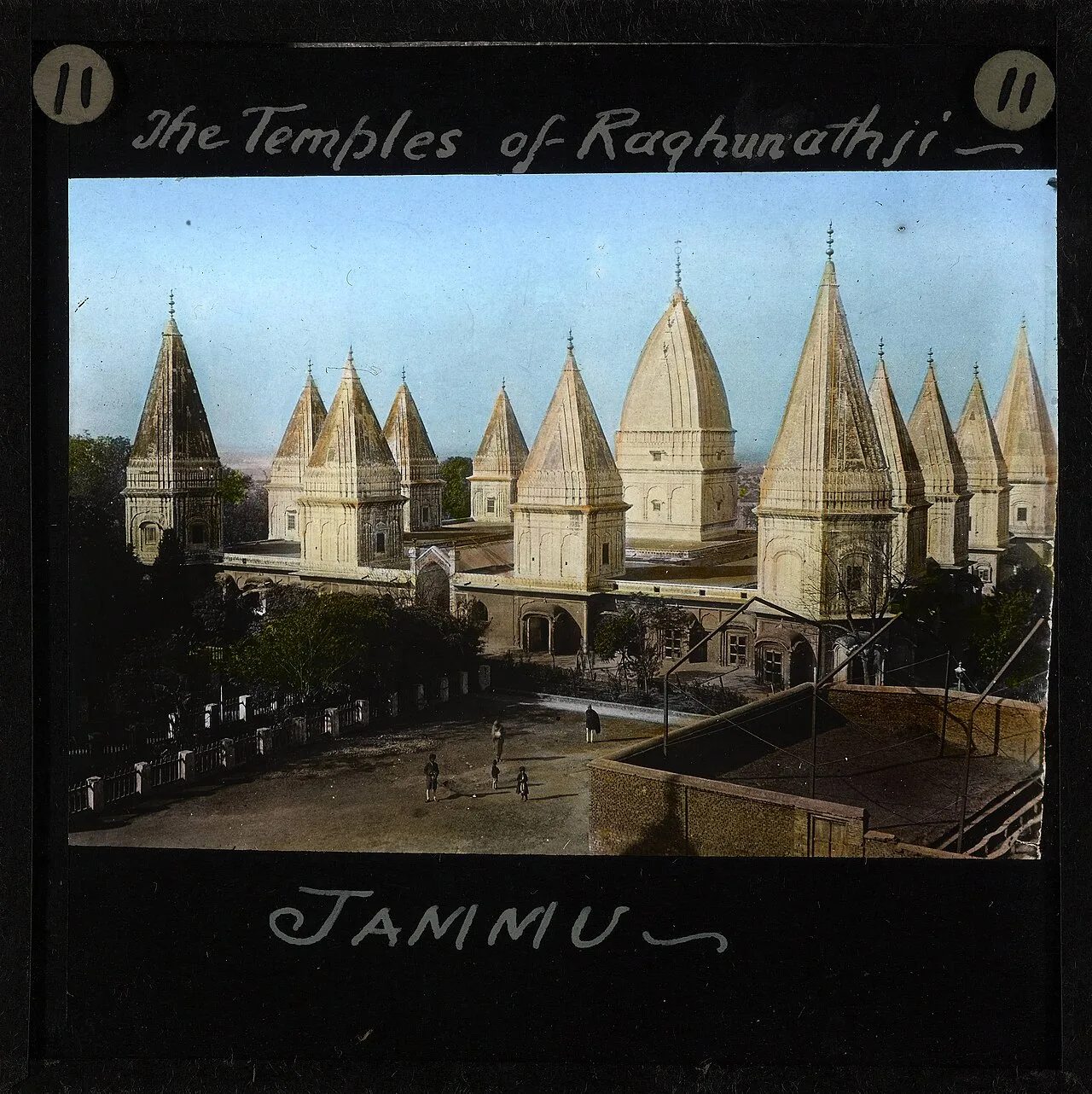
  • Raghunath Temple and gurdwaras in Jammu: Maghi and Baisakhi observances.
  • Dera Baba Banda Bahadur (Reasi district): an important Baisakhi gathering for Sikh devotees.
  • Rivers and ghats on the Tawi and Chenab: for Maghi baths.
  • Srinagar gurdwaras: Baisakhi services for the Valley's Sikh community.

Visitor guide

  • Weather. Lohri falls in the coldest period, with chilly nights in Jammu and snow in the higher areas. Pack warm clothing for bonfires. Baisakhi in April is mild to warm.
  • Being a guest. Visitors are generally welcome at community bonfires and gurdwara langars. Cover your head and remove shoes in gurdwaras, and avoid tobacco and alcohol on the premises.
  • Safety. Stay a safe distance from bonfires and sparks, keep children supervised and wear natural fibres rather than synthetics near fire.
  • Travel. The Jammu–Srinagar highway can face closures due to snow in winter. Check road and flight status in advance.
  • Etiquette. Join in the songs if invited, take part in the sharing of prasad and ask before photographing families.

Today and tomorrow

In recent decades, Lohri and Baisakhi have become broader community festivals, with neighbourhood associations and schools organising large bonfires, folk dance performances and children's competitions. Many families have introduced "first Lohri" celebrations for newborn daughters, a custom that is spreading and that challenges older preferences for sons. At the same time, environmental concerns have encouraged the use of smaller bonfires and discouraged burning plastic. For farmers, both festivals remain tied to the agricultural year, even as city dwellers celebrate them as cultural occasions.

Nearby

Places to see around the festival