
Ghumoopedia — Explore, Discover, Experience
Sign in

Religious · Jammu & Kashmir

Herath (Kashmiri Shivaratri)

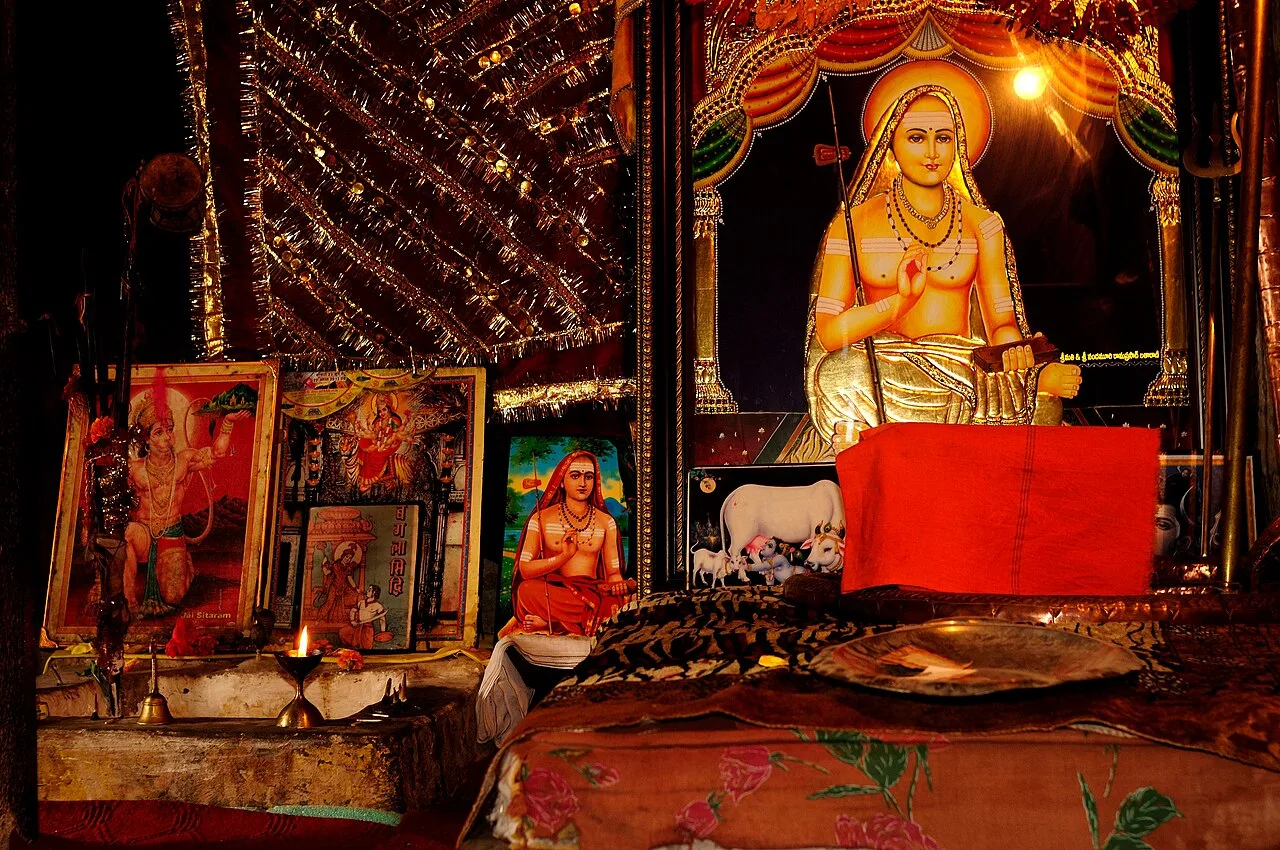
Kashmiri Pandit homes; Shankaracharya Temple, Srinagar

Dates

Last verified 17 November 2026. Confirmed: announced by organisers or government. Provisional: from a published almanac, not yet announced. Seasonal: no date announced.

The complete guide

Herath (Kashmiri Shivaratri): everything to know before you go

Also known as
Herath, Hairath, Hararatri (night of Hara/Shiva); Kashmiri Maha Shivaratri
Where
Observed across Kashmiri Pandit households in Srinagar and the Valley, in Jammu, Delhi and across India and the world
When
Around the thirteenth day of the dark half of Phalguna, February–March.
Duration
Several days of preparation and rituals, with the main puja on one night and celebrations over the following days
Faith and community
Kashmiri Pandits (Hindu); a deeply Kashmiri expression of Shiva worship
Type
Religious and family festival
Best for
Cultural travellers, those who want to understand Kashmiri Pandit traditions

Overview

Herath is the most important festival of the Kashmiri Pandits. Elsewhere in India, Maha Shivaratri is a day of fasting and night-long vigil at Shiva temples. In Kashmir, it is both a major religious observance and a joyful family reunion, with feasting, gifts and visits. It is also a Kashmiri festival in language, food and ritual, with its own prayers, utensils and customs.

The festival falls at the end of winter. Kashmir is often still snow-covered in early March, and the warmth of home, hearth and family is at its heart.
Origins and legend

The name Herath comes from Hararatri, "the night of Hara" (Shiva). In Kashmiri Pandit tradition, the festival marks the wedding of Shiva and Parvati, and the arrival of the god Shiva in the form of Vatuk Bhairav, who is worshipped as a protector and guest. Local stories associate the festival with the spread of Shaivism in Kashmir, a major philosophical tradition that flourished in the Valley for centuries and produced scholars such as Abhinavagupta.

The ritual is rooted in Kashmir's Shaiva traditions, with practices such as the worship of a pot (vagur) representing Vatuk Bhairav, and the ritual use of walnuts. Many of these customs are unique to the Valley and show how a pan-Indian festival acquired a local identity.

How it is celebrated

The celebration unfolds over several days.

  • Preparation: Houses are cleaned in the days before. The pooja room is decorated, and special earthen and copper vessels are kept ready. Families fast for part of the day.
  • Vatuk Puja (main night): Families set up the vagur (a pot) and other vessels in the household shrine, filled with water and walnuts, and worship Shiva, Parvati and Vatuk Bhairav through the night. Elders lead chants and prayers.
  • Overnight soak: The walnuts remain in the water overnight, and the next morning are treated as sacred.
  • Prasad of walnuts: Walnuts are distributed to relatives, neighbours and friends as prasad, a symbol of blessing. A day or so after the main puja, called Salaam, people visit each other to exchange greetings, walnuts and gifts.
  • Herath Kharcha: Children and younger members of the family receive small gifts of money, which is part of the fun.
  • The cycle ends: The festival's rituals end with a final puja a few days later, after which the pots are cleaned and stored.

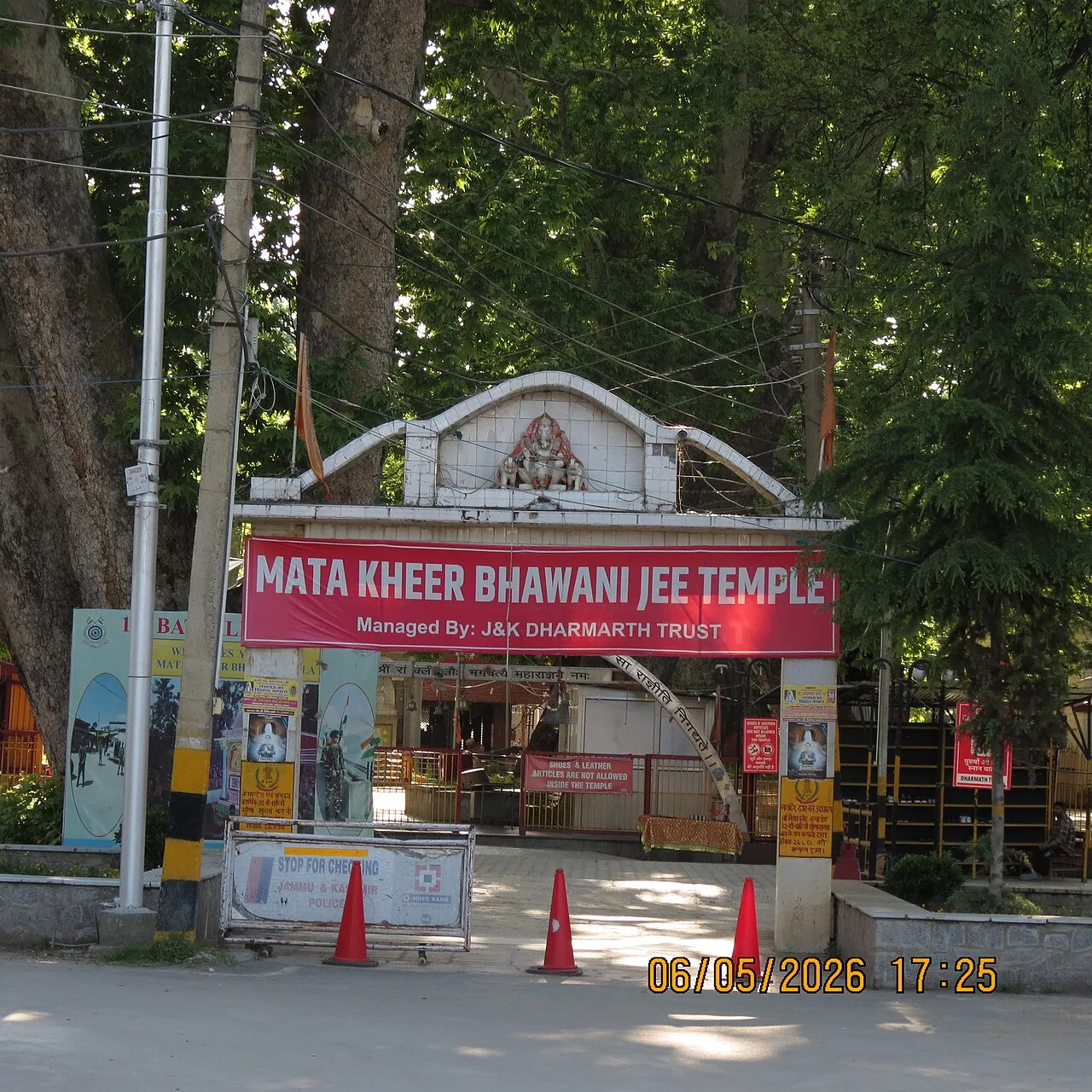
In the Valley's temples, including Srinagar's Hari Parbat (Sharika Devi) and Shankaracharya Temple, devotees offer prayers, but the main worship takes place at home.

Food and flavours

Herath is a feast, and the food is part of the festival's identity. Kashmiri Pandits, unlike many other Hindu communities, traditionally eat non-vegetarian food, and the Herath menu often features fish, mutton and chicken alongside vegetarian dishes. Typical dishes include:

  • Rogan josh and yakhni: mutton in red and white gravies.
  • Goshtaba and tabak maaz: meatballs and fried ribs, more typical of the wider Kashmiri wazwan tradition.
  • Fish dishes: such as fish cooked with turnip or in a mustard-oil gravy.
  • Dum aloo, haakh, nadru yakhni and chaman (paneer curry).
  • Walnuts, dry fruits and sweets: such as halwa and phirni, with kahwa to finish.

Families often prepare a special Herath thali, and sharing food with neighbours and relatives is an essential part of the celebration.

Music, dance, art and dress

The festival is rich in song and storytelling. Kashmiri Pandit families sing devotional songs (stuti), including verses by Lalleshwari (Lal Ded), the fourteenth-century Shaiva mystic poet. Traditional dress includes the pheran, a long woollen gown, and the taranga for women, with embroidery in the style of Kashmir. Home shrines are decorated with fresh flowers, lamps and brass vessels. In recent years, many Pandit organisations hold cultural events, music evenings and Herath Milan gatherings in Jammu, Delhi and abroad.

Where to experience it

  • Srinagar: Hari Parbat (Sharika Devi), Shankaracharya Temple and Ganpatyar Temple, where devotees gather in March.
  • Kashmir Valley temples: such as the Martand Sun Temple ruins in Anantnag district, a reminder of Kashmir's ancient Shaiva and Surya traditions.
  • Jammu: migrant townships such as Jagti and Purkhoo, where the community celebrates together.
  • Delhi and other cities: community halls and temples host Herath gatherings.

Visitor guide

  • Being invited. Herath is primarily a family festival, so most visitors will experience it through a friend or colleague. If invited to a Pandit home, bring fruit, sweets or dry fruit and be ready to remove your shoes at the door.
  • Travel and weather. Late February and March bring cold weather in Kashmir, and snow can disrupt road and air travel. Carry warm clothing and check conditions before travelling.
  • Respect. Herath includes deeply personal rituals. Observe quietly, ask before taking photographs and follow the family's lead.
  • Food. Because the menu usually includes non-vegetarian dishes, vegetarians should inform the host in advance. Alcohol is not typically part of the celebration.
  • Planning. Public events in temples and cultural centres are announced by community organisations and the tourism department; check local notices.

Today and tomorrow

For many Kashmiri Pandit families, Herath has become a way to carry Kashmir with them. Since the community's displacement in the 1990s, families spread across India and the world have kept the festival alive in new homes, sometimes with improvised vessels and ingredients. Younger members learn the rituals from elders and through online resources. In the Valley, a small number of returning families and local neighbours have started to share greetings and walnuts, and community groups hold cultural programmes. Efforts to document Kashmiri Pandit heritage, restore temples and encourage return are ongoing, and Herath remains a powerful symbol of continuity.

Nearby

Places to see around the festival