
District · Jammu and Kashmir
Poonch
Poonch lies in the western part of Jammu and Kashmir, in the Pir Panjal region close to the Line of Control.
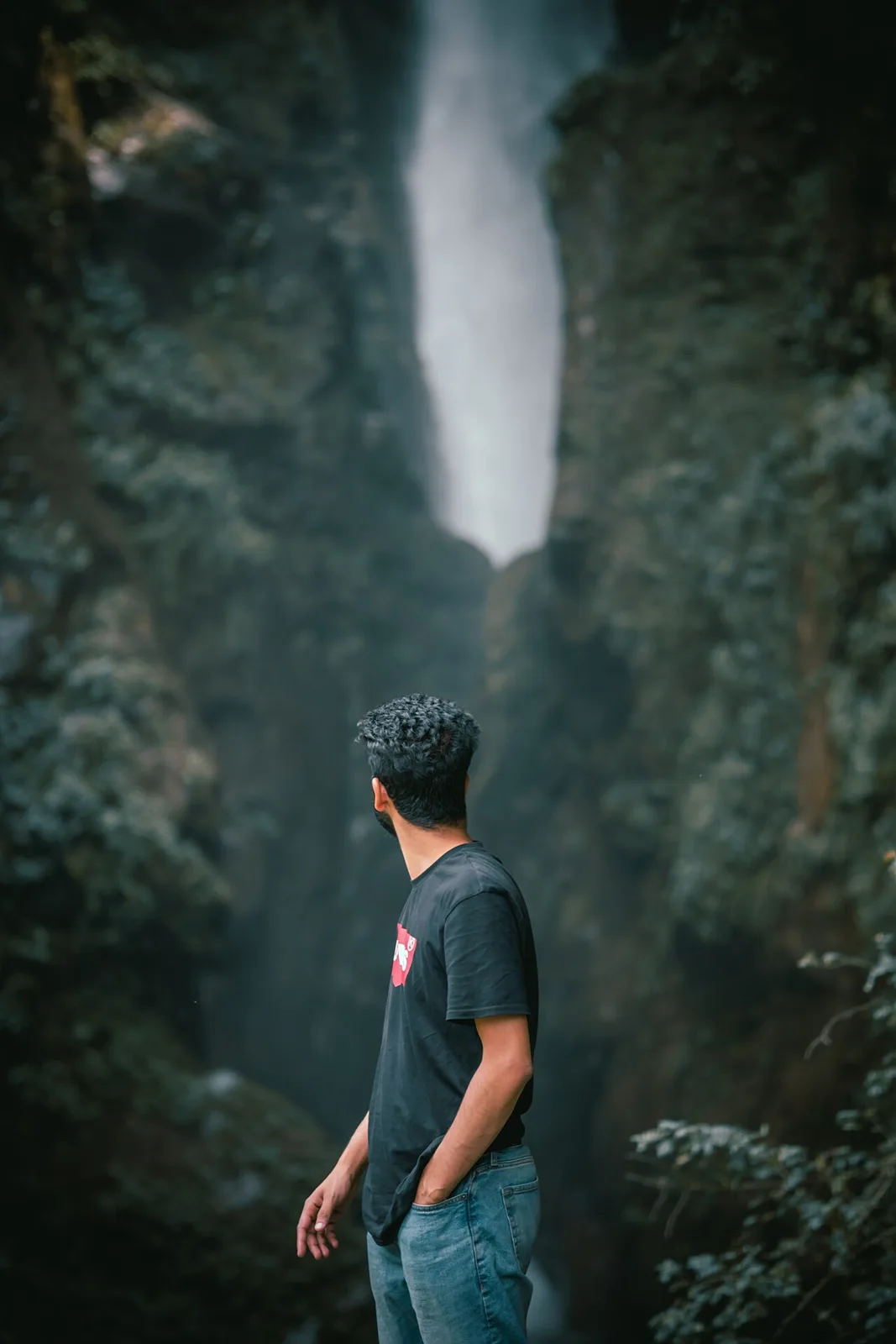
Poonch district lies in the western part of Jammu and Kashmir, among the valleys, forested slopes and high ridges of the Pir Panjal range. The Poonch River and its tributaries shape parts of the landscape, while the mountain setting gives places such as Noori Chamb their dramatic surroundings. The district borders the Line of Control and has a layered history, including connections with the former princely state of Jammu and Kashmir and historic routes across the mountains. Its character reflects Pahari, Gujjar-Bakarwal, Dogra and Kashmiri influences. Towns and villages sit amid steep terrain, and travel between them can be slower than a map suggests.
Poonch lies in the western part of Jammu and Kashmir, in the Pir Panjal region close to the Line of Control. Its steep mountain setting, forested slopes and links with historic routes across the range give the district a distinct place in the region. Visitors come for the scenery, the cultural mix shaped by Pahari, Gujjar-Bakarwal, Dogra and Kashmiri communities, and sights such as Noori Chamb, a waterfall in the headwaters of the Poonch River. Poonch is best approached as a mountain district where road journeys and local conditions are part of the experience.
Poonch’s history reflects its position on routes linking the Jammu hills with the Kashmir Valley. The wider region came under successive powers, including the Mughals, and mountain paths across the Pir Panjal were used for travel and exchange. Poonch later developed as a local principality and jagir under rulers connected with the Jammu Dogra house; its political status changed during the nineteenth and twentieth centuries as regional authority shifted. Under British paramountcy, the princely state of Jammu and Kashmir remained a princely state, while Poonch had a distinct local administration and history. The 1947 partition and the ensuing conflict divided the wider Poonch region, leaving the district on the Indian-administered side near the Line of Control. Poonch became a district in the Jammu and Kashmir administrative system after independence; its present boundaries and administration reflect later changes within the former state. Since 2019, it has been part of the Union Territory of Jammu and Kashmir. The historic Mughal Road remains a reminder of older links across the mountains, though its availability depends on conditions.
Poonch’s food reflects traditions shared across the wider Jammu and Kashmir region, alongside local Pahari tastes. In the Jammu region, rajma-chawal and Dogra preparations such as ambal and auria are familiar; Kashmiri dishes include rogan josh, yakhni, gushtaba and rista, as well as nadru and haak saag. Kahwa and salty noon chai are also enjoyed regionally. Menus vary by place and season, and small eateries may prepare only a few dishes each day. Ask what is fresh; vegetarian choices are available alongside meat dishes in many towns.
Craft traditions in Poonch sit within the diverse heritage of Jammu and Kashmir. Woollen weaving and embroidery are part of broader regional craft traditions, while Kashmir is also known for carpets, papier-mâché and fine shawl work. These crafts should not be assumed to be made in every Poonch village or sold at every stop. In town markets, visitors may find practical locally made goods as well as products brought from elsewhere in the region. Ask sellers about the maker and place of origin when provenance matters.
Eid festivals are observed by Muslim communities across the district, while Hindu communities celebrate occasions such as Baisakhi, Lohri and Navratri. Seasonal religious gatherings and local fairs also reflect Poonch’s varied communities; practices and scale differ between towns and villages. These occasions can bring more visitors to local centres and increase demand for rooms, particularly around major holidays, though crowds are generally local and regional rather than uniform across the district. Travellers should check locally for event schedules and arrange accommodation ahead when visiting during a major festival.
Elsewhere in Jammu and Kashmir
- Shri Amarnath YatraDates to be announced · Seasonal
- Kheer Bhawani Mela (Zyeth Atham)Dates to be announced · Seasonal
- Herath (Kashmiri Shivaratri)Dates to be announced · Seasonal
- Navreh (Kashmiri New Year)Dates to be announced · Seasonal
- Eid & the Shrine Festivals of KashmirDates to be announced · Seasonal
- Bahu MelaDates to be announced · Seasonal
- Jhiri Mela23 Nov 2026 – 3 Dec 2026 · Confirmed
- Lohri & Baisakhi in JammuDates to be announced · Seasonal
- Tulip Festival, SrinagarDates to be announced · Seasonal
Poonch is a mountainous district of valleys, steep forested slopes and high ridges in the Pir Panjal range. The Poonch River and its tributaries shape parts of the terrain, while Noori Chamb lies amid the dramatic scenery of the river’s headwaters. Settlements are spread across valleys and slopes rather than a broad, level plain. This terrain makes road travel winding and sometimes slow; journeys between nearby places can take longer than a map suggests. Mountain weather, road conditions and seasonal access can affect plans, especially on routes crossing higher ground.
Summer is generally more comfortable in the mountains than in the lowlands, though days can be warm and conditions change with altitude. The monsoon period brings rain, which can make hillside roads slippery and may disrupt travel. Winter is cold, particularly at higher elevations, and snow or icy conditions can affect mountain routes. Late spring and autumn are often convenient seasons for a visit, but access should be checked close to travel, especially for the Mughal Road. Pack layers, a warm jacket, sturdy shoes and rain protection; in winter, bring additional warm clothing and check road advisories before setting out.
Poonch has no railway station or airport within the district. Jammu Tawi is a principal rail gateway, and travellers can continue by road towards Rajouri and Poonch, including on National Highway 144A. For air travel, Jammu Airport and Sheikh ul-Alam International Airport at Srinagar are possible gateways; the more practical choice depends on the route and current conditions. The Mughal Road links the Poonch-Rajouri area with the Kashmir Valley, but mountain-road access can be affected by weather or closures. Buses, shared taxis and hired vehicles are used for onward travel; check current services locally before setting out.
Roads connect Poonch town with places including Rajouri and the district’s other settlements, but steep terrain and winding routes make journeys slow. Local buses and shared jeeps operate on some routes, with availability varying by location and conditions. Taxis or hired vehicles offer greater flexibility for reaching sights such as Noori Chamb, but confirm road access locally before departure. Auto-rickshaws may be available for short trips in town. There is no railway station or airport within the district, and onward travel depends on road connections. Check current services and conditions rather than relying on a fixed schedule.
2 days: Poonch town → Noori Chamb; sleep in Poonch town on night 1. 3 days: Poonch town → Noori Chamb → Poonch town; sleep in Poonch town on nights 1 and 2, allowing extra time for mountain-road conditions.
Poonch town is the most practical base for a short visit to Noori Chamb and for arranging onward transport. For a longer circuit, staying in town for both nights avoids changing accommodation while allowing flexibility if mountain roads are slow or disrupted. Accommodation in the district is generally concentrated in town centres and may include hotels, guesthouses and some homestays; government lodges or dharamshalas may be available in particular places. Choices can be limited outside the main town, so confirm availability locally, especially during festival periods.
Mountain roads can be narrow, winding and affected by rain, snow or landslides; check current conditions and avoid rushing journeys. Stay on established paths near waterfalls and steep slopes, and do not approach restricted areas along the Line of Control. Carry drinking water and basic medicines, and use treated or reliably supplied water. Follow local advice about weather and wildlife, and seek medical help in a town for significant illness or injury. Confirm any current access rules or permit requirements with official local sources before travel.
- Shopianabout 10 km
- Kulgamabout 34 km
- Budgamabout 42 km
- Baramullaabout 49 km
- Pulwamaabout 65 km
- Srinagarabout 68 km
- Reasiabout 73 km
- Anantnagabout 86 km
Straight-line distance between the centres of each district's destinations; road distance is longer.
Q: How many days should I spend in Poonch? A: Two days can suit a short visit to Noori Chamb; three days allow more flexibility for slow mountain roads and changing conditions. Q: When is the best time to visit? A: Late spring and autumn are often convenient, though weather and road access should be checked before travel. Q: Where is the best base for visiting Noori Chamb? A: Poonch town is the most practical base for arranging local transport and accommodation. Q: How do I get to Poonch? A: Travel by road from a gateway such as Jammu; there is no airport or railway station within the district. Q: Is Poonch suitable for families or elderly travellers? A: It can be, but winding roads, uneven terrain and limited services outside town may make some outings tiring; plan at a comfortable pace and check access locally.
This page draws on our 1 destination guides for Poonch and is updated as our team checks it.
Be the first to share photos, stories, advice or a helpful contact for Poonch.
Loading…