
Ghumoopedia — Explore, Discover, Experience
Sign in

Religious · Jammu & Kashmir

Eid & the Shrine Festivals of Kashmir

Hazratbal and Dastgeer Sahib, Srinagar

Dates

Last verified 17 November 2026. Confirmed: announced by organisers or government. Provisional: from a published almanac, not yet announced. Seasonal: no date announced.

The complete guide

Eid & the Shrine Festivals of Kashmir: everything to know before you go

Also known as
Eid-ul-Fitr, Eid-ul-Adha (Eid-e-Qurban), Eid-e-Milad (Milad-un-Nabi), Gyarvin Sharif; shrine observances at Hazratbal and Khanyar
Where
Across the Valley, with major gatherings in Srinagar (Hazratbal Shrine on the Dal Lake, Dastgeer Sahib shrine in Khanyar, Khanqah-e-Moula, Jamia Masjid and Eidgah) and in Budgam, Baramulla and other districts
When
Islamic calendar dates that shift about 11 days earlier each year.
Faith and community
Muslim; Kashmir's Sufi and Rishi traditions give these festivals a distinct local character
Type
Religious festivals and shrine gatherings
Best for
Cultural and spiritual travellers who want to experience living Sufi traditions

Overview

Kashmir's Muslim majority celebrates the major festivals of Islam with deep devotion and a unique local flavour, shaped by centuries of Sufi influence. Eid-ul-Fitr ends the month of Ramadan with prayers, charity and feasting. Eid-ul-Adha commemorates the willingness of Prophet Ibrahim to sacrifice his son and is marked by prayers and the sharing of meat. Eid-e-Milad celebrates the birth of Prophet Muhammad with processions, recitations and special prayers.

In Kashmir, these festivals are as much about shrines as they are about mosques. People gather at Sufi dargahs such as Hazratbal and Dastgeer Sahib, where the atmosphere is one of devotion, music-free recitation, and community. The shrines are also important meeting places for people of different backgrounds, and the Valley's Sufi tradition, often called Kashmiriyat, is rooted in a culture of tolerance.
Origins and legend

Islam spread in Kashmir from the fourteenth century through Sufi saints, especially the Persian scholar Mir Syed Ali Hamadani (Shah-e-Hamdan), who is remembered at Khanqah-e-Moula in Srinagar, and the indigenous Rishi order, associated with Sheikh Noor-ud-Din Noorani (Nund Rishi) of Charar-e-Sharief in Budgam. Their teachings blended Islamic spirituality with local traditions, which is why shrines remain central to religious life.

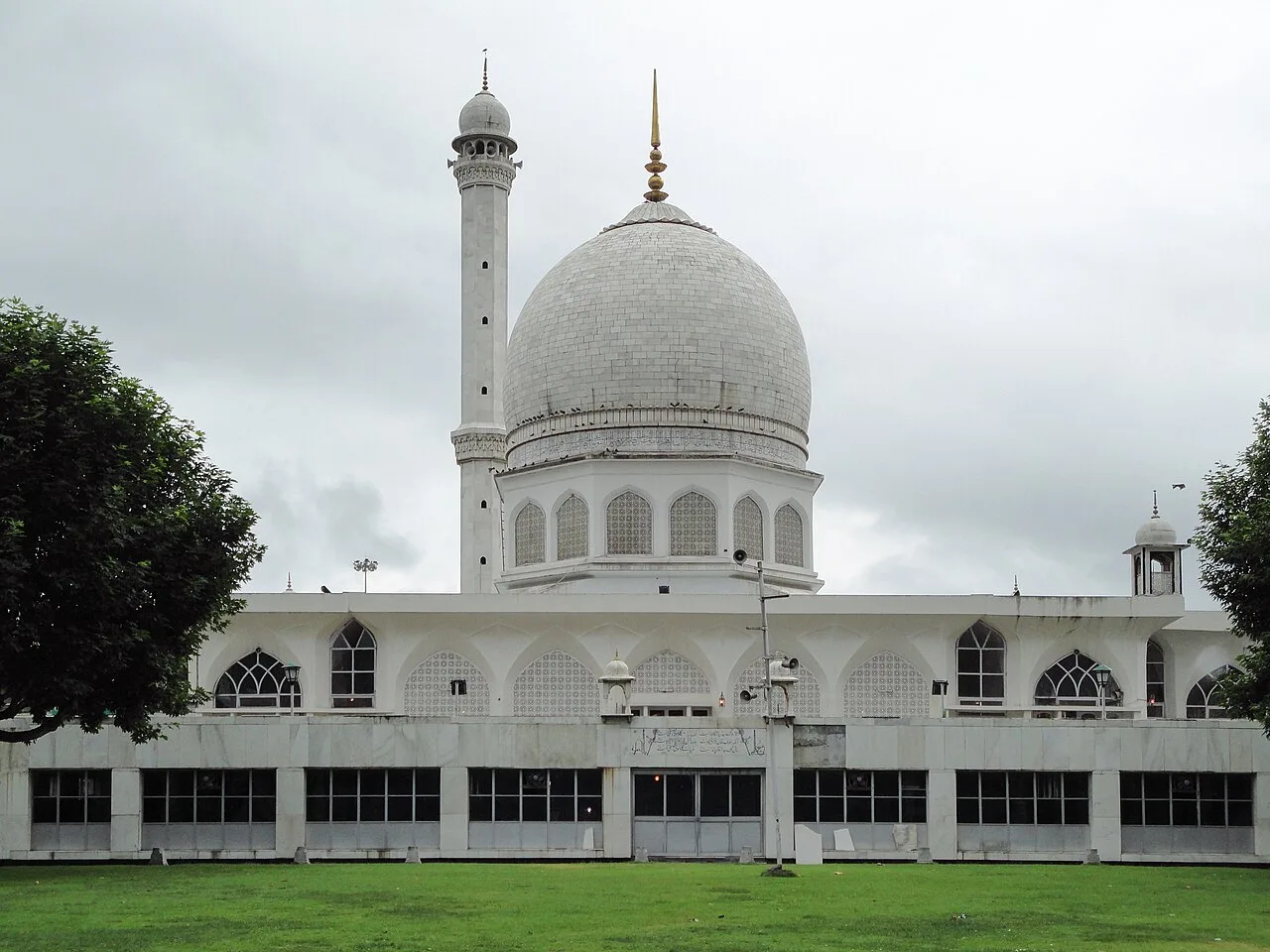
The Hazratbal Shrine is the most famous mosque in Kashmir. It stands on the northwest bank of the Dal Lake and houses the Moi-e-Muqaddas, a relic that Kashmiris believe to be a hair of Prophet Muhammad. The relic is displayed to the public only on special days. The Dastgeer Sahib shrine in Khanyar, Srinagar, is dedicated to Sheikh Abdul Qadir Jilani, the twelfth-century Sufi master, who is known locally as Dastgeer Sahib and is remembered at the monthly Gyarvin Sharif gathering on the eleventh of the Islamic month and especially at his annual commemoration.

How it is celebrated

Eid-ul-Fitr. After a month of fasting, the new moon is awaited. On the morning of Eid, people bathe, put on new clothes, and gather for special prayers at the Eidgah, large mosques and shrines. Charity (zakat al-fitr) is given before prayers. After prayers, families embrace, visit relatives and receive Eidi, small gifts, especially for children.

Eid-ul-Adha. The festival follows the Hajj season. Prayers are held in the morning, and families who can afford it sacrifice an animal and divide the meat among relatives, neighbours and the poor.

Eid-e-Milad. Streets and mosques are decorated, and people gather for naat (poems in praise of the Prophet), sermons and recitations of the Quran. At Hazratbal, special prayers are held and the relic is displayed on certain nights, drawing large crowds.

Shrine observances. On special nights, thousands gather at Hazratbal, Dastgeer Sahib, Khanqah-e-Moula and Charar-e-Sharief for night-long prayers, recitations of the Quran and sermons. The Urs (death anniversary) of Sufi saints is marked by prayer, charity and community meals.

Food and flavours

Kashmiri Eid food is a highlight. A feast typically includes dishes from the wazwan, the traditional multi-course meal: rogan josh, tabak maaz (fried ribs), goshtaba, rista (meatballs in red gravy), yakhni (yoghurt gravy) and rice. Bread such as girda and lavasa is bought fresh from bakeries in the morning, often served with butter and noon chai (pink salted tea) or kahwa. Sweets and dry fruit are shared. During Ramadan, families break their fast with dates, kandur bakery breads and savoury snacks. On Eid-ul-Adha, meat is shared widely. Many families cook food for neighbours and give to the poor.

Music, dance, art and dress

The soundscape is devotional: Quranic recitation, naat, manqabat (verses in praise of saints) and, in some shrine traditions, Sufiana music. People wear their best clothes for Eid; women often wear embroidered pherans, Kashmiri shawls and gold jewellery, while men wear kurta-pyjama or traditional pheran. Mosques and shrines are decorated with lights, flowers and calligraphy. Kashmiri artisans produce papier-mâché items, carpets and shawls, and Eid is a busy shopping season in Srinagar's markets around Lal Chowk and the old city.

Where to experience it

  • Hazratbal Shrine (Srinagar): on the Dal Lake, a white marble mosque with beautiful views.
  • Dastgeer Sahib Shrine (Khanyar, Srinagar): the shrine of Abdul Qadir Jilani.
  • Khanqah-e-Moula (Srinagar): a wooden shrine on the banks of the Jhelum.
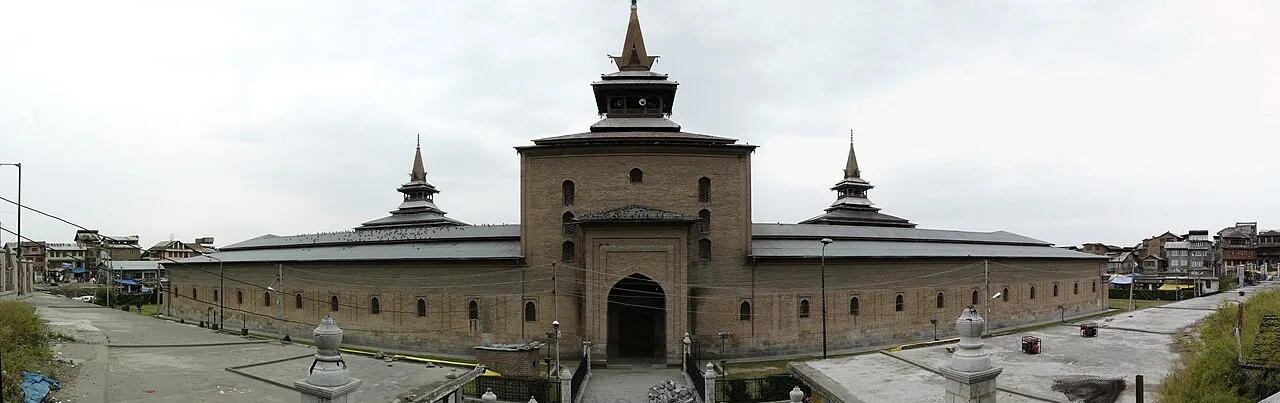
  • Jamia Masjid and Eidgah (Srinagar): historic congregational sites.
  • Charar-e-Sharief (Budgam district): the shrine of Sheikh Noor-ud-Din Noorani.
  • Pir Dastgeer, Aali Masjid and other shrines: across the districts of Anantnag, Baramulla and Kupwara.

Visitor guide

  • Etiquette. Dress modestly, covering arms and legs, and women should cover their heads at shrines. Remove shoes before entering. Non-Muslim visitors are often welcome in outer courtyards of major shrines, but access to inner areas varies, so ask politely and follow instructions from staff and volunteers.
  • Photography. Avoid photographing worshippers without permission, particularly during prayers, and follow signs at each site.
  • Crowds and timing. Shrines are very busy on festival nights and Fridays. Plan to arrive early, and avoid peak hours if you prefer a quieter visit.
  • Travel and safety. Check current advisories before travelling, as local restrictions can apply during festivals. Keep valuables safe, and follow guidance from police and volunteers.
  • Food and manners. If invited for Eid, accept food graciously, bring sweets or dry fruit, and eat with your right hand. During Ramadan, avoid eating or drinking in public during daylight hours out of respect.

Today and tomorrow

The Eid festivals and shrine gatherings remain central to Kashmiri life and identity. Local organisations and shrine committees run charity drives, food distribution and medical camps during the festivals. Authorities and community groups have worked in recent years to restore historic shrines, including Khanqah-e-Moula and Dastgeer Sahib, and to protect heritage architecture, much of which is made of wood and papier-mâché. Younger Kashmiris combine traditional devotion with new forms such as online recitation and social media. The shrines' role as places that welcome people of different backgrounds continues to be an important part of the Valley's cultural story.

Nearby

Places to see around the festival
