Ghumoopedia — Explore, Discover, Experience
Sign in

Kumbh & Pilgrimage · Jammu & Kashmir

Shri Amarnath Yatra

Amarnath Cave, via Pahalgam or Baltal

Dates

Last verified 17 November 2026. Confirmed: announced by organisers or government. Provisional: from a published almanac, not yet announced. Seasonal: no date announced.

The complete guide

Shri Amarnath Yatra: everything to know before you go

Also known as
Amarnath Yatra, Baba Barfani darshan
Where
Amarnath Cave, Himalayas of south Kashmir; routes start in Anantnag district (Pahalgam) and Ganderbal district (Baltal, near Sonamarg)
When
Summer pilgrimage, usually July to the Shravan Purnima / Raksha Bandhan day (August).
Organiser
Shri Amarnathji Shrine Board (SASB)
Faith and community
Hindu pilgrimage, supported by the local Kashmiri Muslim community of ponywalas, porters and tent providers
Type
High-altitude pilgrimage
Altitude
The cave lies at about 3,888 m (12,756 ft)
Best for
Devotees and experienced trekkers; not a casual trip

Overview

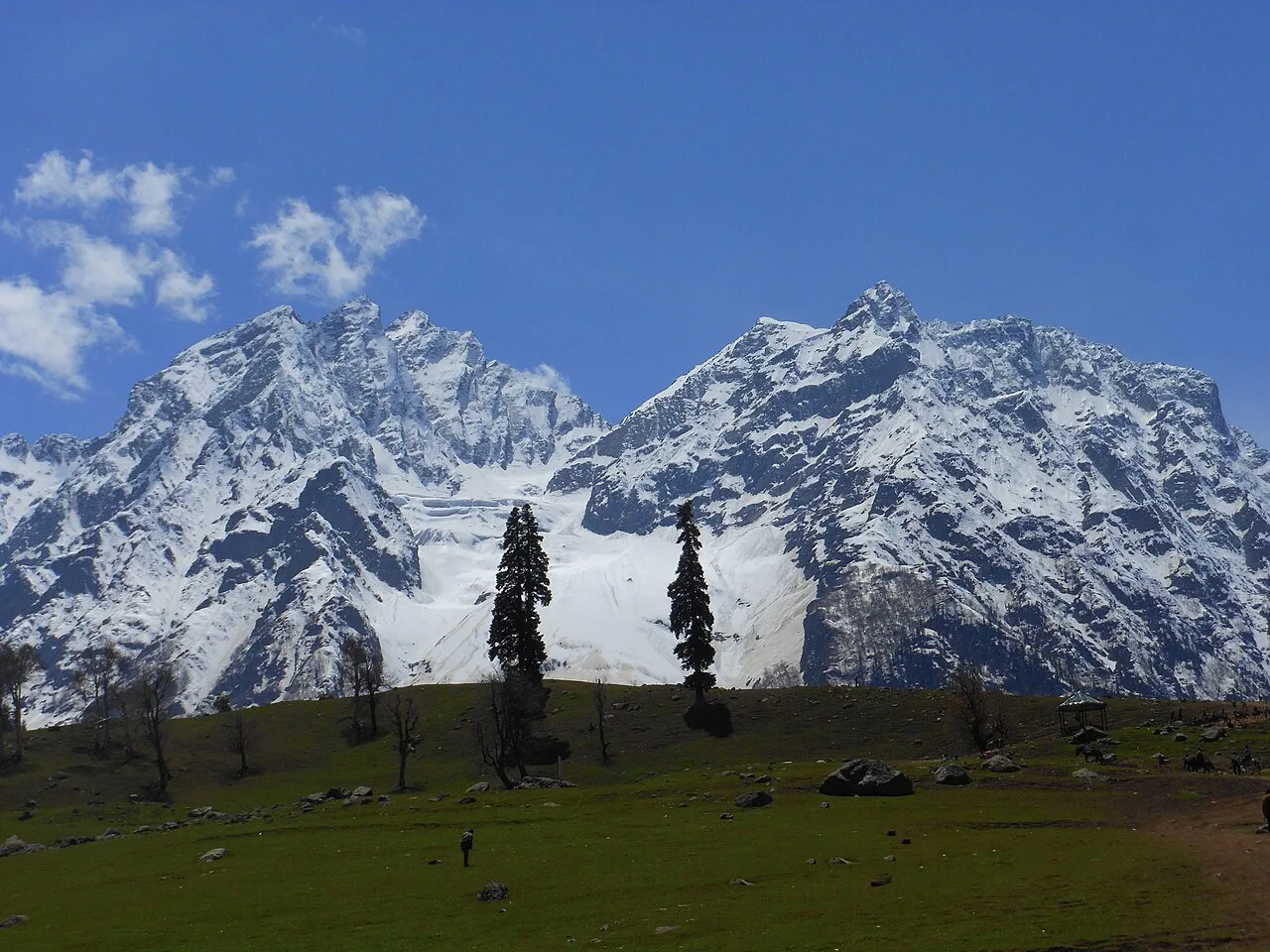
Every summer, a stream of pilgrims winds through the valleys and glaciers of the Kashmir Himalayas toward a cave where a natural ice formation takes the shape of a Shivalinga. Devotees call it Baba Barfani, the "snow lord". The formation builds up in spring and early summer, grows to its fullest around the full moon of Shravan, and melts away as the season ends.

For the pilgrims, the journey is as important as the destination. The trek is cold, tiring and at high altitude, and yet people of all ages, from teenagers to grandparents, walk or ride ponies through snow and mist, shouting "Bam Bam Bhole" along the way. The yatra is one of the largest annual pilgrimages in India, and one of its more demanding ones.
Origins and legend

The most widely told tradition holds that Shiva chose this cave to tell his consort Parvati the secret of immortality (the Amar Katha). He left behind his bull Nandi, the moon on his head, and his serpents at various places along the route; the stops at Pahalgam (Bailgam, "village of the bull"), Chandanwari and Sheshnag are said to be named after these events. The tradition also says that a pair of pigeons overheard the story and became immortal, and some pilgrims report seeing a pair of white pigeons near the cave.

Another local story credits a Muslim shepherd, Buta Malik, with rediscovering the cave in the nineteenth century. Members of the Malik family served as guides and shared in the offerings for generations, and many local Muslims still work as pony handlers, porters and guides, which has made the yatra an unusual example of shared livelihood. The cave is also revered as one of the Shakti Peethas, associated with Mahamaya.

Pilgrimages to Amarnath are mentioned in old Sanskrit texts, including the Rajatarangini, which suggests a history of many centuries. In its modern form, the yatra is managed by the Shrine Board, which sets dates, registers pilgrims and arranges facilities.

How it is celebrated

The yatra has a defined ritual and logistical structure.

  • Registration and health certificate: Pilgrims must register in advance with the Shrine Board and submit a compulsory health certificate.
  • Two routes: The traditional Pahalgam route (Anantnag district) covers about 45 km and usually takes three to five days, with overnight halts at Chandanwari, Sheshnag and Panjtarni. The shorter Baltal route (Ganderbal district, from the Sonamarg side) is about 14 km one way and can be done in a day, though it is steep.
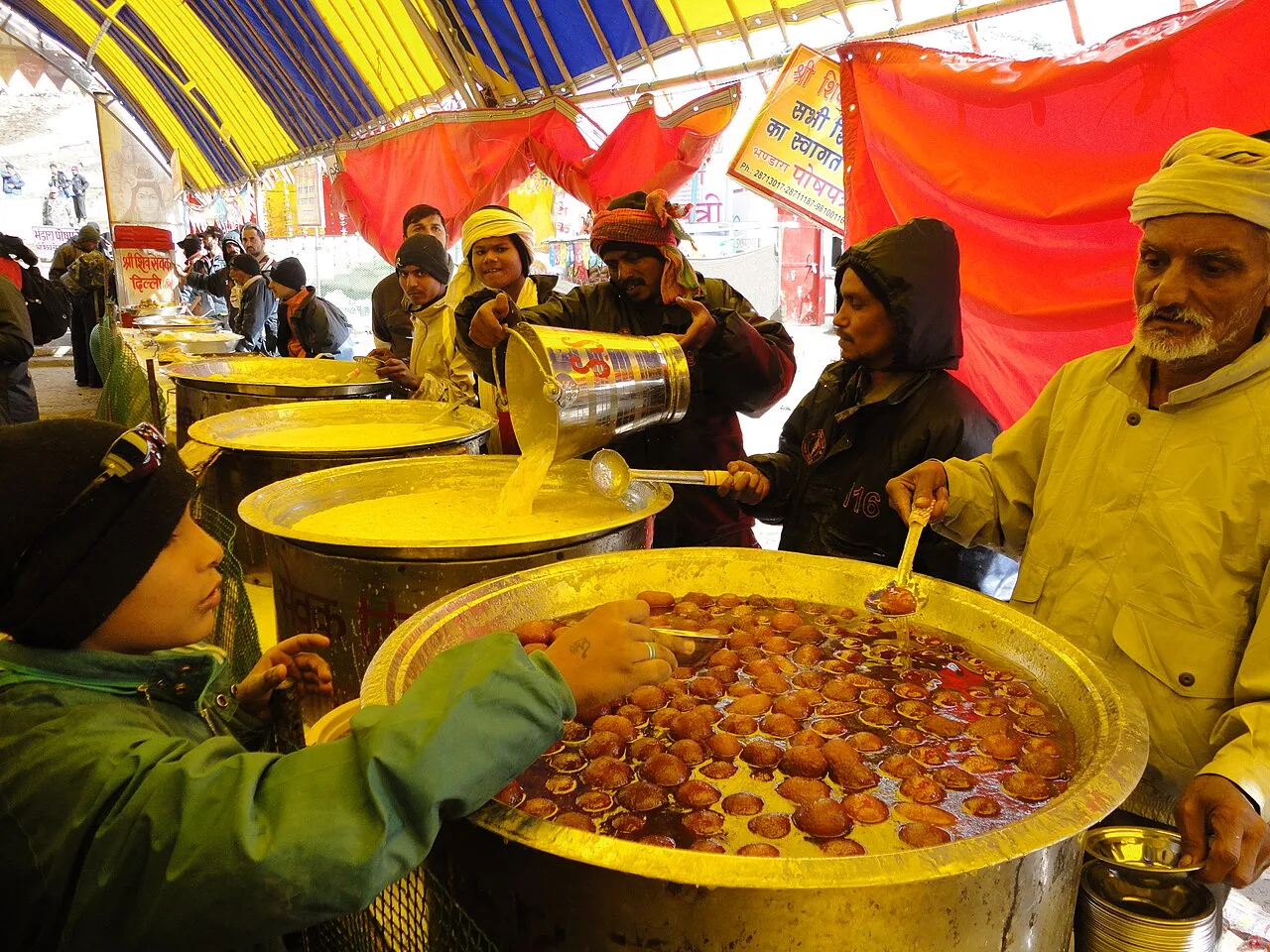
  • Camps and langars: Tent camps, medical posts and free community kitchens (langars), run by volunteers and organisations, line both routes.
  • Darshan at the cave: Pilgrims queue for a few minutes in front of the ice formation, chanting and offering flowers.
  • Chhari Mubarak: A ceremonial mace, carried by sadhus from Srinagar, travels to the cave and is the focus of the closing rites.

Food and flavours

Food on the route is simple and warming, designed for cold and altitude. Langars serve hot tea, kheer, dal-rice, halwa, puri-sabzi, pakoras and fruit, often free of charge, and the volunteers include groups from Punjab, Delhi, Gujarat and across India. At base camps, local vendors sell Kashmiri kahwa (saffron tea), noon chai (salted pink tea), bread and snacks. Hydration, dry fruit and energy snacks are more useful than rich food during the trek, and pilgrims are advised to avoid heavy meals before climbing.

Music, dance, art and dress

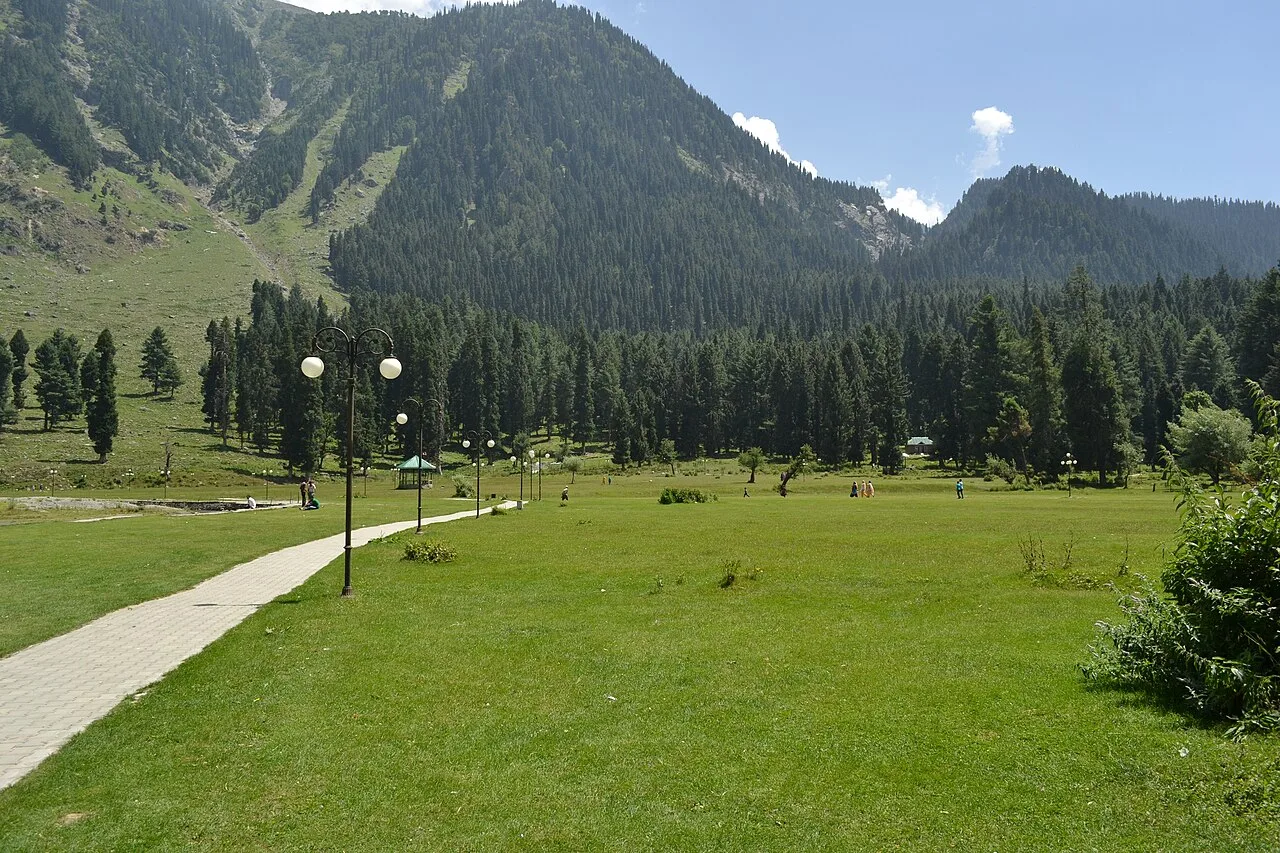
The soundtrack is devotional: hymns to Shiva, the sound of damru drums and group chants echo along the valley. Pilgrims wear layers, rain gear and sturdy shoes rather than ceremonial clothing, and many sadhus walk the route with ash-smeared bodies, orange robes and tridents. Ponywalas often sing as they lead their animals. The visual impression is of a long, colourful line of people against pine forests, glaciers and meadows, an experience that many photographers and pilgrims remember for life.

Where to experience it

  • Pahalgam (Anantnag district): the start of the traditional route and the main base camp at Nunwan.
  • Baltal (Ganderbal district): the base of the shorter route.
  • Chandanwari, Sheshnag and Panjtarni: the major stops on the Pahalgam route.
  • Srinagar: the Dashnami Akhara, from where the Chhari Mubarak procession begins.
  • Jammu (Bhagwati Nagar base camp): where pilgrims assemble and convoys depart for Kashmir.

Visitor guide

  • Planning and registration. Registration is mandatory, and the Shrine Board has opened advance registration in April for the July yatra in recent years, through its official website, its app and designated bank branches. Booking for a given date closes about a week before. Do not rely on unofficial agents.
  • Health and fitness. The cave is above 3,800 m, and altitude sickness is a real risk. Start walking regularly and building stamina at least a month before. Acclimatise for a day, carry prescribed medicines, and listen to medical staff on the route. Pregnant women, young children and those with heart or lung conditions should consult doctors before applying.
  • What to pack. Waterproof jacket, thermals, woollen cap and gloves, sturdy trekking shoes, a walking stick, torch, sunscreen, energy snacks and a small first-aid kit. Keep luggage light.
  • Weather and safety. Weather can change suddenly, with rain, snow and landslides. A cloudburst near the cave in July 2022 caused deaths, a reminder to follow advisories and to leave the area when instructed. Security arrangements are extensive, with convoys and checkpoints, so carry original photo ID and be prepared for checks.
  • Etiquette. Keep the route clean, avoid plastic, follow queue rules at the cave and respect the work of local pony handlers and porters, whose livelihoods depend on the season.

Today and tomorrow

The Shrine Board has extended the length of the yatra in recent years and added better lighting, shelters, medical posts and pre-paid services for ponies and palanquins, to improve safety and manage crowds. Environmental groups have raised concerns about waste, tent camps and pressure on fragile glacial areas, and the Board has promoted a plastic-free route and cleaner camps. The yatra remains a pillar of the local economy, supporting tens of thousands of Kashmiri workers. Its future depends on balancing numbers, safety, security and ecology in a very sensitive mountain environment.

Nearby

Places to see around the festival