
Ghumoopedia — Explore, Discover, Experience
Sign in

Fair & Mela · Jammu & Kashmir

Bahu Mela

Bawe Wali Mata, Bahu Fort, Jammu

Dates

Last verified 17 November 2026. Confirmed: announced by organisers or government. Provisional: from a published almanac, not yet announced. Seasonal: no date announced.

The complete guide

Bahu Mela: everything to know before you go

Also known as
Bahu Mela, Bave Wali Mata Mela, Kali Mata fair
Where
Bahu Fort, on the banks of the Tawi river, Jammu city, Jammu district
When
Twice a year, on Tuesdays and Sundays during Chaitra Navratri (March–April) and Sharad Navratri (September–October).
Duration
Nine days of Navratri, with fairs on special days
Faith and community
Hindu (Dogra culture); devotees of the goddess Kali as Bave Wali Mata
Type
Pilgrimage fair
Best for
Pilgrims, culture lovers, travellers who want to see local Dogra life

Overview

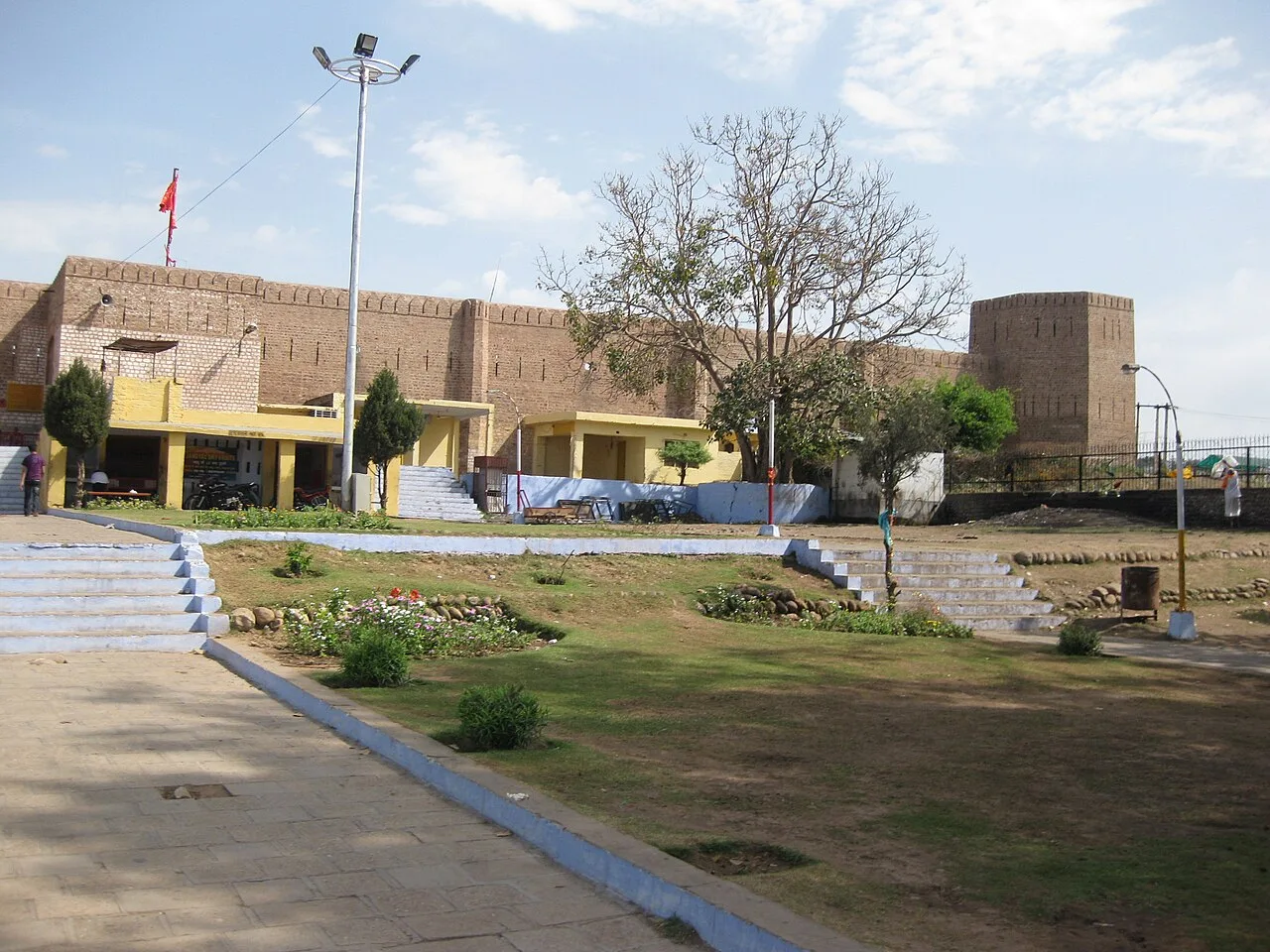
On the banks of the Tawi, a fort-like complex rises above the river. Inside stands the temple of Bave Wali Mata, a form of the goddess Kali, much loved by the people of Jammu. During Navratri, and especially on Tuesdays and Sundays, thousands of devotees climb the steps with coconuts, red cloth and flowers, and stalls line the approach, selling toys, sweets and bangles. The Bahu Mela is the best-known fair of Jammu city, a happy mix of worship, shopping and picnic.

For many Jammu families, a visit to the temple during Navratri is an annual tradition, often followed by a trip to the nearby Vaishno Devi shrine at Katra, about 50 km away.
Origins and legend

The fort is traditionally attributed to Raja Bahulochan (also called Bahu Lochan), a ruler of the area in ancient times, who is said to have built it about 3,000 years ago. The tradition holds that the goddess Kali appeared to the king and the temple was built to honour her. The goddess is called Bave Wali Mata, "the mother of the fort" (bave is derived from Bahu). The fort was later rebuilt and renovated by Dogra rulers in the nineteenth century, particularly under Maharaja Gulab Singh, and the present temple dates from that time.

Stories of the goddess's protection of the people of Jammu are passed down in families, and devotees believe that wishes made at the temple during Navratri are granted. As with many old shrines, history and legend overlap, and visitors will hear different versions from different priests.

How it is celebrated

  • Navratri days: The temple opens early, and devotees queue to enter. The main days of the fair are Tuesdays and Sundays of the Navratri period.
  • The offerings: Pilgrims bring coconuts, sweets, red chunri (scarf), flowers and incense, and receive prasad from the priests.
  • The fair: Stalls set up around the fort and along the river bank sell toys, bangles, religious items, sweets and snacks. Children enjoy rides and games.
  • Evening aarti: The evening prayers draw a large crowd, with the sound of bells and chants echoing over the Tawi.
  • Jagrans and bhajans: Devotional music nights are held in the neighbourhood, in the Dogra tradition.
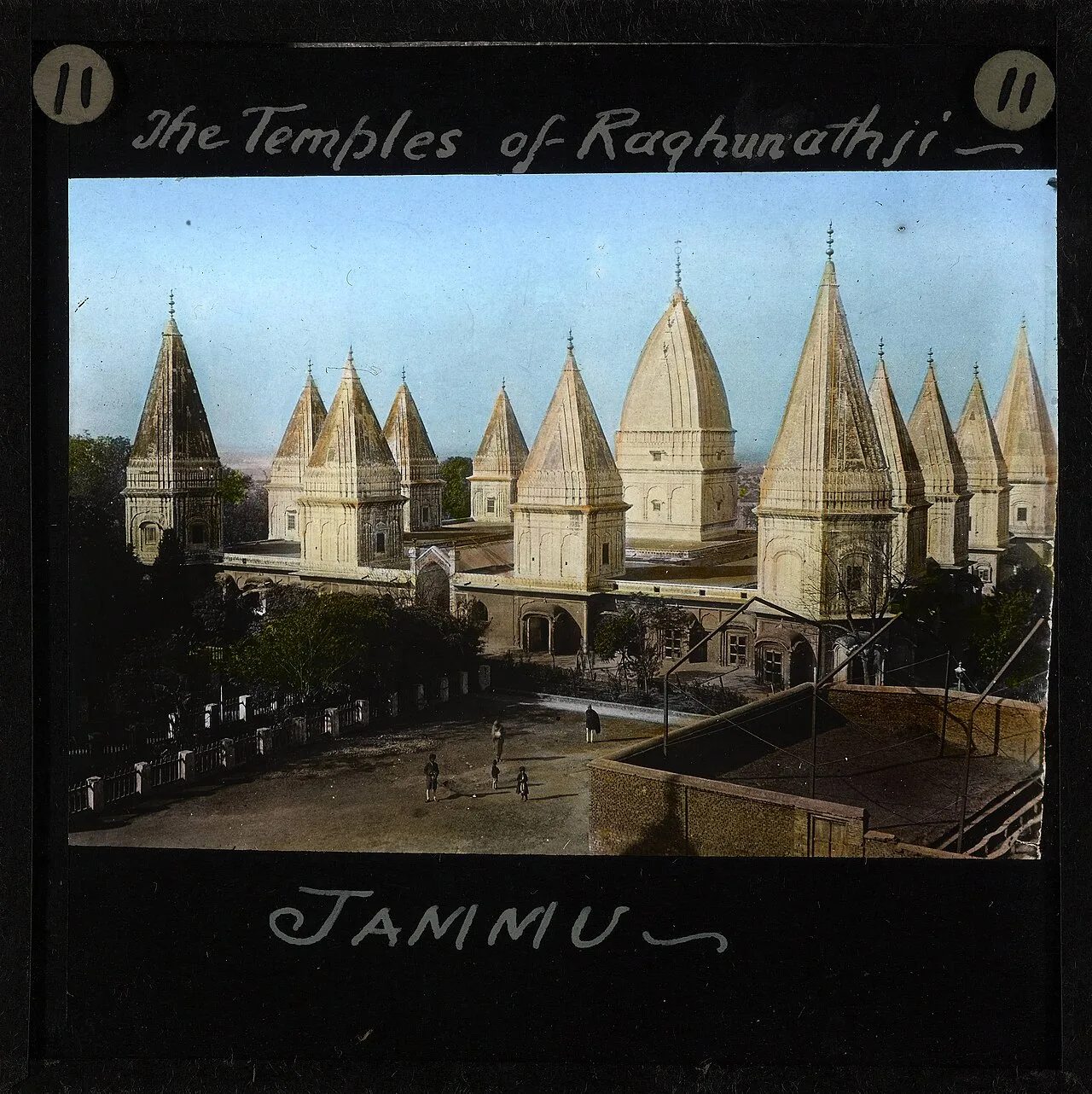
  • Combined visits: Many people add visits to nearby shrines such as the Peer Kho cave temple, the Raghunath Temple and Mahamaya Temple.

Food and flavours

Jammu's cuisine, known as Dogra food, is a major attraction of the fair. Visitors can look for:

  • Kalari kulcha: a toasted bread stuffed with the local Kalari cheese, a regional speciality.
  • Rajma-chawal: red kidney beans in thick gravy served with rice, a Jammu favourite.
  • Ambal and khatta meat: traditional Dogra dishes made with pumpkin or with sour gravies.
  • Chaat, jalebi, samosa and gol gappe: from stalls around the temple.
  • Sweets: such as barfi, peda and laddu, offered as prasad.

Many families carry packed food for picnics by the river or in the garden.

Music, dance, art and dress

The soundscape is Dogra: devotional songs to the goddess, folk songs in Dogri and the beat of the dhol. Folk dances such as Kud and Bhangra are performed on some occasions. People dress in their best traditional clothes: women in colourful salwar suits and saris with red scarves, men in kurta-pyjama. The Dogra craft tradition includes Basohli paintings, Pashmina and phulkari embroidery, and some stalls show local crafts. The setting adds to the experience: the fort walls, the temple's bell, and the Tawi river flowing below.

Where to experience it

  • Bahu Fort and Bave Wali Mata Temple (Jammu): the main site.
  • Bagh-e-Bahu: the terraced garden beside the fort, with fountains, an aquarium and views over the river.
  • Raghunath Temple (Jammu city): a large temple complex with many shrines.
  • Peer Kho Cave Temple (Jammu): a Shiva cave shrine on the Tawi's banks.
  • Mubarak Mandi Palace and Amar Mahal Museum: places to learn about Dogra history.
  • Vaishno Devi (Katra, Reasi district): the best-known pilgrimage in the region, about 50 km from Jammu.

Visitor guide

  • Getting there. Jammu has an airport and a major railway station (Jammu Tawi), with good connections to Delhi and other cities. Bahu Fort is a short drive from the city centre. Local autos and taxis are easy to find.
  • Timing. Tuesdays and Sundays during Navratri are the busiest. For a calmer visit, go on a weekday morning.
  • Weather. Chaitra Navratri in March–April is pleasant. Sharad Navratri in September–October is generally warm but comfortable. Jammu summers are very hot, so avoid midday visits in May–June.
  • Etiquette. Remove shoes before entering the temple, dress modestly and follow instructions from staff. Photography may be restricted inside the shrine.
  • Safety. Expect crowds and security checks. Keep bags small and valuables secure, and follow guidance from police and volunteers.
  • Where to stay. Jammu city has hotels at all price levels. Book early during Navratri, when pilgrims heading to Vaishno Devi also fill the rooms.

Today and tomorrow

The Bahu Mela continues to draw thousands of devotees and visitors each Navratri. The temple trust and the Jammu administration manage crowds, parking and sanitation, and the surrounding area has been developed with a promenade and gardens along the Tawi. Heritage groups are working to conserve the fort walls and promote Jammu as a heritage and pilgrimage destination beyond Vaishno Devi. Younger visitors often combine temple visits with riverfront outings and street food, keeping the fair a lively social event as well as a religious one.

Nearby

Places to see around the festival