
District · Jammu and Kashmir
Kupwara
Kupwara occupies Kashmir’s northern edge, where the settled Kashmir Valley meets forested mountains and high pastures.
Kupwara lies in northern Kashmir, where cultivated valleys give way to forested slopes, mountain pastures and high ridgelines. Its principal attractions include Bangus, also written Bungus, and Lolab, a Himalayan sub-valley of the larger Kashmir Valley. Together they introduce a district whose appeal rests on rural landscapes and mountain scenery rather than large urban attractions. Historically, Kupwara belongs to the wider cultural landscape of Kashmir, with village life shaped by farming, seasonal grazing and connections between neighbouring valleys. Kupwara town serves as an administrative and practical centre for exploring the district. This is also a sensitive border district: access to some outlying areas can depend on security conditions, weather and local permissions.
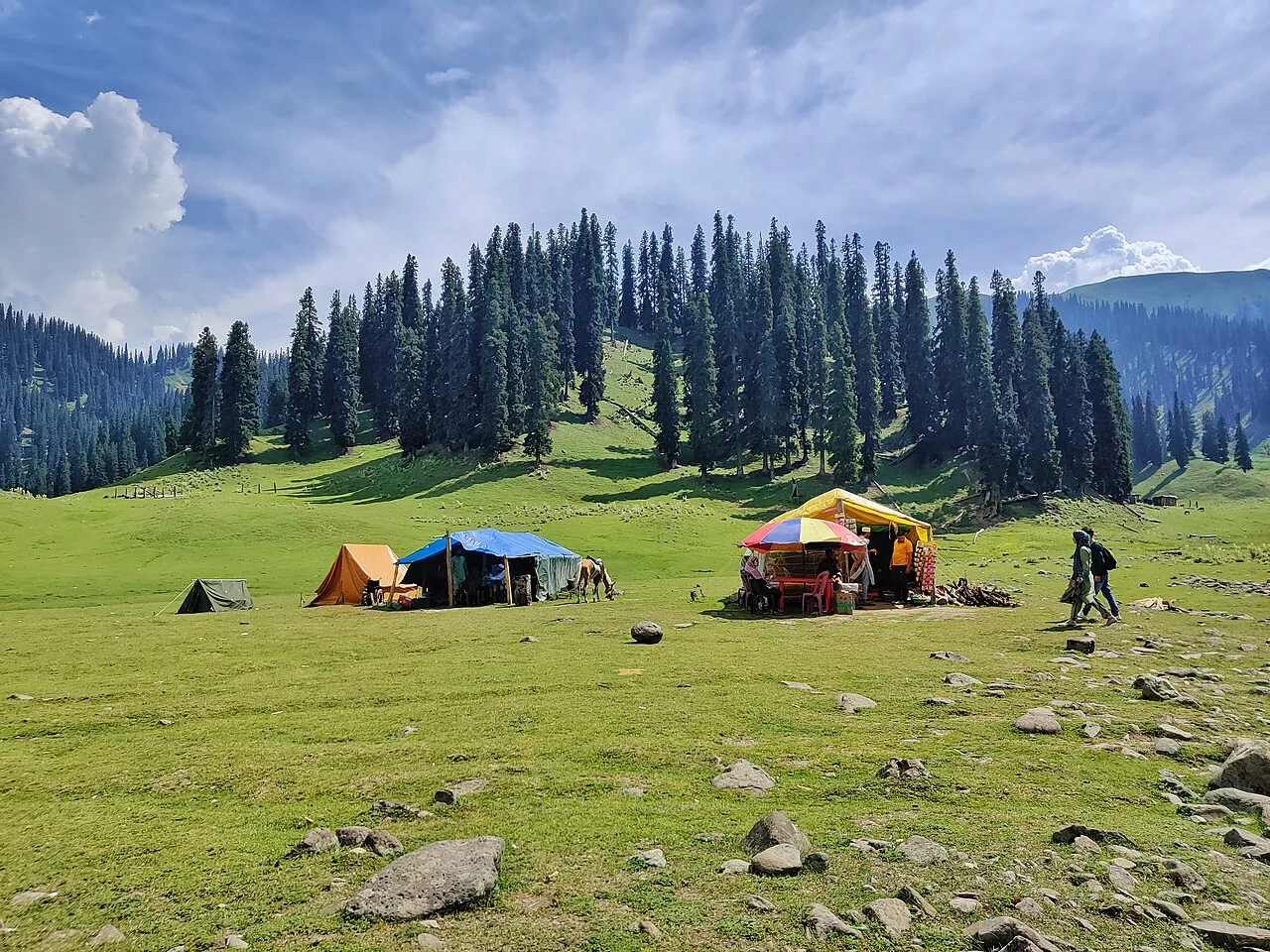
Kupwara occupies Kashmir’s northern edge, where the settled Kashmir Valley meets forested mountains and high pastures. It is best known to travellers for the rural scenery of Lolab Valley and the broad alpine meadows of Bangus, also called Bungus. These landscapes offer a quieter, nature-focused counterpoint to the better-known urban and lakeside attractions elsewhere in Kashmir. The district’s villages, fields and seasonal grazing grounds are part of the experience, as well as the mountain scenery. Kupwara town is the main practical base, but some outlying routes are sensitive and access can depend on security, weather and local permission.
Kupwara’s past is part of the wider history of Kashmir rather than a separate succession of kingdoms. The Kashmir Valley was ruled by Hindu and Buddhist dynasties in earlier centuries, followed by the Shah Mir Sultanate from the fourteenth century. Mughal rule began in the late sixteenth century; Afghan Durrani authority followed in the eighteenth century, and Sikh forces took control of Kashmir in 1819. In 1846, after the First Anglo-Sikh War, the Dogra dynasty established the princely state of Jammu and Kashmir under British paramountcy. The British did not govern the region as a directly administered province. After the princely state’s accession to India in 1947, the region became part of the contested history of Kashmir. Kupwara was constituted as a district in 1979, separated from Baramulla district. In 2019, Jammu and Kashmir’s state status changed and it became a union territory. Across these periods, village life in the district remained closely connected to cultivation, grazing and movement between valleys.
2 destination guides
Bangus Valley
Also known as Bungus Valley, Bangus is a valley in Kupwara district, Jammu and Kashmir. Visitors come for its mountain scenery, woodland and clear streams.
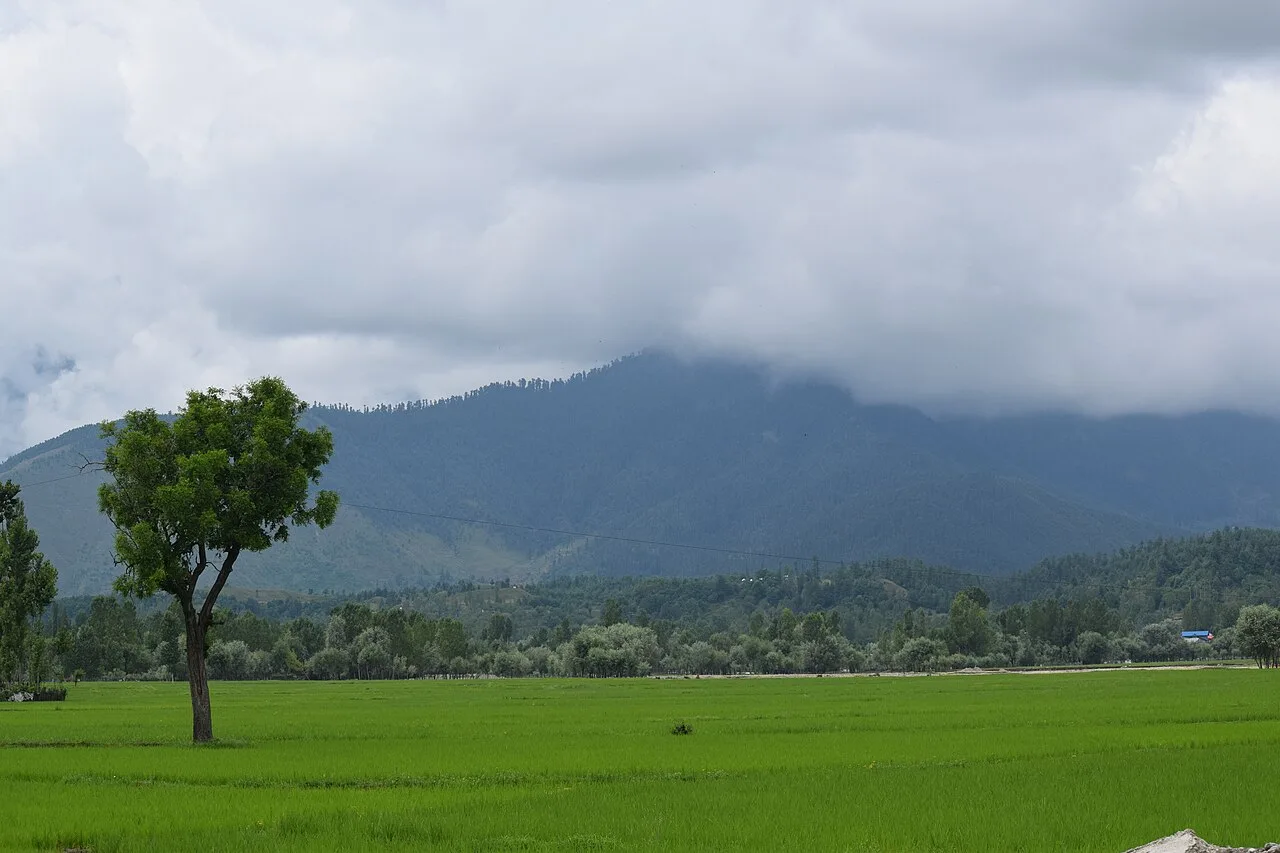
Lolab Valley
Lolab is a Himalayan valley in Kupwara district, valued for its green fields, forests and scenic landscape. Visitors come to enjoy nature and seek tranquillity.
Food in Kupwara draws on the wider Kashmiri tradition. Rice commonly accompanies dishes such as haak saag, nadru preparations and dum aloo, while rogan josh, yakhni, rista and gushtaba belong to the region’s celebrated meat-cooking repertoire. Several of these feature in wazwan, the elaborate feast associated with weddings and other occasions; do not assume a full wazwan is available at every eatery. Kahwa and salty noon chai are familiar regional drinks. Small establishments may offer only a few freshly cooked dishes, so ask what is available. Carry drinking water and food when visiting remote valleys.
Kupwara sits within Kashmir’s wider craft and textile culture, known for woollen shawls, embroidery, hand-knotted carpets, walnut-wood carving and papier-mâché. These are regional traditions, not crafts exclusive to this district. Sozni needlework and crewel embroidery are useful styles to recognise when browsing textiles, though availability in local shops varies. Ask sellers about the fibre, place of production and whether work is handmade or machine-produced, especially for items described as pashmina. Larger centres elsewhere in Kashmir generally offer a broader selection than remote valley settlements.
Residents celebrate Eid al-Fitr and Eid al-Adha, with family gatherings and prayers shaping activity around the festival periods. Navreh, the Kashmiri New Year, is observed in spring, while Urs gatherings at regional shrines take place at different times of year. These celebrations are rooted in the wider cultural life of Kashmir and are not necessarily large tourist events in Kupwara. Visitor numbers and room demand may rise around major holidays, especially in town, but accommodation choices are limited compared with larger tourist centres. Confirm local arrangements if travelling during a festival.
Elsewhere in Jammu and Kashmir
- Shri Amarnath YatraDates to be announced · Seasonal
- Kheer Bhawani Mela (Zyeth Atham)Dates to be announced · Seasonal
- Herath (Kashmiri Shivaratri)Dates to be announced · Seasonal
- Navreh (Kashmiri New Year)Dates to be announced · Seasonal
- Eid & the Shrine Festivals of KashmirDates to be announced · Seasonal
- Bahu MelaDates to be announced · Seasonal
- Jhiri Mela23 Nov 2026 – 3 Dec 2026 · Confirmed
- Lohri & Baisakhi in JammuDates to be announced · Seasonal
- Tulip Festival, SrinagarDates to be announced · Seasonal
Kupwara runs from cultivated valley floors and villages to wooded slopes, mountain ridges and open alpine pasture. Lolab is a settled sub-valley within the larger Kashmir Valley, while Bangus is a high meadow basin reached by mountain routes. Streams and smaller waterways feed the valleys, and forests cover much of the rising terrain. The changes in elevation shape travel: roads become narrower and slower beyond main settlements, and routes to upland areas can be affected by snow, rain or security restrictions. The district has no coast.
Spring and early summer bring milder weather and greener valley scenery; summer is generally the most practical season for reaching higher areas, though mountain conditions can still change quickly. The monsoon period may bring rain, while autumn is often cooler and brings changing colours to the fields and forests. Winter is cold, and snow can disrupt road access, particularly on higher routes. Late spring through early autumn is usually the most convenient broad travel season, subject to current access. Pack layers, a waterproof outer layer and sturdy footwear; carry warmer clothing even in summer if visiting upland areas.
Sheikh ul-Alam International Airport in Srinagar is the main air gateway for Kupwara. Baramulla is a useful railway access point, with onward travel by road; confirm rail connections for your particular journey. Road approaches from Srinagar generally run through the Sopore area towards Kupwara, with onward routes to Lolab and Bangus. Buses and shared taxis serve towns, while hired vehicles can be more practical for rural excursions. Mountain roads, snow and security restrictions may affect access, particularly beyond the main settlements. Ask about any permissions needed for your intended route, and check current services locally.
Road is the main way to move around Kupwara district. Kupwara town connects by road with the Sopore area and other valley settlements; onward roads lead towards Lolab and, when access allows, Bangus. Local buses and shared vehicles serve some town-to-town routes, but services to rural areas may be limited or irregular. Taxis or a hired vehicle are generally more practical for reaching valley villages and arranging an upland excursion. Auto-rickshaws may be available for short trips in busier settlements. There are no relevant boat routes for these destinations, and road conditions or restrictions can change.
2 days: Lolab Valley (sleep night 1 in Kupwara town); Bangus Valley (sleep night 2 in Kupwara town, subject to access). 3 days: Lolab Valley (sleep night 1 in Kupwara town); Lolab Valley (sleep night 2 in Kupwara town); Bangus Valley (sleep night 3 in Kupwara town, subject to access).
Kupwara town is the most practical base for both suggested circuits, with road connections and basic services. Handwara may also suit travellers exploring parts of the district, depending on the route and current transport. Hotels and guesthouses are available in the main towns; smaller homestays or government accommodation may be limited and should be confirmed in advance. Do not assume that lodging is available in the valleys or at Bangus. Staying in town and making day visits is generally the more dependable plan, especially when access conditions are uncertain.
Mountain roads can be narrow, rough or affected by snow, rain and landslides; avoid upland travel in poor conditions and allow flexibility. Follow local advice about wildlife and keep a safe distance from animals. Carry drinking water and use treated or sealed water if unsure of its source. Mobile coverage and services may be limited outside towns. Kupwara is a sensitive border district, and access to outlying areas can change at short notice. Do not enter restricted zones or rely on old route information. Before travelling to Bangus or other controlled areas, confirm officially with the relevant local administration or authorities whether any permission or other requirement applies.
- Bandiporaabout 42 km
- Baramullaabout 45 km
- Ganderbalabout 66 km
- Srinagarabout 68 km
- Budgamabout 81 km
- Pulwamaabout 85 km
- Poonchabout 94 km
- Shopianabout 94 km
Straight-line distance between the centres of each district's destinations; road distance is longer.
Q: How many days should I spend in Kupwara? A: Two days can cover a brief visit to Lolab and, if access allows, Bangus. Three days gives more time for the valleys and changing road conditions. Q: When is the best time to visit? A: Late spring to early autumn is generally the most convenient period, though high routes may open or close according to weather and security conditions. Q: Where is the best base? A: Kupwara town is the most practical base for both Lolab Valley and Bangus Valley. Q: How do I get to Kupwara? A: Fly to Srinagar and continue by road, or use Baramulla as a rail access point if suitable services are operating; check connections before travel. Q: Is Kupwara suitable for families or elderly travellers? A: Town stays and valley visits can suit many travellers, but rough roads, limited services and high-altitude excursions may be challenging. Choose routes and walking plans to match mobility, and confirm access locally.
This page draws on our 2 destination guides for Kupwara and is updated as our team checks it.
Be the first to share photos, stories, advice or a helpful contact for Kupwara.
Loading…