
District · Jammu and Kashmir
Ganderbal
Ganderbal brings together several sides of Kashmir: settled valley landscapes, lakeside villages, pilgrimage places and high mountain routes.
Ganderbal district lies in the Kashmir Valley, where lakes, settled villages and mountain valleys give way to high Himalayan terrain. Sonamarg is its best-known hill station, while Manasbal Lake offers a contrasting lakeside landscape around Safapora. Higher in the mountains, Vishansar and Gangabal are alpine lakes reached on demanding trekking routes; Gangabal lies beneath Mount Harmukh. The district also holds important strands of Kashmir's religious heritage. Naranag is an ancient Hindu pilgrimage site with surviving stone temple remains, and the Kheer Bhawani Temple at Tulmulla is especially significant to Kashmiri Pandits. Together, these places give Ganderbal a character shaped by pilgrimage, village life and mountain travel. Conditions vary considerably between the lower settlements and the high country, so journeys need to match the season and terrain.
Ganderbal brings together several sides of Kashmir: settled valley landscapes, lakeside villages, pilgrimage places and high mountain routes. It is best known for Sonamarg, a gateway to Himalayan scenery, and for Manasbal Lake near Safapora. The district’s religious heritage is reflected in Naranag’s ancient stone temple remains and the Kheer Bhawani Temple at Tulmulla, an important pilgrimage site for Kashmiri Pandits. Further into the mountains, Gangabal and Vishansar are alpine lakes reached by demanding treks. A visit can combine accessible road journeys with quieter village landscapes or strenuous high-altitude travel, provided the season and itinerary suit the terrain.
Ganderbal’s history is part of the wider history of the Kashmir Valley, a region shaped by successive Hindu and Muslim rulers and by longstanding religious and cultural exchange. Early and medieval Kashmir saw the rule of dynasties including the Karkotas, Utpala and Loharas. The Shah Mir dynasty established a Muslim sultanate in the fourteenth century; Mughal rule followed in the sixteenth century, then Afghan and Sikh control. In 1846, Kashmir came under Dogra rule as a princely state, while the British exercised paramount influence over its affairs. After the 1947 partition and the princely state’s accession to India, the region’s political and administrative status changed over time. Ganderbal was formerly part of Srinagar district and became a separate district in 2007. Its surviving heritage includes Naranag’s temple ruins and the continuing pilgrimage tradition at Kheer Bhawani in Tulmulla. The district’s past is also connected to routes linking valley settlements with mountain areas and passes.
6 destination guides
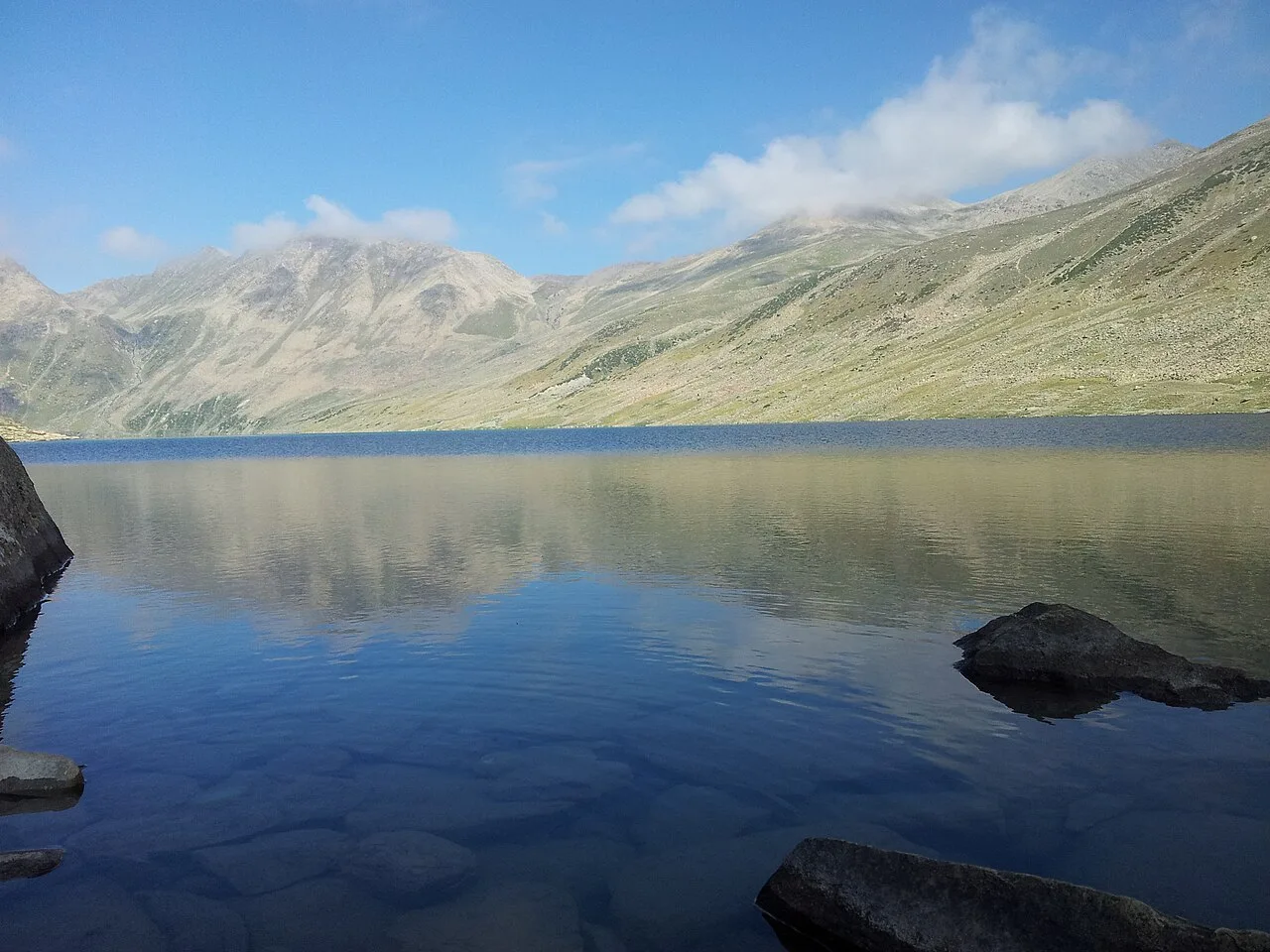
Gangabal Lake
Gangabal is a high-altitude glacial lake in Jammu and Kashmir. Visitors come for its Hindu significance, including pilgrimage and Kashmiri Hindu rites honouring ancestors and the dead.
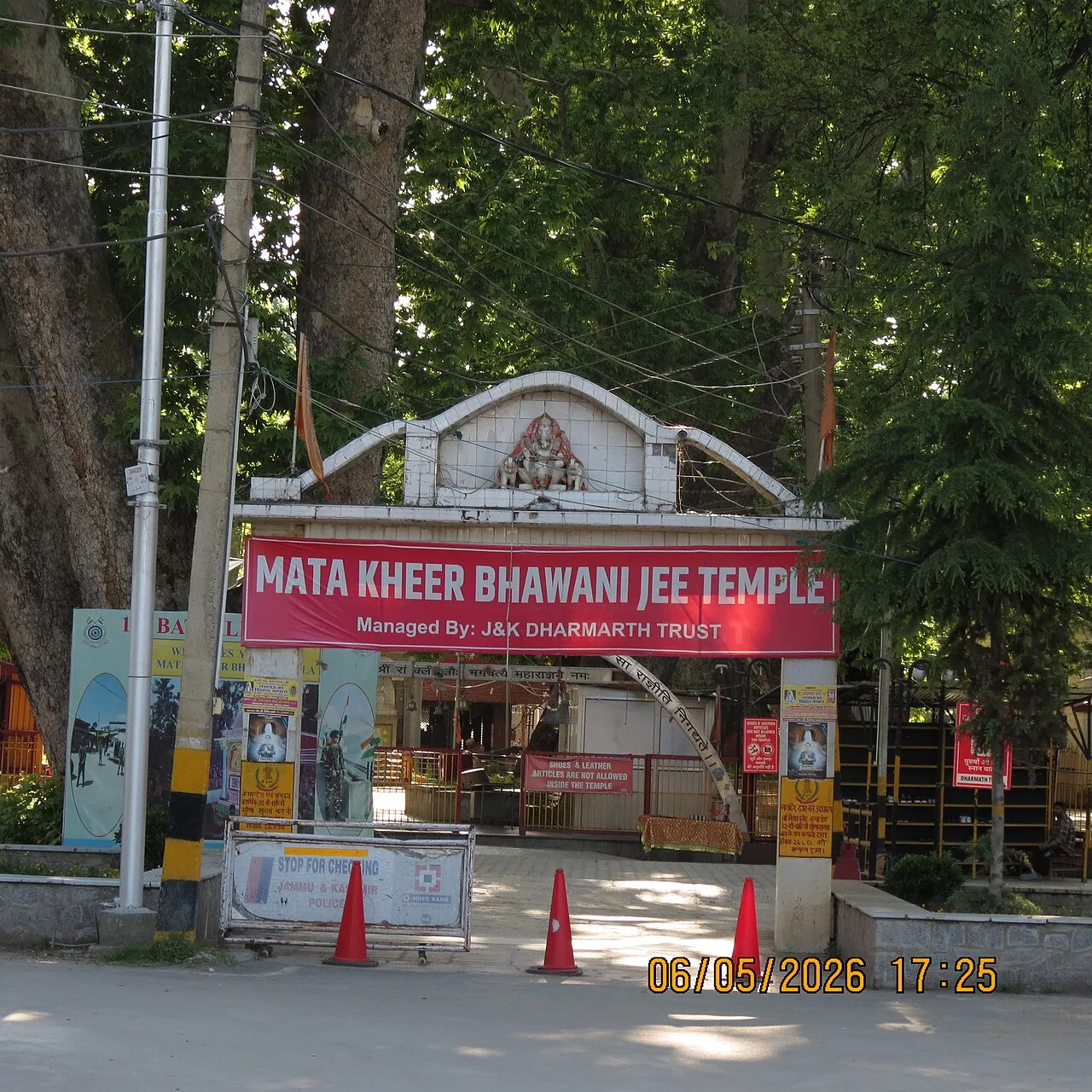
Kheer Bhawani Temple
Kheer Bhawani Temple is a Hindu shrine in Tulmulla, revered for its goddess and sacred spring. Visitors come to worship and to attend the annual fair held in her honour.
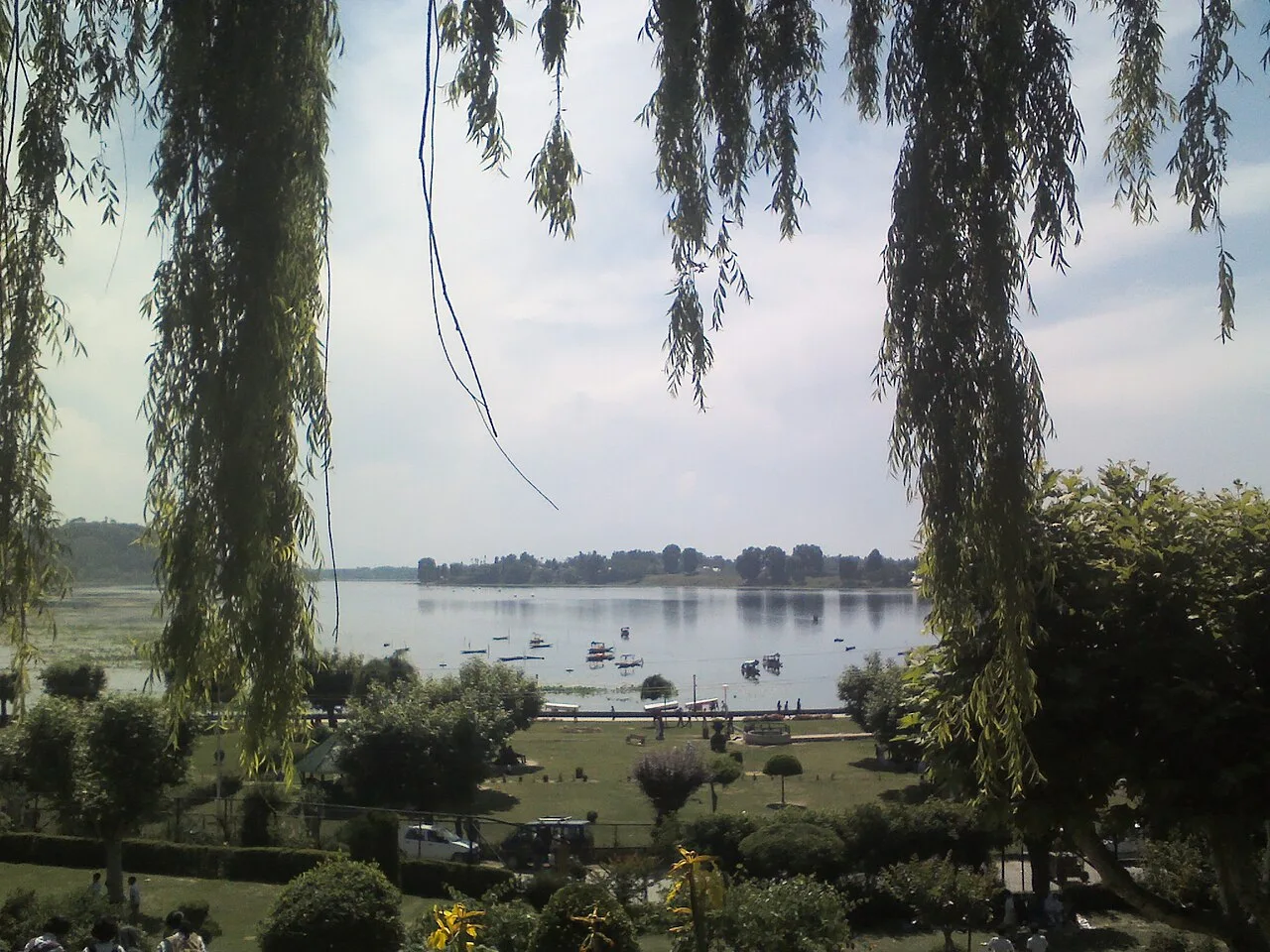
Manasbal Lake
Manasbal Lake is a freshwater lake in Safapora, Ganderbal district, recognised as Kashmir’s deepest. Visitors come for its lotus flowers, the Mughal garden Jaroka Bagh and birdwatching.
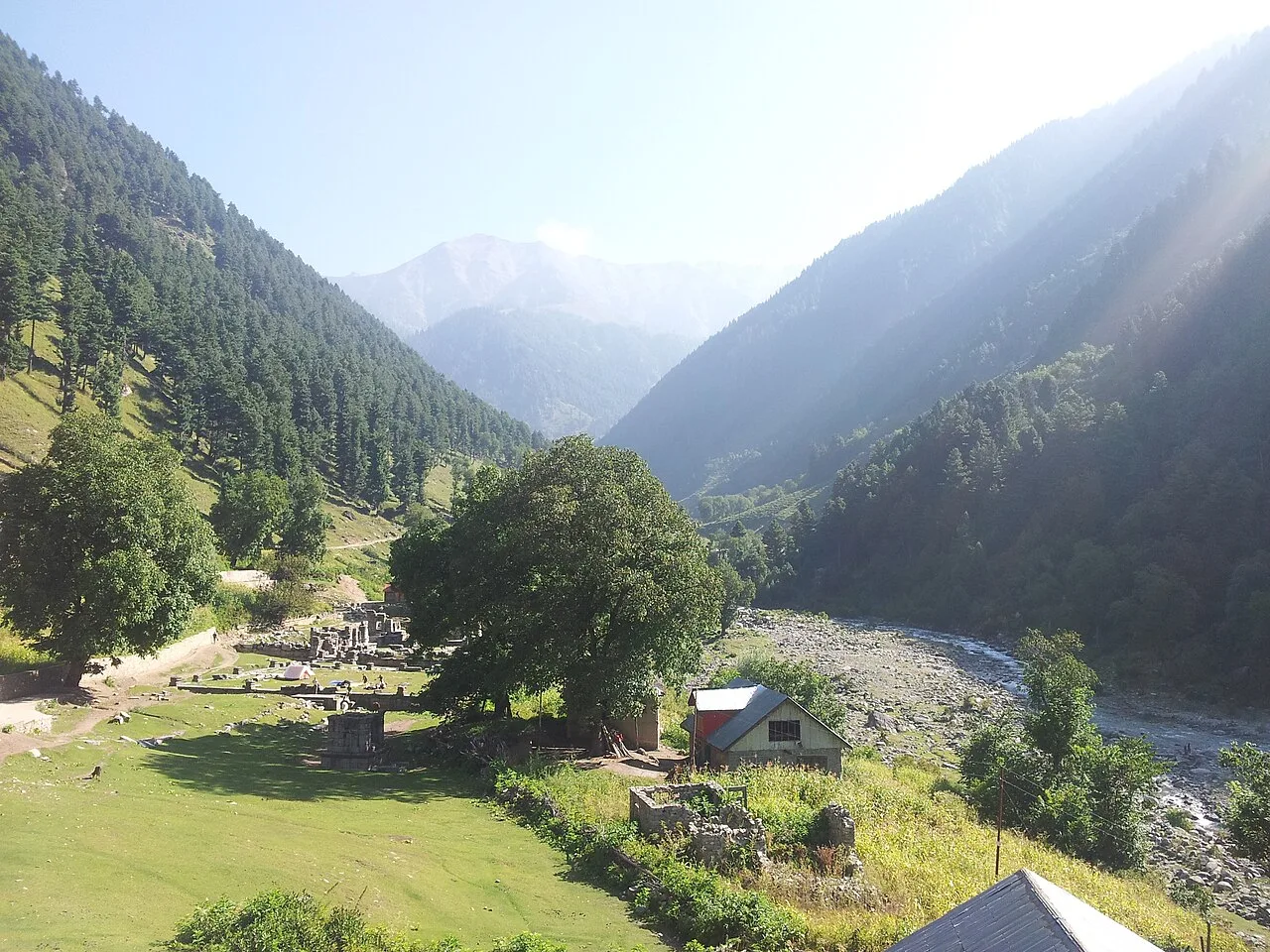
Naranag
Naranag is a village and Hindu pilgrimage destination in Jammu and Kashmir’s Ganderbal district, visited for its historic temple remains and as a starting point for treks to mountains and lakes.
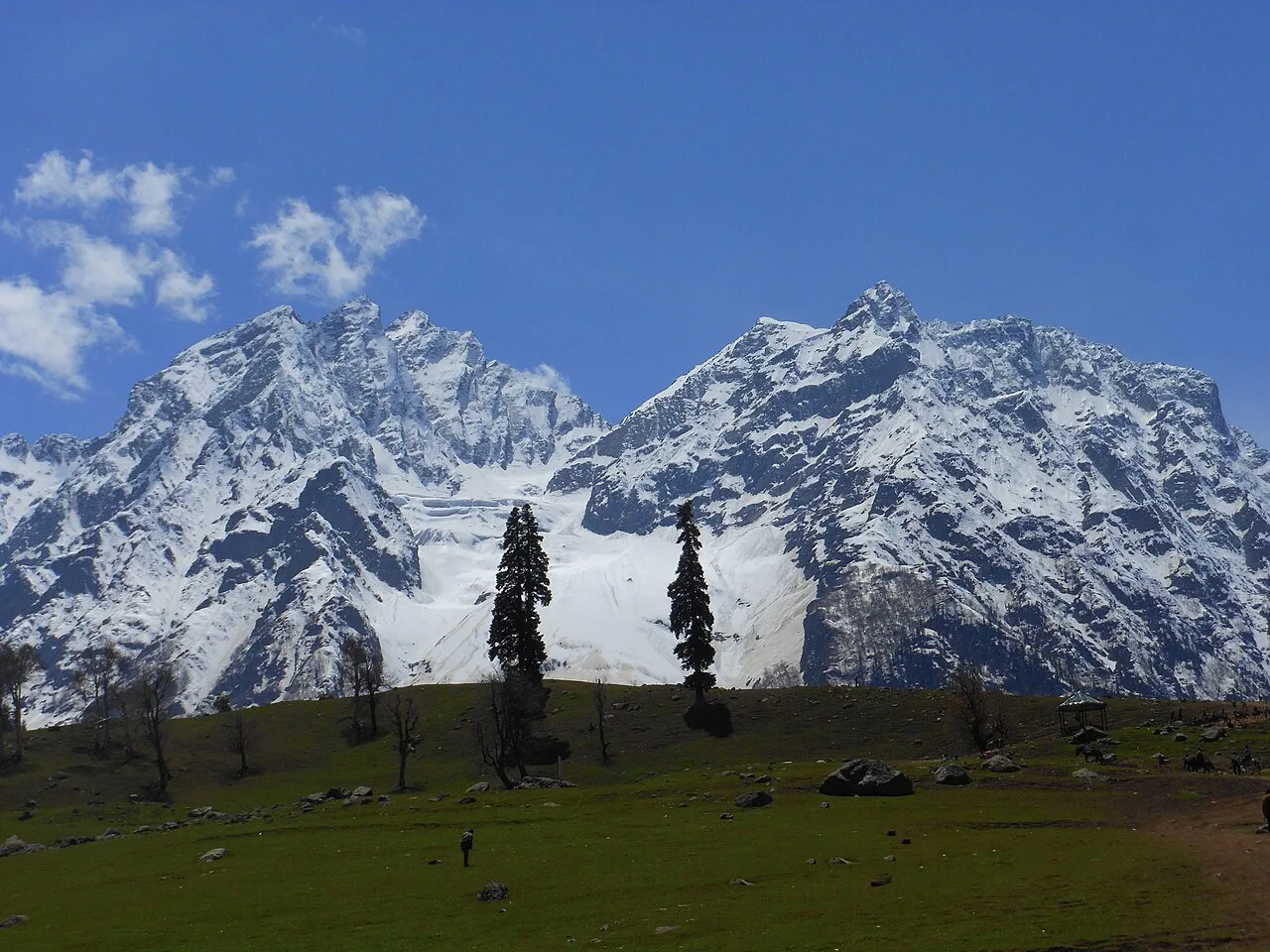
Sonamarg
Sonamarg is a hill station in Ganderbal district, within Jammu and Kashmir, India. Visitors come to experience this hill-station destination.
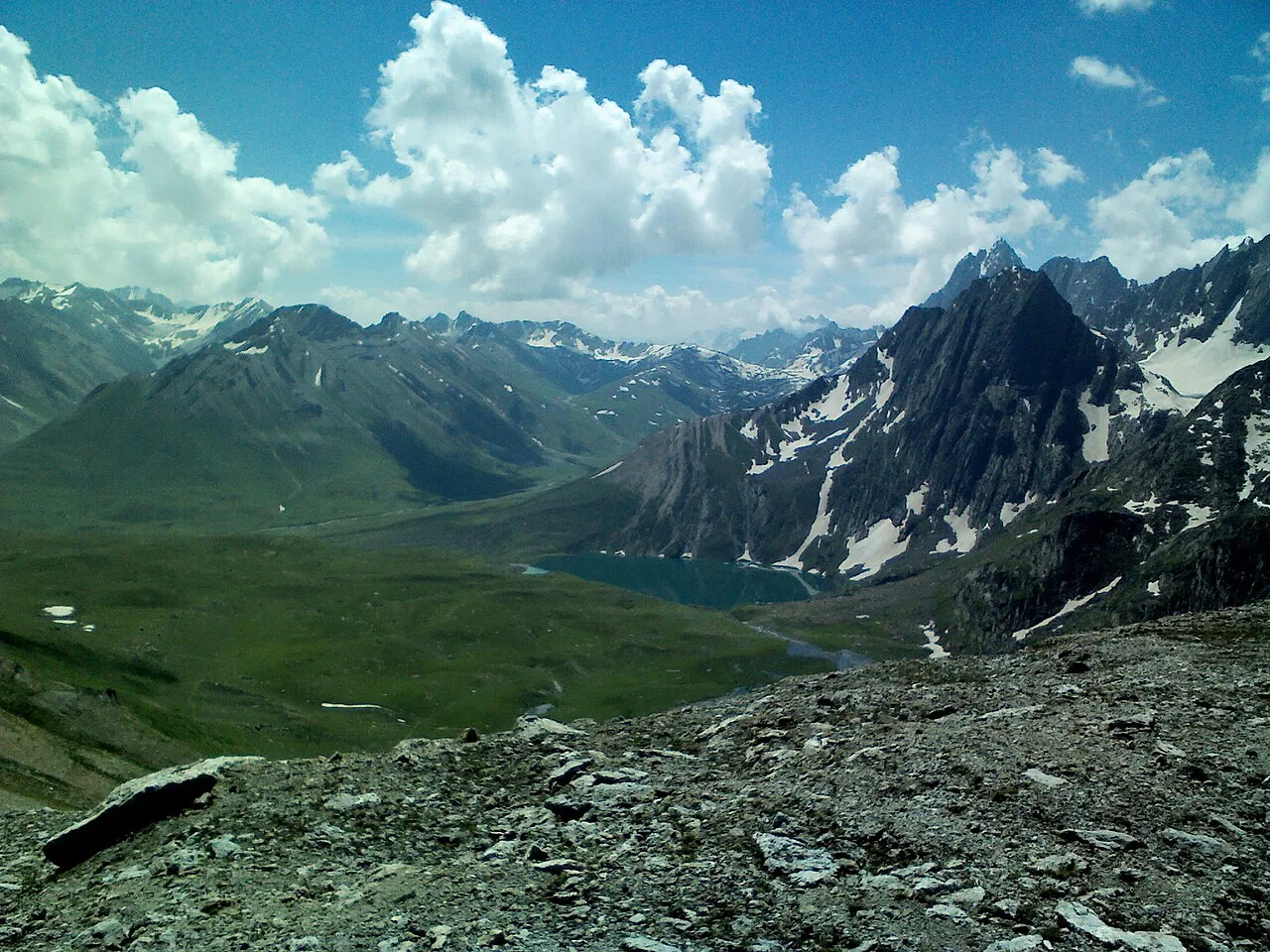
Vishansar Lake
Vishansar, also called Vishan Sar, is an oligotrophic alpine lake in Jammu and Kashmir’s Ganderbal district. Visitors come to see this high-elevation lake, close to both Ganderbal town and Sonamarg.
Food in Ganderbal draws on the wider Kashmiri tradition rather than a separate district cuisine. Wazwan, Kashmir's celebrated ceremonial feast, includes meat dishes such as rogan josh, rista and gushtaba; yakhni is another familiar preparation. Vegetarian choices include haak, a leafy-green dish, nadru or lotus stem, and Kashmiri dum aloo. Kahwa, an aromatic tea, and salty noon chai are characteristic drinks of the region. Everyday eateries may offer a much shorter menu than a formal feast, so ask what has been freshly cooked. Carry food and drinking water for remote walks and alpine treks, where dependable restaurant facilities should not be assumed.
Ganderbal belongs to the wider Kashmiri craft region, known for shawl weaving, embroidery, carpets, walnut-wood carving and painted papier-mache. These traditions should be understood as regional, not exclusive to the district. Pashmina shawls and fine sozni needlework are among Kashmir's best-known textile arts, while crewel embroidery appears on furnishings and other fabrics. Travellers seeking handmade work can explore sellers in the district and nearby Srinagar, asking where an item was produced and whether it is handwoven or hand-embroidered. Material descriptions and workmanship vary, so compare carefully and seek credible certification when buying pashmina.
Kheer Bhawani Mela, held around late spring or early summer at Tulmulla, draws Kashmiri Pandit pilgrims from the region and farther afield. The gathering can make nearby roads and accommodation busier, so visitors should plan ahead. Eid celebrations are observed by Muslim communities across the district, with activity centred on local mosques and family gatherings. Other religious observances and fairs may follow local calendars and vary from year to year. Festival periods can increase demand for rooms and transport; check local conditions before travelling.
In this district
The district extends from settled parts of the Kashmir Valley to high Himalayan terrain. Manasbal Lake lies amid lowland villages and cultivated landscapes, while the Sind River valley leads towards Sonamarg and surrounding mountain slopes. Forests, meadows and steep-sided valleys give way to alpine country around Gangabal and Vishansar, near Mount Harmukh. These changes in elevation shape travel: lower sights are generally reached by road, but high lakes require trekking, careful acclimatisation and suitable weather. Routes can become difficult or inaccessible in snow.
Ganderbal has a marked seasonal climate, with generally milder conditions in the valley during summer and cold winters that can bring snow, especially at higher elevations. Spring and autumn bring changing weather and cooler evenings. The main monsoon influence is less consistent here than in many parts of India, but rain can still affect roads and trails. May to October is generally suitable for lower district sightseeing; high-altitude treks are usually more practical in the warmer part of the season, subject to local conditions. Pack layers, rain protection and sturdy footwear, and take warm clothing even in summer for mountain travel. Check forecasts before setting out.
Sheikh ul-Alam International Airport in Srinagar is the main air gateway for Ganderbal. Srinagar (Nowgam) and Budgam railway stations are useful options, depending on your destination and available services. Road travel from Srinagar provides access to Ganderbal town, Tulmulla, Manasbal and Naranag; Sonamarg lies on the Srinagar-Leh highway. Taxis, shared vehicles and local buses serve parts of the district, though onward connections vary. Gangabal and Vishansar require trekking rather than direct road access, with arrangements suited to weather, altitude and local access rules. Snow and other disruptions can affect mountain travel. Check current services locally.
Roads connect Ganderbal town with Tulmulla, Safapora and Naranag, while Sonamarg is reached along the Srinagar–Leh highway. Local buses and shared vehicles serve some routes, but onward connections can be limited or vary by season. Taxis are a flexible option for linking sights; confirm the return plan before travelling to smaller settlements. Auto-rickshaws may be available around busier town areas. Boating may be available at Manasbal Lake; check locally rather than assuming a service is operating. Gangabal and Vishansar have no direct road access and require trekking arrangements.
2 days: Kheer Bhawani Temple → Manasbal Lake (sleep in Ganderbal); Naranag (sleep in Ganderbal). 3 days: Kheer Bhawani Temple → Manasbal Lake (sleep in Ganderbal); Naranag (sleep in Ganderbal); Sonamarg (sleep in Sonamarg). 4 days: Naranag (sleep in Ganderbal); Naranag → Gangabal Lake (sleep at a pre-arranged trek camp); Gangabal Lake → Naranag (sleep in Ganderbal); Manasbal Lake → Kheer Bhawani Temple.
Ganderbal town is a practical base for Manasbal Lake, Tulmulla and Naranag, with hotels and guesthouses in the wider area. Sonamarg is convenient for visitors focusing on the mountain resort and nearby trekking routes; seasonal accommodation options can be busier during the main travel period. Homestays may be found in some villages, but availability and facilities vary. Government accommodation and pilgrim-oriented lodgings or dharamshalas may be limited, so confirm directly before relying on them. Treks to high lakes need planned overnight arrangements rather than an assumption of facilities on the trail.
Mountain weather can change quickly, and high-altitude routes to Gangabal or Vishansar demand fitness, acclimatisation and suitable guides and equipment. Check road and trail conditions locally, especially after snow or heavy rain, and avoid drinking untreated stream or lake water. Keep to established paths and follow local advice about wildlife and livestock. Crowds can affect roads and rooms during pilgrimage periods. Mobile coverage may be unreliable beyond settled areas; share your route and carry essentials. Check current access rules with local authorities or trek operators before setting out, and confirm officially whether any permits or permissions are required for your planned route.
- Srinagarabout 27 km
- Bandiporaabout 30 km
- Pulwamaabout 40 km
- Budgamabout 56 km
- Anantnagabout 59 km
- Baramullaabout 60 km
- Kupwaraabout 66 km
- Drass · Ladakhabout 77 km
Straight-line distance between the centres of each district's destinations; road distance is longer.
Q: How many days should I spend in Ganderbal? A: Two or three days can cover the main road-accessible sights. Allow more time for a high-altitude trek, with the itinerary matched to conditions and your experience. Q: When is the best time to visit? A: May to October is generally suitable for valley sightseeing. High-lake treks are usually best attempted in the warmer season, after checking local trail conditions. Q: Where is the best base for exploring? A: Ganderbal town suits Manasbal Lake, Tulmulla and Naranag; Sonamarg is a useful base for its mountain scenery and trekking approaches. Q: How do I get to Ganderbal? A: Fly to Srinagar or travel by rail to Srinagar (Nowgam) or Budgam, then continue by road. Local onward transport varies by destination. Q: Is Ganderbal suitable for families or elderly travellers? A: The lakeside and pilgrimage sites are suitable for many visitors, depending on mobility and road conditions. High-altitude treks are strenuous and are not appropriate for everyone.
This page draws on our 6 destination guides for Ganderbal and is updated as our team checks it.
Be the first to share photos, stories, advice or a helpful contact for Ganderbal.
Loading…