
District · Jammu and Kashmir
Doda
Doda offers a way to experience the mountainous Chenab region of Jammu and Kashmir, where river valleys, forested slopes and high pastures shape everyday life and travel.
Doda lies in the mountainous Chenab region of Jammu Division, where deep river valleys, forested slopes and high pastures shape both settlement and travel. Doda town is the district headquarters, while Bhaderwah, a town and tehsil, is an important base for exploring its upland scenery. Villages and cultivated terraces occupy gentler slopes between rugged ridges. The area's history is tied to Himalayan hill settlements and the former princely state of Jammu and Kashmir under Dogra rule. Hindu and Muslim religious traditions, local languages and seasonal agricultural rhythms contribute to its character. This is a mountain district best approached slowly, with time allowed for winding roads and changing weather.
Doda offers a way to experience the mountainous Chenab region of Jammu and Kashmir, where river valleys, forested slopes and high pastures shape everyday life and travel. It is best known for its rugged scenery and for Bhaderwah, a town and tehsil that serves as a base for exploring the district’s uplands. The area also reflects the cultural variety of Jammu’s hill country, with Hindu and Muslim traditions, local languages and seasonal farming. Visitors who enjoy road journeys, quieter mountain towns and time outdoors may find Doda rewarding; it is less suited to a hurried itinerary.
Doda’s past is part of the wider history of the Chenab hills and the Jammu region. Hill settlements and local chiefs governed parts of this mountainous area before it was brought under the expanding Dogra kingdom of Jammu in the nineteenth century. Dogra rule later formed part of the princely state of Jammu and Kashmir, which remained under British paramountcy during the colonial period while retaining its own ruler and administration. After the princely state acceded to India in 1947, its administrative arrangements changed over time. Doda became a district in the post-independence reorganisation of Jammu and Kashmir; in 2006, Kishtwar and Ramban were separated from the former larger Doda district to form districts of their own. The district’s history is also visible in its religious and cultural life: Hindu pilgrimage traditions and Muslim communities have long been part of the region, alongside local customs shaped by mountain agriculture, trade and seasonal movement. Bhaderwah and other settlements developed as important centres within this hill landscape.
Food in Doda reflects the wider Jammu and Chenab region rather than a single district-wide cuisine. Rajma-chawal is a familiar regional staple, and simple meals built around rice, pulses and seasonal vegetables are a useful starting point. Across Jammu, kalari cheese and Dogra preparations such as ambal and auria are worth asking about, though availability varies locally. Kashmiri dishes including rogan josh and yakhni belong to the wider Jammu and Kashmir food repertoire, not specifically to Doda. Small eateries may cook only a limited daily menu; ask what is fresh and carry food when visiting remote places.
Craft traditions across the wider Jammu Himalayan region include wool spinning, weaving and practical textiles suited to cold weather. Handmade blankets and woollen garments are useful things to ask about in local markets, without assuming that every item was made in Doda. Woodworking also forms part of the region's mountain building traditions, particularly in older houses and religious structures. Kashmir's better-known carpets, shawls and papier-mache belong to a broader regional craft landscape; their presence in a shop does not establish local manufacture. Ask sellers about provenance and materials.
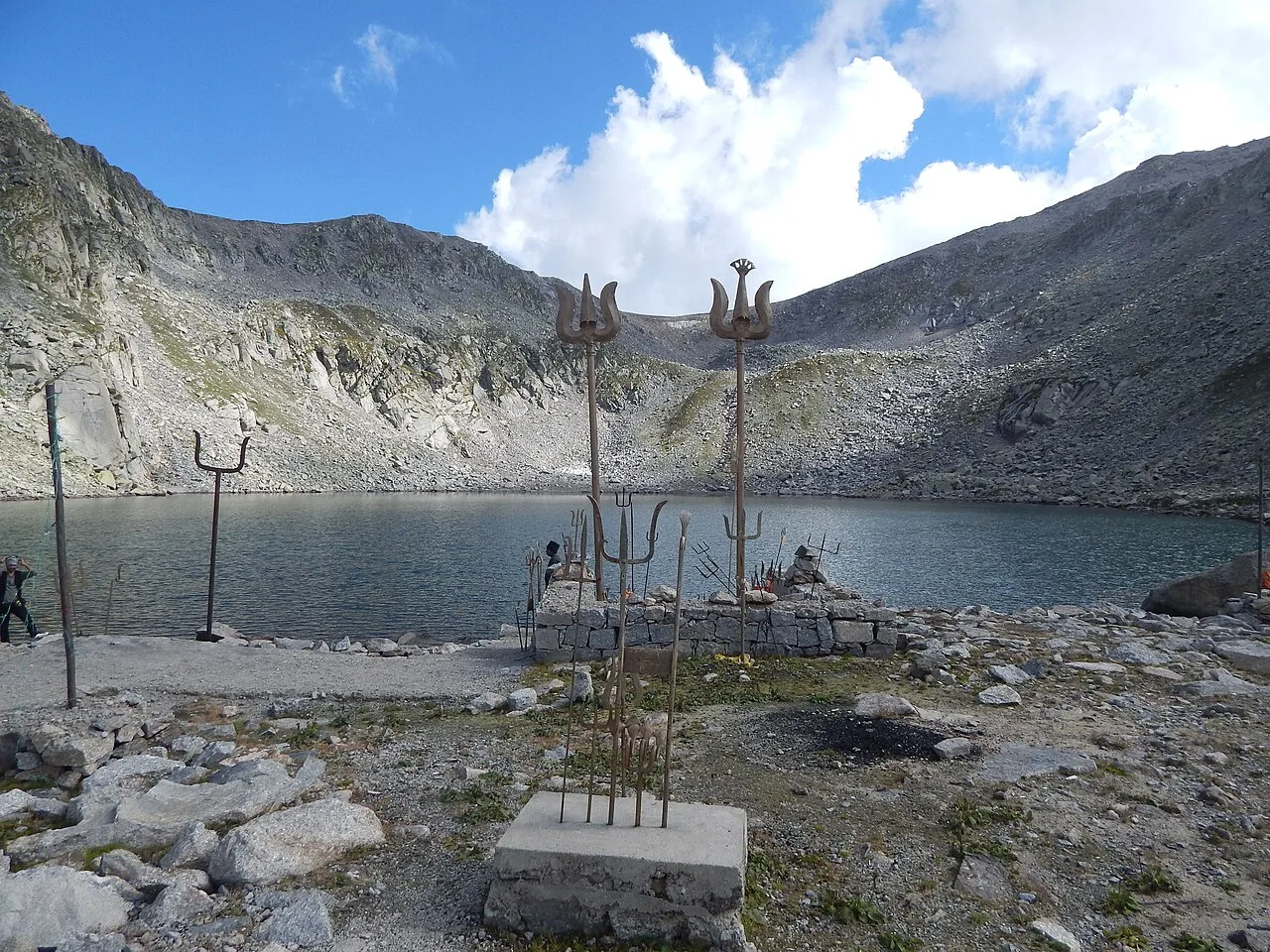
Religious observances follow the district’s Hindu and Muslim traditions, including Shivratri, Navratri and Eid, with celebrations varying by community and locality. The late-summer Kailash Kund pilgrimage, associated with the Bhaderwah area, brings pilgrims to the high country and can make local roads and accommodation busier. Regional fairs and seasonal gatherings also take place, though their schedules and scale may differ from year to year. During pilgrimage periods and major holidays, rooms in Bhaderwah and other service centres may be more in demand; confirm availability before travelling.
Elsewhere in Jammu and Kashmir
- Shri Amarnath YatraDates to be announced · Seasonal
- Kheer Bhawani Mela (Zyeth Atham)Dates to be announced · Seasonal
- Herath (Kashmiri Shivaratri)Dates to be announced · Seasonal
- Navreh (Kashmiri New Year)Dates to be announced · Seasonal
- Eid & the Shrine Festivals of KashmirDates to be announced · Seasonal
- Bahu MelaDates to be announced · Seasonal
- Jhiri Mela23 Nov 2026 – 3 Dec 2026 · Confirmed
- Lohri & Baisakhi in JammuDates to be announced · Seasonal
- Tulip Festival, SrinagarDates to be announced · Seasonal
Doda lies in the Chenab’s mountain country, with deep river valleys, steep forested slopes, ridges and open high pastures. Settlements and cultivated terraces tend to occupy gentler ground, while the Chenab and its tributary valleys shape routes between towns and villages. Bhaderwah sits amid upland scenery and is a useful base for exploring the surrounding area. Roads often follow narrow valleys or climb winding slopes, so distances can take time to cover. Weather, landslides and seasonal snow can affect access, particularly on smaller mountain roads.
Summer is generally the most comfortable season for exploring the district’s towns and upland scenery, though conditions vary with elevation and evenings can be cool. Monsoon weather brings rain that may reduce visibility and disrupt mountain roads through slips or landslides. Winter is colder, with snow and icy conditions possible at higher elevations and travel becoming less predictable. Late spring through early autumn is often the most practical window, with summer and early autumn popular for Bhaderwah and nearby high country; check local road conditions before setting out. Pack layers, a waterproof outer layer, sturdy footwear and warm clothing even in summer. In winter, bring proper cold-weather gear and allow flexibility in travel plans.
Doda is reached mainly by road through the Jammu region. Jammu Airport is a practical air gateway, while Udhampur and Jammu Tawi are useful railway approaches; the best choice depends on onward connections. Road access generally follows the Jammu-Srinagar highway towards Batote, then branches into the Chenab valley towards Doda. Bhaderwah has onward road connections from the Doda area. Buses, shared taxis and hired vehicles serve the main settlements, but smaller villages may have limited transport. Mountain journeys can be slow, and rain, snow or landslides may disrupt roads. Check current services locally.
Road is the main way to move around Doda district. Doda town connects with the Jammu region and with Bhaderwah by mountain roads; buses and shared vehicles serve principal settlements, while service to smaller villages can be limited or irregular. Local taxis or hired vehicles offer more flexibility for side trips, particularly where public transport is infrequent. Auto-rickshaws may be available for short journeys in larger settlements, but should not be assumed everywhere. Roads are winding, and rain, snow, road works or landslides can change journey conditions. Check current transport and access locally before travelling.
2 days: Bhaderwah; sleep in Bhaderwah. 3 days: Bhaderwah; sleep in Bhaderwah on both nights. 4 days: Bhaderwah; sleep in Bhaderwah on all three nights.
Bhaderwah is the most practical base for a short visit focused on the district’s listed destination and nearby upland scenery. Doda town can suit travellers whose road journey or local arrangements are centred on the district headquarters, but reaching Bhaderwah takes additional time. Accommodation options in the main settlements may include hotels, guesthouses and homestays; availability and facilities can be more limited in smaller places. Government lodges or dharamshalas may exist in some locations, but services vary. Reserve ahead during busy pilgrimage periods and confirm seasonal operation.
Mountain roads are winding and can be affected by rain, snow, landslides or road works; check conditions locally and avoid rushing journeys. Weather can change quickly at higher elevations, so carry warm and waterproof layers and do not continue onto exposed routes in poor conditions. Forest wildlife may be encountered; keep your distance and do not feed animals. Treat drinking water or use reliably safe supplies. Mobile connectivity can be patchy outside main settlements, so tell someone your plans. Carry essential medicines and seek local advice about health facilities. Do not assume special routes are open or permit-free: confirm access and any permit requirements with official authorities before departure.
- Udhampurabout 44 km
- Kathuaabout 54 km
- Sambaabout 62 km
- Pathankot · Punjababout 69 km
- Chamba · Himachal Pradeshabout 74 km
- Kishtwarabout 74 km
- Reasiabout 76 km
- Jammuabout 83 km
Straight-line distance between the centres of each district's destinations; road distance is longer.
Q: How many days should I spend in Doda? A: Allow two or three days for Bhaderwah and a relaxed visit; add time if road conditions or local excursions require it. Q: When is the best time to visit? A: Late spring to early autumn is generally the most practical period, though rain can affect roads during the monsoon. Q: What is the best base for visitors? A: Bhaderwah is a useful base for the district’s listed destination; Doda town may suit travellers focused on the headquarters and road connections. Q: How do I get to Doda? A: Travel by road from the Jammu region, commonly via the Batote area; Jammu Airport and the rail approaches at Jammu or Udhampur can be used for the onward journey. Q: Is Doda suitable for families or elderly travellers? A: It can suit families and mobile older travellers who are comfortable with winding roads, but long journeys, uneven terrain and limited services in smaller settlements call for flexible plans.
This page draws on our 1 destination guides for Doda and is updated as our team checks it.
Be the first to share photos, stories, advice or a helpful contact for Doda.
Loading…