Ghumoopedia — Explore, Discover, Experience
Sign in

Religious · Jammu & Kashmir

Navreh (Kashmiri New Year)

Hari Parbat, Srinagar, and Kashmiri Pandit homes

Dates

Last verified 17 November 2026. Confirmed: announced by organisers or government. Provisional: from a published almanac, not yet announced. Seasonal: no date announced.

The complete guide

Navreh (Kashmiri New Year): everything to know before you go

Also known as
Navreh, Navreh Thali Festival, Kashmiri Pandit New Year
Where
Kashmiri Pandit homes across Jammu and Kashmir, Delhi and all over India; public events in Srinagar and Jammu
When
The first day of the bright half of Chaitra (March–April), the first day of Chaitra Navratri.
Duration
One main day; Navratri follows for nine days
Faith and community
Kashmiri Pandits (Hindu); related to Ugadi, Gudi Padwa and Chaitra Sukladi elsewhere in India
Type
New year and spring festival
Best for
Cultural travellers, families, those interested in Kashmiri traditions

Overview

Navreh is the Kashmiri Pandit new year. It arrives just as spring begins to melt the snow, when almond and cherry blossoms open in the Valley and meadows turn green. The festival is a quiet, deeply symbolic one: instead of fireworks or large gatherings, the centrepiece is a single plate, the Navreh thali, filled with auspicious items and viewed first thing in the morning to bring good luck for the year ahead.

The name is generally explained as coming from Nav-Varsha, meaning "new year" in Sanskrit, and the festival marks the start of the Saptarishi calendar, an ancient system used in Kashmir.
Origins and legend

Tradition links Navreh with the Saptarishi Samvat (also called the Laukika era), a calendar named after the seven sages (the Saptarishi), which Kashmiri Pandits have used for many centuries. Historical works such as the Rajatarangini by Kalhana, a twelfth-century chronicle of Kashmir, mention this dating system. Navreh begins on the same day as Chaitra Navratri, and in the wider Hindu tradition the day marks the beginning of creation by Brahma, which is why other regions celebrate new year on the same date under other names.

In Kashmir, the festival also looks back to the way the Valley's farming calendar works: after the winter, the first signs of spring bring hope for a good harvest. The thali reflects the hope for prosperity, learning, health and harmony.

How it is celebrated

  • Preparation the evening before: A large plate or bowl is filled with rice and set aside. Items such as yoghurt, walnuts, bread, a pen and ink pot, flowers, a mirror, coins, a new calendar (panchang) and sometimes a picture of a deity are arranged on it.
  • The first sight: On the morning of Navreh, family members look first at the thali, before seeing anything else. The belief is that seeing prosperity, knowledge and purity at the start of the year will bring a good year.
  • Prayers and puja: Families offer prayers to the deities, and the new calendar is consulted by the family priest for the year's predictions.
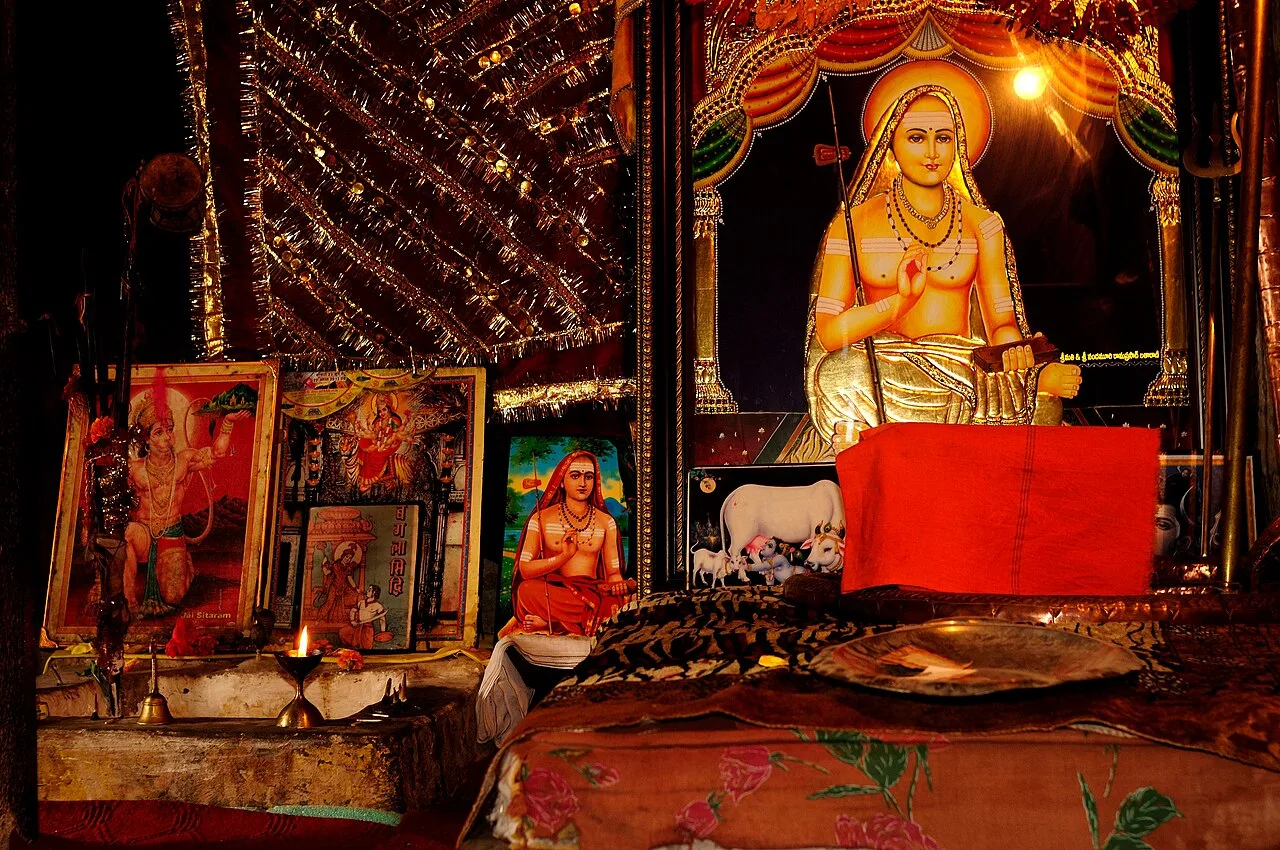
  • Visits and blessings: Elders bless the young, and relatives exchange greetings. Many families visit temples, such as the Sharika Devi temple at Hari Parbat in Srinagar or the Raghunath Temple in Jammu.
  • Festive meal: A special meal is cooked at home, often including rice, lentils and traditional dishes.
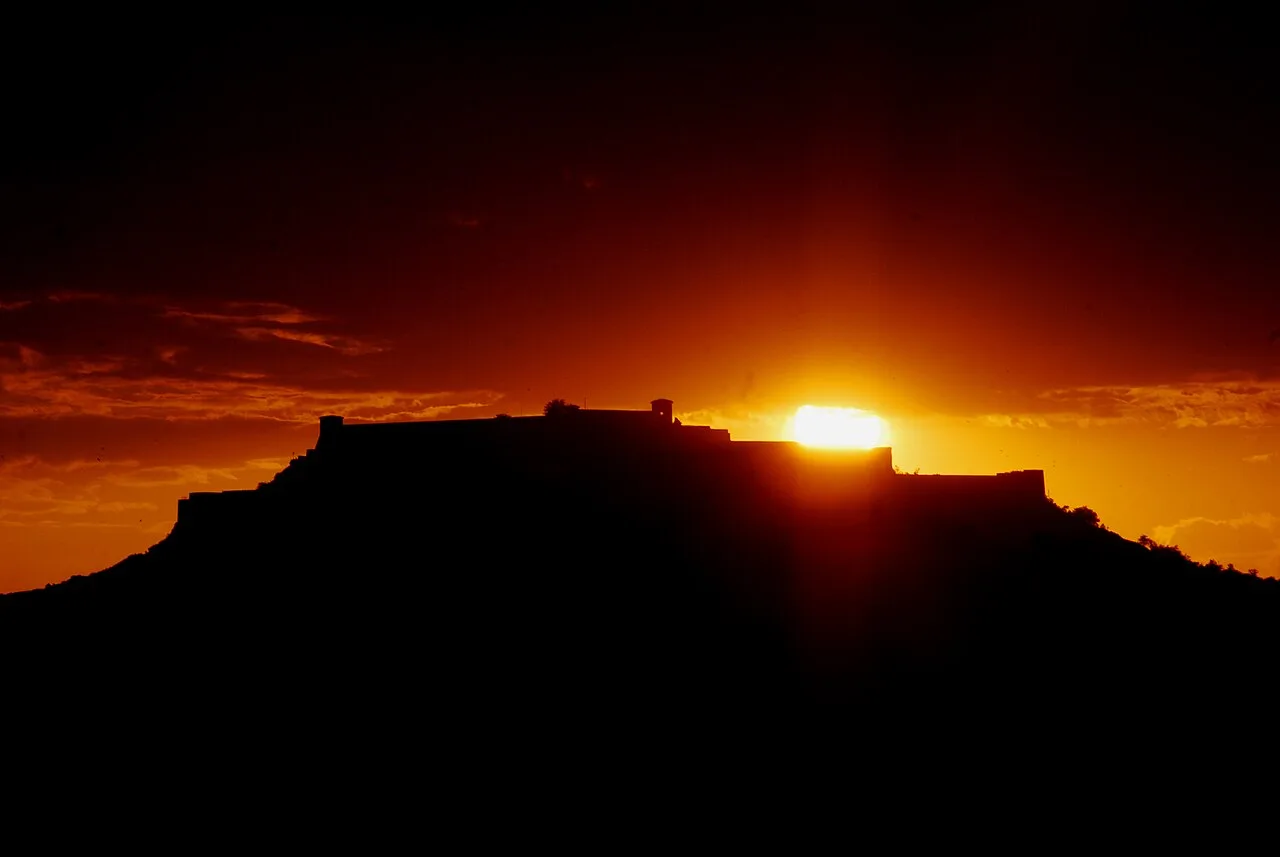
  • Navratri: The nine days that follow are observed with fasting and prayers, especially to the goddess Sharika at Hari Parbat on Navami and Ashtami.

Food and flavours

The food is simple and symbolic. The thali includes rice (a staple of Kashmir), curd, walnuts and almonds, which are important dry fruits in the Valley. The festive meal often features dum aloo, haakh (collard greens cooked with spices), nadru yakhni, moong dal and rice. Sweets such as sheera or halwa, and kahwa (saffron tea with almonds and cardamom), complete the meal. Some families also make modur pulao (sweet pulao) for the occasion. Because Navratri follows, many families keep vegetarian or simple food for the nine days.

Music, dance, art and dress

Navreh is less about public performance and more about family and home. Families wear new clothes, often traditional ones: the pheran (a long woollen gown, usually lighter in spring) and taranga (headdress) for women, and kurta-pyjama for men. Community organisations hold cultural programmes in Srinagar, Jammu and Delhi, with Kashmiri poetry recitals, folk songs and talks about the calendar, often including verses by the mystic poet Lalleshwari (Lal Ded). Painting and calligraphy competitions for children are also common at community events.

Where to experience it

  • Hari Parbat, Srinagar: the hill with the Sharika Devi temple, a key site during Navratri.
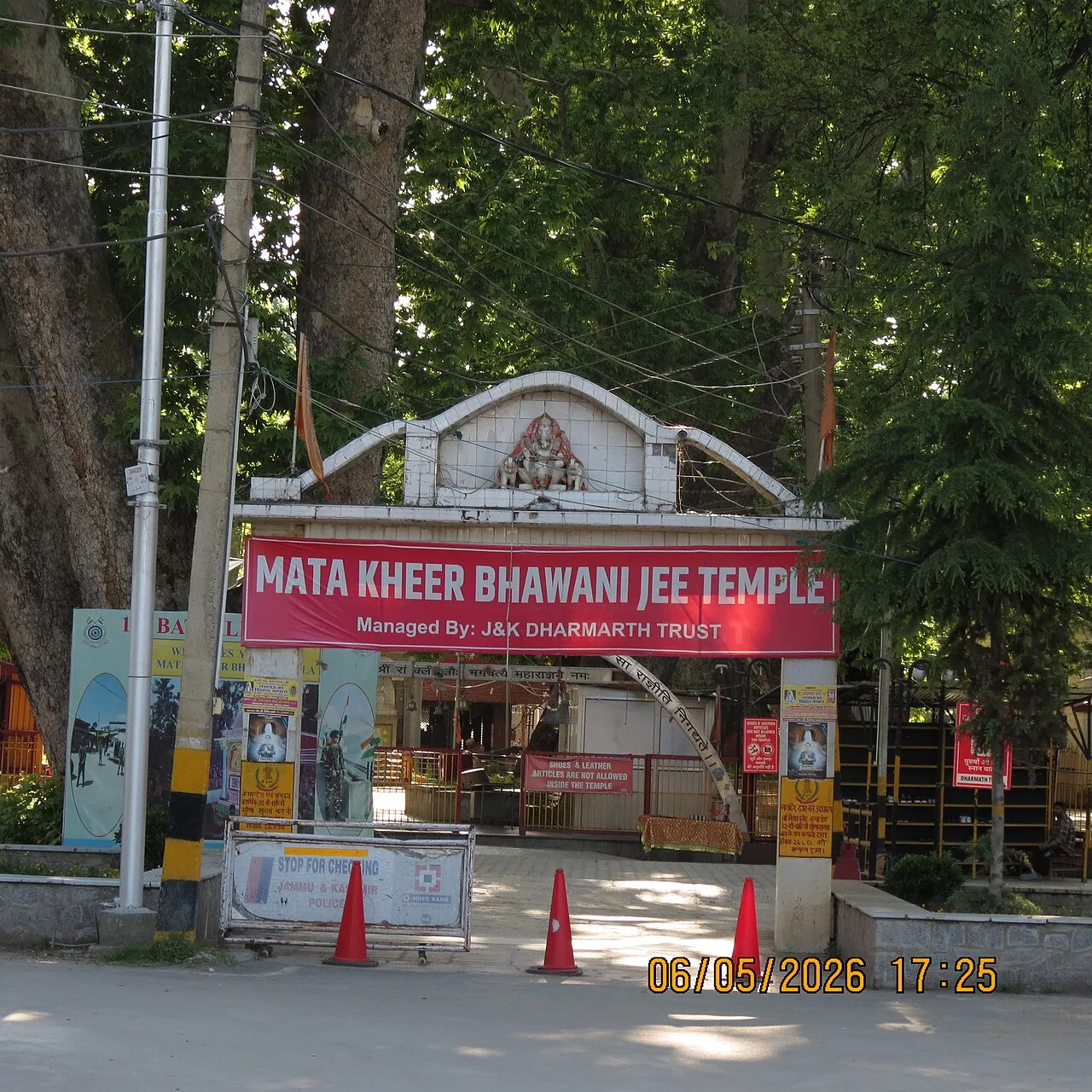
  • Ganpatyar Temple, Srinagar: a major Ganesha temple.
  • Raghunath Temple, Jammu: a large temple complex in the city centre.
  • Jagti and Purkhoo townships, Jammu district: migrant Kashmiri Pandit communities with community events.
  • Indira Gandhi Memorial Tulip Garden, Srinagar: opens around the same season, so many visitors pair a Navreh visit with the tulips.
  • Delhi and other cities: Kashmiri Pandit organisations hold events at community halls and temples.

Visitor guide

  • Timing and weather. Late March to April is pleasant in Kashmir but can be unpredictable, with cool days, showers and sometimes late snow at higher elevations. Pack layers and rain protection.
  • Travel and stay. Srinagar and Jammu are well connected by air; the Jammu–Srinagar road is subject to weather closures. Book accommodation early in tulip season, which draws large numbers of visitors.
  • Being invited. If you are invited to a Pandit home, it is polite to greet with "Navreh Mubarak" or "Navreh Aashirvad," remove your shoes at the door and bring fruit, sweets or dry fruit.
  • Respect. The thali and the rituals are personal and sacred. Ask before taking photographs of family rituals.
  • Public events. Cultural programmes are usually advertised by community groups and the tourism department. Check the local press and official pages.

Today and tomorrow

For families displaced from the Valley in the 1990s, Navreh has become an important marker of identity and memory. Many carry the thali ritual to new homes in Jammu, Delhi, Pune, Bengaluru and abroad, and community groups work to teach children the language, songs and customs. In the Valley, a few families and community events mark the day, and in recent years there have been efforts to restore temples and hold public programmes. Cultural organisations also promote the Saptarishi calendar and Kashmiri language, which is endangered, through workshops and publications.

Nearby

Places to see around the festival