
Ghumoopedia — Explore, Discover, Experience
Sign in
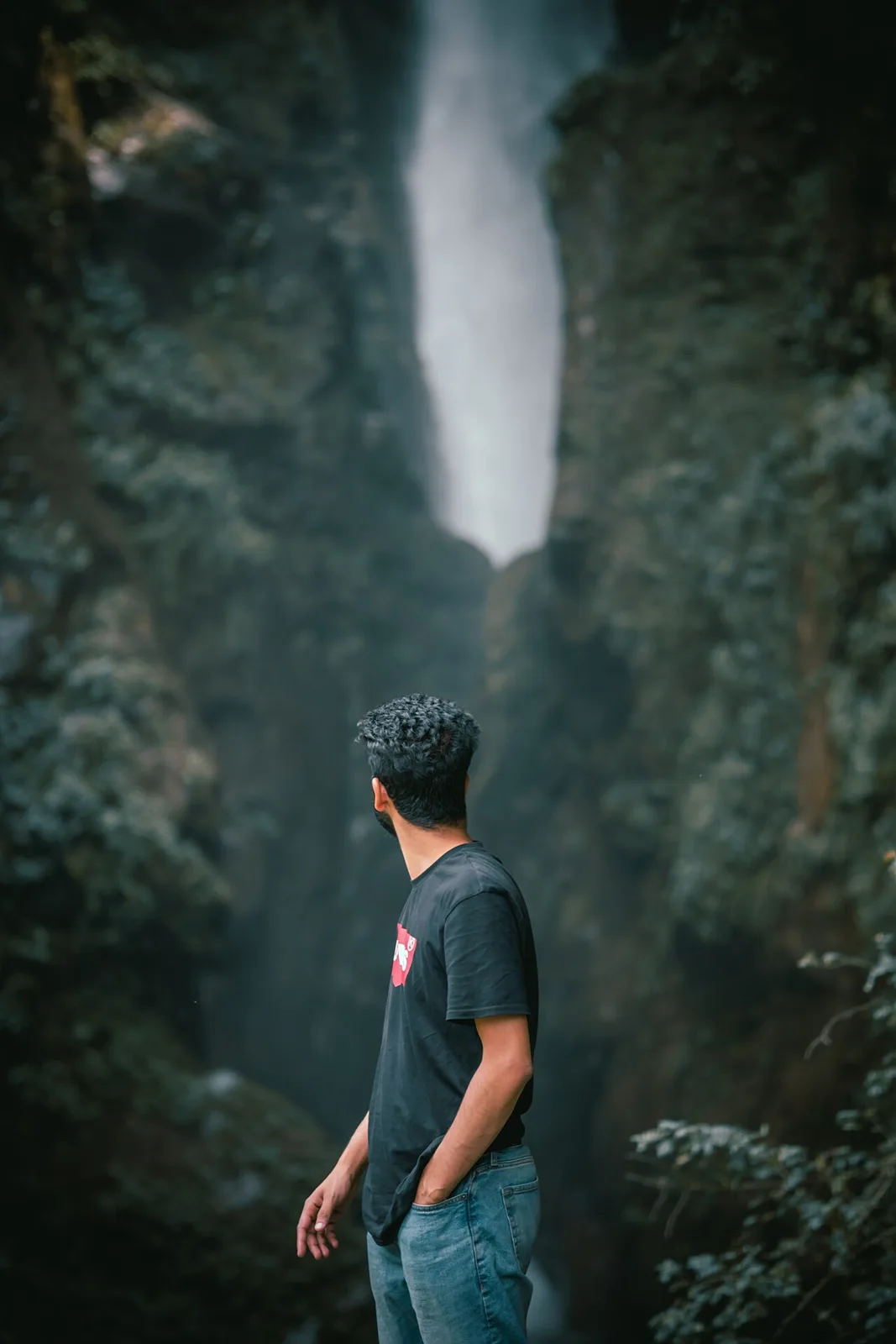
Noori Chamb, near Rajauri

City guide · Jammu and Kashmir

Rajauri

Rajauri is the administrative centre of Rajouri district and an important hill town in Jammu and Kashmir’s Jammu division. Set in the Pir Panjal region, it serves as a local hub for education, healthcare, government services and trade, and lies on the road connecting Jammu with Poonch.

Famous for

  • Baba Ghulam Shah Badshah shrine
  • Dhanidhar Fort
  • Pahari cultural traditions
  • Baba Ghulam Shah Badshah University
In the city
0
Nearby
2
Districts
Srinagar, Poonch
Plan a trip

Why Rajauri matters

Rajauri is the administrative centre of Rajouri district and an important hill town in Jammu and Kashmir’s Jammu division. Set in the Pir Panjal region, it serves as a local hub for education, healthcare, government services and trade, and lies on the road connecting Jammu with Poonch. Its location and layered history make it a useful base for exploring the surrounding hills and historic sites.

Visitors come for the region’s scenery and cultural variety, as well as places such as Dhanidhar Fort and the shrine of Baba Ghulam Shah Badshah at Shahdara Sharief, outside the town. Rajauri is also associated with the old name Rajapuri, recorded in the region’s historical tradition, and with a distinctive local practice of writing Punjabi in Devanagari. Baba Ghulam Shah Badshah University and Government Medical College give the town a significant educational and public-service role. It is a working regional centre rather than a polished resort, offering a closer view of everyday life in the Pir Panjal foothills.

Famous for: crafts, trade & products

Rajauri is not widely known as a major centre for sarees, textiles or large-scale handicraft production, and no particular GI-tagged product is strongly associated with the city. Its commercial life is mainly local: shops in and around the main bazaar serve residents and travellers with clothing, household goods and everyday provisions. Seasonal produce and regional food items may also appear in local shops, though availability varies.

The wider Jammu and Kashmir region has craft traditions, including woodwork, but Rajauri is not a dependable destination for a dedicated craft market. Visitors interested in locally made goods can ask in town about current artisan work rather than expect a fixed range or specialised shopping quarter. The district’s most prominent institutions are educational and civic rather than manufacturing: Baba Ghulam Shah Badshah University and Government Medical College Rajouri serve students and residents from across the area. For a sense of the town’s identity, its bazaars and community life are more representative than a particular branded product or export trade.

History

Rajauri was known as Rajapuri in the historical tradition recorded by Kalhana. The Jarral Rajput line is associated with its early rulers; later, the town came under the authority of the Kashmir Sultanate and then Mughal rule. In the early nineteenth century, Sikh forces brought Rajauri into the Sikh Empire. After the Treaty of Amritsar in 1846, it became part of the princely state of Jammu and Kashmir. Gulab Singh renamed it Rampur, while his governor Mian Hathu is credited with building a fort at Dhannidhar village and a temple near Thanna Nallah.

The town suffered severe violence during the 1947–48 conflict and was recaptured by Indian forces in April 1948. Rajauri later became part of a combined Poonch-Rajouri district; in 1968, Rajouri district was established. Reasi was separated as its own district in 2006. In recent decades, the town’s regional role has grown through public services, Government Medical College and Baba Ghulam Shah Badshah University.

Food, festivals & culture

Rajauri’s culture reflects the region’s Pahari and wider Jammu traditions, alongside communities with varied religious and linguistic backgrounds. Punjabi is notable locally for being written by many residents in the Devanagari script. Pahari, Gojri, Urdu, Dogri and other languages are also heard in the district. Folk singing and music feature in community gatherings and weddings, with styles shaped by the hill cultures of the Pir Panjal.

There is no single dish that defines Rajauri across the region. Home cooking commonly draws on rice, breads, seasonal vegetables and meat dishes; menus and family traditions vary. Visitors can look for regional meals in local eateries rather than expect a signature sweet or speciality. Eid, Navratri, Diwali and Baisakhi are observed by local communities in their usual seasons. The shrine of Baba Ghulam Shah Badshah at Shahdara Sharief draws worshippers, while the town and its surroundings also have mosques, temples and other places of worship. The temple associated with Mian Hathu is near Thanna Nallah.

Visiting the city

Spring and autumn are generally comfortable times to visit. Summers are relatively mild compared with the plains, while winter can be chilly and rainy; occasional snowfall is possible in the colder months. Check local road conditions in wet or wintry weather. Jammu Airport is the nearest major airport, and Jammu Tawi is the main railway station for onward road travel. Rajauri is about 150 kilometres from Jammu by road on the Poonch Highway; journeys can take longer depending on conditions.

Taxis and local transport can be used to get around town and reach nearby sites. Explore the main bazaar and older town streets for everyday life, and make a separate trip to Dhanidhar Fort. Shahdara Sharief is outside town and is a significant destination for worshippers. The Thanna Nallah temple is another nearby historical stop. Ask locally about access and current road conditions before setting out.

Short trips

Around Rajauri

Within about 40 km — easy half-day or day trips from the city.

Map

Rajauri on the map

  1. 1Kanihama
  2. 2Noori Chamb

Jammu and Kashmir

Other cities to explore