Ghumoopedia — Explore, Discover, Experience
Sign in
Achabal, near Kulgam

City guide · Jammu and Kashmir

Kulgam

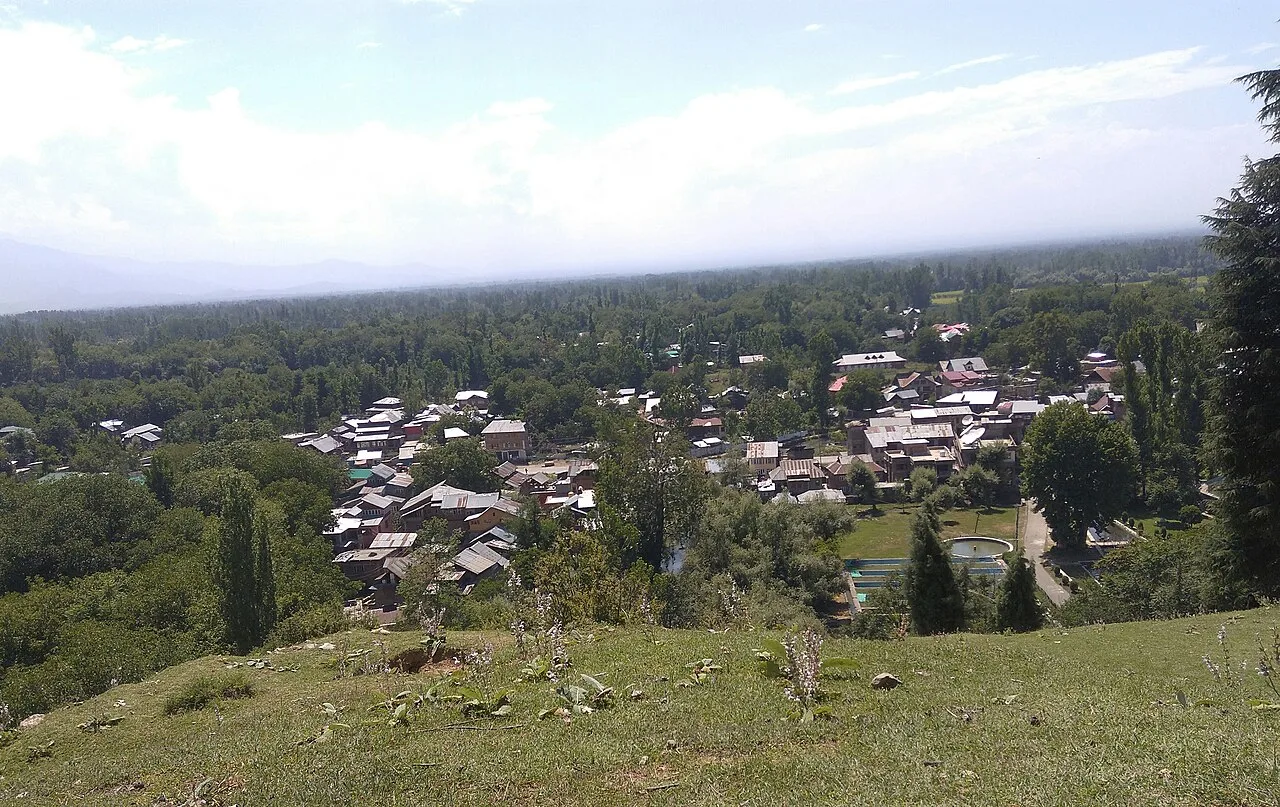
Kulgam is the administrative headquarters of Kulgam district in southern Kashmir, around 67 kilometres from Srinagar. Its importance today comes from its role as a centre for district administration, local trade and services for surrounding towns and villages.

Famous for

  • Aharbal waterfall
  • Veshaw River
  • Kashmir apple orchards
  • Nund Rishi heritage
  • Chinarbagh garden tradition

Why Kulgam matters

Kulgam is the administrative headquarters of Kulgam district in southern Kashmir, around 67 kilometres from Srinagar. Its importance today comes from its role as a centre for district administration, local trade and services for surrounding towns and villages. The town sits beside the Veshaw River, which flows from the Pir Panjal slopes and joins the Jhelum system, giving the area a distinctive mountain-and-river setting.

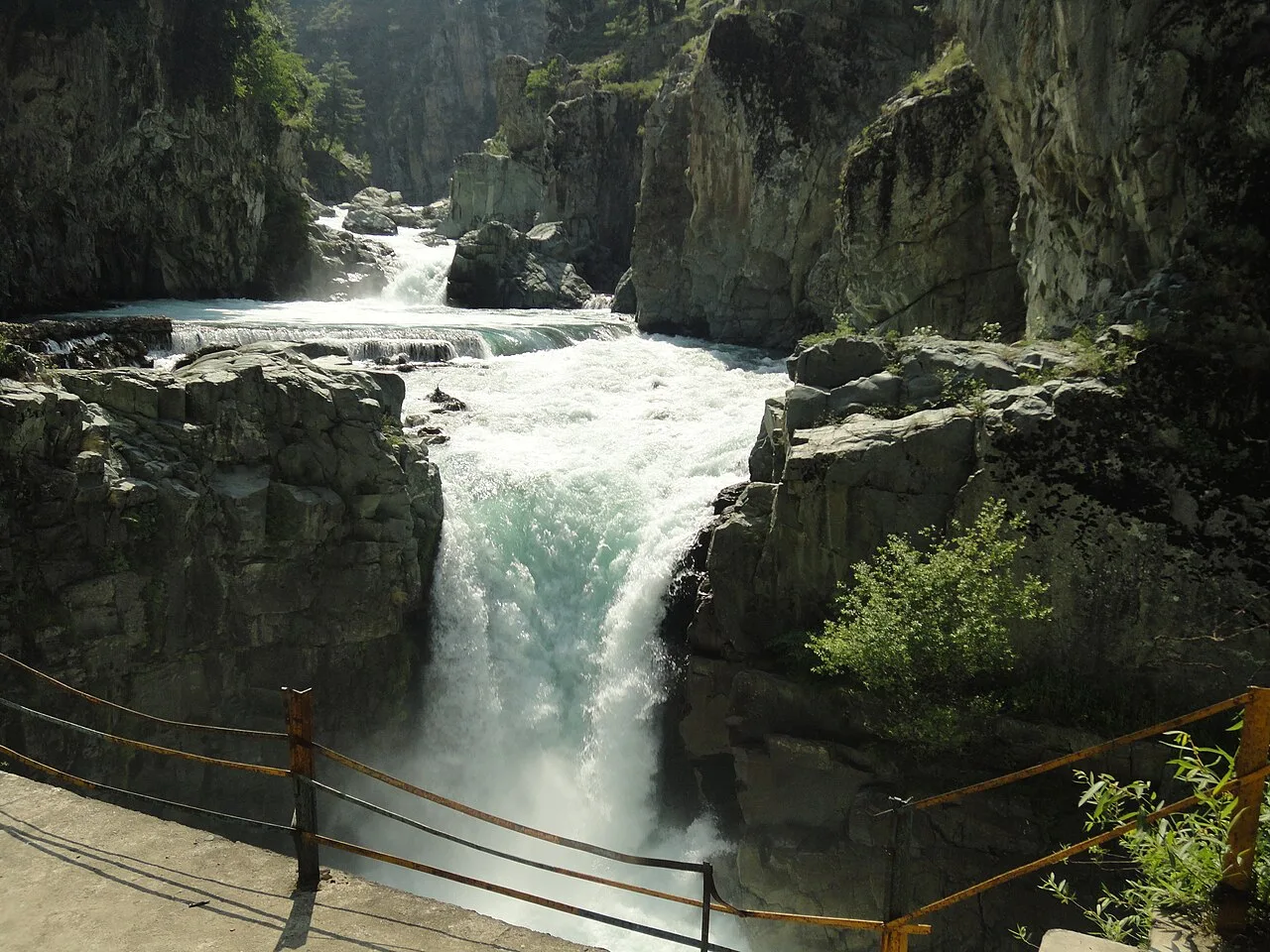
Visitors use Kulgam as a base for exploring the district’s countryside, including Aharbal waterfall, wooded slopes and orchard country. The wider area is associated with apple cultivation and with the Kashmiri Sufi tradition: Qaimoh, in the district, is remembered as the birthplace of Nund Rishi, also known as Sheikh Noor-ud-din Noorani. Kulgam is not a large resort town; its appeal lies in everyday Kashmir life, access to nearby landscapes and the cultural history of its villages. The district became a separate administrative unit in 2007, strengthening the town’s present-day role in the region.
Famous for: crafts, trade & products

Kulgam is best known commercially for the produce of its surrounding countryside, especially apples; orchards are a prominent feature of the district’s rural economy. Walnuts and other horticultural crops are also grown in the wider region. Seasonal produce is traded through local markets and mandis, while the town bazaar serves residents with groceries, clothing, household goods and everyday services. Market stock changes with the season, so visitors looking for orchard produce should ask locally about what is being sold and where.

Kulgam is not widely identified with a distinct textile, craft or GI-tagged product of its own. Kashmiri goods such as hand-woven shawls, papier-mâché and carved woodwork may be found through regional retailers, but these are associated with Kashmir more broadly rather than being specific to Kulgam. The town’s most visible institutions are its district administration and public-service offices, reflecting its headquarters role. For travellers, the bazaar is the practical place to browse local goods and buy provisions; for farm produce, roadside sellers and seasonal outlets in the surrounding villages may offer a more direct connection to growers.

History

The Kulgam area has a long history of settlement. Archaeological finds at nearby Kutbal, including stamped tiles and other artefacts, point to habitation and craft activity during the Kushan period, between the first and fourth centuries CE. The settlement now called Kulgam was reportedly known as Shampora; a later tradition connects its present name with the words kula, meaning clan, and grāma, meaning village.

Administrative importance grew during the period of Sher Shah Suri, when a tehsil was established in the area. The unit continued under Mughal rule, and the surrounding landscape was used as a royal hunting ground. Mughal emperor Shah Jahan is associated with planting Chinarbagh, a garden of chinar trees. The district is also linked to Nund Rishi, born at Qaimoh in 1377, a major figure in Kashmir’s Sufi heritage.

Kulgam remained within Anantnag district until it became a separate district on 2 April 2007. Since then, the town has developed further as its administrative headquarters.

Food, festivals & culture

Kulgam shares the food traditions of the Kashmir Valley. Rice is a staple, often served with meat dishes, vegetables and yoghurt; wazwan, the elaborate Kashmiri feast, is associated with weddings and other gatherings. Tea is part of daily hospitality: visitors may encounter salty noon chai or fragrant kahwa. Local bakeries sell traditional breads, while seasonal fruit, particularly apples from the surrounding countryside, is part of the area’s food culture. Menus and availability vary between homes, cafés and seasons.

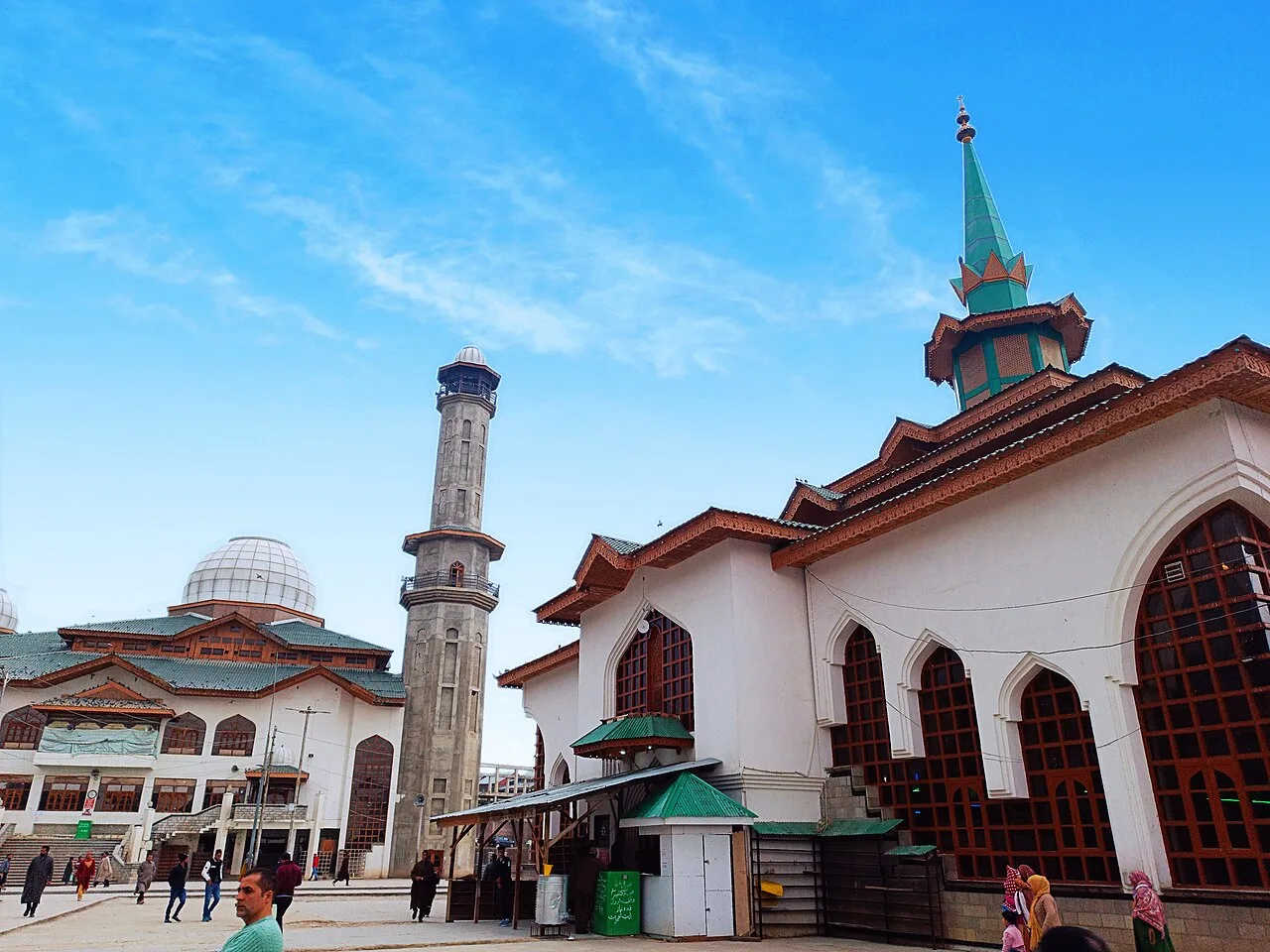
Kashmiri is widely used in everyday conversation, alongside Urdu; Hindi and English are also encountered in public and educational settings. Islamic observances, including Ramadan and the celebrations of Eid, shape the religious calendar for many residents. The district’s best-known spiritual association is Nund Rishi, whose birthplace is at Qaimoh. Mosques and local shrines are important community spaces, while religious and family gatherings sustain traditions of devotional recitation and Kashmiri folk expression. Visitors should dress respectfully at places of worship and follow local guidance.

Visiting the city

Spring and early autumn are pleasant times to visit, with milder weather and good conditions for exploring the countryside; summer is also popular for mountain scenery. Winters can be cold, so check local road conditions before travelling to higher areas. The nearest airport with regular commercial connections is Srinagar International Airport. Anantnag railway station is a useful rail access point for Kulgam; onward travel is by road.

Taxis and shared vehicles connect Kulgam with nearby towns and villages, and local buses operate on regional routes. The town bazaar and the Veshaw riverfront offer a feel for daily life. For excursions, consider Qaimoh for its Nund Rishi association and Aharbal for its waterfall and surrounding landscape. Arrange transport locally for rural trips, as services and road conditions can vary.

Trips from the city

Nearest places to visit from Kulgam

Our closest destination guides, by straight-line distance.

Achabal

20 km away · Anantnag district

Achabal

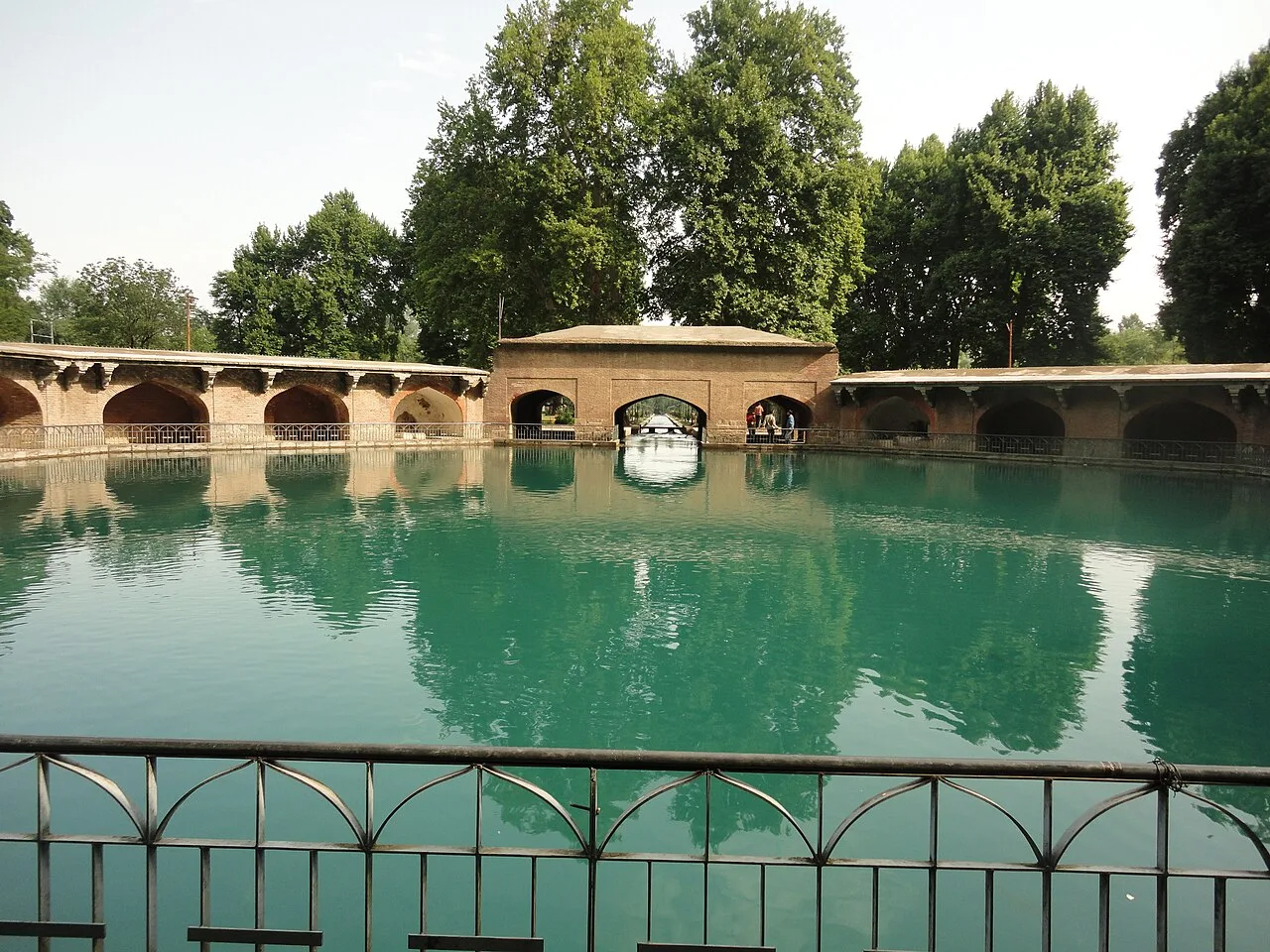
Achabal is a town in Anantnag district, known for its Mughal garden, ancient spring and terraced design. Visitors can also see Mughal-era features and a nearby trout hatchery.

Aharbal

22 km away · Kulgam district

Aharbal

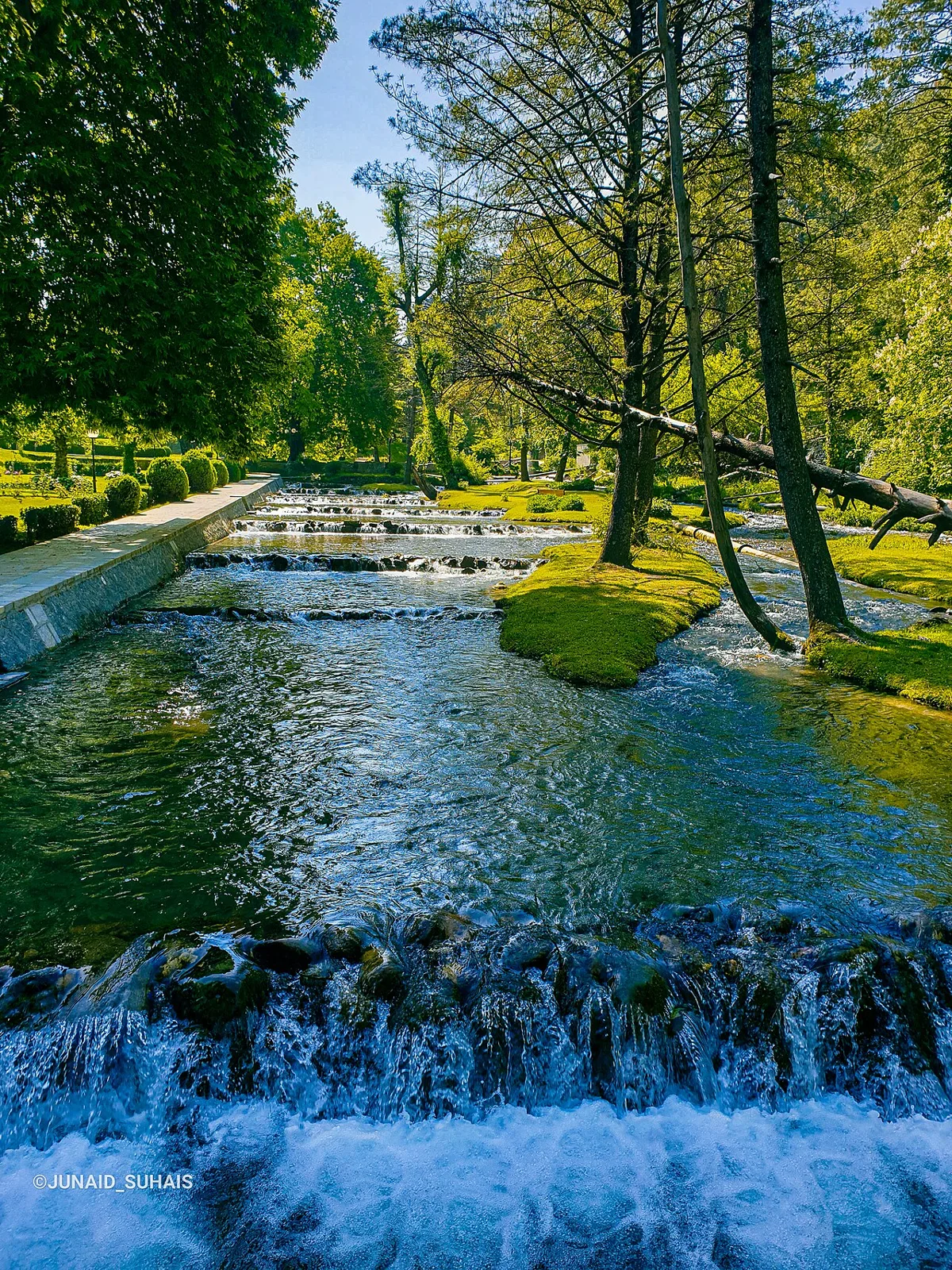
Aharbal is a hill station in Kulgam district, Jammu and Kashmir, known for Aharbal Waterfall, a cascade also called the Niagara Waterfall of Kashmir.

Martand Sun Temple

22 km away · Anantnag district

Martand Sun Temple

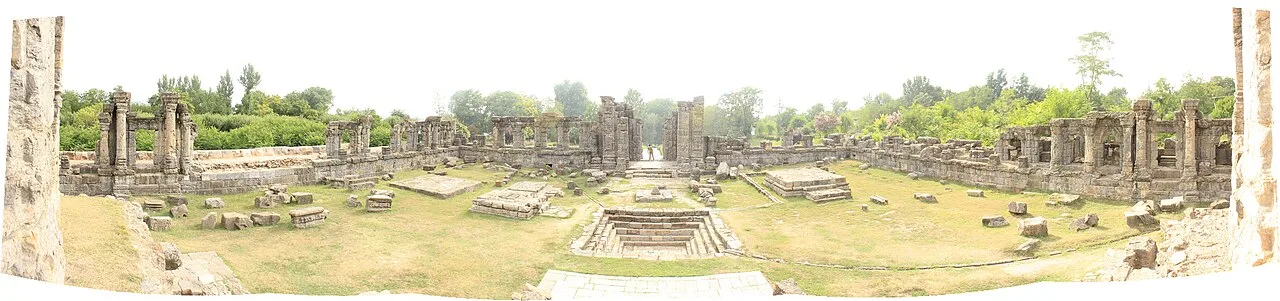
Martand Sun Temple is an eighth-century Hindu shrine in Mattan, Anantnag district, Jammu and Kashmir. Visitors come to see the site linked to Surya, the Hindu sun deity, and learn about its history.

Verinag

24 km away · Anantnag district

Verinag

Verinag is a town in Jammu and Kashmir’s Anantnag district, visited for its spring, Mughal-era arcade and garden, and its connection to the Jhelum River.

Kokernag

28 km away · Anantnag district

Kokernag

Kokernag is a town and sub-district in Anantnag district’s Breng Valley, known for its botanical gardens, freshwater springs and rainbow trout farm.

Avantiswami Temple

31 km away · Pulwama district

Avantiswami Temple

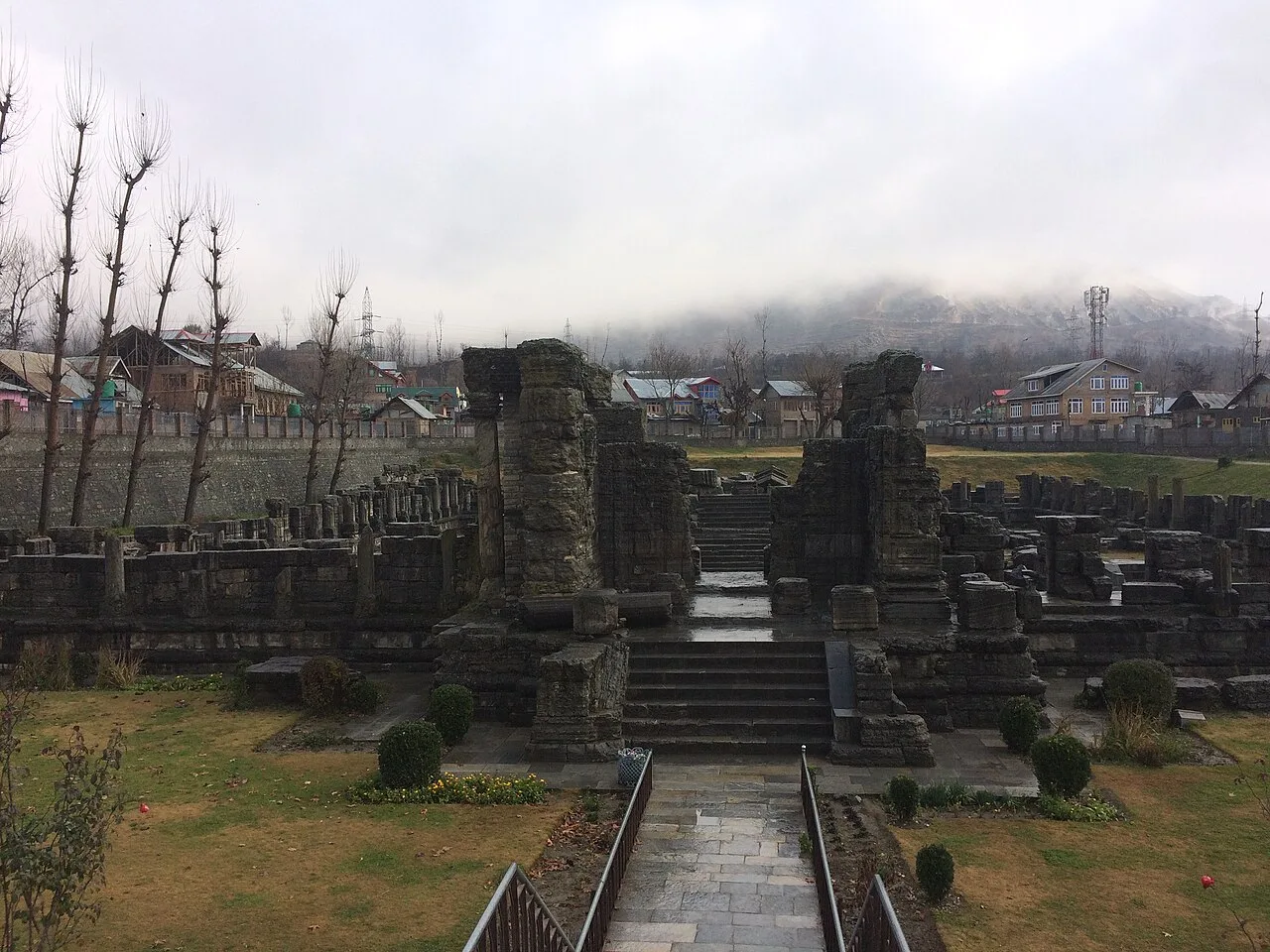
At Awantipora in Pulwama district, Avantiswami is a ruined Hindu temple complex beside the Jhelum. Visitors come to see its two shrines, dedicated to Shiva and Vishnu, dating to Avantivarman’s ninth-century rule.

Yusmarg

33 km away · Budgam district

Yusmarg

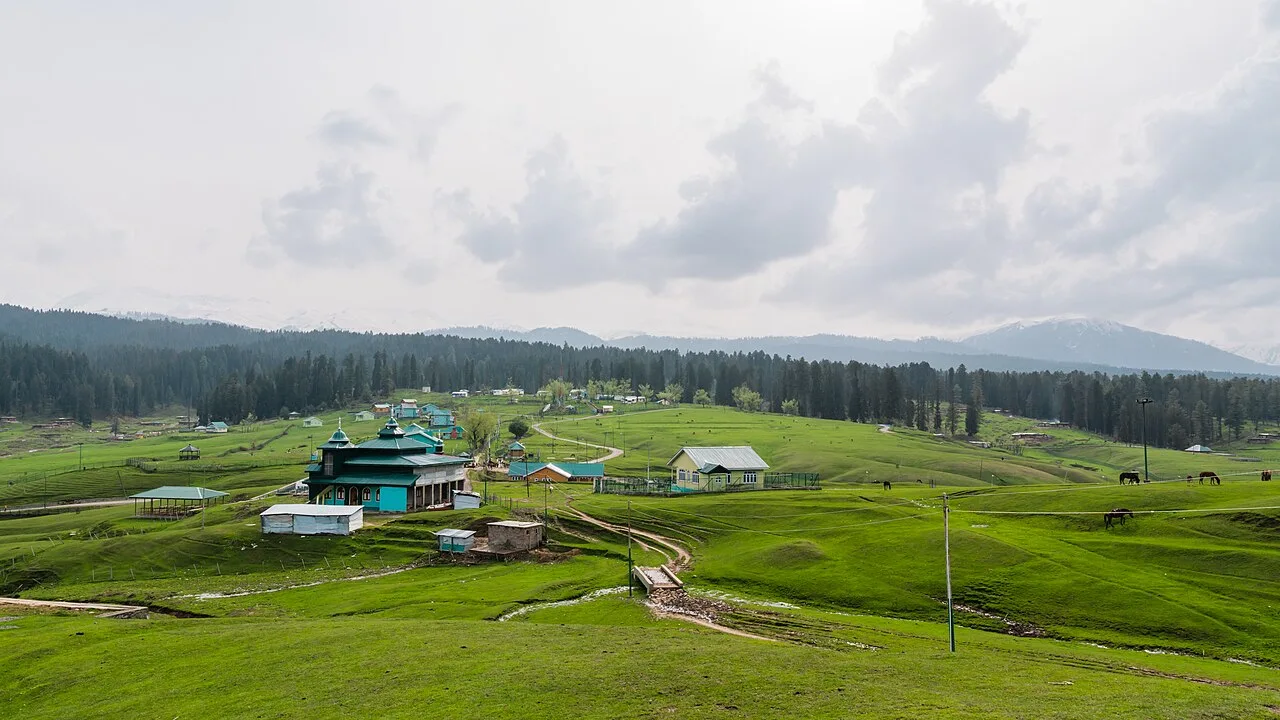
Yusmarg, also known as Yousmarg, is a hill station in Budgam district, Jammu and Kashmir. Visitors come to spend time in its hill-station setting.

Charar-e-Sharief shrine

34 km away · Budgam district

Charar-e-Sharief shrine

A Sufi shrine and mosque in Charari Sharief, it honours Nund Rishi and attracts Muslim worshippers and Hindu visitors for its religious and shared cultural significance.

Map

Kulgam on the map

  1. 1Achabal
  2. 2Aharbal
  3. 3Martand Sun Temple
  4. 4Verinag
  5. 5Kokernag
  6. 6Avantiswami Temple
  7. 7Yusmarg
  8. 8Charar-e-Sharief shrine

Jammu and Kashmir

Other cities to explore