
Ghumoopedia — Explore, Discover, Experience
Sign in
Gulmarg, near Gulmarg

City guide · Jammu and Kashmir

Gulmarg

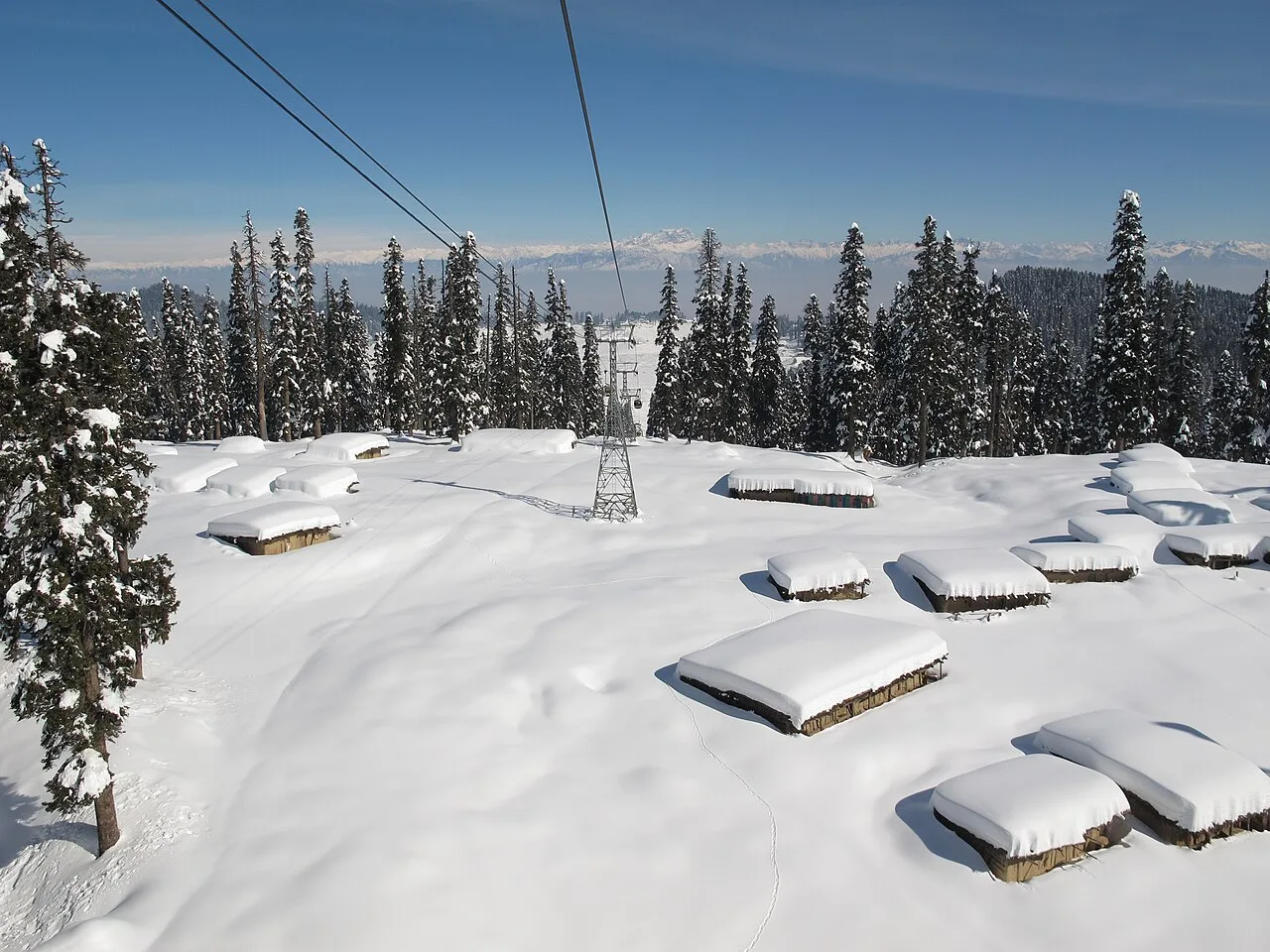
Gulmarg is a settlement and notified area committee in Jammu and Kashmir, known for skiing and winter sports. Visitors also come to ride its gondola towards Apharwat Peak.

Famous for

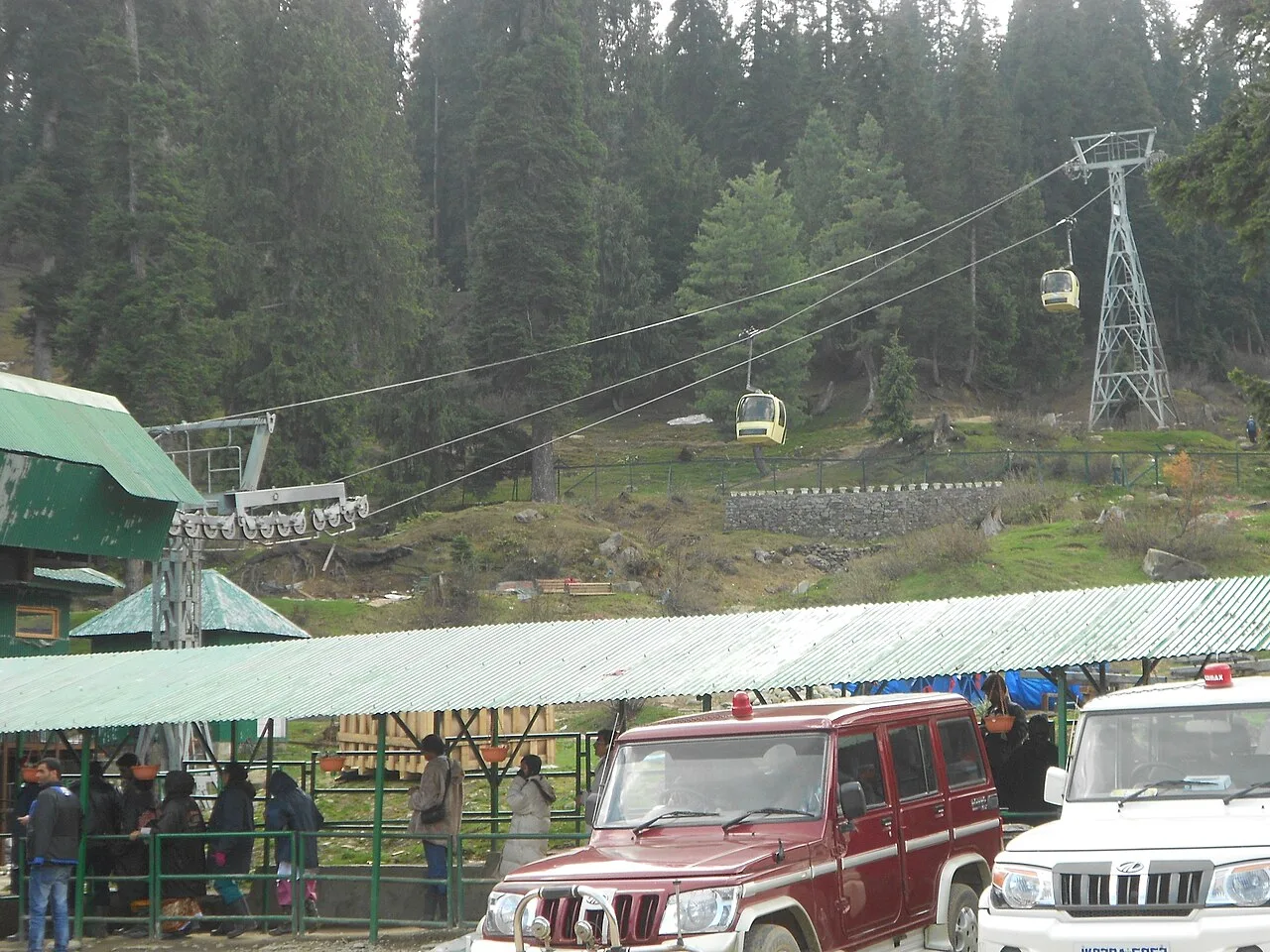
  • Gulmarg Gondola
  • Apharwat skiing
  • Alpine meadows
  • Gulmarg Golf Course
  • St Mary's Church
In the city
3
District
Baramulla

Why Gulmarg matters

Gulmarg is a mountain resort in Baramulla district, set in a high, bowl-shaped meadow of the Pir Panjal range. At about 2,650 metres, it is known for snowy winters, summer wildflowers and views towards the surrounding Himalayan peaks. Its location within the Gulmarg Wildlife Sanctuary gives the resort a striking setting of open grassland, pine and fir forest, and nearby high slopes.

Visitors come for skiing and other snow activities in winter, and for walks, scenery and cooler weather in the warmer months. The Gulmarg Gondola carries passengers up towards Apharwat, a major draw for mountain views and access to ski terrain; operation can depend on weather and conditions. The resort also has a golf course and historic buildings, including St Mary's Church. Gulmarg is an important part of Kashmir's tourism economy and a base for experiencing the region's mountain landscape, though visitors should check current travel and weather advice before setting out.
Famous for: crafts, trade & products

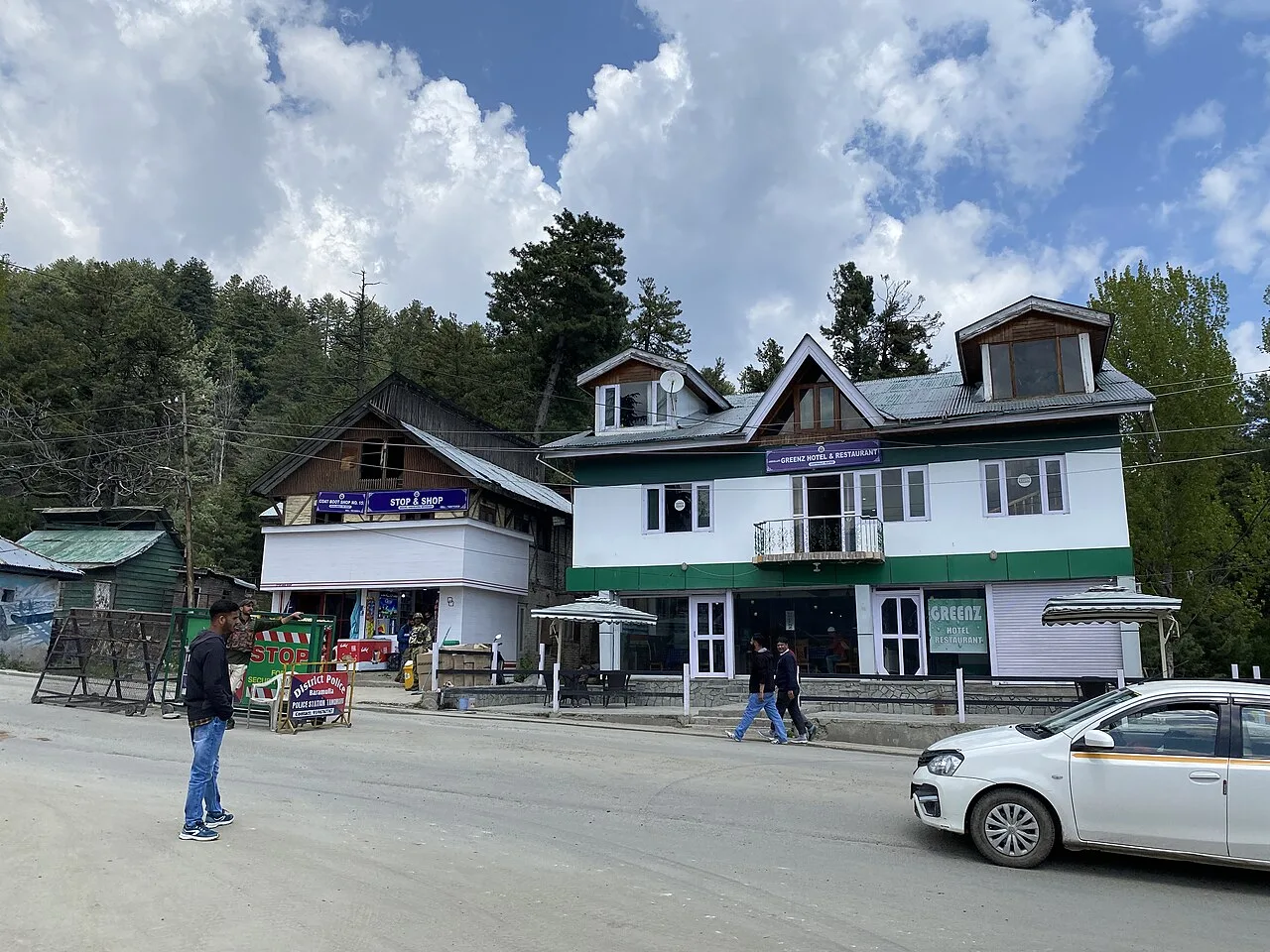
Gulmarg is best known for mountain tourism rather than for manufacturing or a distinctive local craft industry. Its best-known attraction is the Gulmarg Gondola, which links the resort with higher slopes near Apharwat. Skiing, snow sports, golf and guided outdoor activities shape much of the local visitor economy. Small shops and hotel outlets may carry souvenirs, warm clothing and Kashmiri goods, but selection varies by season.

For a wider choice of regional products, visitors can shop in Srinagar, where established markets and craft outlets sell items such as papier-mâché work, walnut-wood carving, carpets and shawls. Kashmir Pashmina and Kashmir saffron are recognised regional specialties, but they are not made in Gulmarg; saffron is associated particularly with Pampore. Buyers should ask about material, provenance and certification rather than assume that a product sold at a resort is locally produced or authentic. Gulmarg is therefore more a place to enjoy Kashmir's landscape and outdoor activities than a destination for specialist shopping. Travellers seeking crafts or food products can plan purchases in Srinagar or at their place of origin.

History

The meadow was known locally as Gaurimarg, a name associated with the goddess Gauri. Yousuf Shah Chak, who ruled Kashmir in the late sixteenth century, gave it the name Gulmarg, meaning “meadow of flowers.” During Mughal rule, the area became a recreational retreat; Jahangir is remembered for visiting and gathering wild plants. Under British rule, officials used Gulmarg as a summer resort, with hunting and golf among their pursuits. A ski club was established in 1927.

After the end of British rule, Gulmarg became part of the princely state of Jammu and Kashmir, which acceded to India in 1947. The conflict that followed affected the area, and the Indian Army established its High Altitude Warfare School here in 1948. In the decades after independence, the government developed Gulmarg as a winter-sports destination, including the establishment of a skiing and mountaineering institute. Tourism was disrupted by conflict in the 1990s and later revived. The gondola was developed in stages from the late 1990s into the 2010s.

Food, festivals & culture

Gulmarg's food reflects wider Kashmiri cooking. Visitors may find wazwan dishes such as rogan josh and yakhni, along with dum aloo, rice-based meals and cups of kahwa, the region's spiced green tea. Menus vary between hotels and seasons, and many dining options cater to travellers. For more variety in local cuisine, Srinagar offers a broader choice of traditional restaurants and bakeries.

Kashmiri is widely spoken locally; Urdu, Hindi and English are also used, particularly in visitor services. Eid celebrations follow the Islamic calendar, while festivals such as Navroz are observed by parts of the wider region. Seasonal events and winter-sports gatherings may bring activity to the resort, though programmes vary from year to year. Religious and historic landmarks include St Mary's Church and the Maharani Temple in Gulmarg, as well as the Baba Reshi shrine on the route nearby. Kashmiri music traditions include Sufiana and folk forms; rouf, a group dance associated with celebrations, is known across the Valley.

Visiting the city

Winter, generally from December to March, draws visitors for snow and skiing, though conditions vary. May to September is better for greener meadows, walks and milder weather. Check forecasts and local travel advice before departure, especially in winter. The nearest airport is Srinagar International Airport, also known as Sheikh ul-Alam Airport. Baramulla railway station is the closest rail station; onward travel to Gulmarg is by road.

Taxis and hired vehicles are the usual way to reach the resort from Srinagar or Baramulla. Within Gulmarg, visitors can walk between nearby sights, hire local transport where available, or use the gondola for the upper mountain; access depends on weather and operating conditions. Explore the central meadow, golf-course surroundings, St Mary's Church and the gondola base area. The Apharwat slopes are a popular focus for snow activities and mountain views.

Attractions

Places to visit in Gulmarg

Sights within about 12 km of each other, even when they fall in different districts.

Map

Gulmarg on the map

  1. 1Gulmarg
  2. 2Gulmarg Gondola
  3. 3Tangmarg

Jammu and Kashmir

Other cities to explore